The Undara Lava Tubes, carved 190,000 years ago by a draining shield-volcano flow, lie in Queensland's Gulf Savannah roughly 270km (four hours' drive) southwest of Cairns Airport. Visit in the dry season, April to October, with June–July the most comfortable window. Two nights on site is the sensible minimum, allowing a tube tour plus the sunset bluff wildlife session — the standout highlight. Entry is guided-tour only, and the tours themselves rate as Moderate mobility, involving stairs and uneven lava rock.
What exactly are the Undara Lava Tubes?
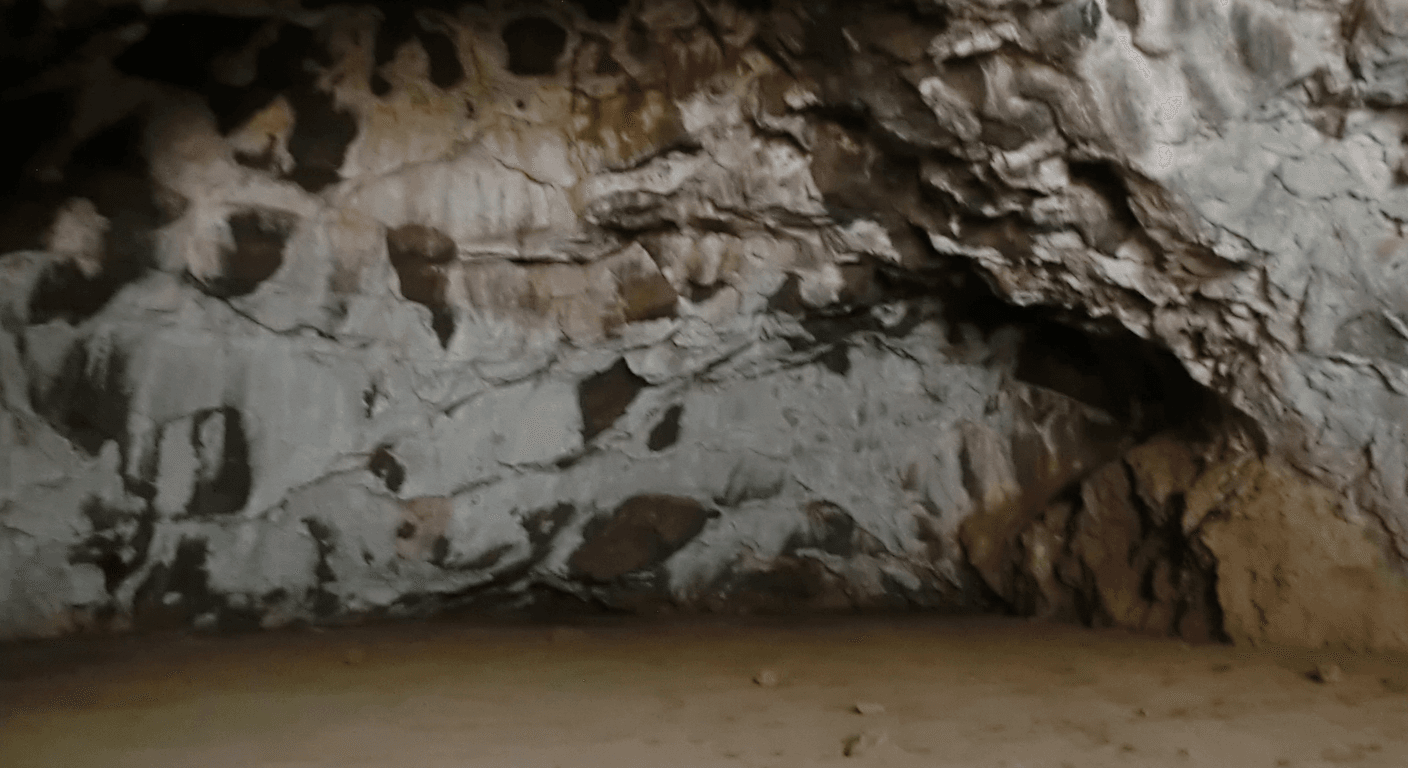
About 190,000 years ago, a shield volcano in what is now Queensland's Gulf Savannah released one of the largest lava flows from a single vent in recorded geological history. The outer surface cooled and solidified. The molten rock underneath kept moving, eventually draining out and leaving behind a network of hollow tunnels — some stretching for kilometres, their ceilings arching overhead like the nave of a cathedral carved in basalt.
The tubes were rediscovered by European Australians in the 1880s when a pastoralist noticed his cattle sheltering in the cool dark entrances during summer. Today the accessible sections sit inside Undara Volcanic National Park, and entry is only possible on a guided tour run by Undara Experience, the private operator that has managed the site for decades in partnership with Queensland Parks and Wildlife. That restriction isn't bureaucratic fussiness — the tubes are genuinely fragile, and the guides' knowledge of the geology, the wildlife roosting inside, and the safe path through uneven terrain is part of what makes the visit worthwhile.
The tubes are home to microbat colonies, and at certain points you'll stand in chambers where the only light is what your guide carries. The temperature inside holds at a steady cool even on the hottest savannah days — a detail that becomes very appealing after the four-hour drive from Cairns.
Getting there: the drive from Cairns and what to plan for
Most travellers fly into Cairns from Sydney, Melbourne, Brisbane or Perth — Cairns Airport has good connections and is a manageable hub. From Cairns, Undara is roughly 270 kilometres southwest via the Kennedy Highway through Mareeba, Atherton and Ravenshoe, then south on the Gulf Developmental Road. Allow a minimum of four hours driving time, more if you stop on the Atherton Tablelands, which many travellers do sensibly.
Fuel is the planning detail that catches people out. Fill the tank in Ravenshoe or Mount Garnet — do not assume you can refuel easily on the final stretch to the park. The road is sealed for most of the route but becomes more remote in character the further southwest you travel. A standard 2WD vehicle handles the journey fine in the dry season, but check road conditions via Queensland's TrafficQ service before departing, particularly if there has been any unseasonal rain.
There are coach tour options departing Cairns if self-driving doesn't appeal — Undara Experience can advise on current packages. For a group of friends, however, a hire car gives the flexibility to stop at the waterfall circuit around Millaa Millaa on the way, which fits the pace of this kind of trip beautifully.
The guided tube tours: what to expect and how to choose
All tube tours are run by Undara Experience and must be pre-booked. There are several options ranging from a single-tube introduction to longer combinations that enter multiple sections of the system. Prices run roughly $65–95 per person as of recent seasons — confirm current rates and availability directly with the operator before booking, as pricing and tour structures do change.
Be honest with yourself about the physical demands before choosing a tour. The tubes involve descending stairs into the entrance, walking on uneven lava rock that can be slippery in places, and at certain points ducking or crouching under lower sections of ceiling. None of this is extreme, but it is real. The operator grades tours by difficulty and the staff are experienced at working with guests across a range of fitness levels. If someone in your group has significant knee or balance concerns, call ahead and discuss which tour suits — they'll give you a straight answer.
Wear closed-toe shoes with grip — no thongs, no open sandals. A light layer is useful inside the tubes even in the warm months. The morning tours tend to be cooler and the light quality at the tube entrances is better for photography early in the day. Afternoon tours in the dry season can mean walking into the savannah heat on the way back, so factor that into your preference.
Where to stay: railway carriages, campground and why two nights makes sense
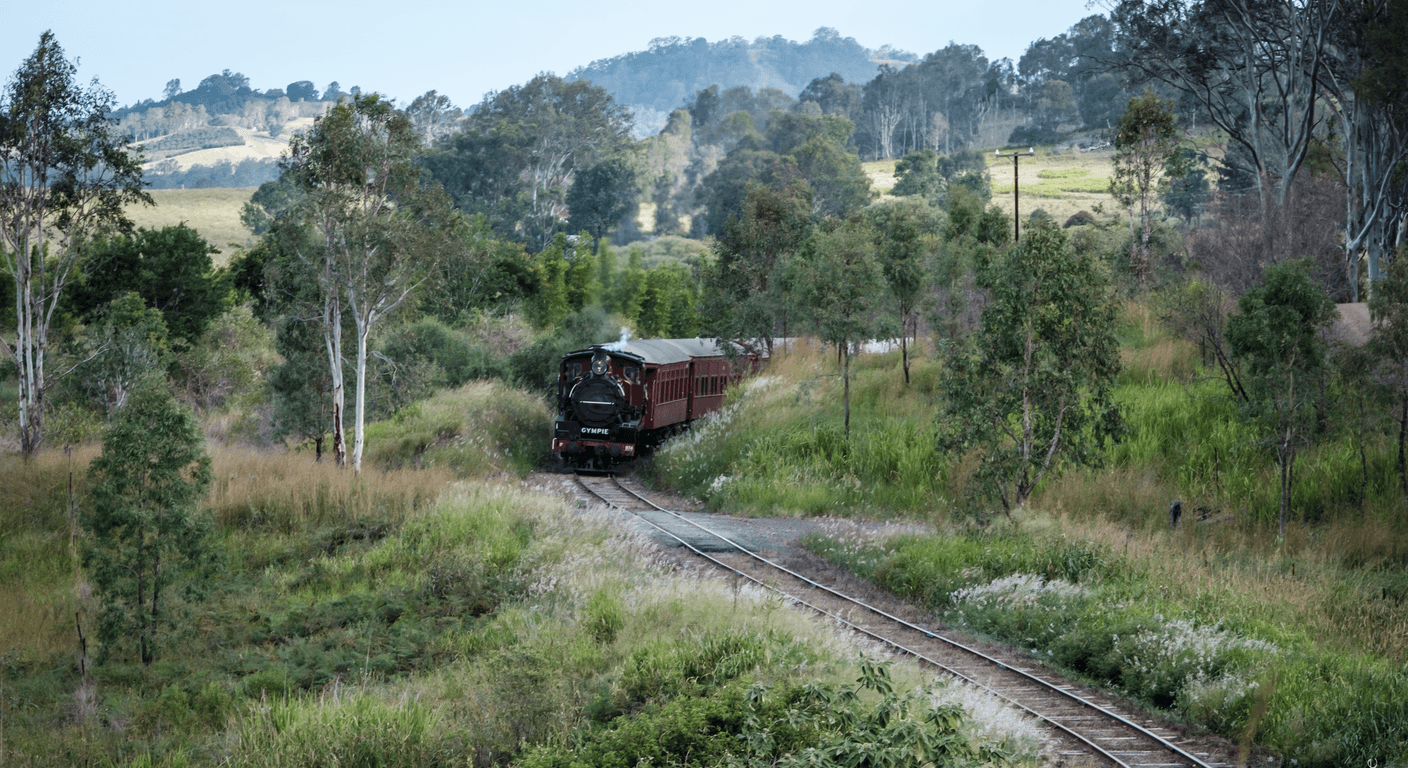
The accommodation at Undara Experience is one of the more unusual options in Queensland tourism: a collection of heritage railway carriages converted into comfortable en suite rooms, arranged in a bush setting under large trees. They're not luxurious in the five-star sense, but they're well-appointed, air-conditioned, and considerably more comfortable than the name 'train carriage' might suggest. Rates run from around $150 per night upwards — confirm current pricing, as they vary by season and room type.
There is also a campground on site for travellers who prefer to bring their own setup, and a separate Queensland Parks and Wildlife campsite nearby for those with camping permits. The campground suits grey nomads and caravanners well, and the communal areas create the kind of easy socialising that a group of friends tends to enjoy.
The case for two nights is simple: a same-day return from Cairns means you're driving eight-plus hours for a single tube tour, and you'll be watching the clock the whole time. With two nights, you do a tube tour one morning, spend an afternoon at leisure, catch the sunset wildlife session at the bluffs, and wake up relaxed the next day for either a second tour or a leisurely drive back via the Tablelands. That rhythm is the difference between a tick on a list and an experience that sticks.
Sunset at the bluffs: the wildlife session you shouldn't skip
Each evening during the dry season, Undara Experience runs a guided sunset session at the lava bluffs, where the cooling air draws out an extraordinary volume of wildlife. Wallabies graze along the rock edges. Predatory birds wheel overhead. And as the light drops, the microbats that roost in the tubes emerge in columns — thousands of them spiralling upward in a way that takes a moment to fully register.
The session is unhurried, guided, and requires minimal walking — mostly standing or sitting on the bluffs as the light changes. It's the kind of moment that reminds you why you chose to travel somewhere properly rather than just pass through. For a group travelling together, it's also simply good fun — the sort of shared experience that generates conversation long after you're home.
Sundowner drinks are typically included or available nearby. The whole session lasts roughly an hour and is included with certain accommodation packages — confirm what's included when you book.
Season, heat and timing your visit honestly
The dry season runs from roughly April to October, and that is the window to visit. The Gulf Savannah in the wet season is genuinely hot, humid, and subject to road closures from flooding. Some years the wet lingers into April; check conditions if you're planning an early-season trip. October can start to warm considerably, so April through August is the most comfortable window, with June and July being peak season.
Mornings are the best time for activity — tube tours, wildlife walks, and any exploring you want to do. By early afternoon the savannah sun is strong even in the cooler months. A hat, sunscreen and a water bottle are not optional. The shade inside the tubes is a genuine relief, which is part of their appeal beyond the geology.
For travellers coming from regional Victoria, the seasonal reversal is a genuine bonus: June and July in Queensland's north are warm and dry while Victoria is in the depths of winter. That contrast is part of the appeal for many travellers from southern states, and Undara sits neatly within a broader Queensland itinerary that might include the Atherton Tablelands, Port Douglas, or the Daintree.
Practical matters: health, insurance and making the trip work
Travel insurance is worth having for any domestic trip that involves remote locations and physical activity. If anyone in your group has pre-existing conditions, check that your policy covers the guided tube activities and confirm there are no exclusions that might apply. Medical facilities are limited in the Gulf Savannah — the nearest hospital of substance is in Cairns — so this is not a destination where you want to be underinsured.
Mobile phone coverage is patchy once you leave the main Atherton Tablelands towns. Let someone know your itinerary before you depart. The Undara Experience lodge has a landline and the staff are experienced at managing remote-location logistics, but it's sensible not to assume you'll have reliable data throughout the drive.
For a group of friends, splitting the hire car costs and sharing accommodation makes the trip very reasonable value. The experience itself — the geology, the wildlife, the unhurried pace of the savannah — is genuinely unlike anything most Australians have seen, and that's worth the planning effort it takes to get there.
Quick planning guide
| Ideal pace | Slow-paced — built around a two-night stay |
|---|---|
| Best months | April to October (dry season), with June–July peak |
| Suggested stay | Two nights minimum |
| Mobility level | Moderate — stairs, uneven lava rock, occasional ducking under low ceilings |
| Cost level | Mid-range — tours roughly $65–95pp, rooms from about $150 a night |
| Comfort level | Comfortable — air-conditioned en suite railway carriages, or on-site camping |
| Best for | Groups of friends, grey nomads and travellers interested in geology and wildlife |
| Main planning consideration | Guided entry only, so pre-book tours with Undara Experience and fuel up in Ravenshoe or Mount Garnet before the final stretch |
Key takeaways
- Undara Lava Tubes are accessible only on guided tours — pre-book directly with Undara Experience before travelling.
- The dry season (April to October) is the only practical window; wet season heat and road closures make the site inaccessible for most visitors.
- Tours involve stairs and uneven rock — rated Moderate, and the operator grades options by difficulty so you can choose honestly.
- Two nights on site is the sensible minimum; a same-day return from Cairns wastes most of the experience.
- Fill the fuel tank in Ravenshoe or Mount Garnet — don't rely on finding a servo in the final stretch to the park.
- The sunset wildlife session at the bluffs — microbats emerging in columns, wallabies, raptors — is a separate highlight from the tube tours and worth building the itinerary around.
Recommended partners and links
Indicative prices only — always confirm with the operator before booking.
Frequently asked questions
Can you visit Undara Lava Tubes without a guide?
No. Entry to the lava tubes at Undara Volcanic National Park is only permitted on guided tours operated by Undara Experience. Independent access is not allowed, both for conservation reasons and because the terrain inside the tubes is genuinely hazardous without a guide.
How physically demanding are the Undara tube tours?
The tours are rated Moderate. They involve descending stairs into the tube entrances, walking on uneven lava rock, and occasional low clearances requiring a stoop or duck. Closed-toe shoes with grip are essential. The operator offers tours of different lengths and difficulties — call ahead if anyone in your group has knee, balance or mobility concerns, and they will advise which option is suitable.
How far is Undara from Cairns and how do you get there?
Undara Volcanic National Park is roughly 270 kilometres southwest of Cairns, taking approximately four hours by road via the Kennedy Highway through Mareeba, Atherton and Ravenshoe. The road is sealed and manageable in a standard 2WD vehicle during the dry season. Coach tour packages from Cairns are also available through Undara Experience.
What accommodation is available at Undara?
Undara Experience operates heritage railway carriages converted into en suite rooms, which are the most comfortable on-site option. There is also a campground suited to caravanners and self-contained travellers, and a Queensland Parks and Wildlife campsite nearby. Rates vary by season — confirm current pricing directly with the operator or QPWS before booking.
What is the best time of year to visit Undara?
April to October is the recommended window, coinciding with Queensland's Gulf Savannah dry season. June and July are the most comfortable months. The wet season brings extreme heat, high humidity and potential road closures. Travellers from southern states often find the contrast with a Victorian winter makes the June–August window particularly appealing.