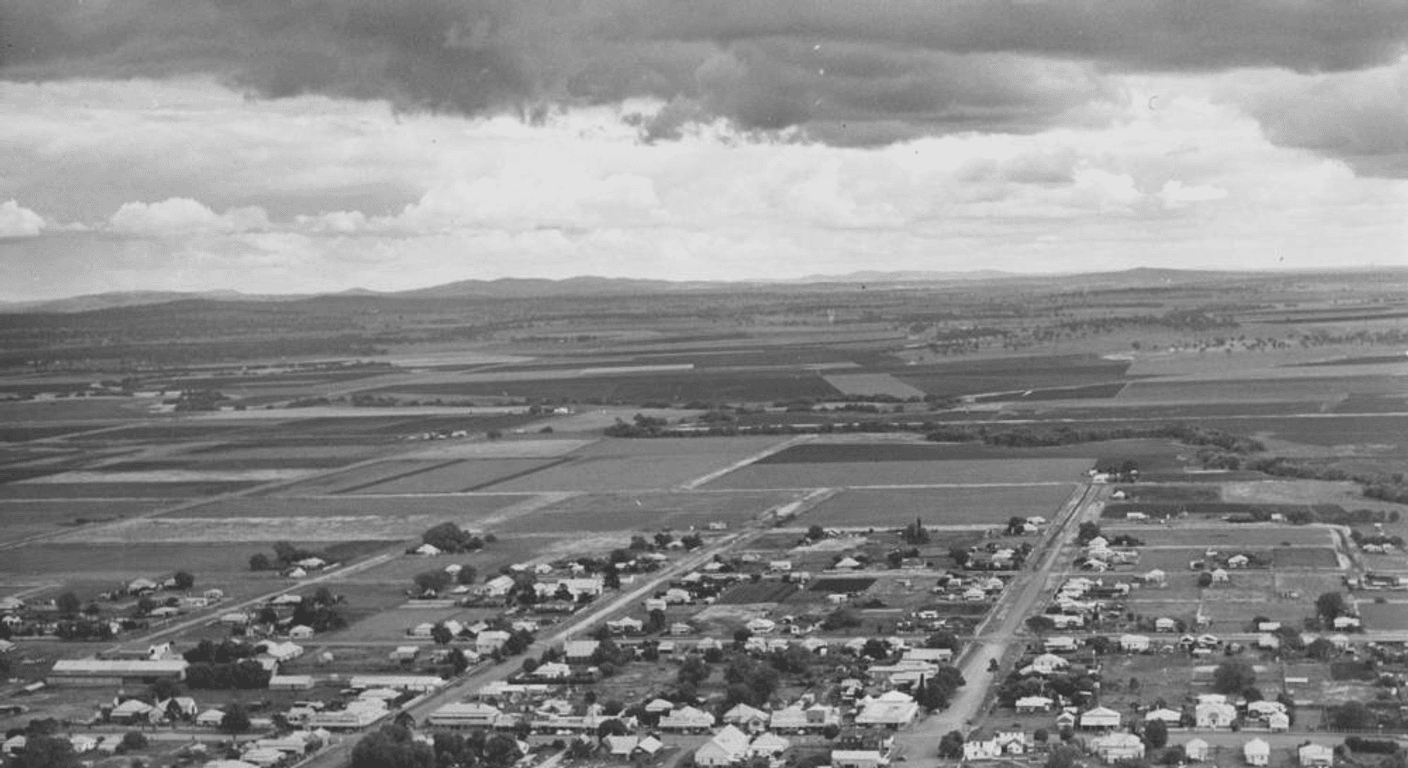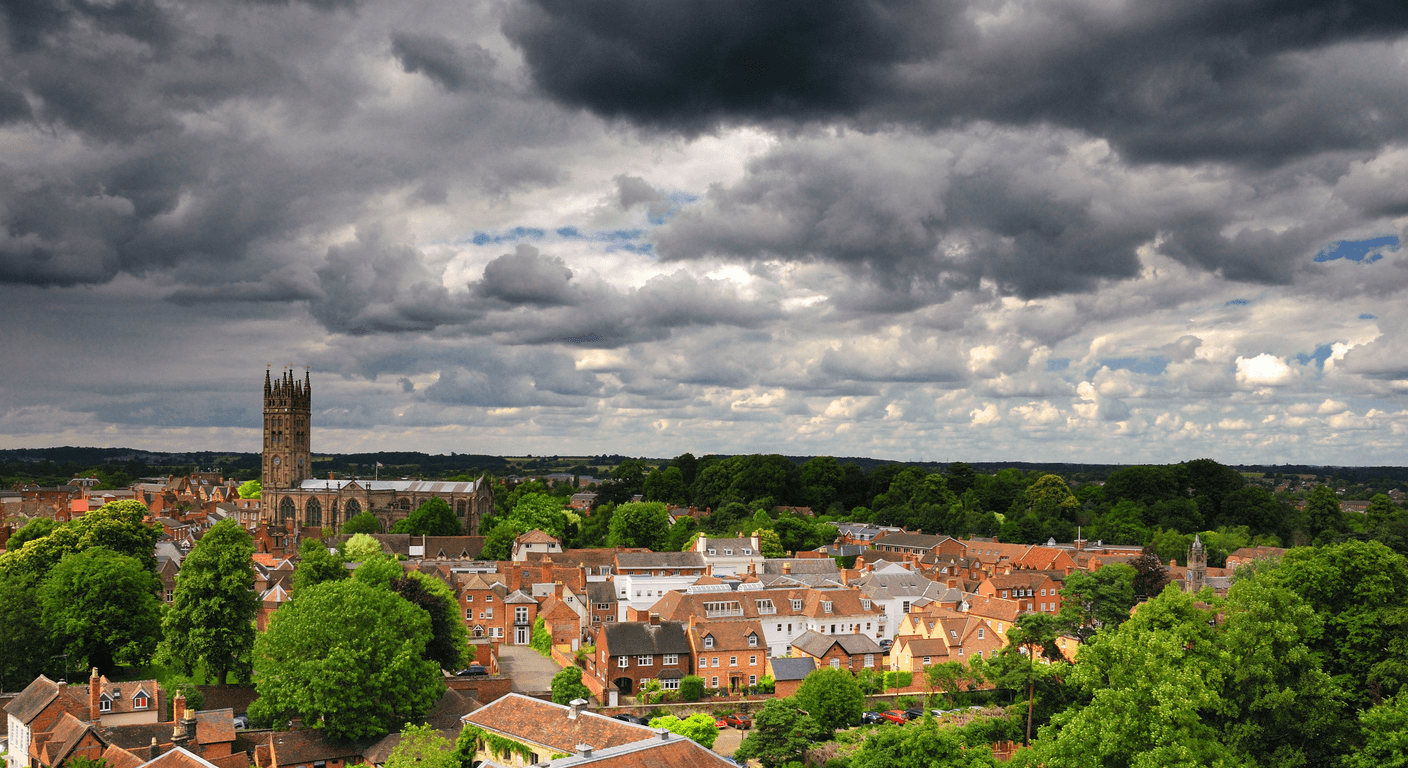
Warwick, on Queensland's Southern Downs, rewards a full day on foot: a flat, compact town centre lined with intact sandstone wool-era buildings, plus the free rose gardens at Leslie Park, best seen around October. Cool, dry winters (June–August) suit heritage walking equally well. Mobility is easy, with level footpaths throughout. It's a two-hour drive from Brisbane via the New England Highway, or a direct flight from Melbourne to Brisbane followed by an easy hire-car day trip, with Stanthorpe forty minutes further south for a two-day extension.
What Makes Warwick Worth the Drive from Brisbane?
There's a particular pleasure in arriving at a country town and finding it exactly as substantial as you'd hoped. Warwick doesn't oversell itself. The buildings simply stand there — hewn from local freestone, warm-coloured and broad-shouldered — and let you draw your own conclusions. The town hall, the post office, the courthouse, the Catholic and Anglican churches: each one a deliberate statement that the wool men of the Darling Downs expected to be taken seriously. They were right.
The drive down from Brisbane on the New England Highway takes around two hours through the Cunningham's Gap section of Main Range National Park, which is itself worth a pause if legs need stretching and the lookout is clear. From Melbourne, the practical approach is a direct flight to Brisbane — roughly two and a half hours — with Warwick an easy hire-car day from the airport. For a traveller who appreciates a destination that offers genuine historical texture without a theme-park layer over the top, Warwick is quietly satisfying.
The town centre is genuinely flat. A couple who have been travelling Australia together for years will find the pacing here natural: no hurry, no hills, good footpaths, and a main street where parking is straightforward. That's not a minor point when you're planning a full day on your feet.
The Self-Guided Heritage Walk: Sandstone by the Block
Pick up the heritage trail map from the visitor information centre on Albion Street — or download it from the Southern Downs tourism website before you leave. The walk covers the central blocks in a loop that takes roughly ninety minutes at a comfortable pace, though most people stretch it to two hours once they start reading the interpretation panels and photographing the stonework details.
The Warwick Town Hall on Palmerin Street is the obvious anchor: Federation-era civic confidence rendered in local freestone, its clock tower visible from several blocks away. The Post Office on Grafton Street, built in the 1880s, is another standout — the kind of building that makes you wonder why we stopped building things that way. St Mary's Catholic Church and the older Anglican Christ Church both repay a quiet look inside if they're open; confirm opening times locally.
What distinguishes the walk is the density. This isn't a single impressive building surrounded by car parks and fast food. The heritage streetscape holds together across multiple blocks, giving you a genuine sense of the town as it was intended. For someone with an eye for Greek Orthodox church architecture — where stone and permanence carry cultural weight — Warwick's sandstone tradition will resonate on a familiar frequency.
The Rose Gardens: When to Go and What to Expect
Warwick's rose gardens are the reason October draws visitors from across the state, though the blooming season can shift with seasonal conditions — confirm the peak with the visitor centre before you book. The primary display is in Leslie Park on Fitzroy Street, a well-maintained public garden where heritage and modern rose varieties grow in organised beds around a central fountain. Entry is free. Go in the morning if you can; the light and the fragrance are both better before midday.
The Rose and Rodeo Festival, held annually in late October, turns the whole town into a celebration of both the flowers and Warwick's other claim to fame — it's one of Australia's oldest rodeo towns, a fact that sits in entertaining contrast with the delicate garden beds. The festival brings crowds, so if a quieter visit suits better, the first two weeks of October are generally reliable for blooms without the festival-weekend traffic.
For anyone who gardens at home — and many travellers in this age group do — the heritage rose varieties alone are worth the visit. Some of the cultivars in Leslie Park are no longer commonly sold in nurseries, which makes the collection genuinely interesting rather than simply pretty.
The Abbey of the Roses: Architecture and Quiet
The Abbey of the Roses on the eastern edge of town is Warwick's most architecturally dramatic site. Built in 1891 as the Convent of Mercy, the complex is a serious piece of Queensland Gothic — bluestone and freestone, steep gabled rooflines, a chapel that seats a small congregation in genuine solemnity. It operated as a convent school for over a century before being converted to a heritage accommodation and event venue.
The grounds include rose gardens that, in spring, extend the floral theme from Leslie Park across town. Day visitors are generally welcome to walk the gardens; a modest entry fee may apply — confirm current arrangements directly with the Abbey before arriving. The chapel is worth a look if access is available: the stained glass and timber pews are intact, and the scale of the space is quietly imposing.
For a traveller who grew up within the Greek Orthodox tradition, where sacred architecture is understood as a form of serious cultural expression, there's something to appreciate in the Abbey's earnestness. It wasn't built to impress tourists. It was built to last, and to mean something. That comes through.
Lunch in a Country Bakery: The Practical Details
Warwick's bakeries are not a marketing talking point — they're a practical necessity and a genuine pleasure. The town has a strong tradition of country-style baking: substantial meat pies, sausage rolls with actual pastry rather than the limp variety, and a range of breads that reflect the agricultural community they were built to feed. The Warwick Bakery on Palmerin Street is a reliable stop; there are others along the main streets worth exploring on foot.
Lunch in a Warwick bakery is also economical — indicatively around $10–$15 for a satisfying pie and a coffee, though prices vary and you should confirm what's current. Tables are usually available, and the pace is unhurried. This is not a café designed for Instagram. It's a bakery designed for people who have been on their feet since nine o'clock and would like to sit down.
If a more formal lunch suits, the Warwick Hotel and several other main-street establishments offer counter meals that are reliably decent. The town also has a small number of cafés that have lifted their coffee quality considerably in recent years — a fact that would have surprised a visitor from Melbourne a decade ago, but no longer.
Pairing Warwick with Stanthorpe: A Two-Day Southern Downs Loop
Forty minutes south of Warwick on the New England Highway, Stanthorpe sits at the southern edge of the Granite Belt — Queensland's coolest wine and produce region, and one that feels more like a New South Wales tablelands town than anything the Gold Coast visitor brochures would suggest. The combination of Warwick's heritage walk and Stanthorpe's farm gate produce makes for one of the most satisfying two-day regional loops in Queensland.
The Granite Belt wine trail runs through a landscape of rounded granite boulders, apple orchards, and small vineyards producing cool-climate varieties — shiraz, chardonnay, and increasingly, alternative varieties like verdelho and fiano. The cellar doors are generally open Thursday through Sunday; confirm individual hours before making the drive. Ballandean Estate is among the oldest and most established, with a shaded verandah that suits a long afternoon tasting.
For accommodation, Stanthorpe has a range of options from comfortable motor inns to vineyard cottages — indicatively $150–$250 per night for a couple, though this varies considerably by season and property. Warwick itself has several well-regarded B&Bs and heritage-listed accommodation options including the Abbey of the Roses for those who want to stay within the sandstone theme. Book ahead for October, when the region fills quickly around festival weekends.
Winters on the Southern Downs: A Different Kind of Queensland
Most Australians default to thinking of Queensland as hot. The Southern Downs corrects that assumption. Warwick winters — June through August — are genuinely cold by Queensland standards, with overnight temperatures regularly dropping below five degrees Celsius and occasional frosts. Days are typically clear and still, with the kind of sharp winter light that makes sandstone look its best and makes a long walk around the heritage precinct genuinely invigorating.
For a Victorian traveller, particularly one from Melbourne where winter means grey and damp, the Southern Downs winter offers something different: cold but dry and sunny. Pack layers — a good coat, a warm layer for evenings — and expect to want them. The region's cafés and country pubs are considerably more appealing on a cold June afternoon than they might be in summer.
Winter also avoids the summer heat that can make outdoor walking in Queensland uncomfortable for travellers who prefer a measured pace. For the heritage walk, the rose gardens, and the Abbey grounds, the cool months are arguably more comfortable than the peak spring bloom period — it's a question of whether you're prioritising the roses or the walking. Many travellers, sensibly, come twice.
Quick planning guide
| Ideal pace | Slow and unhurried |
|---|---|
| Best months | October for peak roses; June–August for cool, dry, comfortable walking |
| Suggested stay | A full day, or two days paired with Stanthorpe |
| Mobility level | Easy — flat town centre with good footpaths |
| Cost level | Budget-friendly (free rose gardens; bakery lunches around $10–$15) |
| Comfort level | High — unhurried pace, level walking, plenty of seating and rest stops |
| Best for | Heritage and garden lovers, and couples who prefer a steady, low-effort day trip |
| Main planning consideration | Confirm rose bloom timing and Abbey/cellar door opening hours before travelling |
Key takeaways
- Warwick's sandstone heritage precinct is one of the most intact wool-era streetscapes in Queensland, covering several walkable blocks in the flat town centre.
- The rose gardens at Leslie Park are free to enter and bloom most reliably in October — confirm peak timing with the visitor centre before you travel.
- The Abbey of the Roses is a serious piece of 1891 Queensland Gothic architecture with intact chapel interiors and spring rose gardens open to day visitors.
- Warwick pairs naturally with Stanthorpe, forty minutes south, for a two-day Southern Downs loop taking in heritage, cool-climate wine and farm-gate produce.
- The town centre is flat and well-paved, making the self-guided heritage walk accessible for travellers who prefer a steady, unhurried pace.
- Southern Downs winters are cold, clear and dry — a genuinely different Queensland experience, and comfortable for heritage walking without summer heat.
Recommended partners and links
Indicative prices only — always confirm with the operator before booking.
Frequently asked questions
How do you get from Brisbane to Warwick?
Warwick is approximately two hours southwest of Brisbane by car on the New England Highway via Cunningham's Gap. There is no direct train service from Brisbane to Warwick; a hire car or private transfer is the practical option. Greyhound Australia operates coach services on some routes through the region — confirm current timetables before travelling.
When is the best time to visit Warwick for the rose gardens?
October is generally the peak month for roses at Leslie Park and the Abbey of the Roses grounds, coinciding with the annual Rose and Rodeo Festival in late October. Exact bloom timing varies with seasonal conditions, so confirm with the Southern Downs visitor centre before booking travel.
Is the Warwick heritage walk suitable for travellers with mobility considerations?
Yes. The Warwick town centre is flat with paved footpaths, making the self-guided heritage walk accessible for travellers who find uneven terrain or significant inclines difficult. The walk covers central blocks and can be shortened or extended to suit individual pace and energy.
Is entry to the Warwick rose gardens free?
Leslie Park, the main public rose garden on Fitzroy Street, is free to enter. The Abbey of the Roses may charge a modest garden entry fee for day visitors — confirm current pricing directly with the Abbey before your visit, as arrangements can change.
How far is Stanthorpe from Warwick, and is it worth combining the two?
Stanthorpe is approximately 40 kilometres south of Warwick on the New England Highway — around 40 minutes by car. Combining both towns makes an excellent two-day Southern Downs loop: Warwick for heritage architecture and roses, Stanthorpe for cool-climate wine, granite landscapes and farm produce.