Warwick, on Queensland's Southern Downs two hours southwest of Brisbane, is best visited in spring, from September to November, when roses peak in Leslie Park and along Palmerin Street. A two-night stay suits its unhurried pace, covering the flat, walkable sandstone heritage precinct, Pringle Cottage Museum and the free Warwick Art Gallery. Mobility is easy, with sealed, level footpaths throughout, though the cottage's period doorways are narrow. Access is by car via the Cunningham Highway or Greyhound coach from Brisbane's Roma Street station.
Why Warwick Works for a Solo Traveller
There's a particular pleasure in arriving somewhere small enough to understand on foot within the first hour. Warwick is that kind of town. The heritage precinct around Palmerin Street is compact and flat — no hills to negotiate, no confusing one-way systems, no sense that you need a car to feel oriented. For a solo traveller arriving by coach from Brisbane, that legibility matters. You step off, find your accommodation, and the town reveals itself at walking pace.
The population sits around 15,000, which means there are decent cafés and a good regional pub, but no overwhelming crowds even in peak spring season. Warwick has the quiet confidence of a place that's been here since 1848 and doesn't need to prove itself. That suits a traveller who'd rather read the plaques on old sandstone buildings than queue for a photo opportunity.
Solo travel at this scale carries its own rhythm. Lunch when you're ready, linger at the gallery if something catches your eye, sit in Leslie Park without a schedule. Warwick accommodates that without any fuss.
The Heritage Precinct: What Palmerin Street Actually Looks Like
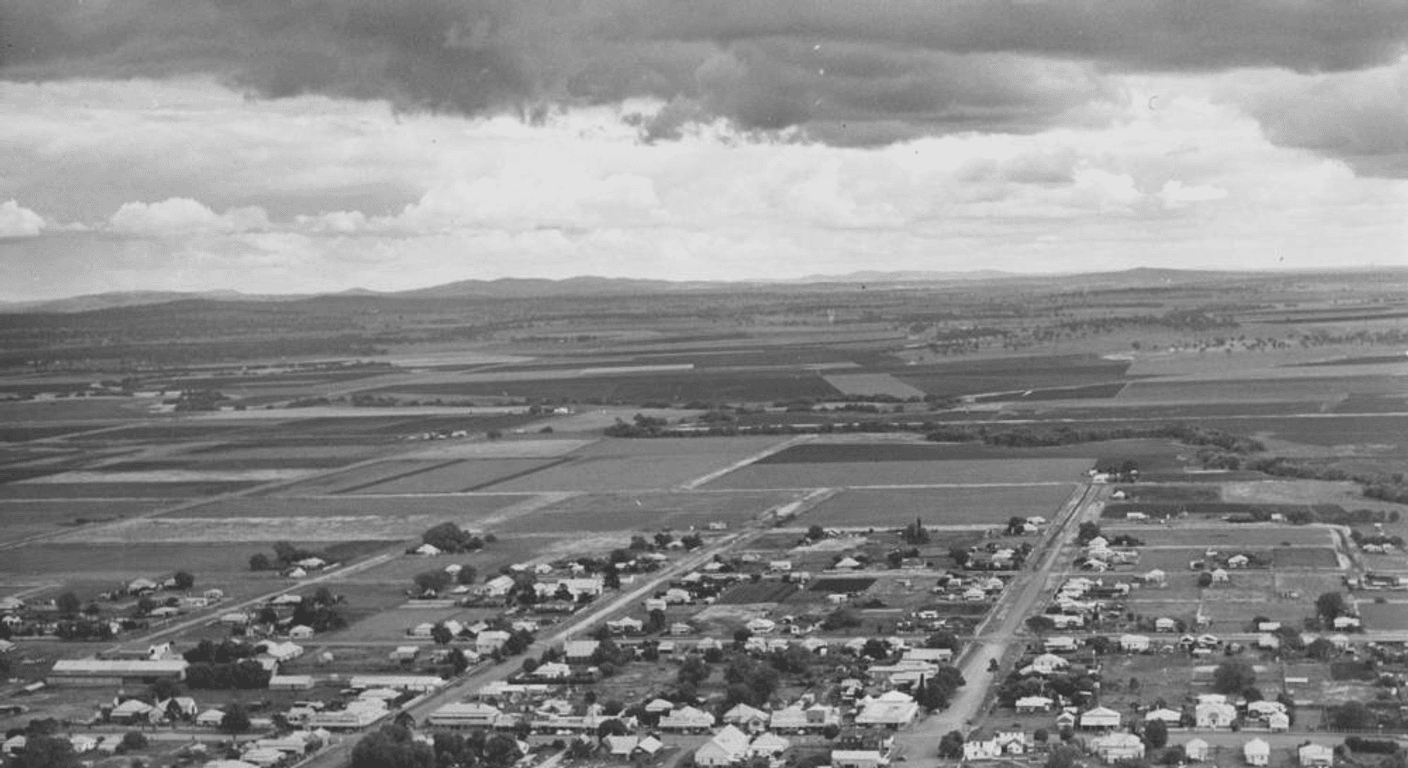
Palmerin Street is Warwick's main commercial spine, and it still reads as a genuine nineteenth-century streetscape rather than a heritage theme. The buildings are predominantly local sandstone — that warm, honey-coloured Queensland freestone quarried nearby — and many date from the 1880s to the early 1900s. The Warwick Post Office, the Town Hall, and several former bank buildings give the street a civic weight that's rare in towns this size.
Walking the full length of Palmerin Street and the surrounding blocks takes around forty minutes at a relaxed pace, longer if you stop to read the interpretive signage installed along the heritage trail. The footpaths are sealed and level. There's a bench or two when you want one. In spring, the street plantings include roses in bloom — a small but genuine reward for timing your visit right.
The surrounding blocks reveal Warwick's colonial-era confidence: churches in sandstone, a courthouse, federation-era shopfronts. It's a precinct that rewards slow attention rather than rushing through with a checklist. Bring comfortable shoes and, in spring, a light jacket for the morning.
Pringle Cottage Museum: Colonial Rooms Worth Your Time
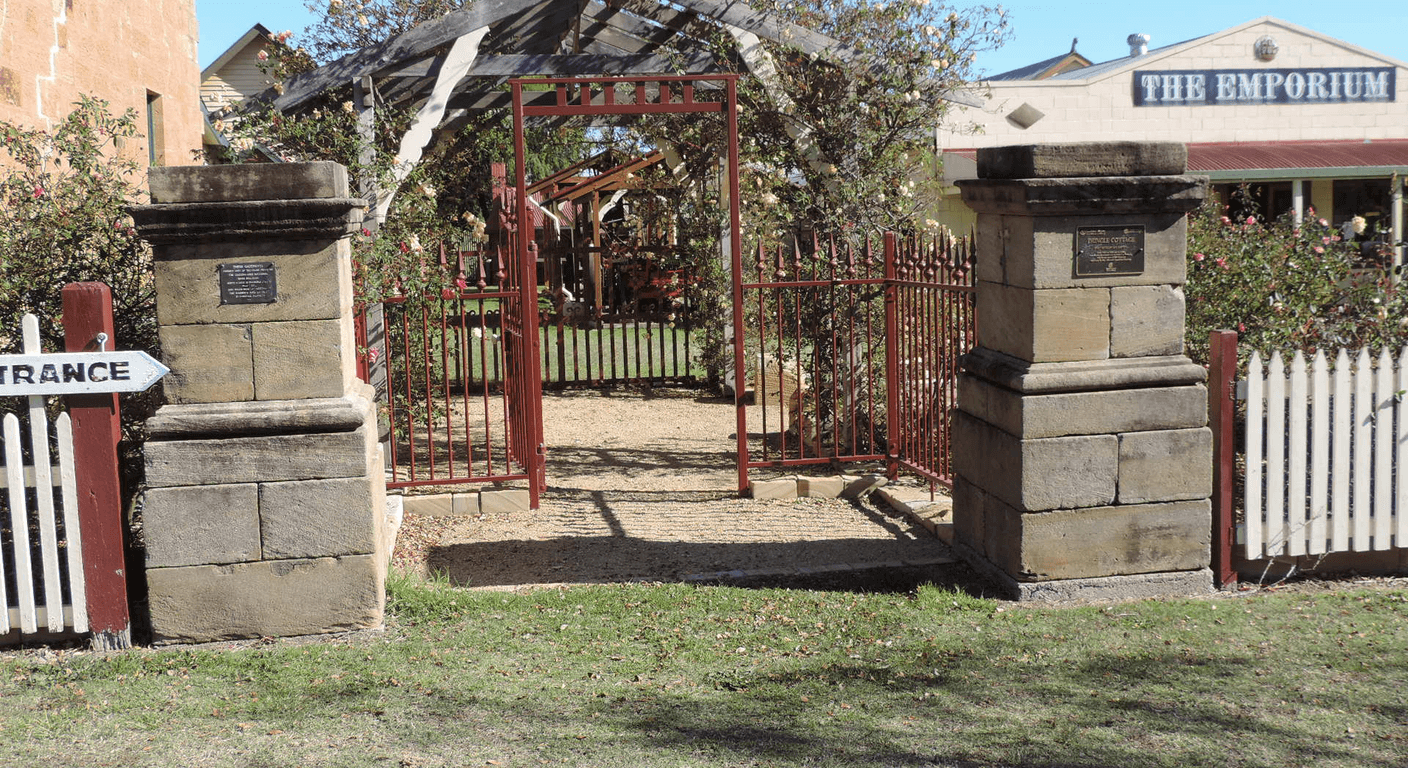
Pringle Cottage, managed by the Warwick Historical Society, is one of those small regional museums that punches above its entry fee. The cottage dates from the 1870s and its rooms are furnished to reflect domestic life in the colonial Darling Downs — not the grand pastoral life of the squatter class, but the everyday material world of a family of modest means. That specificity is what makes it interesting.
Entry is around $10 — confirm current pricing with the Historical Society before you visit, as volunteer-run hours can vary. The cottage is not large, but a thorough look takes forty-five minutes to an hour. The volunteers who staff it tend to know their subject well; a conversation with one of them about the district's history is worth factoring into your time. It's the kind of place where asking a question leads somewhere unexpected.
Accessibility inside the cottage is limited by the nature of the historic structure — narrow doorways and period flooring are characteristic of the building. If mobility is a significant consideration, confirm details with the Historical Society directly before visiting. The garden surrounding the cottage is accessible and pleasant in its own right.
Warwick Art Gallery: Free, and Worth It
The Warwick Art Gallery operates as a free public gallery and holds a permanent collection alongside a rotating program of temporary exhibitions. The collection has a regional Queensland focus, with works that reflect the landscape and history of the Darling Downs. It's not the Queensland Art Gallery, but that's not the point — this is a place scaled to a morning visit, without the fatigue that comes from a major institution.
The gallery is housed in a building that's comfortable to move through, with good natural light in the main exhibition spaces. Check the Southern Downs Regional Council website for current exhibition details before visiting, as the program changes across the year. Entry is free, which makes it an easy inclusion regardless of how the rest of the day is paced.
For a solo traveller, a gallery offers something a heritage walk doesn't — the option to sit with something quietly, without performance. Warwick's gallery is that kind of space.
The Rose Gardens: Leslie Park and the Seasonal Case for Spring
Leslie Park is the centrepiece of Warwick's rose identity. The park contains a substantial collection of rose varieties and reaches peak bloom from mid-September through to November, with October generally the most reliable window. The display is genuine — this isn't a token rose bed beside a car park, but a considered garden that takes some walking to appreciate fully. Paths through the park are flat and paved.
Warwick hosts a Rose and Rodeo Festival each spring — typically in late October — which draws visitors and adds some activity to the town centre. It's worth knowing about for planning purposes: if you prefer the gardens without the festival crowd, aim for early-to-mid September or the first two weeks of November. Either end of the bloom season still delivers colour, and considerably more peace.
The roses along Palmerin Street and the surrounding streetscape complement Leslie Park, so a morning circuit that moves between the two gives the fullest sense of why the Rose City name has stuck. By mid-morning the light is good for photography and the temperature on the Downs is comfortable well into November.
Getting to Warwick from Brisbane — and from Victoria
From Brisbane, Warwick is roughly a two-hour drive southwest via the Cunningham Highway. For a traveller without a car, Greyhound Australia operates coach services from Brisbane's Roma Street station to Warwick — journey time is around two and a half to three hours, and fares run indicatively around $30–$45 one way. Confirm current timetables and fares directly with Greyhound before booking, as regional services can change.
From Victoria, the practical route involves flying Brisbane–Melbourne or Melbourne–Brisbane (around two hours), then travelling to Warwick by hire car or coach. Flying into Brisbane, collecting a hire car at the airport, and driving directly to Warwick is a manageable arrival day — the drive from Brisbane Airport to Warwick is around two and a quarter hours on mostly divided highway. Build in a rest afternoon on arrival rather than trying to sightsee on travel day.
Warwick has a small selection of motels and a couple of heritage-style guesthouses along the main approaches to town. Accommodation is generally affordable by Queensland standards — indicatively $120–$180 per night for a comfortable motel room, though confirm current rates. The town is compact enough that location matters less than it might elsewhere; most options are within easy reach of the precinct.
Practical Notes for the Day
A full day in Warwick — Pringle Cottage in the morning, lunch in the precinct, the art gallery in the early afternoon, Leslie Park before the light drops — is a satisfying structure that doesn't feel rushed. If you're day-tripping from Brisbane, an early coach departure and a late afternoon return works, though an overnight stay allows for a morning walk through the park before the town wakes up, which is its own reward.
The Southern Downs climate is cooler and drier than coastal Queensland. In spring, daytime temperatures sit in the low-to-mid twenties — comfortable for walking — but mornings and evenings can be brisk. A light layer is sensible. In summer, temperatures can climb significantly; spring and autumn are the preferred visiting windows.
Travel insurance with pre-existing condition coverage is worth reviewing for any interstate trip, even a domestic one. The nearest major hospital is in Toowoomba, around an hour north. Warwick has a district hospital for less serious needs. None of this should deter a visit — it's simply worth knowing the geography.
Quick planning guide
| Ideal pace | Slow-paced and unhurried |
|---|---|
| Best months | September to November, with October the peak rose bloom |
| Suggested stay | Two nights, or a full day trip from Brisbane |
| Mobility level | Easy — flat, paved heritage precinct; Pringle Cottage has narrow doorways and period flooring |
| Cost level | Budget-friendly — entry fees under $15, motels around $120–$180 a night |
| Comfort level | Quiet and uncrowded, even during spring bloom season |
| Best for | Solo travellers, heritage enthusiasts and rose-garden visitors |
| Main planning consideration | Confirm Greyhound coach timetables and Pringle Cottage volunteer hours before travelling |
Key takeaways
- Warwick's heritage precinct is flat, paved and walkable — one of the more accessible regional streetscapes in Queensland for older travellers.
- The rose season peaks in October, but early September and November offer the same bloom with fewer visitors.
- Pringle Cottage Museum costs around $10 entry and delivers genuine colonial-era domestic history — confirm hours before visiting as they can vary.
- Warwick Art Gallery is free and holds rotating exhibitions alongside a permanent regional collection.
- From Brisbane, Warwick is roughly two hours by car or two and a half to three hours by Greyhound coach from Roma Street.
- A two-night stay gives the unhurried pace the town deserves — one day for the heritage precinct, one for Leslie Park and slower exploration.
Recommended partners and links
Indicative prices only — always confirm with the operator before booking.
Frequently asked questions
When is the best time to visit Warwick for the rose gardens?
The roses in Leslie Park and along Palmerin Street peak from mid-September through to November, with October typically the most reliable month for full bloom. Early September and the first two weeks of November offer good colour with smaller crowds than the festival period in late October.
How do you get to Warwick from Brisbane without a car?
Greyhound Australia runs coach services from Brisbane's Roma Street station to Warwick. Journey time is roughly two and a half to three hours, with indicative fares around $30–$45 one way. Confirm current timetables and pricing at greyhound.com.au before booking.
Is Warwick suitable for travellers with mobility considerations?
The main heritage precinct around Palmerin Street is flat and well-paved, making it one of the more accessible regional town centres in Queensland. Leslie Park paths are also flat. Pringle Cottage Museum has some limitations due to its historic structure — contact the Warwick Historical Society directly to confirm accessibility details before visiting.
How much does it cost to visit Warwick's main attractions?
The Warwick Art Gallery is free. Pringle Cottage Museum charges around $10 for entry — confirm current pricing with the Warwick Historical Society, as volunteer-run hours and fees can change. Leslie Park is a public space with no entry cost. Most of a day in Warwick can be covered for well under $15 in attraction entry fees.
Is Warwick worth an overnight stay or is it a day trip only?
Warwick works as a long day trip from Brisbane, but an overnight stay — or ideally two nights — allows for a more relaxed pace. A morning walk through Leslie Park before the town wakes up, an unhurried lunch, and time to sit with the gallery without watching the clock all become possible with an extra night. Accommodation is generally affordable, running indicatively around $120–$180 per night for a comfortable motel — confirm current rates when booking.