Southeast of Brisbane, Wellington Point and Cleveland offer a low-key bayside day built around the King Island sandspit walk, only passable within two hours of low tide. Best visited April to October for cooler, less humid weather, the outing suits a half-day or full day, with an optional overnight in Cleveland. Terrain is flat and easy, reached by a roughly 45-minute train from Brisbane CBD on Queensland's 50-cent flat fare, making it simple and inexpensive to access.
Why the Redlands Bayside suits a day out from Brisbane
The Redlands coast doesn't announce itself. There are no cable cars, no ticketed attractions, no queues. What there is: a flat, bay-facing shoreline lined with Norfolk Island pines, a pair of suburbs that have kept their character, and a tidal oddity that gives the day a genuine centrepiece. For a traveller based in Melbourne visiting Brisbane — perhaps combining it with a longer Queensland stay — this makes for an excellent slow day between bigger events.
The practical case is almost embarrassingly good. Queensland's flat 50-cent public transport fare means the entire journey from Brisbane CBD to Wellington Point, and then across to Cleveland, costs effectively nothing. The train runs on the Cleveland line from Roma Street or Central Station; the trip to Wellington Point station takes around 45 minutes. From there, a short bus or taxi ride reaches the reserve. Confirm current timetables at translink.com.au before the day, as services can vary on weekends.
Both suburbs are flat. The reserves are sealed or compacted gravel. The only variable terrain is the sandspit itself, and that's a matter of wet sand and shallow water — manageable in sensible shoes, not a challenge. For anyone who finds steep hills or long walks a consideration, this day is designed almost accidentally in your favour.
The King Island sandspit walk: timing is everything
At Wellington Point Reserve, a sandspit extends from the tip of the point toward King Island — a low, scrubby island roughly 800 metres offshore. Around low tide, the sandspit becomes walkable. Not always dry, but walkable: expect wet sand, occasional shallow puddles and the mild comedy of misjudging a step. Wear shoes you don't mind getting damp. Thongs are a poor choice; light trail shoes or old sneakers are sensible.
The walk itself is perhaps 15 to 20 minutes each way at an easy pace. King Island has no facilities — no café, no toilets, no shade structure — but it has something better: the sensation of standing in the middle of Moreton Bay with water on all sides, pelicans overhead and Brisbane's skyline faint on the horizon. It's the kind of simple experience that stays with you longer than it has any right to.
The critical step is checking tide times before you leave home. The Bureau of Meteorology publishes accurate tide predictions for the Moreton Bay area at bom.gov.au. Aim to arrive at the reserve within two hours either side of low tide. The sandspit submerges at high tide — not dangerously, but completely. If you arrive at the wrong time, the island simply isn't there. It's worth building the whole day's schedule around the tide, not the other way around.
Wellington Point Reserve: the flat, the jetty and the pines
Even without the island walk, Wellington Point Reserve is worth an hour. The foreshore path runs beneath a row of mature Norfolk Island pines — the kind that line every decent Queensland beachfront and cast a particular dappled light in the morning. The old jetty extends into the bay; fishermen work it most days, and the pelicans are shameless in their expectations.
There are a couple of cafés within easy reach of the reserve, useful for a coffee before the sandspit walk or a sit-down after. None are destination dining, but they're honest and the water views are included in the price. The reserve has public toilets, which is a practical detail worth knowing before you commit to the walk to the island.
The suburb itself is quiet residential. There's no particular reason to wander far from the reserve, and no need to. The appeal here is the bay, the light and the tidal walk. Save the appetite for Cleveland.
Cleveland Point: the lighthouse and the fish and chips
A short bus ride south from Wellington Point brings you to Cleveland, and specifically to Cleveland Point — a headland reserve at the end of Middle Street where Queensland's oldest surviving lighthouse stands. Built in 1864 from timber, it's a modest structure by lighthouse standards: white, square-based, unpretentious. It no longer operates as a working light, but it's been carefully maintained and the setting, with Stradbroke Island across the water and the bay opening up to the south, is genuinely lovely.
The lighthouse is managed by the National Trust of Queensland and is occasionally open for inspection — check nationaltrust.org.au for current access arrangements before visiting, as opening days and hours vary. Even when it's not open inside, the reserve around it is accessible and the views across to North Stradbroke Island (Minjerribah) are clear on most days.
Directly adjacent to the lighthouse — close enough that the view from your table includes it — is a fish and chips operation that has become something of a regional institution. The format is simple: order at a counter, eat at a picnic table or on the grass, watch the bay. It's the kind of meal that benefits from its location in ways that no kitchen can replicate. Indicative prices for a standard serve of fish and chips are roughly $15–$22; confirm current pricing on arrival. Arrive slightly before or after the midday peak for a shorter wait.
The Grand View Hotel: a proper Queensland pub lunch
A few minutes' walk from the point, the Grand View Hotel on Shore Street West has been serving Cleveland since 1851, which makes it one of Queensland's oldest licensed premises still in operation. The building has been through various incarnations, but the current version retains a broad veranda, bay views and the particular atmosphere of a Queensland pub that hasn't tried too hard to be anything other than a pub.
The bistro serves a reliable pub menu — steaks, seafood, parmas, salads — with views across the bay toward Stradbroke Island. For a solo traveller, a seat at the bar or a table on the veranda with a cold Queensland beer and a decent meal is one of the more comfortable midday situations available in the region. Main meals are indicatively in the $28–$42 range; confirm the current menu at grandviewhotel.com.au. Lunch service typically runs through to mid-afternoon, which suits a bayside pace.
the Grand View is a local's pub, not a tourist operation. The service is friendly in the Queensland manner — unhurried, genuine — and there's no background music engineered to make you feel like you're on holiday. You're just at a good pub by the water. That's enough.
Getting there from Brisbane — and from further south
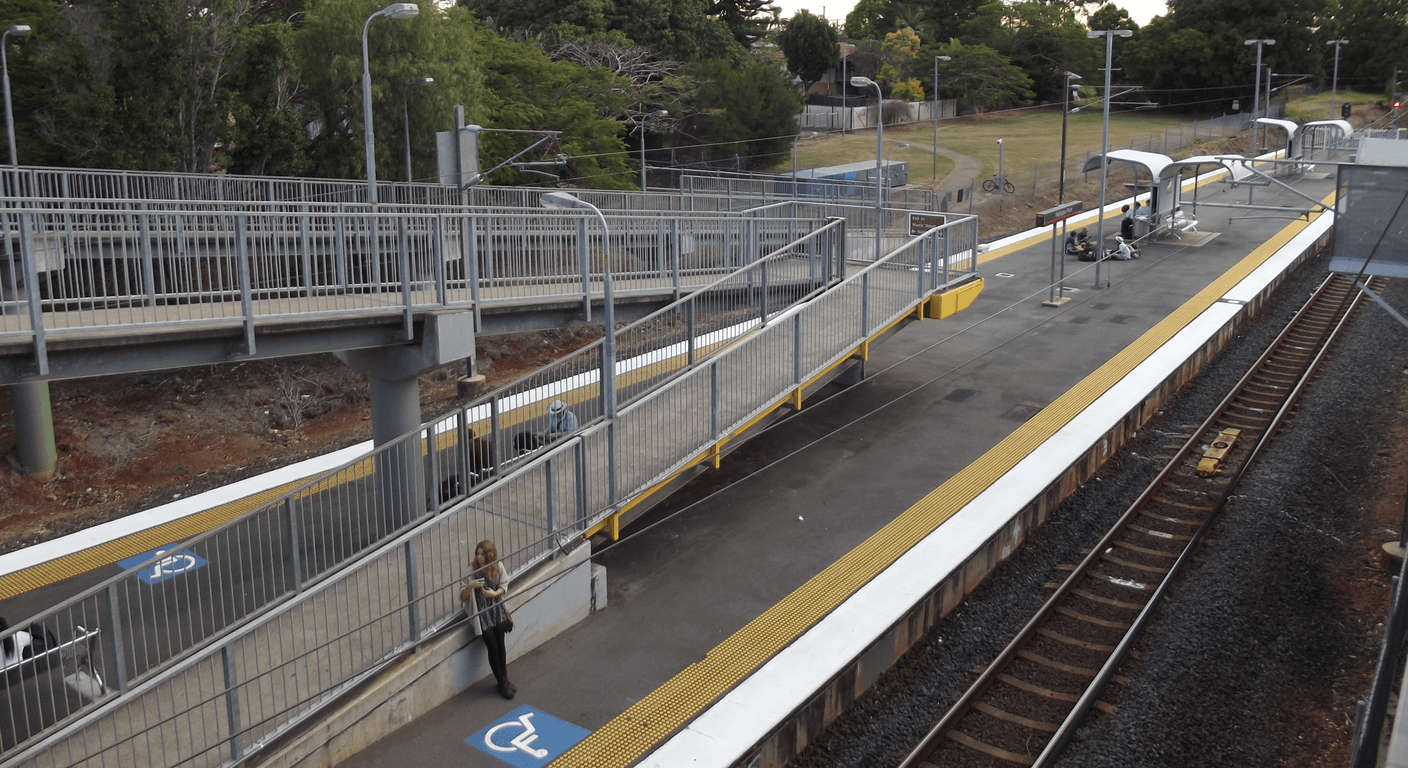
From Brisbane CBD, the Cleveland train line runs directly from Roma Street, Central and South Bank stations. Alight at Wellington Point station for the reserve and island walk, then continue (or return and re-board) to Cleveland station for the lighthouse and pub. The full rail journey from Central to Cleveland takes around 50 minutes. From Wellington Point to Cleveland by rail is roughly 10 minutes. Bus connections from both stations to the waterfront are available; check specific routes and times at translink.com.au, as weekend frequency differs from weekdays.
For a traveller flying up from Melbourne, the Tullamarine to Brisbane flight takes around two and a half hours. Jetstar, Qantas and Virgin Australia all fly the route, with indicative return fares varying considerably by season and booking window — compare at the airlines' own sites. Brisbane Airport connects to the CBD via the Airtrain, which links to the Cleveland line. A single day trip is entirely feasible from Brisbane accommodation; alternatively, a night in Cleveland itself (there are several motel options) makes for a more relaxed two-day version with time to catch the morning light on the bay.
For travellers with pre-existing medical conditions — as many in their late sixties will have — domestic travel insurance is still worth carrying for flight disruptions and medical incidents. Check that your policy covers the specific conditions you're managing, and carry a brief medical summary when travelling solo. It's a small habit with disproportionate value.
Afternoon light, sea breezes and the shape of a good day
The Redlands bayside faces east and northeast, which means the morning light falls flat and golden across the water and the afternoon brings a reliable sea breeze off the bay. By two or three in the afternoon, the heat (even in the cooler months) has usually eased and the light on the water turns interesting. It's a good reason not to rush back to Brisbane on the first post-lunch train.
Between April and October, afternoon temperatures at Cleveland are typically in the low to mid-twenties — comfortable for sitting outside without Queensland's summer humidity, which in January and February can make the same walk feel considerably less appealing. The cooler months are the clear choice for visitors from southern states who prefer to avoid the subtropical summer.
The shape of the day writes itself around the tide: check the low-tide window, build the Wellington Point visit around it, walk to King Island, come back for a coffee, catch the bus to Cleveland, do the lighthouse, eat fish and chips by the water, have a beer at the Grand View, and take the train home in the late afternoon with the bay behind you. Simple days are often the ones that sit well in memory.
Quick planning guide
| Ideal pace | Slow and unhurried, built around tide times |
|---|---|
| Best months | April to October, for cooler, low-humidity conditions |
| Suggested stay | Half-day to full day; overnight in Cleveland for a relaxed two-day version |
| Mobility level | Easy - flat, sealed or compacted paths, tidal sand walk in sensible shoes |
| Cost level | Budget-friendly - 50-cent flat transport fare, casual meals roughly $15-$42 |
| Comfort level | Casual and relaxed, no queues or tickets |
| Best for | Travellers who prefer substance over spectacle, solo travellers, those wanting a low-effort day out |
| Main planning consideration | Check BOM tide times so the Wellington Point visit aligns with low tide for the King Island walk |
Key takeaways
- The King Island sandspit walk at Wellington Point is only possible around low tide — check BOM tide times before planning the day.
- Queensland's 50-cent public transport flat fare makes the entire Wellington Point to Cleveland journey from Brisbane CBD cost next to nothing.
- Cleveland Point's 1864 timber lighthouse is one of Queensland's oldest surviving examples — check National Trust for current opening times.
- The fish and chips at Cleveland Point lighthouse are a regional institution best enjoyed at a picnic table with the bay in front of you.
- The Grand View Hotel has been licensed since 1851 and remains a genuine Queensland pub with bay views and a reliable bistro menu.
- April to October is the preferred window for visitors from southern states — lower humidity, comfortable temperatures and reliable clear days.
Recommended partners and links
Indicative prices only — always confirm with the operator before booking.
Frequently asked questions
When can you walk to King Island at Wellington Point?
The sandspit to King Island is only accessible around low tide, roughly within two hours either side. The Bureau of Meteorology publishes Moreton Bay tide predictions at bom.gov.au — check these before leaving home and build your arrival at Wellington Point Reserve around the low-tide window.
What shoes should you wear for the King Island sandspit walk?
Wear shoes you don't mind getting wet — light trail shoes or old sneakers are ideal. The sandspit involves wet sand and occasional shallow water. Thongs or sandals are a poor choice and bare feet on sharp shell fragments are uncomfortable.
How do you get from Brisbane to Wellington Point and Cleveland by public transport?
Take the Cleveland line train from Roma Street, Central or South Bank stations in Brisbane CBD. Alight at Wellington Point station for the reserve, or continue to Cleveland station for the lighthouse and town centre. The trip from Central to Cleveland takes around 50 minutes. Bus connections run from both stations to the waterfront — confirm routes and weekend timetables at translink.com.au.
Is the Cleveland lighthouse open to visit?
The 1864 timber lighthouse at Cleveland Point is managed by the National Trust of Queensland and is occasionally open for inspection, but hours and days vary. Check nationaltrust.org.au for current access information before visiting. The surrounding reserve and bay views are accessible at any time.
Is this day trip suitable for travellers with limited mobility?
Yes — both Wellington Point Reserve and Cleveland Point are flat with sealed or compacted paths. The King Island sandspit walk involves wet sand and is best done in supportive footwear, but it's a gentle, level surface. Anyone who finds uneven terrain difficult can simply enjoy the reserve and jetty views without attempting the island walk.