December splits Australia into a warm, dry south — Victoria, Tasmania, South Australia — and a humid, storm-prone tropical north entering wet season. Best value and lightest crowds fall between 1 and 18 December; pace trips with a rest day per leg over one to two weeks. Highlights include Melbourne's flat Christmas Lights Spectacular and Tasmania's mild days and long evenings. Mobility is easy to moderate, reached by domestic flight or car, and Kyoto, the international option, needs a 12–14 hour flight via Tokyo.
How December actually works for Australian travellers over 50
December is a tale of two climates. South of the Tropic of Capricorn, the country settles into long-day summer — warm, dry in most regions, and genuinely pleasant in the first three weeks of the month. North of that line, the wet season arrives with humidity, afternoon thunderstorms and the occasional cyclone watch. Neither reality is a reason to stay home. They're just reasons to choose deliberately.
The pricing reality deserves plain talk. December is Australia's most expensive domestic travel month. Flights and accommodation climb steadily from early December, then spike sharply in the week before Christmas and again between Christmas and New Year. Travelling between 1 and 18 December — or after 3 January — gives you meaningfully better value and noticeably thinner crowds at popular sites. If your dates are fixed over the holiday period itself, book as far ahead as possible and confirm cancellation conditions carefully.
For solo women travelling independently, December has practical advantages: long daylight hours, busy public spaces that feel naturally safe, and many cultural institutions running extended summer programs. The key is pacing. A relaxed itinerary with a proper rest day after each travel leg, and accommodation booked in walkable precincts, makes the month genuinely enjoyable rather than exhausting.
Victoria: Christmas light trails and a coast that's still breathing
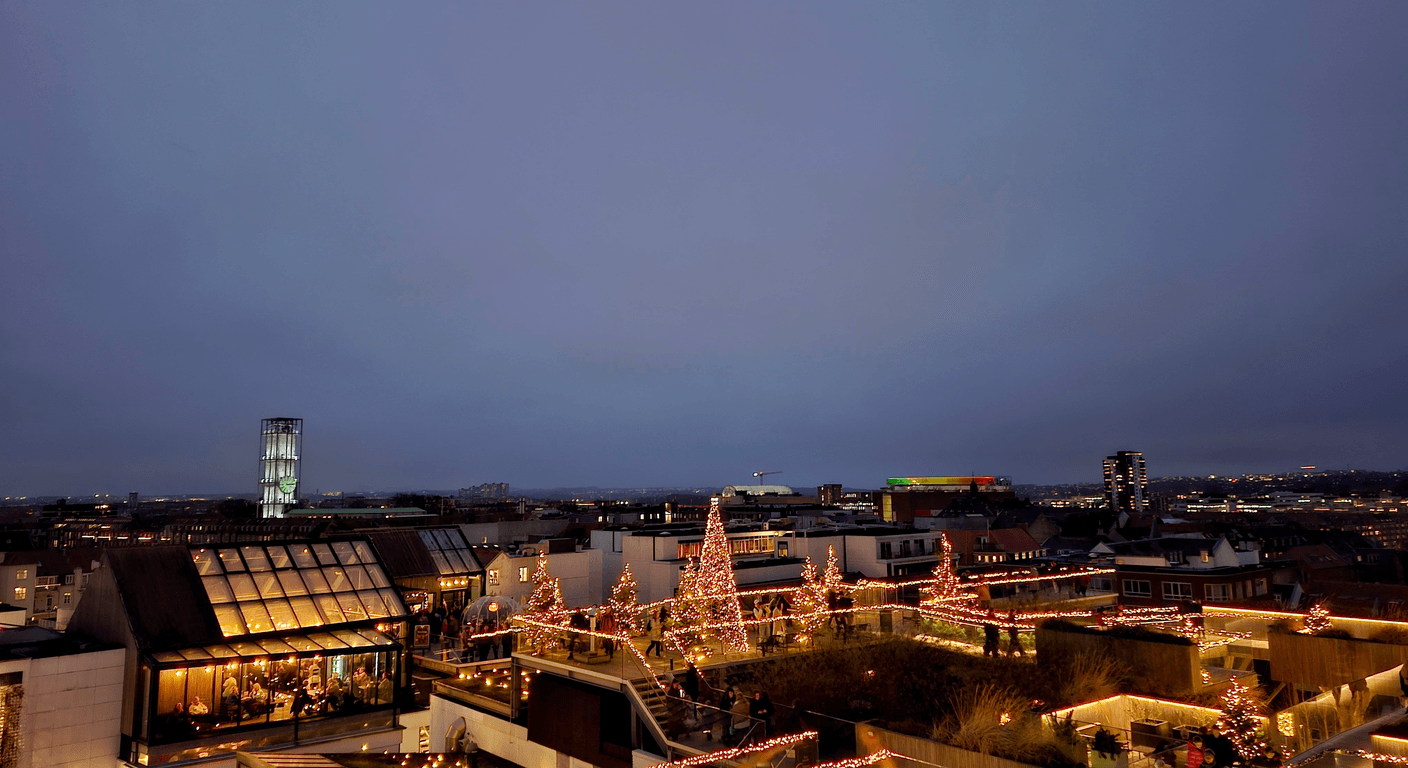
Victoria in early December is underrated. Melbourne's Royal Botanic Gardens hosts its annual Christmas Lights Spectacular — a walking trail through illuminated gardens that suits a warm summer evening perfectly. The paths are sealed and largely flat, and the event typically runs from early December through to Christmas. Check current dates and ticketing at whatson.melbourne.vic.gov.au before booking, as programming details vary year to year.
Beyond the city, the Mornington Peninsula and the Great Ocean Road corridor are worth considering before the school holiday wave arrives. Lorne and Aireys Inlet are particularly good in the first two weeks of December: the beaches aren't yet packed, the restaurants are open and unhurried, and the cliff walks above the coast offer genuinely fine views without the summer scramble. The Great Ocean Road itself is best driven from the Geelong end westward, with a stop at Kennett River for the resident koala colony in the roadside eucalypts — a detail that rarely disappoints.
Accommodation on the Peninsula and along the Great Ocean Road books out quickly for the Christmas–New Year window. If those dates are unavoidable, Torquay and Anglesea offer more supply than the smaller towns further west. Indicative nightly rates for quality accommodation in early December sit around $200–$350; that figure roughly doubles over the holiday peak. Always confirm current pricing directly with properties.
Tasmania: cool air, long evenings and an island pace
Tasmania in December is one of Australia's more quietly satisfying choices. The temperatures are mild — Hobart typically sits in the low-to-mid 20s during the day — and the long southern-latitude evenings mean you're still eating outdoors at 8pm in genuine daylight. The island doesn't have the same scorching peak as the mainland, which makes it physically easier for travellers who prefer comfortable warmth to full summer heat.
Hobart's waterfront precinct around Salamanca Place is the natural base. The Saturday market runs year-round, MONA is accessible by river ferry from the city wharves (confirm current ferry schedules at mona.net.au), and the Tasman Peninsula — about an hour and a half southeast — holds Port Arthur Historic Site, one of the country's most thoughtfully interpreted convict heritage sites. The walk around the main grounds is largely flat; the broader Tasman National Park involves more active terrain, so assess your comfort level before committing to coastal tracks.
December does bring the Sydney to Hobart yacht race fleet into Constitution Dock around 30 December — a genuinely spectacular sight that draws crowds to the waterfront. If you're there for it, book accommodation well in advance and accept that Hobart's normally relaxed atmosphere shifts dramatically for a few days. For those who prefer calm, the first three weeks of December are the sweet spot. Discover Tasmania's official site at discovertasmania.com.au is the most reliable starting point for current accommodation listings and touring options.
South Australia: the Flinders Ranges and the Barossa in early summer
South Australia splits usefully in December. Adelaide and the wine regions — the Barossa Valley, McLaren Vale, Clare Valley — are warm and dry, with long-established tourism infrastructure that suits independent travellers. December is harvest preparation season in the vineyards, which means cellar doors are active and estates are often hosting events. The Barossa is about an hour north of Adelaide by car; a guided day tour is a practical option for those not wanting to drive.
Further north, the Flinders Ranges are best visited in the cooler months — April through October — and December heat in the outback can be serious. Daytime temperatures at Wilpena Pound regularly exceed 35 degrees in December. This is honest advice, not a deterrent: the Flinders in summer is viable if you travel early in the day, stay in air-conditioned accommodation, and are genuinely comfortable with outback conditions. If there's any uncertainty, save the Flinders for a cooler return trip.
Kangaroo Island, accessible by ferry from Cape Jervis south of Adelaide, is a strong December option for wildlife and coastal scenery. The ferry crossing takes around 45 minutes; confirm current schedules and fares at sealink.com.au. Much of Flinders Chase National Park is still recovering from the 2019–20 fires, and regeneration is well underway — the island's wildlife, including sea lions at Seal Bay, is as present as ever. Seal Bay Conservation Park is operated by the South Australian National Parks and Wildlife Service; check current entry and tour details at parks.sa.gov.au.
Queensland and the tropical north: wet season with eyes open
The wet season in tropical Queensland is one of those things that's simultaneously a reason to pause and a reason to go. Cairns and the Daintree receive the bulk of their annual rainfall between November and April, with humidity consistently high and afternoon storms a near-daily occurrence. The reef is still diveable — operators run year-round, and water visibility is often excellent — but marine stinger season is in full effect, so swimming outside stinger nets at patrolled beaches requires a full-body lycra suit. Confirm current conditions with operators and check Queensland Parks and Wildlife Service advice at parks.des.qld.gov.au.
What the wet season does offer is lushness. The waterfalls above Cairns — Millaa Millaa, Josephine Falls, the Atherton Tablelands circuit — are at their most dramatic in December. The roads can become impassable after heavy rain, which is why checking conditions before heading inland is non-negotiable rather than merely advisable. Tour operators based in Cairns run guided tablelands day trips that handle the logistics; this is a practical choice for solo travellers.
The Whitsundays, sitting just south of the wet season's intensity, are a more comfortable December option. Hamilton Island and Airlie Beach receive less rainfall than Cairns and retain their appeal for island-hopping and sailing day trips. That said, cyclone season officially runs from November to April across Queensland's coast — travel insurance that covers weather-related disruptions and pre-existing medical conditions is not optional in this context. Compare policy options carefully before booking.
One international pick: Japan's Kansai region in December
For Australians over 50 considering an international December trip, Japan's Kansai region — Kyoto, Osaka and Nara — offers something genuinely different from the summer-everywhere Australian context. December in Kansai is cold and clear, with temperatures in Kyoto typically ranging from around 5 to 12 degrees during the day. The autumn foliage (koyo) that draws enormous crowds in November has largely passed by December, which means the temple precincts and bamboo groves are noticeably quieter. Pack warm layers; the cold is dry and manageable rather than brutal.
From Melbourne, the most common routing is via Tokyo (Narita or Haneda) or Hong Kong, with total travel time of roughly 12–14 hours to Tokyo and a further connecting flight or shinkansen to Osaka. A direct Melbourne–Osaka service operates via Japan Airlines (confirm current schedules at jal.com); from Sydney, options are broader. Allow a full recovery night on arrival before planning any serious sightseeing. Jet lag eastward is generally more manageable for Australians than the return journey, but a slow first day is still wise advice.
Kyoto's Fushimi Inari Taisha is best visited at dusk in December — the vermillion torii gates lit against a darkening sky, with the worst of the day-trip crowds gone. The walk to the upper shrine is around two hours return and involves steady uphill sections; the lower section alone, perhaps 30–40 minutes return, is still worth the visit if sustained climbing isn't comfortable. The Japan National Tourism Organization at japan.travel/en/au has practical planning information for Australian visitors, including visa details — confirm current entry requirements before booking, as these can change.
Getting the practicalities right for December travel
Travel insurance in December deserves particular attention. Cyclone cover for tropical Queensland destinations, pre-existing medical condition coverage for international travel, and cancellation protection given the high accommodation costs are all worth reading carefully in any policy. The Australian Government's Smartraveller service at smartraveller.gov.au is the authoritative source for current travel advisories and entry requirements for all international destinations.
For solo travellers, December's long daylight hours are a practical asset — arriving in a new city at 7pm still means you're navigating in daylight, which makes orientation considerably easier. Staying in well-located, centrally managed accommodation rather than isolated rentals is a sensible choice for solo women in unfamiliar cities. Many boutique hotels in Australian capitals and in Kyoto offer concierge support that's genuinely useful for day-trip logistics and restaurant reservations.
Currency and costs: December is not a budget month for Australian domestic travel. Flights between major cities can be two to three times their off-peak price in the week before Christmas. The practical solution is flexibility on dates — shifting a departure by four or five days either side of peak periods can save several hundred dollars. For Japan, the Australian dollar has shown reasonable strength against the yen in recent periods, making the destination comparatively good value; confirm current exchange rates with your bank or a currency service before travelling.
Quick planning guide
| Ideal pace | Relaxed, with a rest day built in after each travel leg |
|---|---|
| Best months | 1–18 December for the best value and lightest crowds; approach the tropical north cautiously due to wet season storms |
| Suggested stay | One to two weeks, depending on how many regions are combined |
| Mobility level | Moderate — many key walks are flat and sealed, but some sites (Tasman National Park tracks, the upper Fushimi Inari climb) require good fitness |
| Cost level | Premium — December is Australia's most expensive domestic travel month, especially Christmas–New Year |
| Comfort level | High in the southern states; more demanding in tropical Queensland due to heat, humidity and storm risk |
| Best for | Over-50 travellers, including solo women, who plan ahead and choose their region deliberately |
| Main planning consideration | Book accommodation and flights early, travel 1–18 December where possible, and check cyclone and wet-season conditions before heading to Queensland |
Key takeaways
- Travelling before 18 December gives over-50s meaningfully better pricing and lighter crowds at Australia's most popular summer destinations.
- Tasmania's mild December temperatures and long evening light make it one of the most physically comfortable summer destinations in the country.
- Tropical Queensland's wet season is real — travel insurance covering weather disruption is essential, not optional, for Cairns and Whitsunday bookings.
- Japan's Kansai region in December offers cold, clear weather and noticeably fewer tourists once the November autumn foliage crowds have dispersed.
- The Flinders Ranges are best left for cooler months — December outback heat regularly exceeds 35 degrees and demands serious preparation.
- Solo women travelling in December benefit from long daylight hours; centrally located accommodation in walkable precincts is the smartest practical choice.
Recommended partners and links
Indicative prices only — always confirm with the operator before booking.
Frequently asked questions
Is December a good time to visit Australia for travellers over 50?
Early December — roughly the first two to three weeks — is a good time to visit southern Australia, including Victoria, Tasmania and South Australia. Temperatures are warm but not extreme, crowds are lighter than the Christmas peak, and pricing is more reasonable. Tropical Queensland enters wet season in December, which suits some travellers but requires careful planning and flexible insurance. Avoid travelling over the Christmas–New Year window unless booked well in advance.
Where is the best place in Australia to spend December if you prefer cooler weather?
Tasmania is the best choice for over-50 travellers who prefer mild rather than hot summer conditions. Hobart's December daytime temperatures typically sit in the low-to-mid 20s Celsius, the evenings are long and pleasant, and the island's pace suits unhurried exploration. The Barossa Valley and Adelaide Hills in South Australia are also comfortable in early December before temperatures climb later in the month.
What is the weather like in Cairns and tropical Queensland in December?
December marks the beginning of the wet season in tropical Queensland. Cairns and the Daintree receive high humidity and frequent afternoon thunderstorms. Marine stingers are present in coastal waters, requiring protective suits for ocean swimming outside patrolled nets. The waterfalls and rainforest scenery are at their most dramatic during the wet season, but road access to some areas can be disrupted after heavy rain. Always check current conditions before travelling inland.
Is Japan a good destination for Australians in December?
Japan's Kansai region — Kyoto, Osaka and Nara — is a strong December choice for Australian travellers over 50. The November autumn foliage crowds have largely passed, temples and gardens are quieter, and the cold, dry weather is manageable with warm layers. From Melbourne and Sydney, flights route via Tokyo or Hong Kong with total travel times of around 12–14 hours to Tokyo. Allow a recovery night on arrival. Confirm current visa requirements at smartraveller.gov.au before booking.
How far ahead should over-50 travellers book December accommodation in Australia?
For travel in the first two to three weeks of December, booking three to four months ahead is advisable for popular destinations like the Mornington Peninsula, Hobart and the Whitsundays. For travel over Christmas and New Year (23 December to 2 January), six months ahead is realistic for quality accommodation at reasonable prices. Accommodation costs in Australia's peak summer holiday period are significantly higher than at other times of year — confirm current pricing directly with properties.
- Visit Victoria — official Victorian tourism information
- Discover Tasmania — official Tasmanian tourism information
- South Australian Tourism Commission
- Tourism Australia — official national tourism site
- What's On Melbourne — City of Melbourne events
- MONA — Museum of Old and New Art, Hobart
- SeaLink — Kangaroo Island ferry services
- National Parks South Australia — parks.sa.gov.au
- Queensland Parks and Wildlife Service
- Japan National Tourism Organization — Australian travellers
- Smartraveller — Australian Government travel advisories