January favours southern Australia over the tropics: Tasmania offers the country's most comfortable capital-city temperatures, typically in the low-to-mid twenties, while the Red Centre and tropical north face 40°C heat and wet-season closures. The practical window is before the Australia Day long weekend or after most states return to school in late January, with several days suiting each region. Highlights include Hobart's MONA and the Freycinet Peninsula, reached via short ferries or domestic flights. Mobility is mostly easy, though the Wineglass Bay walk involves a moderate 300-metre climb over uneven granite steps.
How January Works for Australian Travellers Over 50
January is the most complicated month on the Australian travel calendar. School holidays run from late December into late January in most states, which means accommodation prices are elevated, popular parks and coastal towns are busier than at almost any other time of year, and the traveller who usually enjoys moving at their own pace suddenly has company — a lot of it. None of that makes January a bad month to travel. It means planning has to be sharper.
The thermal divide is the first thing to understand. Southern Australia — Tasmania, the Victorian Alps, the Adelaide Hills, the NSW Southern Highlands — offers its most agreeable weather of the year. Warm, long days, low humidity, reliable sunshine. The tropical north, by contrast, is in the grip of the wet season: hot, intensely humid, prone to afternoon storms and, periodically, cyclones. The Red Centre bakes under temperatures that regularly exceed 40°C. These aren't reasons to dismiss those places entirely, but they're honest reasons to think carefully.
The practical sweet spot for over-50 travellers: aim to depart before the Australia Day long weekend or hold off until late January when school resumes across most states. The difference in atmosphere — and in what you'll pay for a decent room — can be considerable. Confirm current school-holiday dates for your home state before you lock anything in, as dates shift slightly each year.
Tasmania in January: The Quiet Revelation
Tasmania in January is one of the more satisfying travel decisions an Australian over 50 can make in summer. Hobart regularly records the country's most comfortable January temperatures among capital cities — broadly in the low-to-mid twenties on most days, with cool evenings that actually require a layer. After a Melbourne summer or a Sydney humidity spike, arriving in Hobart feels like someone opened a window.
The Hobart waterfront has changed meaningfully over the past decade. MONA — the Museum of Old and New Art, about 12 kilometres from the city centre and best reached by the ferry from Brooke Street Pier — remains one of the genuinely singular cultural experiences in the country. It doesn't suit everyone, and that's rather the point. Alongside it, Salamanca Market runs every Saturday morning and draws a serious crowd in January; arrive early or accept that browsing becomes a contact sport. The Tasmanian Museum and Art Gallery on Dunn Place offers a quieter, free alternative with strong natural history and colonial art collections.
Beyond Hobart, the Freycinet Peninsula on the east coast — Coles Bay, Wineglass Bay — is popular in January and accommodation books out well in advance. The lookout walk to the Wineglass Bay saddle is a genuine moderate climb (roughly 300 metres elevation, uneven granite steps) and worth knowing before you commit. The Huon Valley south of Hobart is quieter, offers excellent cellar doors and orchard visits, and suits a slower pace. Bruny Island, reached by a short ferry crossing from Kettering, rewards those who want coastal scenery without the Freycinet crowds. Confirm ferry timetables and booking requirements via Bruny Island Ferry before travelling.
South Australia: Wine, Peninsulas and Manageable Heat
South Australia in January sits in a different category from Tasmania — warmer, with periodic hot spells that can push Adelaide into the high thirties — but with enough variety in its geography that comfortable travel is entirely achievable. The Adelaide Hills, beginning about 20 minutes' drive from the CBD, offer noticeably cooler temperatures than the city floor, and towns like Hahndorf and Stirling are easy to navigate on foot. The Hills are well-served by wineries and providores operating year-round; the Hahndorf Inn and nearby Beerenberg Farm are well-established stops.
The Barossa Valley, about an hour north of Adelaide, is warmer in January than the Hills but manages its summer heat well if you time cellar-door visits for morning. Many of the major estates — Penfolds Magill Estate, Seppeltsfield, Yalumba — have quality restaurants and shaded tasting rooms. Driving yourself is straightforward; a guided day tour from Adelaide is a sensible alternative if you'd prefer not to navigate. The McLaren Vale wine region, closer to the city and with sea breezes from Gulf St Vincent, is another option that often feels slightly more relaxed than the Barossa in peak summer.
Kangaroo Island, reached by a 45-minute flight from Adelaide or a ferry from Cape Jervis (roughly 45 minutes on the Sealink service from Penneshaw), offers wildlife encounters — sea lions at Seal Bay, koalas, echidnas — that require no special luck or early rising. The island's south coast is rougher and more dramatic than people expect; Remarkable Rocks and Admirals Arch reward the short walks involved. Roads outside Kingscote are largely unsealed, which is worth knowing if you're hiring a standard vehicle. Confirm road and ferry conditions through the Kangaroo Island Tourism website before you go.
The NSW Coast and Southern Highlands: Crowds Versus Calm
Coastal New South Wales in January is popular in a way that requires either acceptance or strategy. The south coast — Batemans Bay down to Eden — attracts significant holiday traffic from Canberra and Sydney, and accommodation in towns like Narooma, Merimbula and Tathra fills quickly. That said, the south coast has a warmth and scale that the north coast can't match in January: quieter beaches, excellent local seafood, and the kind of coastal national park walking that suits an unhurried day.
Jervis Bay, shared between NSW and the ACT, is genuinely beautiful and the white-sand beaches at Hyams Beach have attracted international attention in recent years — which is to say it's busier than it was. The town of Huskisson has good restaurants, a whale museum, and access to the bay by kayak or dolphin cruise. Dolphins are resident year-round; confirm whale sightings with local operators rather than assuming the season aligns.
The NSW Southern Highlands — Bowral, Berrima, Moss Vale — sit at around 700 metres elevation and are meaningfully cooler than coastal Sydney in January. Bowral's main street has good independent bookshops, galleries and cafes. The Bradman Museum and International Cricket Hall of Fame will mean more to some visitors than others, but the heritage streetscape is pleasant regardless. The region is about 90 minutes by road from Sydney and accessible by train via the Moss Vale line from Central Station; confirm current timetables through Transport for NSW at transportnsw.info.
The Tropical North and Red Centre: Honest Advice
The wet season in Australia's tropical north — broadly November to April, with January typically among the most intense months — is not an illusion invented to discourage visitors. Darwin, Cairns, the Kimberley and Kakadu all receive the bulk of their annual rainfall in this period, and the humidity is significant. Temperatures sit in the low-to-mid thirties most days, but the feel is considerably heavier than that number suggests. Some roads in Kakadu and the Kimberley close entirely during the wet; confirm current access through the relevant parks authority before any plans are made.
That said, the wet season has its advocates, and they're not wrong. Waterfalls that are dry trickles in August become serious cascades in January. Jim Jim Falls and Twin Falls in Kakadu — when accessible — are at their most dramatic. The landscape is intensely green. Accommodation is cheaper and less crowded than the dry season peak. If the climate doesn't concern you and you're flexible about access, a wet-season visit to Darwin or Cairns can be rewarding. Darwin's Museum and Art Gallery of the Northern Territory and the Indo-Pacific Sea Slug research centre at CSIRO aside, the city's culinary scene has improved considerably.
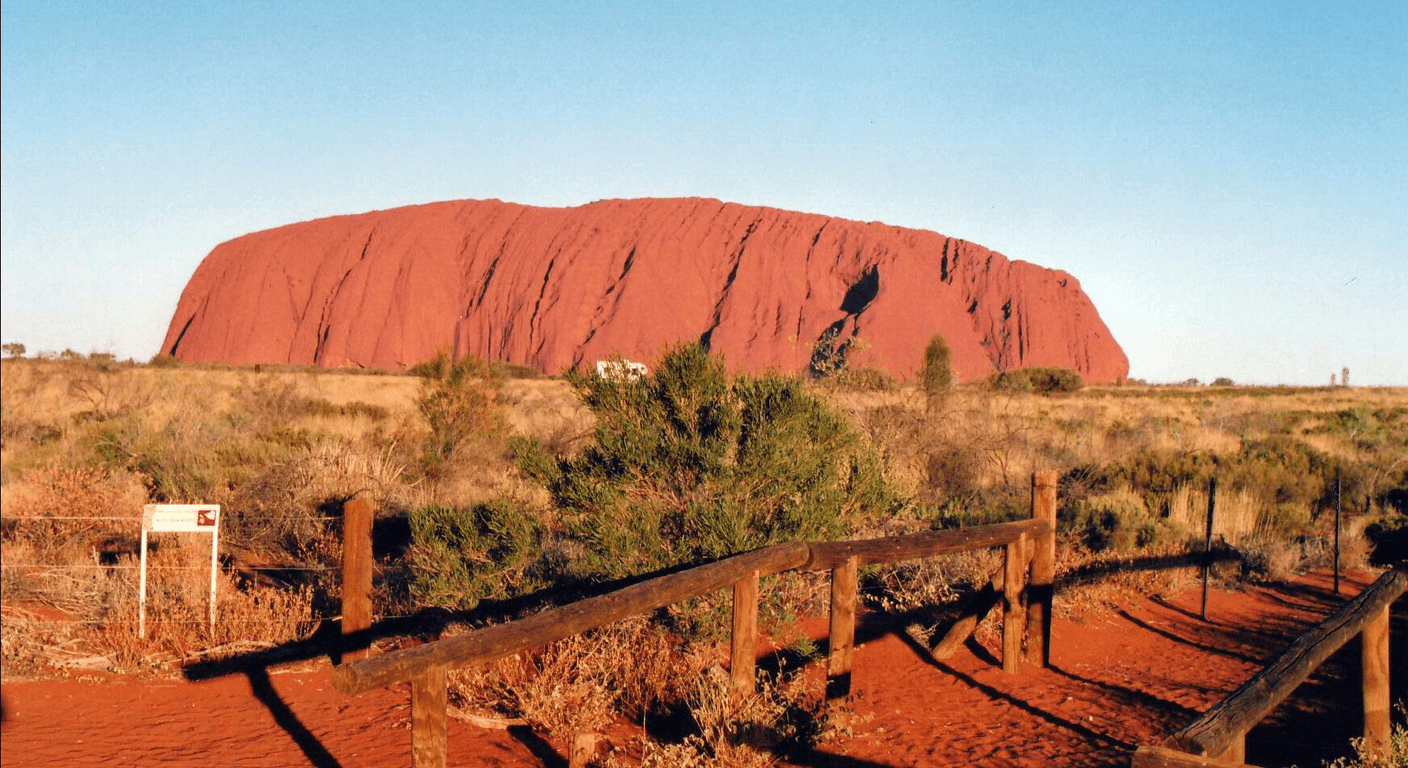
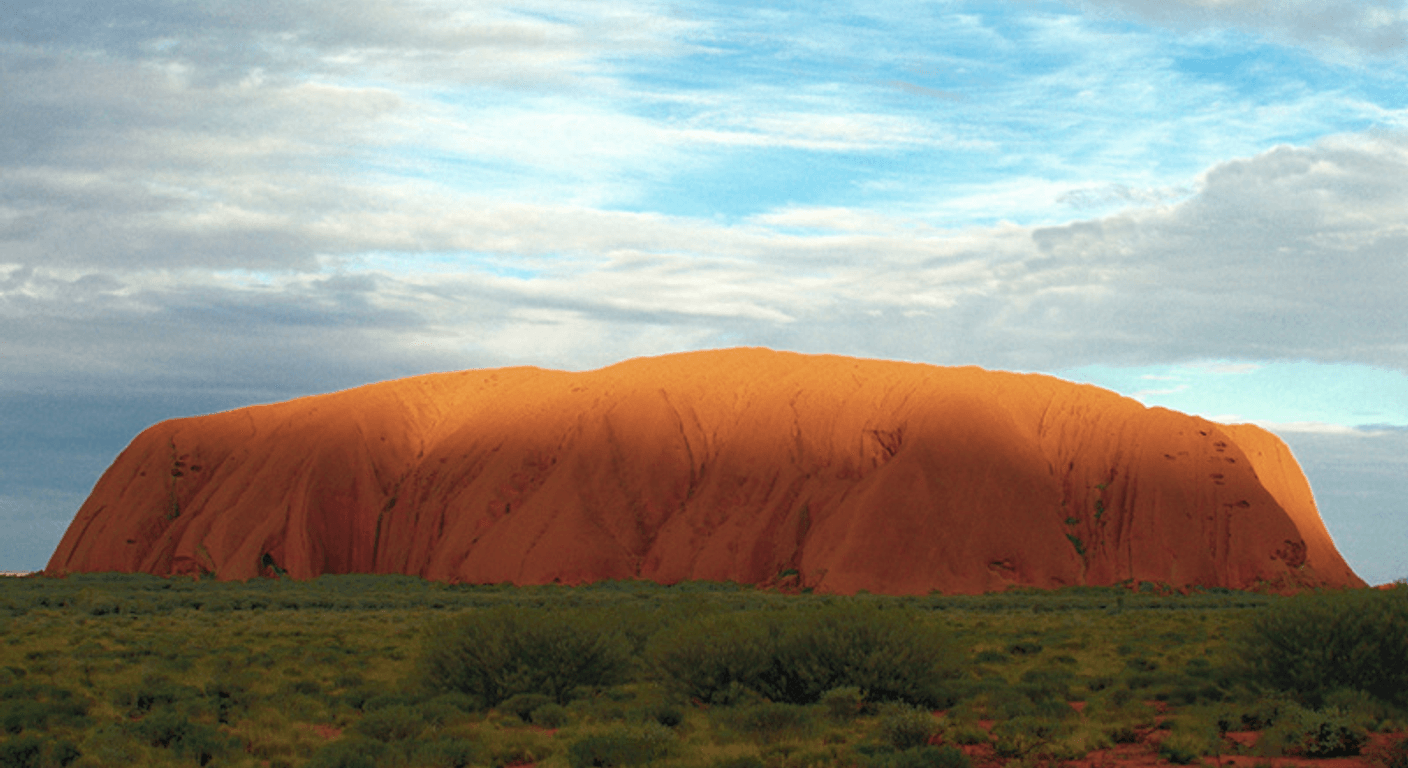
Uluru in January is a different matter. The rock and its surroundings are extraordinary at any time, but daytime temperatures in the Red Centre regularly exceed 40°C in January, and some walking tracks close automatically above set temperature thresholds. If Uluru is the goal, April through to October is a more rational window. The experience is not diminished by waiting for a better month.
One Overseas Option: New Zealand's South Island
New Zealand's South Island in January is the overseas suggestion that makes the most practical sense for Australian over-50 travellers this time of year. It's peak summer in the Southern Hemisphere — long days, temperatures broadly in the mid-to-high twenties in the valleys, cooler at altitude — and it avoids the long-haul flight realities that come with chasing winter in Europe or shoulder-season Asia. Direct flights from Melbourne and Sydney to Christchurch run in around three hours. No jet lag to speak of. No lengthy transit.
Christchurch itself has rebuilt into a genuinely interesting city after the 2010–11 earthquakes. The Botanic Gardens, accessible by a flat riverside walk from the central city, are at their best in summer. Te Papa Ōtākaro/Avon River Precinct offers a regenerated urban landscape with good food and independent retail. The Christchurch Art Gallery Te Puna o Waiwhetū on Worcester Boulevard is free and houses a strong collection of New Zealand contemporary and historical work.
From Christchurch, the route south through the Mackenzie Basin — Lake Tekapo, Aoraki/Mount Cook, Lake Pukaki — is among the more arresting drives in the Southern Hemisphere. The Church of the Good Shepherd at Lake Tekapo is a genuine landmark rather than a tourist confection. Accommodation in Tekapo and Twizel books out in January; plan well ahead. The Interislander ferry from Picton to Wellington is an option for those wanting to extend into the North Island, though the crossing can be rough in southerly weather. Confirm all transport and entry requirements through Tourism New Zealand and the New Zealand Immigration website before booking.
Practical Notes for January Travel: Costs, Crowds and Comfort
Accommodation pricing in January is elevated across southern Australia and New Zealand. Expect to pay a premium compared with shoulder months like March or May — in some popular coastal towns, peak-week rates can be double those of autumn. Booking three to six months ahead for January is not excessive; it's simply what the calendar demands. Cancellation policies vary significantly, and travel insurance that covers trip interruption is worth taking seriously at any age, but especially when pre-existing conditions are part of the picture. The Smartraveller website at smartraveller.gov.au is the correct starting point for insurance and overseas travel advice.
Heat management is a practical consideration that doesn't need to be laboured. A loose itinerary that keeps the middle of the day free — for a long lunch, a gallery, a rest — makes January travel considerably more enjoyable than a packed schedule that has you walking exposed ground at 1pm. Carrying water is obvious; finding shade on a schedule is less so. Most serious walkers in Australia will tell you that the hour before and after sunrise is when the day's best walking happens in summer.
For solo travellers specifically, January has one underappreciated advantage: the month generates a social atmosphere in guesthouses, walking tours and cellar doors that can be harder to find in quieter months. Guided small-group tours — wine region day tours, national park walks with a ranger, heritage walks in Hobart's Battery Point — offer both structure and easy companionship without requiring anyone to engineer it themselves. Many operators offer single-supplement-free departures in January simply because demand is high enough to fill groups. It's worth asking.
Quick planning guide
| Ideal pace | Slow-paced, with a free midday for lunch, shade or a gallery |
|---|---|
| Best months | January, ideally before Australia Day or after late-January school return |
| Suggested stay | Several days to a week per region |
| Mobility level | Mostly easy walking, with occasional moderate options such as the Wineglass Bay climb |
| Cost level | Premium — January pricing runs well above shoulder months like March or May |
| Comfort level | Comfortable in Tasmania and the Adelaide Hills; humid and hot in the tropical north and Red Centre |
| Best for | Over-50 travellers who prefer cooler, unhurried summer escapes over tropical heat |
| Main planning consideration | Book three to six months ahead and choose regions carefully, since southern Australia is at its best while the tropical north and Red Centre are at their most demanding |
Key takeaways
- Tasmania offers Australia's most comfortable summer capital-city temperatures in January, typically in the low-to-mid twenties.
- School-holiday crowds and peak pricing ease noticeably from late January once most states return to school — timing your trip around this can be worthwhile.
- The tropical north is in wet season in January: waterfalls peak, but roads may close and humidity is intense; confirm access before booking.
- Uluru in January regularly exceeds 40°C and some walking tracks close automatically — April to October is a more practical window.
- New Zealand's South Island is the most logical January overseas option from Australia: three-hour flight, peak summer, no meaningful jet lag.
- A mid-day rest built into the itinerary — gallery, lunch, shade — is the single most effective adjustment for comfortable January travel in southern Australia.
Recommended partners and links
Indicative prices only — always confirm with the operator before booking.
Frequently asked questions
Where is the best place in Australia to travel in January if you want to avoid the heat?
Tasmania is the standout choice. Hobart typically has the most comfortable January temperatures of any Australian capital, broadly in the low-to-mid twenties with cool evenings. The Adelaide Hills and NSW Southern Highlands are also meaningfully cooler than coastal cities, thanks to their elevation. All three suit travellers who want summer warmth without oppressive heat.
Is the Great Barrier Reef worth visiting in January?
January is wet season in tropical Queensland. Cairns and the Reef are accessible, but conditions are humid, afternoon storms are common, and some reef sites can have reduced visibility after rain. Stinger (jellyfish) season also applies in coastal tropical waters from roughly October to May — swimming outside stinger nets is not recommended. The Reef is generally easier and more comfortable to visit between June and October.
How bad are the school-holiday crowds in January for Australian domestic travel?
School holidays across most Australian states run from late December until late January, with exact dates varying by state. Popular coastal and national park destinations are noticeably busier and more expensive during this window. Travelling in the final week of January — once most states have returned to school — typically means calmer conditions and, in some cases, lower accommodation rates. Confirm school-holiday dates for your home state each year.
Is New Zealand a good option for Australians travelling overseas in January?
New Zealand's South Island is well-suited to Australian travellers in January. It's peak summer there, with long days and mild temperatures. Direct flights from Melbourne and Sydney to Christchurch take around three hours, and the time difference is minimal — meaning no meaningful jet lag. Accommodation in popular areas like Lake Tekapo and Queenstown books out early for January, so advance planning is important.
What should over-50 travellers consider when taking out travel insurance for a January trip?
Travel insurance for over-50 travellers should cover pre-existing medical conditions, trip cancellation, and medical evacuation — particularly for remote destinations like Kangaroo Island or the national parks. For overseas travel, the Australian Government's Smartraveller website at smartraveller.gov.au is the recommended starting point for both insurance guidance and destination-specific advice. Always declare pre-existing conditions when purchasing a policy; non-disclosure can void a claim.
- Discover Tasmania — official tourism site
- South Australia Tourism Commission
- Visit NSW — official tourism site
- Tourism New Zealand — official site
- Australian Government Smartraveller
- Parks Australia — Kakadu National Park
- MONA — Museum of Old and New Art
- Sealink — Kangaroo Island Ferry
- Transport for NSW — train timetables
- Tasmanian Museum and Art Gallery