A Yangtze River cruise between Chongqing and Yichang runs three to four nights and moves through the Qutang, Wu and Xiling gorges at a measured pace, with meals and shore excursions included. Autumn (September–October) and spring (March–May) give the clearest light. Mobility is moderate — expect stairs, gangplanks and tender transfers at ports. There's no direct flight from Australia; travellers connect via Shanghai, Hong Kong or Guangzhou, a 14–20 hour journey.
What is a Three Gorges cruise, exactly?
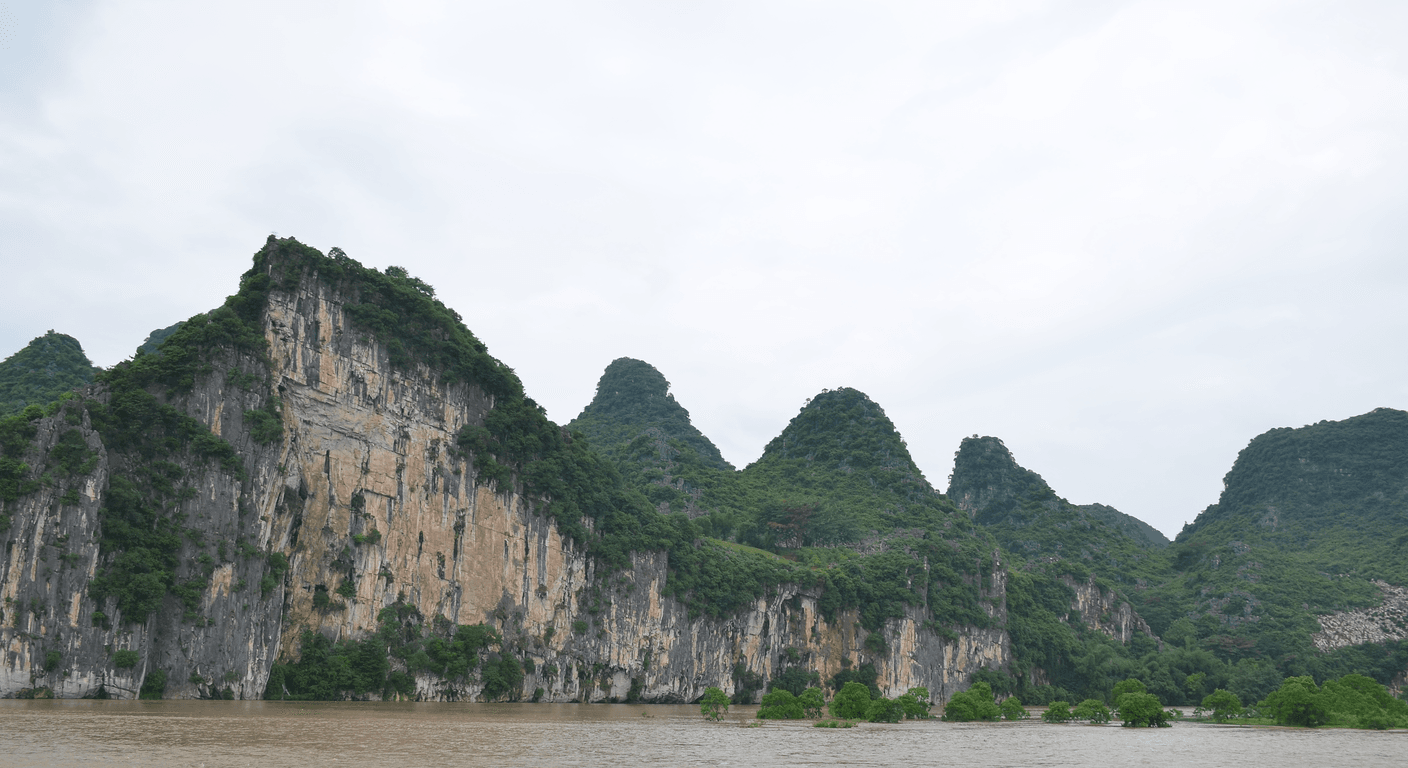
The Yangtze River cruise most travellers mean when they talk about the Three Gorges runs between Chongqing, a vast inland city of bridges and spicy hotpot, and Yichang, the gateway city downstream near the dam. The downstream direction — Chongqing to Yichang — is the more common itinerary and takes three to four nights aboard. Some operators run the reverse. The three gorges themselves — Qutang, Wu and Xiling — compress the river between limestone walls that rise several hundred metres, and the ship moves through them at a pace that lets you actually look.
What makes this format appealing for travellers who've done enough rushing is the unpack-once logic. Your cabin is your base for the entire journey. Meals are largely included, shore excursions are organised, and the river does the work. For a couple travelling together, it removes much of the daily decision fatigue that comes with independent travel in China. That said, it is not a passive experience — the excursions are active, the ports are physical, and the scenery demands your attention.
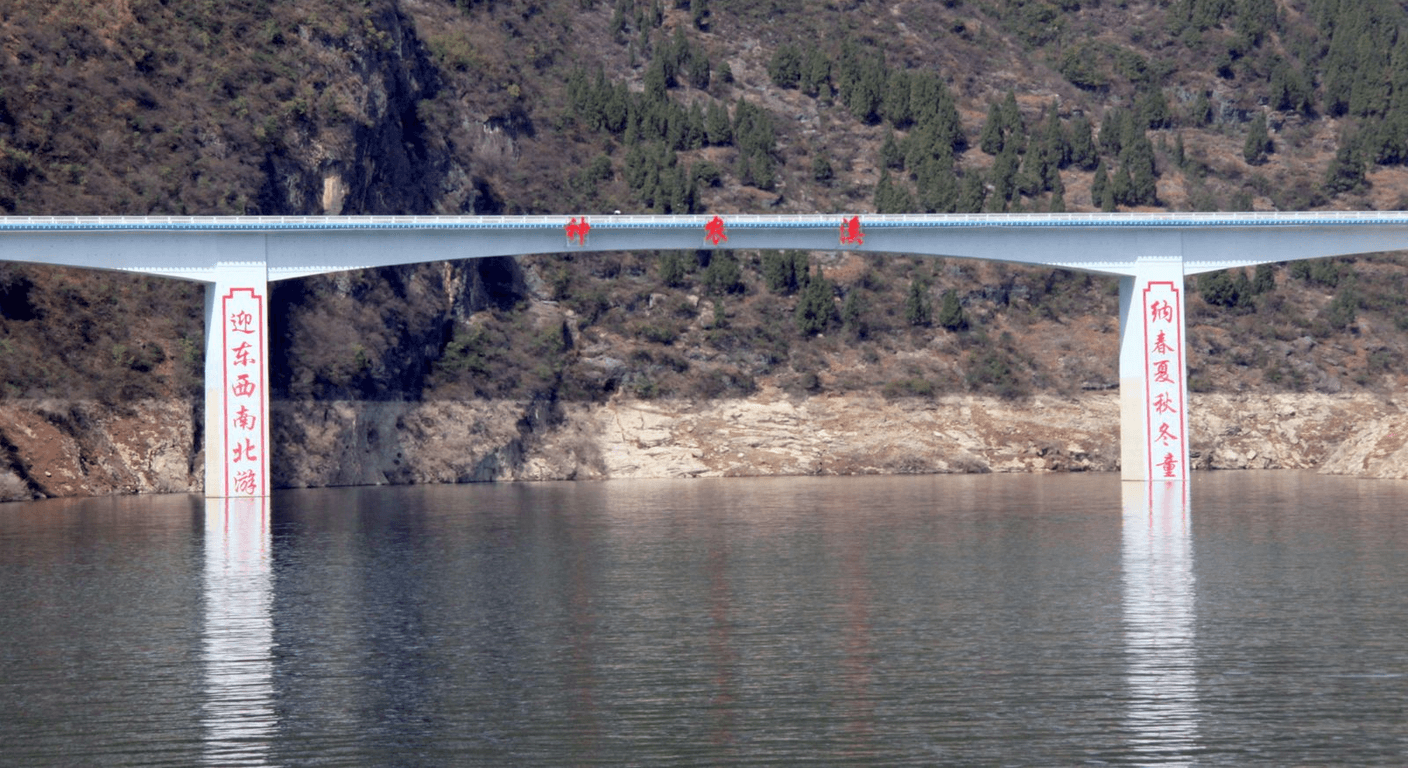
The route also passes through the Three Gorges Dam, the largest hydroelectric structure on earth, which has fundamentally altered the river since its completion. The reservoir raised water levels by roughly 175 metres, submerging dozens of towns and reshaping the gorge experience. Some temples and heritage sites were relocated stone by stone to higher ground. Understanding this history adds a layer of weight to the journey that postcard images don't quite convey.
Getting there from Australia: flights and the first night
There is no direct flight from Melbourne, Sydney or any Australian capital to Chongqing. The most common routing goes via Shanghai Pudong, Hong Kong or Guangzhou, with total travel time from Melbourne typically sitting between 14 and 20 hours depending on the stopover. From Sydney, it's broadly similar. Chongqing Jiangbei International Airport is well connected within China, and the city itself is worth a night or two before boarding — it's a genuinely interesting place, not just a transit point.
Jet lag on the westbound journey to China is real and worth taking seriously. The time difference from Victoria is three hours behind AEDT in summer, two in winter — not the brutal inversion of, say, a transatlantic crossing, but enough to affect your first day or two. Arriving in Chongqing a day before embarkation is sensible, not overcautious. It gives you time to find your feet, eat something that isn't airline food, and actually enjoy the city's extraordinary topography of hills and cable cars.
Travel insurance is non-negotiable, and for travellers over 70 with pre-existing conditions — which describes a significant portion of the people reading this — the policy needs to explicitly cover those conditions. Read the medical evacuation clauses carefully. Medical facilities in Chongqing and Yichang are reasonable by Chinese city standards, but river-segment care is more limited. Discuss cover requirements with your insurer well before departure.
Chinese entry rules: what you need to confirm before booking
China's entry requirements have been in genuine flux since 2023, with visa-free arrangements for certain nationalities and circumstances introduced, adjusted and periodically revised. As of mid-2025, Australian passport holders travelling as individuals generally require a visa, though some group and transit arrangements have expanded. Do not rely on what a travel agent told someone else last year, or what you read in a forum thread. The only authoritative source for current requirements is the Australian Government's Smartraveller website at smartraveller.gov.au, plus the Chinese Embassy in Canberra.
The practical implication: build visa application time into your booking timeline. Chinese tourist visas typically require a completed application, passport photos, an itinerary and proof of accommodation — and processing times vary. Some operators who specialise in China itineraries offer visa assistance as part of their service, which can simplify the paperwork considerably. Confirm this when you enquire.
Smartraveller also carries the broader travel advisory for China, which covers health, safety and any region-specific considerations. It's worth reading the full advisory, not just the visa section. For a traveller of Greek-Australian background, note that dual nationality is not recognised by China — if you hold both Australian and another passport, travel on your Australian document and declare only that nationality.
Choosing your ship: cabin grades and what they actually mean
The gap between the cheapest and most expensive cabin on a Yangtze cruise can be considerable, and it matters more than on an ocean ship. On a river vessel, your cabin window or balcony is your primary connection to the landscape you've come to see. A porthole-level cabin with an obscured river view is a genuine trade-off. Premium and deluxe cabins on the better ships have floor-to-ceiling windows or private balconies, and on a three-night journey where you're often sailing through gorge scenery at dawn or dusk, that difference is not trivial.
Australian operators such as Scenic and APT tend to book the higher-grade vessels — ships with lifts between decks, wider corridors, and a standard of cabin finish that will be familiar to anyone who's done a European river cruise. Chinese domestic operators offer the same route at considerably lower prices, but cabin quality, English-language service and accessibility features vary significantly. If mobility or comfort is a priority, the premium operators are generally the more reliable choice, even accounting for the price difference.
Ask specifically about lift access between decks before booking. Most modern Yangtze cruise ships have at least one lift, but older vessels may not. If either traveller in a couple has difficulty with stairs, this is a non-negotiable question, not an afterthought. The ship's accessibility profile should be confirmed in writing, not assumed from a brochure photograph.
Shore excursions: the honest picture of stairs, gangplanks and stone paths
The shore excursions included in most Three Gorges itineraries are genuinely interesting — the cliff-hanging Shibao Block Temple, the relocated Zhang Fei Temple at Yunyang, the smaller gorges accessed by sampan, and the Three Gorges Dam visitor centre among them. They are also physically demanding in ways that the brochure photography doesn't always make clear. Stone steps cut into cliffs, uneven cobbled paths, steep gangplanks between ship and tender, and occasionally long walks between the vessel and the site itself are standard features of the experience.
This is not a reason to avoid the excursions, but it is a reason to be honest with yourself and your operator about what you're comfortable with. Most reputable operators will note which excursions are more accessible and which are more strenuous. Some sites have alternative viewing points that involve less climbing. A couple where one partner has a knee replacement and the other doesn't, for example, may find that splitting up for some excursions — one going further, one staying at a viewpoint — is a perfectly reasonable arrangement.
Gangplanks deserve specific mention. Depending on the river level and the port infrastructure, the gangplank between ship and shore can be steep and narrow, with a metal grate surface. At some smaller ports, passengers transfer via a tender — a smaller boat — which involves stepping between vessels on water. These moments pass quickly, but they require balance and confidence. If either of these scenarios gives you pause, discuss it directly with the operator before you book. Asking is not an admission of limitation — it's the kind of practical intelligence that makes the difference between a good trip and an anxious one.
River views, haze and the gap between expectation and reality
The Three Gorges are dramatic. The cliff walls are real, the scale is real, and on a clear day in October the light on limestone can be genuinely arresting. It's also worth knowing that the Yangtze carries an enormous sediment load, which gives the river a characteristic murky brown colour — not the blue-green of a Scandinavian fjord, not the clear jade of a New Zealand river. This surprises some travellers who arrive with postcard expectations.
Haze is also a genuine factor, particularly in summer and in the industrial stretches near Chongqing and Yichang. The gorge sections are generally clearer, but atmospheric visibility varies by season and by day. Autumn — particularly September and October — offers the best combination of manageable temperatures and clearer air. Spring (March to May) is also good. Midsummer brings heat and humidity that many travellers over 60 find difficult, and winter brings a flat grey light that mutes the landscape considerably.
Photography is rewarding but requires patience and realistic expectations. The gorge walls move past the ship at a steady pace, and the best shots often come from the sun deck in the early morning or late afternoon. A long lens helps with cliff-face detail. The dam itself is an engineering spectacle rather than a natural one — vast, utilitarian and oddly compelling in its sheer scale. Allow time at the dam visitor centre, which is better organised and more informative than many travellers expect.
Practical details: money, connectivity, meals and pacing
China operates on a predominantly cashless payment system through WeChat Pay and Alipay, which can be awkward for foreign visitors who don't have Chinese bank accounts. Cash (yuan/RMB) is still accepted at most tourist sites and markets, and it's worth carrying some. ATMs in Chongqing and Yichang accept international cards, though fees apply — withdraw a useful float before boarding. On the ship itself, a premium Australian operator will handle most transactions for you, which simplifies things considerably.
Internet access in China operates behind the Great Firewall, which means Google, WhatsApp, Instagram and most Western news sites are inaccessible without a VPN. Download a reputable VPN before you leave Australia — once you're in China, the VPN app stores are also blocked. This matters practically for navigation apps, communication with family at home, and general browsing. WeChat is worth setting up before departure, as it's the primary communication platform and works natively within China.
The pace of life aboard a river cruise ship suits this kind of journey well. Mornings typically involve an excursion; afternoons are often spent watching the river from the deck or the cabin; evenings have dinner, perhaps a cultural performance or lecture, and an early night. For a couple who find that rhythm appealing, it's genuinely restful. The Yangtze is not a party cruise — the demographic tends toward the culturally curious rather than the poolside crowd, which suits the experience perfectly.
Quick planning guide
| Ideal pace | Slow-paced, unpack-once journey with set morning excursions and free afternoons on deck |
|---|---|
| Best months | September–October and March–May, for clearer air and manageable temperatures |
| Suggested stay | Three to four nights aboard, plus a night in Chongqing before boarding |
| Mobility level | Moderate — stone steps, uneven paths, steep gangplanks and occasional tender transfers |
| Cost level | Premium with Australian operators such as Scenic and APT; budget-friendly but variable with Chinese domestic lines |
| Comfort level | Higher on premium/deluxe cabins with balconies or large windows; lower on porthole-grade cabins |
| Best for | Culturally curious couples over 50 wanting included excursions and a settled daily rhythm |
| Main planning consideration | Confirm each ship's lift access and gangplank conditions, and check current Chinese visa requirements on smartraveller.gov.au before booking |
Key takeaways
- A Chongqing-to-Yichang Yangtze cruise takes three to four nights and passes through all Three Gorges with shore excursions included.
- September to October and March to May offer the best combination of clear air, manageable temperatures and good river light.
- Gangplanks, steep stone stairs and tender transfers are standard at most ports — confirm each ship's accessibility profile before booking.
- Premium cabin grades with balconies or large windows make a material difference on a river cruise where the view is the experience.
- Australian passport holders generally require a Chinese visa — confirm all current entry requirements on smartraveller.gov.au before booking.
- The Yangtze runs brown, not blue, and haze is common near cities — autumn light in the gorge sections is the closest to postcard conditions.
Recommended partners and links
Indicative prices only — always confirm with the operator before booking.
Frequently asked questions
Do Australians need a visa to cruise the Yangtze River in China?
Australian passport holders generally require a Chinese tourist visa to travel to Chongqing and Yichang for a Yangtze River cruise. China's visa-free arrangements are subject to ongoing change — confirm all current entry requirements at smartraveller.gov.au and with the Chinese Embassy in Canberra before booking.
How long does a Three Gorges cruise take?
The standard Three Gorges cruise between Chongqing and Yichang takes three to four nights, covering roughly 660 kilometres of river and passing through Qutang, Wu and Xiling gorges. Most travellers add one or two nights in Chongqing before embarkation.
Is a Yangtze River cruise suitable for travellers with mobility limitations?
A Yangtze cruise is rated Moderate for mobility. Shore excursions typically involve steep gangplanks, uneven stone paths and stairs cut into cliff faces. Most modern premium ships have lifts between decks, but older vessels may not. Confirm accessibility details with your operator before booking and ask specifically about each planned excursion.
What is the best time of year for a Yangtze River cruise from Australia?
September to October is widely considered the best period — temperatures are comfortable, the air is clearer than in summer, and the gorge scenery is at its most vivid. March to May is also good. Midsummer is hot and humid; winter brings flat light and significant haze.
How do you get from Australia to Chongqing for a Yangtze cruise?
There are no direct flights from Australian capitals to Chongqing. Common routings connect via Shanghai Pudong, Hong Kong or Guangzhou, with total travel time from Melbourne or Sydney typically between 14 and 20 hours including a stopover. Arriving a day before embarkation is strongly recommended to manage jet lag and allow time to settle.