The Li River cruise runs four to five hours by open-deck boat from Guilin to Yangshuo, with karst peaks filling the view. Morning departures, best April to October, bring softer light and an early-afternoon arrival, allowing an overnight stay in Yangshuo. Mobility is minimal — mostly seated, though hard seats and limited shade call for a cushion and hat. Reaching Guilin from Australia means a connecting flight via Guangzhou, Hong Kong or Shanghai, around 12–16 hours.
Why the Li River Cruise Works So Well for Travellers Over 50
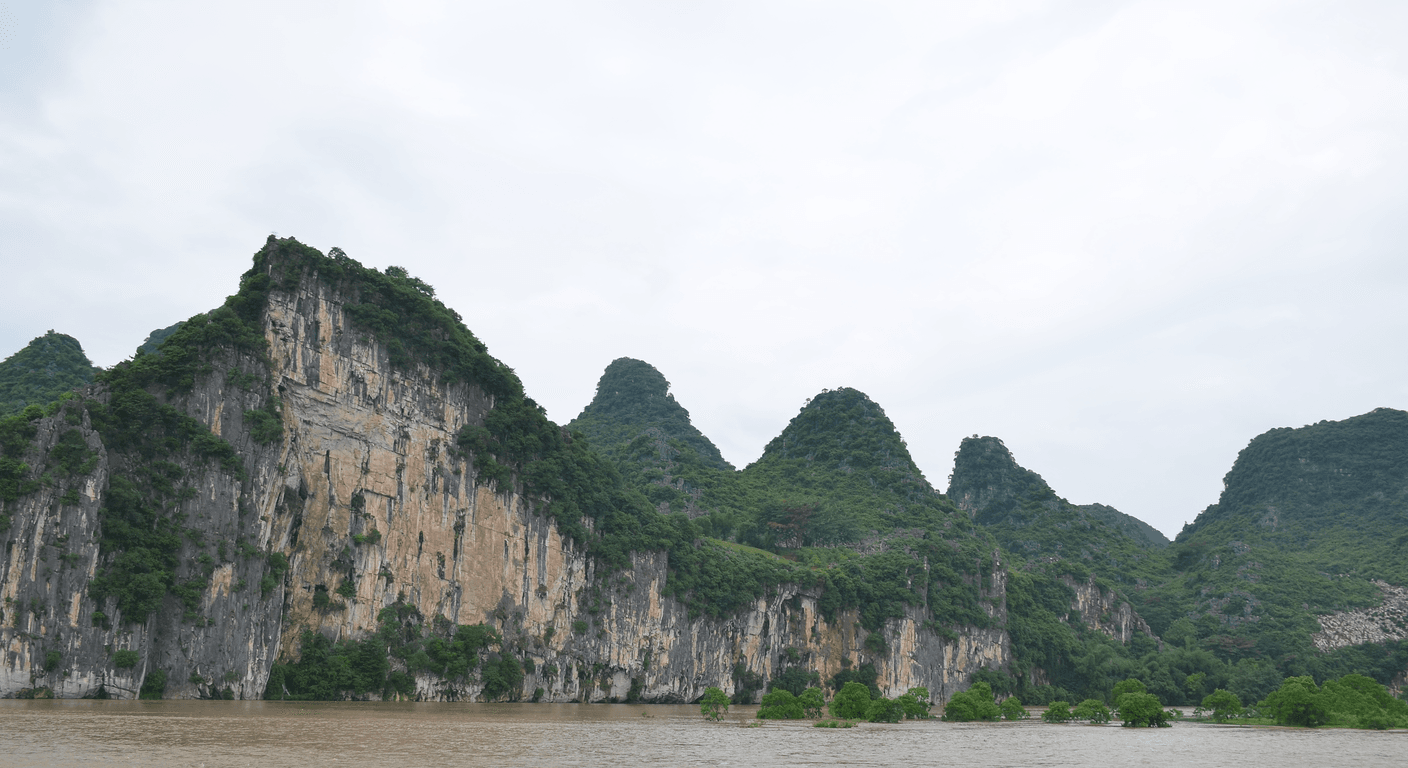
There are very few travel experiences where the reward is entirely disproportionate to the physical effort. The Li River cruise is one of them. You board a boat, find your seat on the open upper deck, and for the next four to five hours, one of the world's most photographed landscapes scrolls past at a pace that actually allows you to look at it. No scrambling up viewpoints, no timed entries, no queue management. Just water, sky, and limestone.
The karst peaks here — sharp, improbable, draped in subtropical green — are the image on China's 20-yuan note, which gives you a sense of how seriously the Chinese regard this stretch of river. For a solo traveller arriving from Melbourne or Sydney after a long-haul flight, the cruise day functions as a kind of beautiful decompression. The scenery does the heavy lifting, and you simply need to be present for it.
That said, 'easy' doesn't mean 'effortless to organise'. Getting yourself from Australia to Guilin, choosing the right boat class, and understanding what the onboard experience actually involves takes some honest research. That's what this guide is for.
Getting to Guilin from Australia — What the Journey Actually Involves
There's no direct flight from Melbourne or Sydney to Guilin Liangjiang International Airport. The most common routes connect through Guangzhou (with China Southern), Hong Kong (with Cathay Pacific or connecting carriers), or Shanghai. Total travel time from Melbourne, including the stopover, typically runs between 12 and 16 hours depending on the connection. Guilin's airport is well-serviced domestically, so a brief domestic leg from Guangzhou or Shanghai is often the smoothest option.
A recovery night in Guilin on arrival is not a concession — it's simply sensible planning. Jet lag from eastward travel to China (roughly a two-to-three-hour time difference from the east coast of Australia, which sounds minor but compounds with long flight fatigue) can dull the pleasure of even the most beautiful scenery. Book your cruise for the morning of your second full day, not the day you land.
Travel insurance deserves particular attention. Policies that cover pre-existing medical conditions vary considerably in their China coverage, and medical costs in Chinese private hospitals can be substantial. The Australian Government's Smartraveller site (smartraveller.gov.au) is the correct starting point for both insurance guidance and current entry requirements. Do not rely on secondhand information about Chinese visa rules — they have changed multiple times in recent years.
Choosing Your Boat — and Why the Morning Departure Matters
The Li River cruise operates on large multi-deck tourist vessels that depart from Zhujiang Wharf, around 25 kilometres south of Guilin city centre. These aren't small intimate boats — they carry several hundred passengers and are organised, if not particularly atmospheric below deck. What matters is getting a seat on the open upper deck, which is where the scenery actually happens. Lower cabin seats with windows are fine for lunch but not for the landscape.
Morning departures, typically around 9am to 10am, offer softer light and better conditions for photography. Afternoon sun on the water can be harsh, and haze tends to build through the day in warmer months. If you're travelling between April and October, the morning start also means you arrive in Yangshuo in early-to-mid afternoon, giving you time to settle into accommodation before the evening.
Tickets come in different tiers — the standard government-regulated cruise and various upgraded options through tour operators that include lunch and better deck positioning. Reputable operators such as China Highlights can package this with transfers, which removes the logistical friction of getting yourself to Zhujiang Wharf independently. For a solo traveller unfamiliar with Guilin, a small guided package for the cruise day is worth considering, not because the route is complicated, but because it frees up attention for the scenery rather than the scheduling.
What the Four Hours on the Water Are Actually Like
The honest account: the upper deck seats are plastic chairs. Bring a small travel cushion if you have any sensitivity to hard seating over long periods — four to five hours is a genuine stretch. The shade situation varies by boat; some upper decks have partial awning coverage, others are fully exposed. A wide-brimmed hat and sunscreen are not optional in summer months, when the Guangxi sun is direct and strong.
Onboard toilets exist and are functional, though standards vary. Most boats have squat-style toilets; some have at least one Western-style option. If this matters to your comfort planning — and there's no reason it shouldn't — ask your operator specifically before booking. It's a practical question that experienced tour staff will answer without fuss.
The cruise includes a set lunch, typically served mid-river in the lower cabin. The food is straightforward Chinese fare — rice, vegetables, simple protein dishes — and is included in most ticket prices. The meal break is also a chance to sit in shade and rest before returning to the deck for the second half of the journey. The most dramatic karst formations, including the Nine Horses Fresco Hill and Yellow Cloth Shoal, appear in the latter part of the route, so the deck is worth reclaiming after lunch.
Yangshuo — A Relaxed Overnight That Earns Its Place
The cruise deposits passengers at Yangshuo, a small town on the Li River that has grown considerably around tourism without losing its essential character. The riverside promenade is pleasant for an evening walk, the food is genuinely good (Guilin rice noodles here are the real article), and the karst peaks that ring the town create a theatrical backdrop that doesn't require any effort to appreciate.
West Street, Yangshuo's main tourist thoroughfare, is lively in the evenings and lined with cafes, restaurants, and small shops. It caters heavily to international visitors and is easy to navigate solo. For travellers who find the pace of larger Chinese cities demanding, Yangshuo functions as a gentle exhale — small enough to feel manageable, interesting enough to hold attention for a night or two.
Accommodation here ranges from international-standard boutique hotels to guesthouses with river views. The Yangshuo Mountain Retreat, set slightly outside the main town, has a strong reputation among international travellers for comfort and service. Confirm current rates and availability directly. One night in Yangshuo is the minimum; two allows for a gentle morning bike ride through the rice paddies — flat terrain, rental bikes readily available — before returning to Guilin or continuing onward.
Practical Planning — Visa, Health, and What to Confirm Before You Go
As of late 2024, Australian passport holders benefit from visa-free entry to China for stays of up to 15 days. This is a meaningful change that simplifies a Guilin–Yangshuo itinerary considerably. However, visa and entry rules for China have shifted multiple times in recent years, and the Australian Government's Smartraveller site (smartraveller.gov.au/destinations/asia/china) is the only source you should rely on for current requirements. Check it close to your departure date, not just when you first start planning.
Health considerations for a trip to Guilin are relatively straightforward compared to some other Chinese destinations — the region's climate is subtropical, so mosquito repellent is sensible in warmer months, and sun protection is essential on the river. Travellers with heart conditions or respiratory sensitivities should note that Guilin's air quality is generally better than major Chinese cities, though confirm this with your GP as part of pre-travel health planning.
Payments in China are now predominantly handled through mobile apps (WeChat Pay and Alipay), and foreign credit cards are less universally accepted than in Western destinations. Many operators who cater to international visitors have adapted, but carrying some Chinese yuan in cash remains practical for smaller transactions. Your Australian bank's international transaction fees are worth checking before departure.
The Li River in Context — Setting Realistic Expectations
The scenery is genuinely as striking as its reputation suggests. That's not a common thing to be able to say. The limestone peaks are unlike anything in Australia or Europe — their sheer verticality, the way they emerge from flat water and flat fields, creates a landscape that reads as almost fictional. Travellers who have seen photographs their whole lives and arrive wondering if the reality will disappoint tend to find it does not.
What the cruise is not: an intimate, small-group experience. The boats are large, the popular months are busy, and the wharf at Zhujiang can feel chaotic in the morning rush. Solo travellers who prefer quieter, more curated experiences may find a small-group tour operator — rather than an independent ticket — reduces the friction considerably. The scenery rewards patience; the logistics reward preparation.
For a traveller based in Victoria making a first independent trip to China, Guilin is one of the more approachable entry points. The tourist infrastructure around the Li River cruise is well-developed, English signage and English-speaking staff are present at most major visitor facilities, and the pace of the region is slower than Shanghai or Beijing. It's a considered choice for a solo trip — which is, of course, exactly the point.
Quick planning guide
| Ideal pace | Slow-paced, seated sightseeing with no walking pressure |
|---|---|
| Best months | April to October, with morning departures for softer light |
| Suggested stay | One to two nights in Yangshuo, plus a recovery night in Guilin on arrival |
| Mobility level | Easy — mostly seated on deck, minimal walking required |
| Cost level | Moderate — tiered tickets, with upgraded packages including lunch and transfers |
| Comfort level | Basic to moderate — plastic deck seating, variable shade and toilet standards |
| Best for | Solo travellers over 50 seeking spectacular scenery without physical exertion |
| Main planning consideration | Arranging flight connections via Guangzhou, Hong Kong or Shanghai and choosing the right boat tier and deck seat |
Key takeaways
- The Li River cruise from Guilin to Yangshuo takes four to five hours on a large open-deck boat — bring a cushion, a hat, and sun protection.
- Morning departures around 9am offer softer light and allow afternoon arrival in Yangshuo, making the most of the day.
- Australian passport holders currently benefit from visa-free entry to China for up to 15 days — confirm current rules at smartraveller.gov.au before booking.
- A recovery night in Guilin on arrival is advisable; book the cruise for your second full day, not the day you land.
- Yangshuo is a relaxed overnight stop with good food, a walkable riverside promenade, and flat cycling terrain through surrounding rice paddies.
- Travel insurance covering pre-existing conditions and China medical costs should be arranged before departure — check Smartraveller for guidance.
Recommended partners and links
Indicative prices only — always confirm with the operator before booking.
Frequently asked questions
How long is the Li River cruise from Guilin to Yangshuo?
The Li River cruise from Guilin's Zhujiang Wharf to Yangshuo takes approximately four to five hours, depending on water levels and the specific vessel. It is a one-way journey; most travellers return to Guilin from Yangshuo by bus or coach, which takes around one to one and a half hours.
Do Australian travellers need a visa to visit Guilin, China?
As of late 2024, Australian passport holders can enter China visa-free for stays of up to 15 days. However, entry rules can change. Always confirm current requirements at smartraveller.gov.au before booking flights or tours.
Is the Li River cruise suitable for travellers with mobility limitations?
The cruise itself is well-suited to travellers with limited mobility — seating is provided and no walking is required once on board. The main physical consideration is boarding at the wharf, which involves steps and can be uneven underfoot. If you use a walking aid or have balance concerns, inform your operator in advance so appropriate assistance can be arranged.
What is the best time of year to do the Li River cruise?
April to June offers lush green scenery and mild temperatures, making it the most comfortable period for most travellers. September and October are also excellent — clear skies and cooler conditions after the summer humidity. July and August are the hottest and most crowded months; the scenery remains impressive, but the open-deck heat is significant.
Are there toilets on the Li River cruise boats?
Yes, onboard toilets are available. Most vessels have squat-style toilets; some have at least one Western-style option. Standards vary between boats. If this is an important comfort consideration, ask your operator specifically about toilet facilities when booking.