Yeppoon, on Queensland's Capricorn Coast, suits a week-long stay, with winter (June–August) the ideal time thanks to dry, calm days in the low-to-mid 20s. The free foreshore lagoon and flat, walkable esplanade are the defining draws, alongside a short ferry crossing to Great Keppel Island's beaches. Mobility needs are easy across town, though the ferry involves some stepping. Access is via Rockhampton Airport, a 40-minute drive away, with direct flights from Melbourne.
Why Yeppoon works so well for travellers in their 60s and 70s
Yeppoon is a town that does not try to be anything other than what it is: a relaxed coastal community on the Capricorn Coast, roughly 40 kilometres east of Rockhampton. The foreshore is flat, the esplanade is well-maintained, and the pace is genuinely unhurried. For couples who want warm winter sun without the noise of a major resort strip, or for a traveller who prefers to settle into a place rather than race through it, Yeppoon offers exactly the right conditions.
The town's compact centre sits within easy walking distance of the beach, the lagoon, a handful of good cafes, and the ferry terminal at Keppel Bay Marina. Accommodation ranges from motel-style units to self-contained apartments, many of which are a short, flat walk to the foreshore. You are not navigating hills or long transfers here, which matters more than most travel writing admits.
For Indian Australian travellers, or anyone who appreciates a community with genuine local character rather than a manufactured tourist identity, Yeppoon has an authenticity that larger coastal towns have lost. The Saturday morning markets, the local fishermen, the retirees walking the esplanade at dawn — this is the Queensland coast as it actually lives.
The foreshore lagoon: what makes it ideal for stinger-season swimming
Yeppoon's Keppel Bay Lagoon is a free, netted saltwater pool set directly on the foreshore. It is open year-round and is the practical solution to one of tropical Queensland's honest realities: between October and May, marine stingers — including the box jellyfish — make open-water swimming unsafe along much of the coast. The lagoon removes that risk entirely, letting you swim in actual sea conditions without the danger.
If you are visiting in winter (June to August), stinger risk drops significantly and the open beach becomes swimmable, but the lagoon remains the more comfortable option for those who prefer calm, enclosed water. The pool is shallow enough at the entry points to be accessible for non-swimmers or those who simply want to wade and float. There are shaded seating areas nearby and toilet facilities at the foreshore, which makes a long morning session genuinely easy to manage.
The lagoon is not a chlorinated resort pool — it is part of the coastal environment, which gives it a character that grows on you. Early mornings, when the light is soft and the water is still, it is one of those quietly lovely experiences that does not photograph well but stays with you. Bring your own shade hat and water; the Queensland sun is strong even in winter.
Getting to Great Keppel Island: the day-trip ferry explained
Great Keppel Island sits about 15 kilometres offshore from Yeppoon, and day trips are straightforward. Ferries depart from Keppel Bay Marina, which is a short drive or taxi ride from the Yeppoon town centre. The current main operator is Freedom Fast Cats; return fares are indicatively around $50–$60 per person, but you should confirm current pricing and timetables directly with the operator before you travel, as these details change.
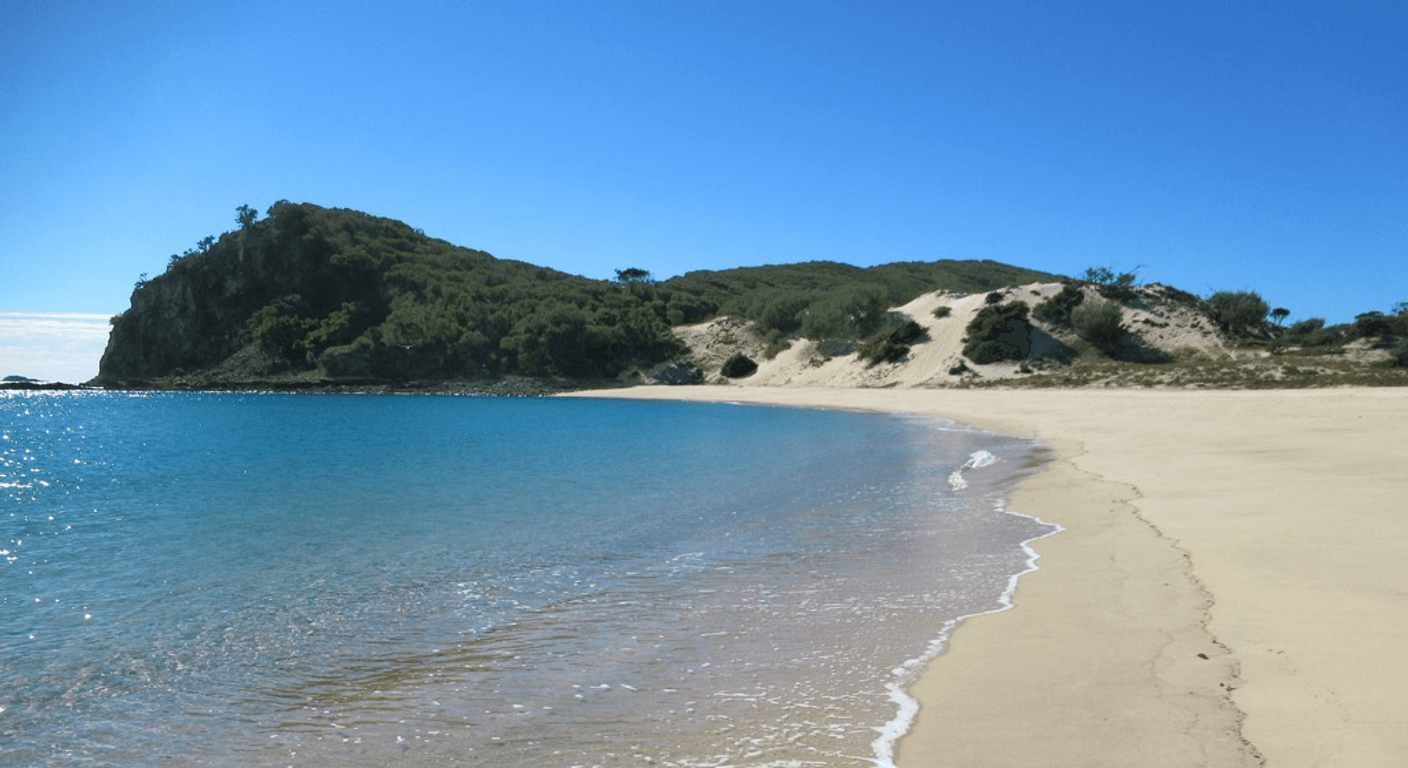
The crossing takes roughly 30 minutes each way on a calm winter day. Winter crossings are generally smooth — the Capricorn Coast sits below the cyclone belt and winter seas are typically gentle. The island has several beaches accessible on foot from the main jetty, with Putney Beach being the closest and most suitable for those who do not want to walk far. The water is clear, the sand is fine, and the snorkelling over the fringing reef can be done at your own pace with hired equipment available on the island.
A few practical notes for older travellers: the jetty landing involves a short step onto a pontoon, so those with balance concerns should tell the crew and take their time. There is no hospital on the island, and facilities are modest — a kiosk, toilets, and basic gear hire. Bring sun protection, a hat, plenty of water, and any medication you might need for the day. The last ferry back is mid-afternoon; confirm the exact time when you book so there is no anxiety about missing it.
The scenic drive south: Emu Park and the Singing Ship
The coastal road south from Yeppoon to Emu Park is one of those drives that rewards a slow pace. It takes about 20 minutes without stopping, but the sensible approach is to pull over at the clifftop lookouts along the way, where the views across Keppel Bay are wide and unhurried. The road is well-sealed and straightforward to drive; hiring a car in Rockhampton for a day or two is the easiest way to do this stretch.
Emu Park is a small seaside town with a genuine community feel and a handful of good spots for morning tea. Its most distinctive landmark is the Singing Ship, a memorial to Captain James Cook erected on a headland overlooking the sea. The structure is fitted with tubes that produce a low, resonant sound when the wind passes through — haunting on a breezy day, and surprisingly moving in its simplicity. The path to the memorial is short and mostly flat, with a bench nearby if you need to pause.
The headland at Emu Park also offers some of the best open views on the Capricorn Coast. On a clear winter morning, with the Keppel Islands visible in the distance and the sea a deep blue-green, it is the kind of scene that makes the drive more than worthwhile. The town itself has a small beach, public toilets, and a park area — a comfortable place to sit with a packed lunch before driving back to Yeppoon.
Getting to Yeppoon from Victoria: Rockhampton as your gateway
Rockhampton Airport is the practical entry point for Yeppoon. Direct flights operate between Melbourne (Tullamarine) and Rockhampton, with travel time under three hours. Qantas and its regional partners are the primary operators on this route; check current schedules directly with airlines, as services and frequencies shift. From Rockhampton Airport, Yeppoon is roughly a 40-minute drive east — a taxi or rideshare is straightforward, and some accommodation providers can arrange transfers if booked in advance.
For those who prefer rail, Queensland Rail's Spirit of Queensland runs between Brisbane and Rockhampton, with the journey taking around six to seven hours. This is a comfortable long-distance train with reclining seats and a café car, and it suits travellers who enjoy watching the Queensland countryside unfold rather than rushing. From Brisbane, you can connect via domestic flight from Melbourne, making a rail segment of the trip a pleasant choice rather than a compromise.
Rockhampton itself is worth half a day if you arrive early — the heritage-listed Quay Street precinct along the Fitzroy River has good cafes and a flat riverside walk. The Rockhampton Museum of Art is also worth noting for those who appreciate a regional gallery with a serious collection. It is a useful base for the first night if your flight arrives late, before heading to Yeppoon the following morning.
What Queensland winter actually feels like on the Capricorn Coast
Yeppoon sits almost exactly on the Tropic of Capricorn, which means winter here is nothing like a Victorian winter. June, July, and August bring daytime temperatures consistently in the low to mid-20s Celsius, with low humidity, clear skies, and cool evenings that feel genuinely comfortable rather than oppressive. For Victorians accustomed to grey, damp winters, the contrast is substantial — and it is one of the most compelling reasons to choose the Capricorn Coast over the more frenetic Whitsundays.
Mornings are the best part of the day. The light is soft, the air is fresh, and the foreshore is quiet before the day-trippers arrive. A walk along the Yeppoon esplanade before breakfast, followed by a swim in the lagoon, sets a rhythm that is easy to sustain for a week. Afternoons can feel warm in direct sun, so the local habit of a longer lunch and a rest before an evening walk along the beach makes good sense — and aligns well with the pacing that suits most travellers in their 60s and 70s.
Rain is uncommon in winter but not impossible. Packing a light jacket for evenings and a compact rain layer is sensible without being excessive. The Capricorn Coast's winter reputation for reliable, dry warmth is well-earned, and most travellers who visit in July return commenting that the weather alone justified the trip.
Practical tips: pacing, mobility, and making the most of a week
A week in Yeppoon is about the right length for a genuine rest combined with a few excursions. Two or three days on the foreshore and in town, one day on Great Keppel Island, and one day driving the coastal road to Emu Park and back covers the main experiences without rushing. The remaining days are for settling in — finding a favourite cafe, walking the esplanade at different times of day, or simply sitting with a book by the lagoon.
Most of the foreshore area is flat and paved, making it accessible for those using a walking stick or who have mild mobility concerns. The ferry to Great Keppel Island involves some stepping and movement on a vessel, so those with significant balance or mobility issues should speak with the ferry operator before booking to understand what assistance is available. The drive to Emu Park is entirely accessible by car, and the Singing Ship path is manageable for most walkers.
Yeppoon's dining scene is modest but reliable — fresh seafood is the obvious choice, and the local cafes do a good breakfast. For self-catering, the IGA supermarket in town is well-stocked and within easy reach of most accommodation. If you prefer to have your own kitchen for some meals, a self-contained apartment is worth the slightly higher nightly rate; eating well without having to go out every evening is one of the quiet pleasures of a longer stay.
Quick planning guide
| Ideal pace | Slow and unhurried, built around settling in rather than sightseeing |
|---|---|
| Best months | June to August, when the weather is dry, calm and mild |
| Suggested stay | About a week |
| Mobility level | Easy — flat foreshore and esplanade; the Great Keppel Island ferry involves a short step onto a pontoon |
| Cost level | Moderate — modest dining and accommodation, with the island ferry an added cost of roughly $50–$60 return |
| Comfort level | Relaxed and low-key, with genuine local character rather than a resort atmosphere |
| Best for | Travellers in their 60s and 70s wanting a gentler pace, warm winter sun and easy walking |
| Main planning consideration | Confirm ferry times and fares with the operator in advance, and plan lagoon swimming if visiting outside the June–August stinger-free window |
Key takeaways
- Yeppoon's free foreshore lagoon is a safe, accessible alternative to open-water swimming during stinger season and a genuinely pleasant swim at any time of year.
- Day ferries to Great Keppel Island run from Keppel Bay Marina with return fares indicatively around $50–$60; confirm current prices and timetables with Freedom Fast Cats before you travel.
- Rockhampton Airport, roughly 40 minutes from Yeppoon, has direct flights from Melbourne, making the Capricorn Coast easier to reach from Victoria than most travellers realise.
- Winter on the Capricorn Coast means dry, calm days in the low to mid-20s Celsius — a genuine contrast to a Victorian July without the heat or humidity of Queensland summer.
- The coastal drive from Yeppoon to Emu Park's Singing Ship memorial is flat, short, and one of the most rewarding half-days on the Capricorn Coast.
- Yeppoon's flat esplanade and compact town centre make it one of the more mobility-friendly coastal destinations in Queensland for travellers in their 60s and 70s.
Recommended partners and links
Indicative prices only — always confirm with the operator before booking.
Frequently asked questions
Is Yeppoon suitable for older travellers with mobility concerns?
Yeppoon's foreshore esplanade is flat, paved, and well-maintained, making it accessible for most older travellers including those using a walking stick. The town centre is compact and walkable. The ferry to Great Keppel Island involves stepping onto a vessel, so anyone with significant mobility issues should contact the ferry operator directly before booking to discuss what assistance is available.
When is the best time of year to visit Yeppoon?
Winter — June, July, and August — is widely considered the best time to visit the Capricorn Coast. Daytime temperatures sit consistently in the low to mid-20s Celsius, humidity is low, skies are generally clear, and marine stinger risk in open water drops significantly. It is a reliable season with a genuine contrast to Victoria's winter weather.
How do you get from Melbourne to Yeppoon?
The most direct route is a flight from Melbourne (Tullamarine) to Rockhampton Airport, with travel time under three hours. From Rockhampton, Yeppoon is roughly a 40-minute drive east by taxi, rideshare, or pre-arranged transfer. An alternative is to fly to Brisbane and connect via the Spirit of Queensland rail service to Rockhampton, which takes around six to seven hours and suits travellers who enjoy a scenic train journey.
How much does the ferry to Great Keppel Island cost?
Return ferry fares from Keppel Bay Marina to Great Keppel Island are indicatively around $50–$60 per person, but prices change and you should confirm current fares directly with Freedom Fast Cats (freedomfastcats.com) before travelling. Timetables also vary, so check the last return departure time when you book.
Is it safe to swim at Yeppoon during stinger season?
The Keppel Bay Lagoon on the Yeppoon foreshore is a free, netted saltwater pool that provides safe swimming year-round, including during the marine stinger season (broadly October to May). Open-water beach swimming carries stinger risk during this period, so the lagoon is the recommended option. In winter months the open beach is generally safer, though the lagoon remains a comfortable alternative.