The Albanian Riviera suits travel in May–June or September–October, when Ksamil's turquoise beaches and the dramatic SH8 coastal drive are quieter and cooler. A week or more allows time for Sarandë, the Butrint ruins, and a Corfu day trip. There are no direct flights from Australia — expect a 26–32 hour journey via Dubai, Istanbul or Rome. Roads are winding and infrastructure still developing, making mobility moderate; a guided tour or private transfer is the sensible choice for most solo travellers over 50.
Why the Albanian Riviera, and why now?
There's a particular pleasure in arriving somewhere that hasn't yet been polished smooth for mass tourism. The Albanian Riviera still has that quality — cobbled village squares where the old men actually live there, fish restaurants where the catch came in that morning, and a coastline that hasn't been parcelled into resort compounds. For a traveller who's already done the Croatian coast and found Dubrovnik a little relentless in peak season, Albania offers a genuine alternative.
The timing also makes sense economically. Albania uses the Albanian lek, costs are roughly 40–60 per cent lower than comparable stops in Montenegro or Greece, and the country has been investing steadily in its southern road network since EU accession talks accelerated. That investment is visible in places — and still catching up in others, which is precisely why honest notes matter before you book.
For a solo traveller based in Melbourne or regional Victoria, this is not a casual weekend decision. It's a long-haul commitment of roughly 24–30 hours in the air, a genuine timezone shift, and a destination where the safety net of familiar infrastructure is thinner than you might be used to. None of that is a reason not to go. It is a reason to go prepared.
Getting there from Australia: what the journey actually looks like
There are no direct flights from Australia to Albania. The most common routing for travellers departing Melbourne or Sydney involves a connection through Dubai (Emirates), Istanbul (Turkish Airlines) or Rome (then onward to Tirana's Nënë Tereza International Airport). Total travel time door-to-door is realistically 26–32 hours. Budget for it mentally. A one-night recovery stop in Tirana before continuing south is not an indulgence — it's sensible planning.
Tirana itself is worth at least a day: the Blloku neighbourhood, the National History Museum, and the surprisingly good café culture make it a decent landing pad. From Tirana, the drive south to Sarandë takes around four to five hours depending on road conditions and the route taken. The SH8 coastal road is scenic but winding; if you're not confident driving on unfamiliar mountain roads with Albanian traffic patterns, a private transfer or organised tour is the right call. This is not false caution — it's the advice that experienced Balkans travellers give each other.
Confirm visa requirements on smartraveller.gov.au before booking. As of recent updates, Australian passport holders could enter Albania visa-free for short stays, but entry conditions can change and DFAT's advice is the only source you should rely on. Travel insurance with pre-existing condition cover is non-negotiable for this trip — European assistance networks exist but are not as dense as in Western Europe.
The coastal drive from Vlorë to Sarandë: what to expect on the road
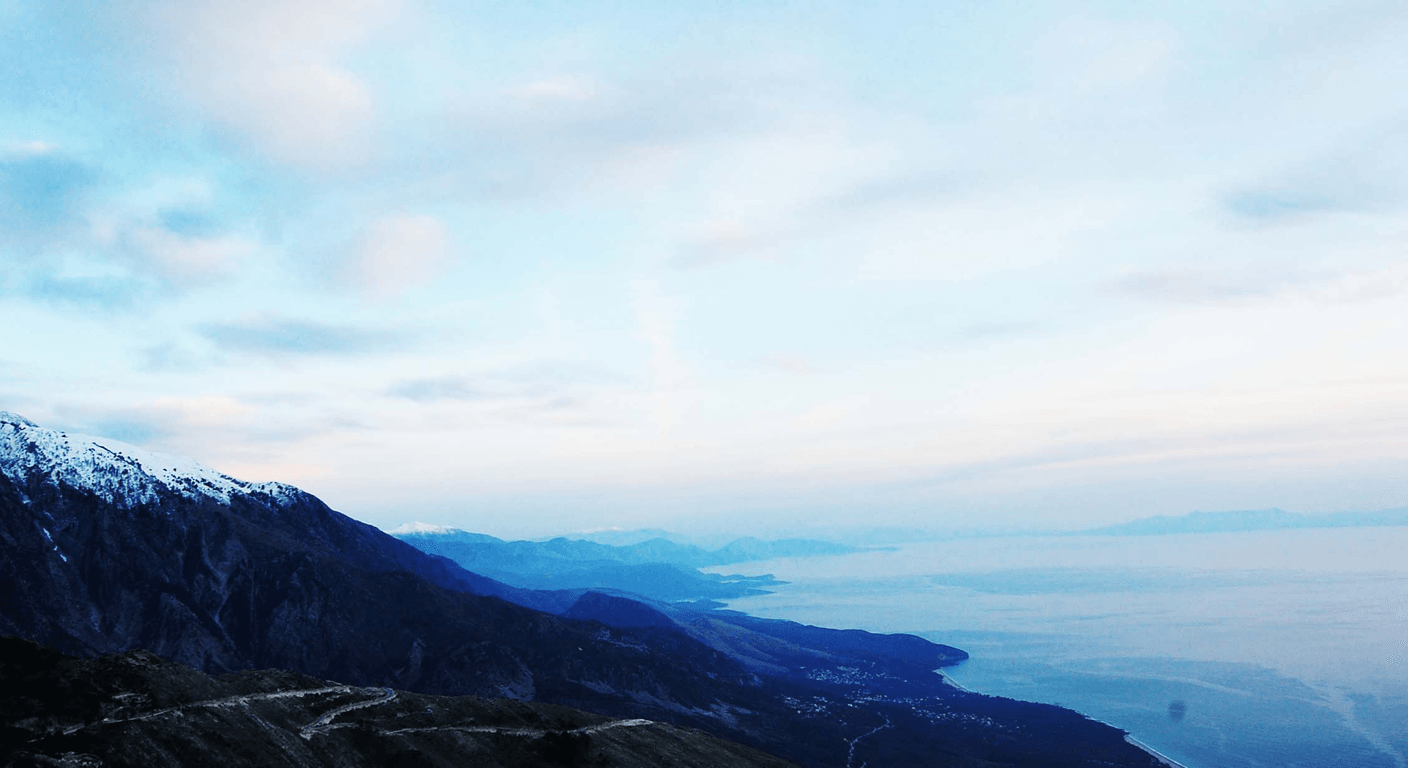
The SH8 — the road that hugs Albania's southern coast from Vlorë down through the Llogaraja Pass and on to Sarandë — is one of the more dramatic coastal drives in the Mediterranean. The Llogaraja Pass itself sits at around 1,000 metres, offering views across the Ionian Sea toward Corfu on a clear day. Concrete communist-era bunkers dot the hillsides like strange grey mushrooms — a peculiarly Albanian backdrop that becomes oddly familiar after a while.
The honest caveat: sections of this road are narrow, occasionally potholed, and poorly signed. Passing trucks on blind corners is not uncommon. If you're a confident driver in unfamiliar conditions, a hire car from a reputable company (confirm insurance cover carefully) is manageable. If you'd rather look at the scenery than grip the wheel, a private transfer or a guided small-group itinerary solves the problem cleanly. Several operators now run day trips from Sarandë that cover the key stops — Himara, Dhermi, the Llogaraja viewpoint — with a local driver who knows the road.
The drive south from Vlorë to Sarandë takes three to four hours without stops; allow a full day if you're stopping at Dhermi or Himara for lunch. Fuel stations exist along the route but are not as frequent as in Western Europe. If hiring independently, fill up when you can.
Ksamil and Sarandë: the beaches that earned the reputation
Ksamil sits at the southern tip of the Riviera, a short drive from Sarandë, and it's the beach that appears in every photograph that's ever made someone google 'Albania.' The water is genuinely that colour — a clear, shallow turquoise over white sand, with four small islands visible offshore. In May or early June, before the season peaks, you can have a stretch of it largely to yourself.
By July and August, Ksamil is busy — Albanian families, Italian and German tourists, and a growing contingent of travellers who've read the same articles. The infrastructure hasn't fully caught up with the summer crowds: parking is chaotic, beach bars vary in quality, and the village road gets congested. For a traveller who values a quieter experience, the shoulder months are genuinely better, not just marginally so.
Sarandë, the main town, is more developed and a practical base. It has a proper esplanade, ferry connections to Corfu (roughly 30–45 minutes — a worthwhile day trip), a range of restaurants, and accommodation from modest guesthouses to a handful of better-appointed hotels. The ruins of Butrint — a UNESCO World Heritage site a short drive south — are among the best-preserved Greco-Roman sites in the Balkans and worth at least half a day.
Accommodation: what 'good' looks like here, honestly
Accommodation standards along the Albanian Riviera are improving, but the gap between a photo on a booking platform and the reality on arrival is wider here than in Croatia or Greece. That's not a criticism of Albanian hospitality — guesthouse owners are often genuinely warm and the food is frequently excellent — but the fit-and-finish of rooms, the reliability of hot water, and the soundproofing between rooms can fall short of what a traveller in their late 60s might reasonably expect after a 28-hour flight.
The better-reviewed options cluster in Sarandë and, to a lesser extent, Himara. Booking through a reputable small-group operator who has vetted the accommodation takes the guesswork out of it. If booking independently, read recent reviews on Booking.com or TripAdvisor carefully, prioritise places with consistent recent feedback rather than the highest overall score, and have a backup option identified.
Budget accommodation along the coast is genuinely cheap — indicatively AUD 50–90 per night for a double in a guesthouse — while the better-appointed hotels in Sarandë run roughly AUD 120–200 per night. These are indicative figures only; confirm current pricing before booking. Air conditioning matters in July and August — confirm it's working before you commit.
Food, culture and the things that make it worth it
Albanian food along the coast is a quiet highlight. Grilled fish — sea bass, sea bream, octopus — arrives fresh and simply prepared, often with a pour of local olive oil and a plate of pickled vegetables. The local wine is underrated; Kallmet, a red grape from the north, appears on some menus and rewards the curious. A full meal for one with a glass of wine at a decent seafront restaurant in Sarandë costs indicatively AUD 25–40 — confirm current prices, but the value is real.
The cultural context is worth understanding before you arrive. Albania was one of the most isolated countries in the world under Enver Hoxha's communist regime until 1991. The legacy is visible everywhere — in the concrete bunkers, in the architecture of towns like Gjirokastër (a UNESCO-listed Ottoman city in the mountains, worth a detour), and in the way older Albanians speak about the period. It gives the country a particular texture that rewards curiosity.
Language is less of a barrier than you might expect. English is widely spoken among younger Albanians in tourist areas, and the Albanian people have a reputation — well-earned, in most travellers' experience — for being hospitable toward visitors. A few words of Albanian (faleminderit for thank you, mirëmëngjes for good morning) go down well, as they do anywhere.
Practical notes before you book
Travel insurance with pre-existing condition cover is the first thing to sort, before flights. Check that your policy covers medical evacuation from a country with limited English-language hospital capability. The Australian Government's Smartraveller registration is worth doing — it costs nothing and means DFAT can contact you if conditions change. Check smartraveller.gov.au for current safety and entry advice; the site is updated regularly and is the authoritative source for Australians.
Currency: Albania uses the lek (ALL). ATMs exist in Sarandë and larger towns; carry some cash for smaller villages and markets. Credit cards are accepted in tourist-facing businesses in Sarandë but not reliably elsewhere. Notify your bank before travelling. Mobile data: an Albanian SIM from a provider like Vodafone Albania or ALBtelecom is cheap and straightforward to buy at Tirana airport — far better than relying on roaming charges for navigation and translation apps.
Jet lag is real on this route — Albania is seven hours behind AEST in summer (AEDT in Australian autumn/winter). The eastward return journey is typically harder. Build at least one rest day into the itinerary before any long travel day, and don't schedule anything demanding on the first full day after arrival. A solo traveller has the freedom to set exactly that pace. Use it.
Quick planning guide
| Ideal pace | Slow-paced, with rest days built in around long travel days |
|---|---|
| Best months | May–June and September–October for weather, crowds and road conditions |
| Suggested stay | At least a week along the coast, plus a day settling in Tirana |
| Mobility level | Moderate — walkable towns and beaches, but winding roads and uneven infrastructure call for a guided transfer rather than independent driving for many travellers |
| Cost level | Budget-friendly to mid-range, roughly 40–60% cheaper than Greece or Montenegro |
| Comfort level | Basic to moderate — accommodation and facilities are improving but still developing compared with Croatia or Greece |
| Best for | Solo Australian travellers over 50 seeking an authentic, less-touristed Mediterranean coastline |
| Main planning consideration | Long-haul travel time, variable road quality, and the need for reputable operators or transfers to smooth over developing infrastructure |
Key takeaways
- The Albanian Riviera is genuinely scenic and significantly cheaper than Croatia or Montenegro, but infrastructure gaps mean preparation matters more than in neighbouring destinations.
- May–June and September–October offer the best balance of weather, crowd levels and road conditions for travellers over 50.
- The SH8 coastal road from Vlorë to Sarandë is one of the Mediterranean's most dramatic drives — but an organised transfer or small-group tour is the sensible choice for most solo travellers.
- Ksamil's beaches earn their reputation; visit in the shoulder season to avoid peak-summer crowds and infrastructure strain.
- Always check current visa and entry requirements on smartraveller.gov.au before booking — conditions can change, and DFAT's advice is the only reliable source for Australians.
- Travel insurance covering pre-existing conditions and medical evacuation is non-negotiable for this destination.
Recommended partners and links
Indicative prices only — always confirm with the operator before booking.
Frequently asked questions
Do Australians need a visa to visit Albania?
As of recent updates, Australian passport holders can enter Albania visa-free for short stays. However, entry conditions can change, and you should confirm current requirements on smartraveller.gov.au before booking flights or accommodation.
How do you get to the Albanian Riviera from Australia?
There are no direct flights from Australia to Albania. The most common routes connect through Dubai (Emirates), Istanbul (Turkish Airlines) or Rome, with onward travel to Tirana's Nënë Tereza International Airport. Total journey time is roughly 26–32 hours. From Tirana, the Albanian Riviera is a four-to-five-hour drive south.
Is it safe to drive independently along the Albanian Riviera?
Driving is possible but requires confidence on narrow, winding mountain roads with inconsistent signage and local traffic patterns that differ from Australian norms. Many experienced travellers over 50 prefer a private transfer or small-group tour for the coastal route, particularly the Llogaraja Pass section. If hiring a car, confirm insurance cover carefully and fill up with fuel whenever you can.
What is the best time of year to visit the Albanian Riviera for older travellers?
May to June and September to October are the recommended months. Temperatures are comfortable (roughly 22–28°C), beaches are less crowded, and the roads are easier to navigate than in peak July–August season. July and August are hot, busy and can strain accommodation and transport infrastructure.
How much does the Albanian Riviera cost compared to Greece or Croatia?
Albania is notably cheaper — indicatively 40–60 per cent less than comparable destinations in Greece or Croatia. A seafront dinner for one with wine in Sarandë runs roughly AUD 25–40, and decent guesthouse accommodation can be found for around AUD 50–90 per night. These are indicative figures only; confirm current prices before booking.