Sunrise ballooning over Alice Springs and the MacDonnell Ranges is best done April to September, when mornings are coldest but clearest, and suits a three-to-five-night stay in the town. The defining highlight is drifting silently above the ancient red ranges at first light before landing to a champagne breakfast. Mobility demand is easy — just a step into the basket — though access requires a roughly three-hour direct flight from Melbourne, Sydney or Brisbane plus operator transfers to the desert launch site.
Why Alice Springs Ballooning Suits Over-50 Travellers
There's a particular pleasure in finding an experience that delivers something genuinely remarkable without asking much of your body. Sunrise ballooning over Alice Springs is exactly that. The physical demand is minimal — a pre-dawn wakeup, a drive out to the launch site, and a step up into the basket. Once you're airborne, you simply stand and watch the country unfold below you as the light changes.
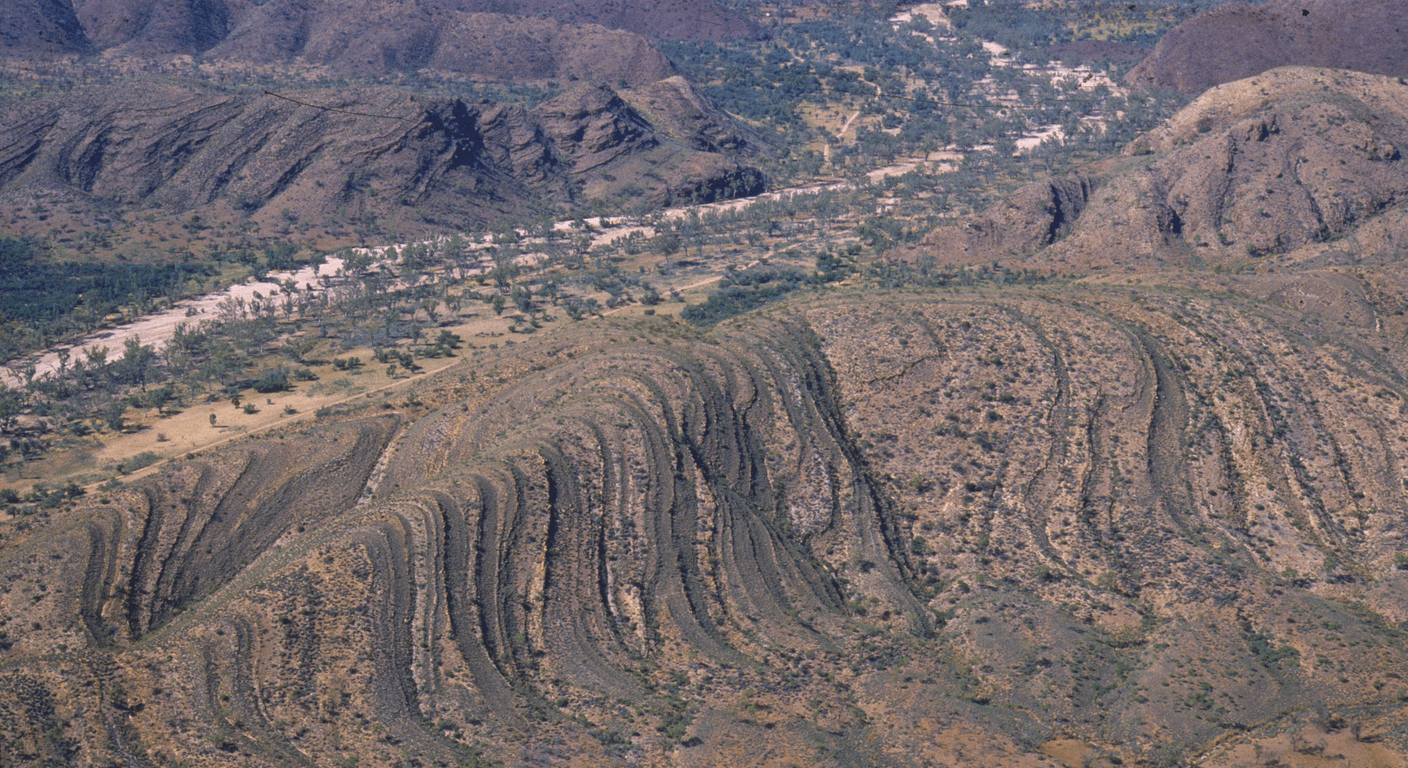
For a couple who've spent decades travelling — whether through Greece, through regional Victoria, or across the Australian continent — the Red Centre from altitude offers a perspective that's hard to describe without sounding like a brochure. The MacDonnell Ranges stretch east and west of Alice Springs for hundreds of kilometres, ancient quartzite and sandstone ridges that glow amber, rust and deep ochre as the sun climbs. From a balloon basket, you're above all of it.
Operators running these flights have been doing so for decades and understand their passengers. Many guests are in their 60s, 70s and beyond. If you have specific mobility considerations — a knee that doesn't love high steps, a hip that needs attention — it's worth a direct conversation with the operator when you book. Most are experienced at finding practical solutions, and the effort of asking is well worth it.
What Actually Happens: The Four Hours, Step by Step
Hotel pickup typically happens well before dawn — somewhere around 4:30 to 5am depending on the season and operator, as launch timing is tied to sunrise. The drive out to the launch site takes 20 to 30 minutes. There's something quietly special about moving through the desert dark, the stars still holding, knowing what's coming.
At the site, you'll watch the balloon inflate — a slow, theatrical process that's part of the experience in itself. Boarding involves stepping into the basket, which is divided into compartments. The step height varies, so if this is a concern, mention it when booking. Once everyone is settled, the ascent is gentle and almost silent. Flights run either 30 or 60 minutes depending on the package chosen; the longer flight gives the light more time to shift and the ranges more time to reveal themselves.
Landing is a gentle bump onto the desert floor, followed by the traditional champagne breakfast served on the spot. Operators typically lay out tables and chairs in the open country, with a proper spread — not a token glass and a biscuit. The return transfer to your accommodation follows, and you're generally back before mid-morning, leaving the afternoon free for rest. Total time from pickup to drop-off: roughly four hours.
Choosing Between a 30-Minute and 60-Minute Flight
The honest difference is time in the air and the quality of the light you see. A 30-minute flight catches the sunrise and delivers the essential experience — the glow, the silence, the scale of the ranges. A 60-minute flight allows the light to develop fully, the shadows to lengthen and the colours to deepen in ways that take longer to reveal themselves.
For most over-50 travellers making the journey to Alice Springs from the east coast, the 60-minute option makes sense. You've already committed the time and the fare to get there; another $100 to $150 in indicative cost (confirm with operators) is a reasonable investment in the fuller experience. That said, a 30-minute flight is by no means a lesser thing — it simply has a tighter frame.
Both durations include the champagne breakfast and return transfers. The key variable is flight availability on the day, which is weather-dependent. Operators will advise at short notice if conditions aren't suitable and will generally reschedule rather than cancel outright. Build a day's flexibility into your Alice Springs stay if you can.
Getting to Alice Springs from Melbourne and Other Eastern Cities
Alice Springs is well served by direct flights from Melbourne, Sydney and Brisbane. From Melbourne, Qantas operates direct services that run around three hours — a very manageable flight for most travellers. Rex Airlines also serves the route periodically; check current schedules and confirm availability before planning around any specific carrier.
The airport is compact and easy to navigate. Alice Springs itself is a genuine outback town, not a resort bubble, and that's part of the appeal. Accommodation ranges from comfortable mid-range hotels to a handful of well-regarded properties with good facilities. The town centre is walkable from most accommodation, though the balloon launch sites are outside town — your operator handles transfers.
For travellers arriving from interstate, a night's rest before the balloon flight is sensible. Even a three-hour flight carries some fatigue, and a 4:30am pickup after a travel day requires a certain resilience. Arriving two evenings before your flight date is the most comfortable approach. It also gives you a full day to begin exploring the town and the nearby gaps and gorges at your own pace.
The MacDonnell Ranges: What You're Actually Looking At
The West MacDonnell Ranges — known to the Western Arrernte people as Tjoritja — extend roughly 160 kilometres west of Alice Springs. The East MacDonnells stretch a similar distance in the other direction. Both ranges are among the oldest exposed rock formations on the continent, folded and eroded over hundreds of millions of years into ridges, gaps, gorges and waterholes that have sustained life in an otherwise arid landscape.
From a balloon, the geometry of the ranges becomes apparent in a way it simply isn't from a car window or a lookout. The parallel ridgelines, the sudden gaps where ancient rivers cut through, the flat red plains stretching away to every horizon — it's a kind of geography lesson delivered in the best possible way. On a clear morning, visibility can extend 50 kilometres or more.
The Arrernte people have lived in and around Alice Springs for tens of thousands of years, and the ranges carry deep cultural significance. Responsible operators acknowledge this context. If the cultural dimension interests you — and for many travellers it does — the Alice Springs Desert Park (alicespringsdesertpark.com.au) and various cultural tours run by local Aboriginal guides offer ways to go deeper into the country's story during the rest of your stay.
Practical Considerations: Clothing, Health and Travel Insurance
Desert mornings in Alice Springs can be genuinely cold, particularly between April and August. The temperature at 5am can sit anywhere from 5°C to 12°C, and the wind chill in the basket adds to that. Layering is the only sensible approach — a thermal base, a fleece or light down jacket, and a windproof outer. Operators typically advise on this at booking, but it bears repeating. By the time you're at the champagne breakfast, you'll be peeling layers as the sun does its work.
Closed-toe shoes are standard for basket safety. Cameras and phones are welcome; a wide-angle lens or a phone with a decent camera will serve you well — the landscape rewards the full frame. Leave the selfie stick at the hotel. There's not a great deal of room in the basket, and the view in front of you is more interesting than the view behind you.
Travel insurance is not optional for a trip of this nature, particularly for travellers with pre-existing health conditions. Australian insurers vary considerably in how they handle pre-existing conditions — compare policies carefully and declare everything honestly. The Northern Territory has good medical facilities in Alice Springs, but it is a long way from major hospitals in Melbourne or Sydney. Your insurer should know where you're going and what you're doing. This is standard advice, not a warning.
Making the Most of Alice Springs Beyond the Balloon
The balloon flight will occupy your first morning. The rest of your stay in Alice Springs rewards a slower approach. The West MacDonnell Ranges — Tjoritja — are accessible by hire car and offer a series of gorges, gaps and waterholes that can be visited at whatever pace suits you. Simpsons Gap is 22 kilometres from town and has accessible paths. Ormiston Gorge, further west, is more dramatic and worth the drive even if you don't walk the full circuit.
In town, the Araluen Arts Centre precinct holds the Araluen Cultural Precinct (artscentremelbourne.com.au is not the right reference here — use araluenartscentre.nt.gov.au) which includes an excellent gallery and the Namatjira collection. Albert Namatjira's watercolour landscapes of the MacDonnell Ranges have been hanging in Australian homes for generations; seeing the originals in the country that inspired them carries a different weight. The Alice Springs Desert Park, a short drive from town, gives a thorough and accessible introduction to the ecology and wildlife of the Red Centre.
For a couple travelling together, Alice Springs has an unhurried quality that suits a three-to-five-night stay without any need to fill every hour. The light in the late afternoon, when the ranges turn deep red and the shadows lengthen, is its own reward — no balloon required.
Quick planning guide
| Ideal pace | Slow-paced, unhurried |
|---|---|
| Best months | April to September for clearest, coolest conditions |
| Suggested stay | Three to five nights in Alice Springs |
| Mobility level | Easy — main effort is a pre-dawn pickup and stepping into the basket |
| Cost level | Premium, roughly $350–$600 AUD per person for the flight |
| Comfort level | Comfortable but cold before dawn; layering essential |
| Best for | Older couples and travellers wanting a memorable experience without physical exertion |
| Main planning consideration | Flights are weather-dependent, so build a day's flexibility into the itinerary |
Key takeaways
- Sunrise ballooning over the MacDonnell Ranges is rated Easy for mobility — the only physical requirement is stepping into the basket.
- A full balloon experience — pre-dawn pickup, flight, champagne breakfast, and return transfer — takes roughly four hours door to door.
- April to September offers the clearest, coolest conditions; mornings can be cold, so layering is essential.
- Flights are weather-dependent; building one day's flexibility into your Alice Springs itinerary is the practical approach.
- Indicative flight costs range from around $350 to $600 AUD per person depending on duration — confirm current pricing directly with operators.
- Direct flights from Melbourne to Alice Springs run approximately three hours on Qantas; arriving two nights before your balloon date is the most comfortable approach.
Recommended partners and links
Indicative prices only — always confirm with the operator before booking.
Frequently asked questions
Is hot air ballooning over Alice Springs suitable for older travellers with limited mobility?
Yes, for most over-50 travellers. The flight itself requires no walking or sustained physical effort. The main physical requirement is stepping into and out of the balloon basket, which involves a step of moderate height. Travellers with specific mobility needs — joint replacements, limited hip flexibility or balance concerns — should contact operators directly before booking, as experienced operators can often accommodate individual needs or advise honestly if a particular flight isn't suitable.
What is the best time of year to go ballooning in Alice Springs?
April to September are generally considered the best months. Skies are clearer, winds are more stable, and the desert landscape is at its most dramatic in the cooler light. Summer months (November to February) bring heat, occasional storms and less predictable flying conditions. Winter mornings (June to August) can be very cold — temperatures around 5°C at pre-dawn pickup — so warm layering is essential.
How much does a hot air balloon flight over Alice Springs cost?
Indicative costs range from around $350 to $600 AUD per person, depending on whether you choose a 30-minute or 60-minute flight and which operator you book with. These figures are indicative only — confirm current pricing directly with operators such as Outback Ballooning or Balloon Aloft before booking, as prices vary by season and availability.
What happens if the balloon flight is cancelled due to weather?
Hot air balloon flights are weather-dependent and can be rescheduled or cancelled if conditions are unsuitable — wind, cloud or approaching weather systems can all be factors. Reputable Alice Springs operators will advise passengers at short notice and will generally offer a rescheduled flight rather than an outright cancellation. Check each operator's specific cancellation and rebooking policy before you book, and build at least one day's flexibility into your Alice Springs itinerary.
Do I need travel insurance for a hot air balloon flight in the Northern Territory?
Travel insurance is strongly advisable for any trip to Alice Springs, and particularly for a balloon flight. Travellers with pre-existing health conditions should compare policies carefully, declare all conditions honestly, and ensure the policy covers activities such as hot air ballooning. Alice Springs has medical facilities, but it is a significant distance from major hospitals in Melbourne or Sydney. Confirm your policy terms with your insurer before travelling.