Parrtjima – A Festival in Light runs for ten free nights each April in Alice Springs, projecting Aboriginal art across roughly two kilometres of the Western MacDonnell Ranges. April brings warm days but nights below 10°C, so a stay of several nights suits combining the festival with daytime visits to Desert Park, Araluen Cultural Precinct or the West MacDonnell Ranges. The unpaved, flat festival ground makes mobility moderate, and Alice Springs is reached via a direct two-and-a-half-hour flight from Melbourne with no stopovers.
What exactly is Parrtjima, and why does it matter?
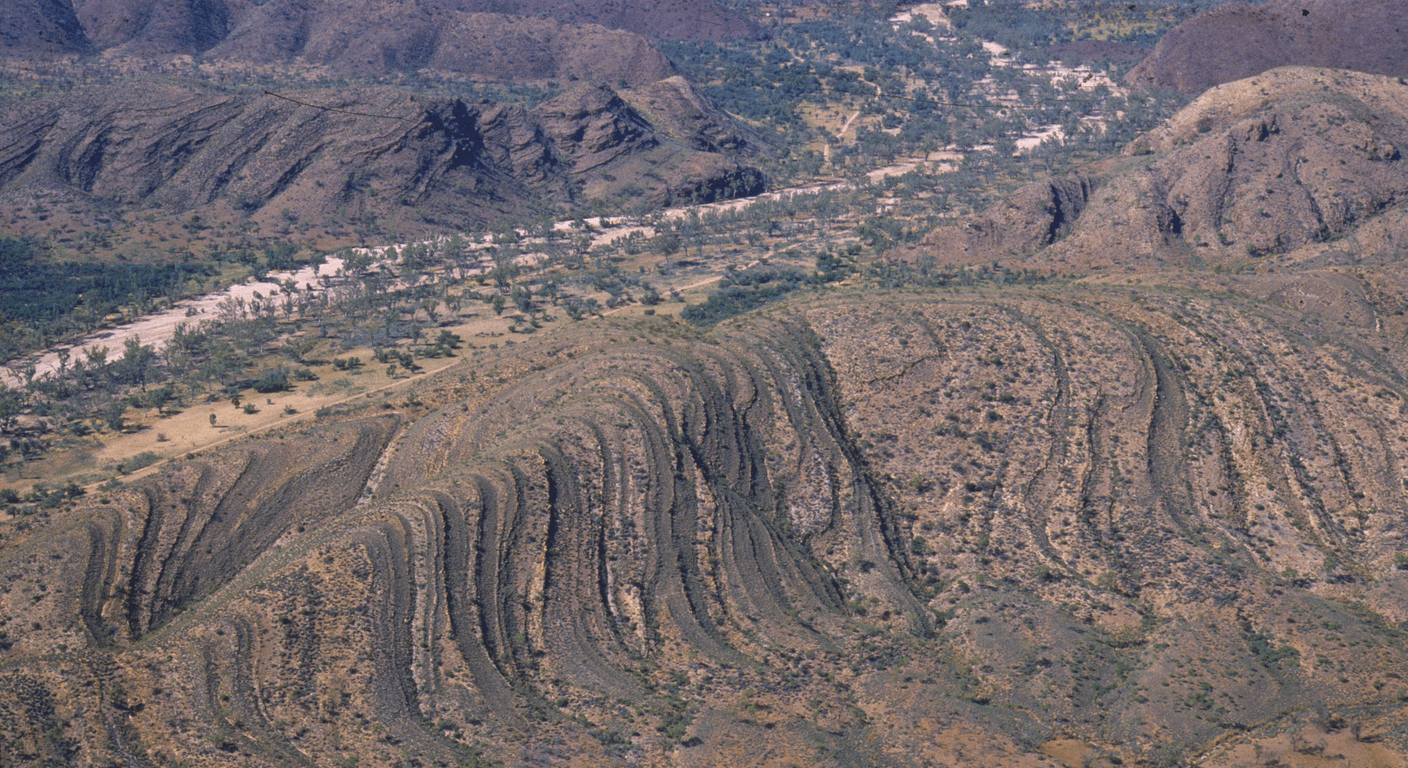
Parrtjima – A Festival in Light is an annual ten-night event held each April in Alice Springs, on the lands of the Arrernte people. Large-scale digital projections of Aboriginal art are cast across approximately two kilometres of the Western MacDonnell Ranges — the actual rock face of the ranges becomes the canvas. The name Parrtjima translates from Eastern Arrernte as 'to brighten, to lighten, to enlighten'. That's not incidental branding. The festival was conceived from the beginning as a platform for First Nations artists and storytellers, and it remains one of the most substantive public expressions of living Arrernte culture in the country.
The program extends well beyond the nightly light show. Talks, workshops and panel discussions bring artists, elders and curators together with audiences in a way that few ticketed arts festivals manage. Live music — often a mix of contemporary First Nations artists and desert country sounds — runs across the festival week. Food stalls offer a reason to arrive early and settle in before the projections begin at dusk. For a couple who wants to do more than watch from a distance, the daytime program rewards attention.
When does Parrtjima run in 2026, and how do you confirm dates?
Parrtjima typically runs for ten consecutive nights in April, with the precise window announced by Tourism NT and the festival organisers in the months prior. For 2026, exact dates had not been confirmed at time of writing. The single most important step in planning is checking parrtjimaaustralia.com.au directly, and signing up for any notification the site offers. Do not book flights and accommodation based on assumed dates from a previous year — the window can shift by a week or more.
April is the right month for Alice Springs in every practical sense: daytime temperatures are warm and manageable (typically 25–28 °C), the humidity is low, and the desert light in the late afternoon is extraordinary. But the nights cool fast. By 9 pm it can be 10 °C or below, and on a clear desert night with no cloud cover, that chill is real. A light down jacket or a wool layer is not optional — it's the thing you'll be glad you packed.
Getting to Alice Springs from Victoria — the practical reality
From Melbourne, Alice Springs is a direct flight of roughly two and a half hours with Qantas or Virgin Australia, which makes it one of the more accessible remote destinations in the country. There are no long-haul connections, no stopovers and no jet lag to manage — a genuine advantage over international festival travel. That said, Alice Springs is a small city of around 25,000 people, and its airport and accommodation sector operate under real capacity constraints during events.
Hire cars are available at the airport, and driving in Alice Springs itself is straightforward. The festival site at Desert Park Drive is on the western edge of town and is accessible by road. Taxis and rideshare services operate in Alice Springs, though supply is tighter than in a capital city. If you're not driving, confirm your transfer options before you arrive — don't assume a cab will materialise at 10 pm after the projections finish.
For grey nomads already travelling through the Northern Territory by road, Alice Springs in April fits naturally into a longer itinerary that might include Kings Canyon or Uluru. The Stuart Highway is sealed and well-maintained. Caravan parks and powered sites in and around Alice Springs also book out during Parrtjima, so the early-booking advice applies equally whether you're sleeping in a hotel room or a caravan.
What's the festival site like on the ground?
The main projection site is in the vicinity of Alice Springs Desert Park, with the ranges as the backdrop. The ground is flat but unpaved — compacted earth and gravel paths rather than sealed surfaces. For most people that's not a problem, but it does mean sensible footwear matters. Closed shoes with a decent sole are the right call; sandals or slip-ons become a nuisance on uneven gravel in the dark. A small torch or a phone with a reliable torch function is worth having for navigating between areas once the ambient light drops.
Seating is informal — blankets and fold-up chairs are commonly used by festival-goers, and there's no assigned seating for the light projections themselves. If sitting on the ground for an extended period is uncomfortable, a lightweight camp chair is worth bringing. The festival atmosphere is relaxed rather than crowded in a stressful way; this is not a shoulder-to-shoulder city event. Families, couples, solo travellers and tour groups tend to spread out naturally across the site.
Food and drink stalls operate each evening, which means you don't need to eat before you arrive. The food offerings have historically included a mix of standard festival fare and some First Nations-influenced options — worth exploring rather than treating as an afterthought. Alcohol is available at licensed areas; the broader Alice Springs context means there are some dry zones in town, so it's worth being aware of local regulations if you're moving between areas.
Accommodation: book early and don't compromise on this
Alice Springs has a solid range of accommodation for a regional city — from the DoubleTree by Hilton and Crowne Plaza at the upper end, to well-regarded mid-range motels and apartment-style options that suit longer stays. The problem during Parrtjima is not quality but availability. The festival draws visitors from across Australia and internationally, and the town's accommodation stock is finite. In recent years, properties have reported booking out weeks or even months in advance of the festival window.
The practical advice is simple: as soon as you confirm the festival dates from the official site, make your accommodation reservation. If you're travelling as a couple and want a comfortable room rather than whatever's left, this is not a situation to approach casually. Cancellation policies vary, so read the fine print — but the greater risk for most travellers is waiting too long, not booking too early.
If you're open to staying slightly outside the town centre, some pastoral station stays and eco-accommodation options exist in the wider Alice Springs region. These can be genuinely appealing — waking up to a desert sunrise before an evening at Parrtjima has its own logic. Confirm distances and transport options carefully, as some of these properties require a drive of 30–60 minutes to reach the festival site.
Beyond the festival: Alice Springs by day
Ten nights is a long festival, and Alice Springs rewards the daylight hours between sessions. The Araluen Arts Centre hosts the Araluen Cultural Precinct, which includes the Museum of Central Australia — a well-designed natural and cultural history collection that provides context for what you'll see at Parrtjima in the evenings. The Araluen Cultural Precinct also holds significant Albert Namatjira works, which deserve time and attention.
The Olive Pink Botanic Garden, a short walk from the town centre, is a quiet and genuinely interesting place to spend a morning — the focus is on Central Australian flora, and the garden sits on a rise with views across the Todd River to the ranges. Alice Springs Desert Park, adjacent to the Parrtjima site, is one of the better wildlife parks in the country: the nocturnal house, where bilbies and other desert mammals are active, is particularly good for travellers who want to see animals they won't encounter in the south.
A day trip to the West MacDonnell Ranges — Simpsons Gap, Standley Chasm, Ellery Creek Big Hole — is entirely feasible from Alice Springs and offers some of the most striking gorge scenery in Australia. The roads are sealed to the main sites and the walks range from short, flat strolls to more active scrambles. Standley Chasm is best at midday when the light hits the narrow walls directly; it's a detail worth planning around.
Travel insurance and health considerations for the Northern Territory
For travellers aged 70 and over, travel insurance with pre-existing condition cover is worth organising before any remote Australian travel, not just international trips. Alice Springs has a hospital — Alice Springs Hospital — but specialist medical services that might be needed in a cardiac or orthopaedic situation are not always available locally, and evacuation to Darwin or Adelaide is a real possibility in a serious event. Confirm your policy covers domestic medical evacuation if that's a concern.
The desert environment in April is benign by Central Australian standards, but sun exposure during the day is still significant. Hydration matters more than most travellers realise at altitude and in low humidity. The shift from warm days to cold nights — sometimes a 20-degree drop — is a genuine physical adjustment, especially for those managing circulation or respiratory conditions. None of this should deter anyone from going; it's simply the kind of honest planning that makes the experience enjoyable rather than stressful.
Quick planning guide
| Ideal pace | Slow-paced evenings, with active daytime options nearby |
|---|---|
| Best months | April, during the ten-night festival window |
| Suggested stay | Several nights to allow for the festival and nearby day trips |
| Mobility level | Moderate — flat but unpaved festival grounds; some nearby walks are more active |
| Cost level | Free festival entry, though accommodation runs mid-range to premium and books out fast |
| Comfort level | Casual and relaxed, with informal seating and warm-to-cold temperature swings |
| Best for | Couples, grey nomads and seniors interested in First Nations art and culture |
| Main planning consideration | Confirm exact festival dates early and book accommodation well in advance, as rooms sell out months ahead |
Key takeaways
- Parrtjima projects Aboriginal art across two kilometres of the MacDonnell Ranges for ten nights each April — and entry is free.
- Exact dates change each year; confirm them at parrtjimaaustralia.com.au before booking anything.
- From Melbourne, Alice Springs is a direct flight of roughly two and a half hours — no stopovers, no jet lag.
- April nights in Alice Springs can drop below 10 °C; a warm layer is essential, not optional.
- The festival site is flat but unpaved — closed shoes and a small torch make navigating after dark significantly easier.
- Accommodation in Alice Springs books out months in advance during Parrtjima; secure your room as soon as dates are confirmed.
Recommended partners and links
Indicative prices only — always confirm with the operator before booking.
Frequently asked questions
Is Parrtjima really free to attend?
Yes, general admission to the Parrtjima light projections and the main festival site is free. Some specific talks, workshops or curated experiences within the program may have ticketed elements — check the full program on parrtjimaaustralia.com.au once it's released each year.
How far do you need to walk at the Parrtjima festival site?
The main projection area spans roughly two kilometres along the base of the MacDonnell Ranges, but you don't need to walk the full length to experience the festival. Most visitors find a comfortable vantage point and settle there. The ground is flat but unpaved, and the walking is easy-paced rather than strenuous.
What should you wear to Parrtjima in April?
Comfortable, closed shoes with a decent sole are strongly recommended — sandals become awkward on gravel paths after dark. Bring a warm jacket or down layer; April nights in Alice Springs regularly drop to 10 °C or below after sunset. A small torch is also useful for moving between areas of the site.
How do you get from Alice Springs to the Parrtjima site?
The festival site is on the western edge of Alice Springs near Desert Park Drive. If you have a hire car it's a straightforward drive. Taxis and rideshare services operate in Alice Springs, but supply is limited at peak times — confirm your return transport before you arrive, particularly for late evening departures from the site.
Is Alice Springs suitable for travellers with limited mobility?
The Parrtjima site is on flat ground and is accessible for most mobility levels, though the unpaved surfaces can be uneven in places. A walking stick or trekking pole adds confidence on gravel paths after dark. Travellers using wheelchairs or mobility aids should contact the festival organisers directly via parrtjimaaustralia.com.au to confirm current accessibility arrangements before travelling.