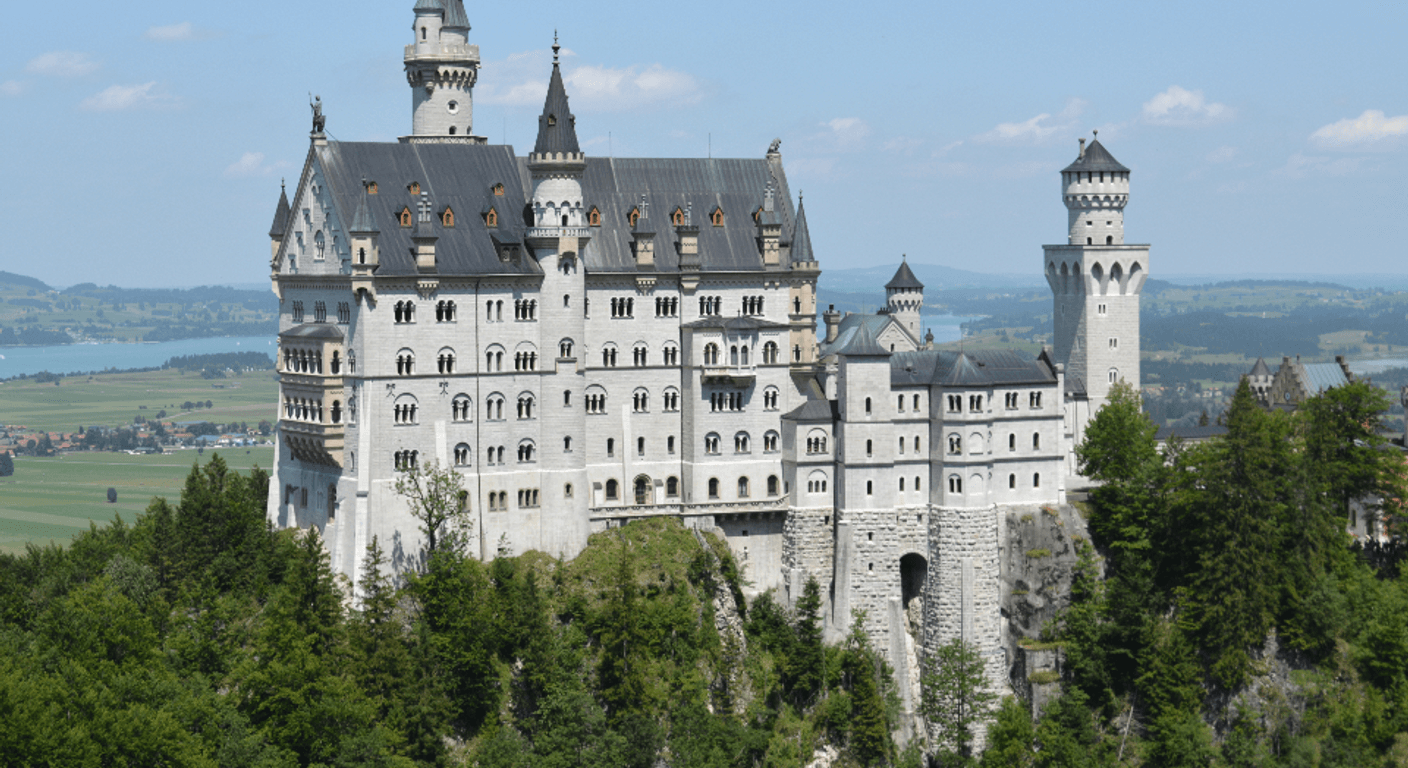
Bavaria suits travellers who like a relaxed pace, reached from Australia via one-stop flights to Munich taking 22 to 26 hours. It's best visited outside the summer peak, when Neuschwanstein's ticket queues can stretch two to three hours. Allow five to six days — three in Munich, one or two around Füssen — to take in Neuschwanstein Castle's 19th-century grandeur. Mobility is moderate: a horse-drawn carriage covers most of the steep approach, though the castle's interior tour involves stairs with no lift access.
Why Bavaria works so well for Australian travellers over 50
There's a particular ease to Bavaria that older Australian travellers tend to appreciate. Trains run on time, menus come in English, hotel lifts are standard, and the pace of life — especially outside Munich — is genuinely unhurried. For a couple in their seventies, that reliability matters. You're not improvising; you're exploring.
Bavaria also rewards cultural curiosity without requiring extreme fitness. Munich's Marienplatz, the Residenz palace complex, and the Deutsches Museum can all be done at a leisurely pace across several days. The city's famous English Garden has flat riverside paths that suit an easy morning stroll. And when you're ready for the mountains, they're an hour away by train — no hire car required.
For Greek Australians in particular, Bavaria carries a quiet historical resonance. The Wittelsbach royal family who built Neuschwanstein had deep ties to Greece — King Otto of Greece was a Wittelsbach prince, and his portrait hangs in Munich's Residenz. It's a small detail, but the kind that makes a journey feel personal rather than merely scenic.
Getting there: the long-haul reality from Australia
Munich has its own international airport (MUC), and it's well connected from Australia via one-stop routings. From Melbourne, Lufthansa operates services via Frankfurt; Singapore Airlines flies via Singapore; Emirates via Dubai. From Sydney, options are similar. Total journey time — including the stopover — typically runs 22 to 26 hours. That's a long day, and it deserves honest acknowledgement.
A recovery night on arrival is not indulgence; it's good planning. Book your first Munich hotel for two nights minimum, keep the first full day light — a slow breakfast, a walk to Marienplatz, an early dinner — and let the body recalibrate. Jet lag from Europe hits differently to Asia; the time difference from Melbourne is roughly eight hours behind in European summer (CEST), which most travellers find manageable within two to three days.
Travel insurance with pre-existing condition cover is non-negotiable for this trip. Medical care in Germany is excellent but expensive for uninsured visitors. Compare policies carefully, declare everything, and read the fine print on evacuation cover. The Australian Government's Smartraveller page for Germany (smartraveller.gov.au) is the authoritative source for current visa, entry and safety advice — check it before booking and again before departure. Australian passport holders do not currently require a visa for short stays in Germany, but the EU's ETIAS pre-travel authorisation system is expected to come into effect in 2025–2026; confirm the current status before you travel.
Munich: three days well spent
Munich is a city that rewards walking slowly. The old town around Marienplatz is compact and largely flat — the Glockenspiel tower, the Viktualienmarkt food market, and the twin-domed Frauenkirche are all within ten minutes of each other on foot. The Residenz, the former royal palace, is one of Europe's most impressive interiors and is often quieter than you'd expect for a site of its scale.
The English Garden is vast enough to absorb an entire morning. The Chinese Tower beer garden inside it is a Munich institution — a litre of Märzen at a communal timber table, surrounded by locals and visitors of every age, is one of those uncomplicated pleasures that travel sometimes delivers. The garden also has a famous artificial river wave where surfers ride year-round, which is either baffling or delightful depending on your disposition.
The Hofbräuhaus needs no introduction, though it's worth knowing that the ground floor is loud and tourist-heavy; the upper floors are calmer. For something more local, the Augustinerkeller beer garden in Arnulfstrasse or the Augustiner am Dom near the cathedral offer the same Bavarian experience without the tour-group atmosphere. Munich's restaurant scene has broadened considerably — you'll find excellent Greek tavernas and Mediterranean options alongside the schnitzel and pork knuckle, which may feel like a small comfort from home.
The day trip to Neuschwanstein: how to do it properly
Neuschwanstein is around 120 kilometres southwest of Munich, near the small town of Füssen. The standard approach is the Bayern-Ticket on Deutsche Bahn: a regional rail pass that covers two people for a flat daily fare and is valid on the train from Munich Hauptbahnhof to Füssen (roughly two hours, with one change at Buchloe or Kaufbeuren). From Füssen, bus 73 or 78 runs to Hohenschwangau village at the base of the castle hill — confirm current timetables on the Deutsche Bahn site or at the station.
The critical step is booking your timed entry ticket in advance at neuschwanstein.de. Walk-up tickets are available at the Ticket Centre in Hohenschwangau, but queues in summer can stretch to two or three hours. Online allocation is released months ahead and sells out for peak dates. Book as soon as your travel dates are confirmed. The ticket covers a guided interior tour — groups move through specific rooms at a set pace, which takes around 35 minutes inside.
The castle grounds and the famous Marienbrücke bridge (which gives the classic overhead view of Neuschwanstein) are free to visit. The bridge itself is a short walk above the castle entrance and involves some uneven stone paths — manageable for most, but take your time. The views down the valley toward the Alpsee lake and across to the neighbouring Hohenschwangau Castle are the kind that stay with you.
Accessibility at Neuschwanstein: an honest assessment
The path from Hohenschwangau village up to the castle entrance is steep — around 1.5 kilometres with a significant elevation gain. For anyone with knee issues, a replaced hip, or limited stamina for hills, this is worth thinking through carefully. The horse-drawn carriage service covers most of the climb, departing from near the Ticket Centre and dropping passengers a short walk from the entrance. It's a practical option, not a compromise — and the carriage ride itself is pleasant.
Inside the castle, the guided tour involves stairs. There is no lift access to the upper floors, and the route is not step-free. Visitors with significant mobility limitations may find the interior tour difficult or not possible. The Bavarian Palace Department's official site (neuschwanstein.de) has current accessibility information — review it before booking, and contact them directly if you have specific requirements.
Hohenschwangau Castle, the older yellow palace directly below Neuschwanstein, is a shorter, less steep walk from the village and offers a different but equally absorbing experience of Bavarian royal history. Some visitors find it more rewarding than its more famous neighbour — the rooms are more intimate, and the crowds are lighter.
Beyond Neuschwanstein: staying in Füssen and the surrounding region
Spending one or two nights in Füssen rather than day-tripping from Munich changes the experience entirely. The town itself has a well-preserved old quarter, a Benedictine monastery with a remarkable Baroque interior, and lakeside paths along the Forggensee that are flat, easy and genuinely lovely in the late afternoon light. It's quieter than Munich, the hotels are good value by German standards, and you can visit the castles in the early morning before the day-trip crowds arrive.
The Romantic Road — the famous tourist route connecting Würzburg in the north to Füssen in the south — passes through a string of medieval Bavarian towns including Rothenburg ob der Tauber, which is almost absurdly well-preserved. Deutsche Bahn connections link these towns, though a hire car gives more flexibility if driving is still comfortable for you. Confirm current road rules for Australian licence holders in Germany before deciding.
Lake Constance (Bodensee) is within reach for those adding extra days — it sits on the borders of Germany, Austria and Switzerland, and its lakeside towns are relaxed, flat and well set up for older visitors. The Austrian town of Innsbruck is another natural extension, particularly for those with an interest in alpine architecture and Habsburg history.
Practical matters: costs, currency and a few honest tips
Germany is not a budget destination in 2026, but it's manageable with reasonable planning. A mid-range Munich hotel in a central location runs roughly €150–220 per night for a double room — indicative figures only, confirm when booking. Dinner for two with wine at a sit-down restaurant in Munich's old town typically runs €60–100. Füssen and the surrounding villages are noticeably cheaper. The Bayern-Ticket for two on regional trains is one of Europe's better-value travel passes — confirm current pricing on bahn.com.
The euro is the currency throughout Bavaria. Australian debit cards with low international transaction fees (such as those from some of the online-first banks) work well at ATMs throughout Germany. Avoid airport currency exchange counters; rates are poor. Tipping is customary but not obligatory — rounding up the bill or leaving five to ten per cent is standard.
A few things worth knowing before you go: pharmacies (Apotheken) in Germany are well-stocked and pharmacists are knowledgeable — useful if you need to replace a prescription item. Carry a copy of your prescriptions and the generic names of any medications, as brand names differ. Most Munich hotels have 24-hour front desks and can assist in an emergency. And pack for variable weather: even in summer, Bavarian evenings can be cool, and the mountains bring their own microclimate.
Quick planning guide
| Ideal pace | Slow-paced and unhurried |
|---|---|
| Best months | Year-round, but outside summer peak avoids long ticket queues |
| Suggested stay | 5-6 days — 3 in Munich, 1-2 in Füssen |
| Mobility level | Moderate — steep castle approach eased by carriage, stairs inside with no lift |
| Cost level | Mid-range to premium (Munich hotels roughly €150-220/night) |
| Comfort level | High — English widely spoken, reliable trains, standard hotel lifts |
| Best for | Older couples wanting cultural sightseeing without strenuous walking |
| Main planning consideration | Book Neuschwanstein's timed entry ticket online well ahead of travel |
Key takeaways
- Neuschwanstein timed entry tickets must be booked online well in advance — same-day queues at the Ticket Centre can run two to three hours in peak season.
- The horse-drawn carriage from Hohenschwangau village covers most of the steep climb to the castle entrance, making the visit accessible for most travellers with moderate mobility.
- The Bayern-Ticket on Deutsche Bahn covers two people on regional trains for a flat daily fare — Munich to Füssen and back is one of Europe's most scenic and practical rail day trips.
- A recovery night on arrival in Munich is sound planning after a 22-to-26-hour journey from Australia, not an indulgence.
- Neuschwanstein's interior tour involves stairs and no lift access — travellers with significant mobility limitations should review the official accessibility information at neuschwanstein.de before booking.
- Check current Germany entry requirements and ETIAS status at smartraveller.gov.au before booking, and ensure travel insurance covers pre-existing conditions with evacuation included.
Recommended partners and links
Indicative prices only — always confirm with the operator before booking.
Frequently asked questions
How do you get from Munich to Neuschwanstein Castle by public transport?
Take a regional train from Munich Hauptbahnhof to Füssen — around two hours, usually with one change at Buchloe or Kaufbeuren — using a Bayern-Ticket, which covers two people on regional services for a flat daily fare. From Füssen station, bus 73 or 78 runs to Hohenschwangau village at the base of the castle hill. Confirm current timetables and fares on bahn.com before travel.
Is Neuschwanstein Castle accessible for older travellers or those with limited mobility?
The approach path from Hohenschwangau village is steep, but a horse-drawn carriage service covers most of the climb and drops passengers close to the castle entrance. Inside the castle, the guided tour involves stairs and there is no lift access to the upper floors. Travellers with significant mobility limitations should review current accessibility details at neuschwanstein.de and contact the Bavarian Palace Department directly with specific questions.
Do Australians need a visa to visit Germany in 2026?
Australian passport holders do not currently require a visa for short tourist stays in Germany. However, the EU's ETIAS pre-travel authorisation system has been in development and may be in effect by 2026 — confirm the current status at smartraveller.gov.au well before your departure date.
What is the best time of year for Australians to visit Bavaria and Neuschwanstein?
May to October offers the best conditions — alpine roads are open, wildflowers are out in June, and the days are long. July and August are the busiest months; if possible, aim for May, June, or September for lighter crowds and comfortable temperatures. Winter brings snow and a different kind of beauty, but Neuschwanstein's access paths can be icy and the castle sometimes closes sections for maintenance.
Is it worth staying overnight near Neuschwanstein rather than day-tripping from Munich?
Staying one or two nights in Füssen is worth considering. You can visit the castles in the early morning before day-trip crowds arrive, the town has its own pleasant old quarter and lakeside walks, and accommodation is generally more affordable than central Munich. It also removes the pressure of a long return train journey after a full day of sightseeing.