Berlin rewards a slow five- to seven-night stay, with its U-Bahn and S-Bahn network linking the Berlin Wall memorials, Museum Island's five galleries, and the Brandenburg Gate–Reichstag precinct. Mobility is moderate: major stations offer lift access, though some memorials have uneven ground and older stations retain stairs only. The journey from Australia takes roughly 22 to 26 hours with one stopover, landing at Berlin Brandenburg Airport, so a recovery night on arrival is advised.
Why Berlin works so well for travellers in their 50s, 60s and beyond
Berlin doesn't ask you to rush. The city's history is too dense, its galleries too substantial, its open-air memorials too quietly affecting for anyone to absorb in a day or two. That suits the over-50 traveller perfectly — this is a place that rewards curiosity and a willingness to sit with what you're seeing rather than tick it off a list.
What surprises many first-time visitors from Australia is the sheer scale of the place. Berlin is roughly nine times the size of Paris within its city limits. The good news: the U-Bahn (underground) and S-Bahn (overground metro) connect virtually every major sight, and the network runs with a reliability that puts many other European cities to shame. You don't walk between the Reichstag and Museum Island — you take the S-Bahn. That distinction matters enormously when you're managing energy across a five- or six-day trip.
For a group of friends travelling together — perhaps finally taking that European trip that kept getting postponed — Berlin also offers something intangible: the sense that history here is still being processed. The city hasn't tidied itself into a theme park of its past. Conversations in cafés, memorials in the middle of footpaths, a section of Wall in an unexpected courtyard: Berlin keeps you thinking.
Getting there: the long-haul reality from Australia
There's no point pretending the journey is easy. From Melbourne, Sydney or Brisbane, expect roughly 22 to 26 hours of total travel time including one stopover — typically in Dubai, Abu Dhabi, Doha, Singapore or a European hub such as Frankfurt or Amsterdam. Some itineraries connect through multiple European cities before reaching Berlin Tegel's replacement, Berlin Brandenburg Airport (BER), which opened in 2020 and is the city's sole international airport.
A recovery night on arrival is not optional — it's sensible planning. Book your first night's accommodation close to a metro station, keep the first day light (perhaps just a walk to a nearby café and an early night), and give your body 24 hours to adjust to the roughly seven-hour time difference from eastern Australia. Jet lag hits differently after 60, and acknowledging that isn't defeatism — it's the reason your second and third days will be so much better.
Travel insurance with coverage for pre-existing conditions is essential for any trip of this length. Compare policies carefully; some Australian insurers offer strong Europe cover while others exclude conditions declared after a certain age threshold. Keep a copy of your insurance documents, your GP's contact details, and a list of any medications (with generic names) in your carry-on. Germany has excellent healthcare, but you don't want to navigate it without cover.
Mastering the metro: your practical guide to the U-Bahn and S-Bahn
The BVG network — Berlin's public transport authority — operates the U-Bahn (underground), S-Bahn (surface metro), trams and buses on a single integrated ticketing system. For most over-50 travellers, the U-Bahn and S-Bahn will be the workhorses of every day. The BVG app (available via bvg.de) is clear, available in English, and gives real-time departures. A Berlin Welcome Card, available through visitberlin.de, covers unlimited public transport within the city zones and includes discounts at many museums — worth calculating against individual entry costs before you buy.
Accessibility varies by station. Major interchange stations — Hauptbahnhof (the central station), Alexanderplatz, Potsdamer Platz, Zoologischer Garten — have lifts and step-free access to platforms. Older U-Bahn stations on some lines may still have stairs only; the BVG website has an accessibility map, and it's worth checking before planning a route if step-free access is a priority for anyone in your group. Taxis and ride-share apps (including Uber) are also widely available as a fallback.
A practical rhythm: load a transit card or buy a multi-day pass on your first morning, screenshot the offline metro map, and you'll rarely feel lost. Trains are frequent — typically every four to ten minutes during the day — and the network covers the entire tourist corridor from Charlottenburg in the west to Museum Island and beyond in the east.
The Berlin Wall: where to go and how to approach it
The Wall fell in November 1989, but its presence is everywhere in Berlin — sometimes literally, in preserved sections; often in the form of a double line of cobblestones running through footpaths and streets that marks exactly where it stood. That line, easy to miss if you're not looking for it, is one of Berlin's most quietly powerful details.
The East Side Gallery, along Mühlenstrasse near Ostbahnhof station (S-Bahn lines S3, S5, S7, S9), is the longest preserved section — around 1.3 kilometres of the Wall's east face, painted by international artists after reunification. It's outdoors and the path is flat, though the surface can be uneven in places. Comfortable walking shoes are recommended; this is one stretch where you do walk rather than ride. Allow an hour, perhaps more if you want to read the paintings slowly rather than glance and move on.
The Berlin Wall Memorial (Gedenkstätte Berliner Mauer) on Bernauer Strasse — reached by U8 to Voltastrasse or the tram M10 — is the more sobering site. It preserves an original section of the full border strip: the Wall itself, the death strip, the watchtower. The documentation centre and open-air exhibition are free. This is the place to understand not just the structure but the human cost of it. Plan at least two hours, and go in the morning when energy is highest. The emotional weight is real.
Museum Island: five world-class institutions in one precinct
Museum Island (Museumsinsel) sits in the Spree River in central Berlin and contains five major institutions: the Pergamon Museum, the Neues Museum, the Alte Nationalgalerie, the Bode Museum and the Altes Museum. It's a UNESCO World Heritage site and, for museum lovers, it's the kind of place that makes a long-haul flight feel justified. The S-Bahn stops at Hackescher Markt, a short flat walk across the bridge.
The Pergamon Museum is undergoing a staged renovation as part of the Masterplan Museumsinsel — confirm which galleries are open before you visit via smb.museum. The Neues Museum, home to the famous bust of Nefertiti, is generally open and well worth the entry. The Alte Nationalgalerie's 19th-century European paintings are superb and often less crowded than the headline collections. Pre-booking timed entry tickets online is strongly advised, particularly in summer — queues at the door can be long, and standing for an hour on cobblestones before you've even started is nobody's idea of a good day.
A Museum Island day pass (check current pricing on smb.museum) covers all five institutions and represents good value if you plan to visit two or more. Realistically, even dedicated museum-goers should choose two institutions per day and rest in between. The café inside the Neues Museum is a civilised spot for lunch. Wear comfortable shoes with support — the gallery floors are hard, and you'll be on your feet for hours.
Brandenburg Gate, the Reichstag and the Holocaust Memorial
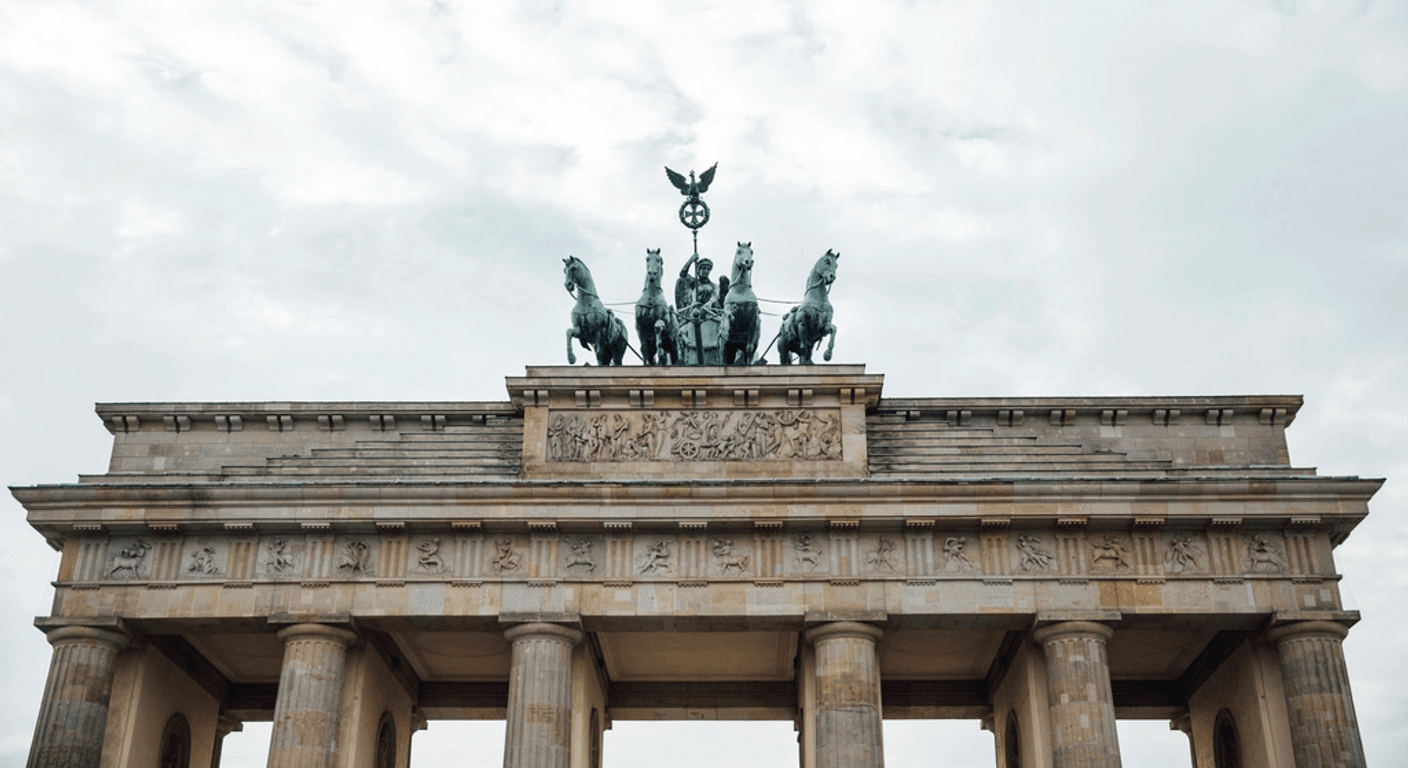
These three sites cluster in the Mitte district and form a natural half-day circuit, though the distances between them are walkable only in reasonable weather with comfortable footwear. The Brandenburg Gate itself is free to visit at any hour; it's most affecting early in the morning before tour groups arrive. The S-Bahn to Brandenburger Tor (S1, S2, S25, S26) drops you within a few hundred metres.
The Reichstag — Germany's parliament building — offers free access to its glass dome and rooftop terrace, with views across the entire city. Booking is mandatory and must be done well in advance via the Bundestag's official website (bundestag.de). Bring your passport, as ID is required at entry. The lift takes you up; the dome's internal ramp is a gentle spiral, manageable for most visitors, though it does involve continuous walking on a slope. The view rewards the effort.
The Memorial to the Murdered Jews of Europe (often called the Holocaust Memorial), designed by architect Peter Eisenman, covers a full city block between the Gate and Potsdamer Platz. The 2,711 concrete stelae — varying in height from ankle-level to well above head height — are set on undulating ground, which can be disorienting and uneven underfoot. The perimeter is flat; the interior requires care. The underground Information Centre beneath the memorial is accessible by lift and provides essential historical context. Entry to both the memorial and the centre is free.
Practical pacing: a five-night framework for over-50 travellers
Night one is a recovery night — arrive, check in, eat something simple near the hotel, sleep. Day one proper: orient yourself with a short metro ride to the Reichstag area, pick up a transit card or Welcome Card, and have a slow look around the Government Quarter without any pressure to achieve anything. Day two: East Side Gallery in the morning, Bernauer Strasse memorial in the afternoon, an early dinner in Prenzlauer Berg, which has a relaxed neighbourhood feel and easy tram access.
Day three is Museum Island day — two institutions maximum, a long lunch in between, back to the hotel by mid-afternoon. Day four: Brandenburg Gate early, Holocaust Memorial at your own pace, the Topography of Terror (a free outdoor and indoor exhibition on the site of the former SS and Gestapo headquarters) if energy allows. Day five: Charlottenburg Palace in the west of the city for something different — formal baroque gardens, a palace interior, and the pleasant Ku'damm shopping boulevard nearby for those who want it. Fly home on day six or add extra days at will.
This isn't a rushed itinerary. It's designed so that each day has one substantial commitment and room to breathe around it. Berlin's café culture — strong coffee, good cake, unhurried service — makes it easy to stop, rest and absorb what you've just seen. Take that time. It's the difference between remembering Berlin and merely having been there.
Quick planning guide
| Ideal pace | Slow — one substantial sight per day with room to rest |
|---|---|
| Best months | No single best season noted; summer brings larger crowds and queues at major sites |
| Suggested stay | Five to seven nights minimum |
| Mobility level | Moderate — flat metro access at major stations, but uneven ground at memorials and stairs-only at some older stations |
| Cost level | Moderate, with transport and museum passes offering good value if planned ahead |
| Comfort level | Comfortable with planning — a recovery night and paced itinerary recommended after the long-haul flight |
| Best for | History lovers, museum-goers, and groups of friends travelling together |
| Main planning consideration | Managing energy across a long-haul journey and a physically dense itinerary — pre-book Reichstag dome and Museum Island tickets well in advance |
Key takeaways
- Berlin's U-Bahn and S-Bahn connect every major sight — plan your days around metro lines, not walking distances.
- Allow a minimum of five nights; five to seven nights is the honest minimum for the city's main historical sites at a comfortable pace.
- A recovery night on arrival after a 22–26 hour journey from Australia is not optional — it's the reason the rest of the trip goes well.
- Pre-book timed entry to the Reichstag dome (bundestag.de) and Museum Island tickets well before you travel — both can sell out weeks ahead.
- Confirm Schengen entry rules, EES requirements and travel insurance with pre-existing condition cover on smartraveller.gov.au before booking.
- The Berlin Welcome Card covers unlimited public transport and museum discounts — calculate whether it suits your itinerary before purchasing.
Recommended partners and links
Indicative prices only — always confirm with the operator before booking.
Frequently asked questions
Is Berlin easy to navigate for travellers over 50?
Berlin is manageable for most travellers over 50, provided you use the metro rather than walking between sights. The U-Bahn and S-Bahn cover the entire tourist corridor efficiently. Major stations have lifts and step-free access, though some older stations on certain lines still have stairs — check the BVG accessibility map at bvg.de before planning your route. Comfortable, supportive footwear is essential, as many outdoor sites and museum floors involve prolonged standing.
How long is the flight from Australia to Berlin?
Flights from Melbourne, Sydney or Brisbane to Berlin take roughly 22 to 26 hours including one stopover, typically in Dubai, Abu Dhabi, Doha, Singapore or a European hub such as Frankfurt. Berlin's only international airport is Berlin Brandenburg (BER). There are no non-stop flights from Australia to Berlin; confirm current routing and connections with your airline or travel agent before booking.
Do Australians need a visa to visit Berlin?
As of mid-2025, Australian citizens can visit Germany and the Schengen Area for up to 90 days within any 180-day period without a visa. However, Europe's new Entry/Exit System (EES) is expected to introduce digital border registration for non-EU visitors — confirm current entry requirements for Australians on smartraveller.gov.au before finalising your trip, as rules may have changed.
What is the best time of year for Australians to visit Berlin?
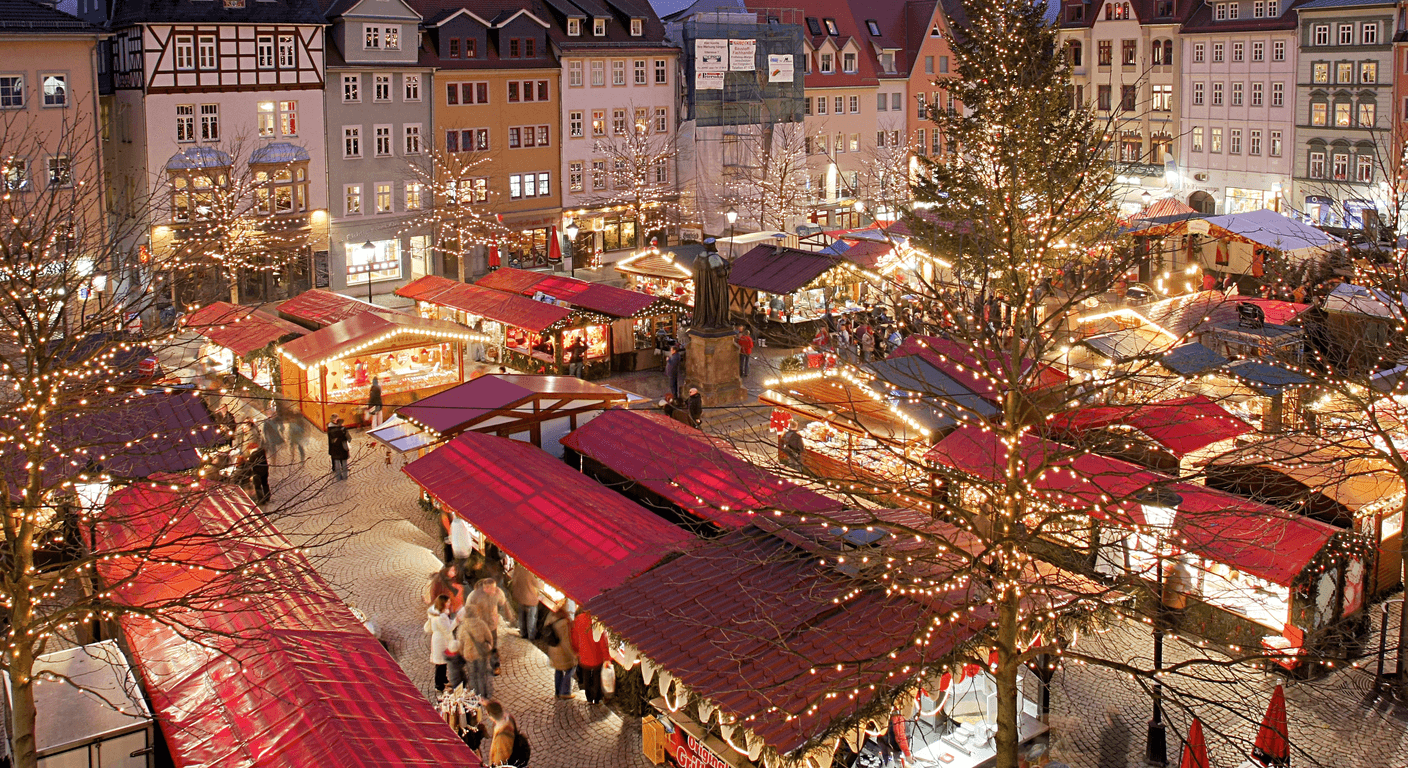
April to June and September to October are the most comfortable months for travellers from Australia. Temperatures are mild (roughly 15–22°C), daylight hours are long, and the city is busy but not at its summer peak. July and August are the warmest months but also the most crowded and expensive. Winter (December to February) is cold and dark, though Christmas markets in late November and December are a genuine draw if you're prepared for temperatures near or below zero.
Is travel insurance with pre-existing conditions available for a Berlin trip?
Yes, several Australian insurers offer travel insurance that covers pre-existing medical conditions for European travel, though policies, premiums and exclusions vary significantly. Compare policies carefully, declare all conditions accurately, and read the fine print on coverage limits. Germany has high-quality healthcare, but treatment costs without insurance can be substantial. The Australian Government's Smartraveller website (smartraveller.gov.au) has guidance on what to look for in a travel insurance policy.
- Visit Berlin — Official Berlin Tourism
- BVG — Berlin Public Transport (U-Bahn, S-Bahn, accessibility information)
- Staatliche Museen zu Berlin — Museum Island and State Museums
- Bundestag — Reichstag Dome Visitor Registration
- Gedenkstätte Berliner Mauer — Berlin Wall Memorial
- Stiftung Denkmal — Memorial to the Murdered Jews of Europe
- Smartraveller — Australian Government Travel Advice: Germany