Moldova sits at the quiet edge of Europe, a small landlocked country between Romania and Ukraine that most travellers pass over without a second glance. That oversight works entirely in your favour. For over-50 Australians who've done the obvious European circuit and want something genuinely unhurried — decent wine, old monasteries, affordable lunches, and almost no tourist crowds — Moldova is a considered choice, not a compromise.
Why Moldova? The case for Europe's quietest country
There's a particular pleasure in arriving somewhere that hasn't been polished for tourism. Moldova — smaller than Tasmania, with a population of under three million — has vineyards older than most Australian towns, a monastery carved into a cliff above a river bend, and a capital city where you can sit at a pavement café in the afternoon sun and not be jostled by a single tour group. For travellers who've done Rome and Paris and Barcelona and are quietly wondering what comes next, Moldova answers that question without requiring any great physical exertion.
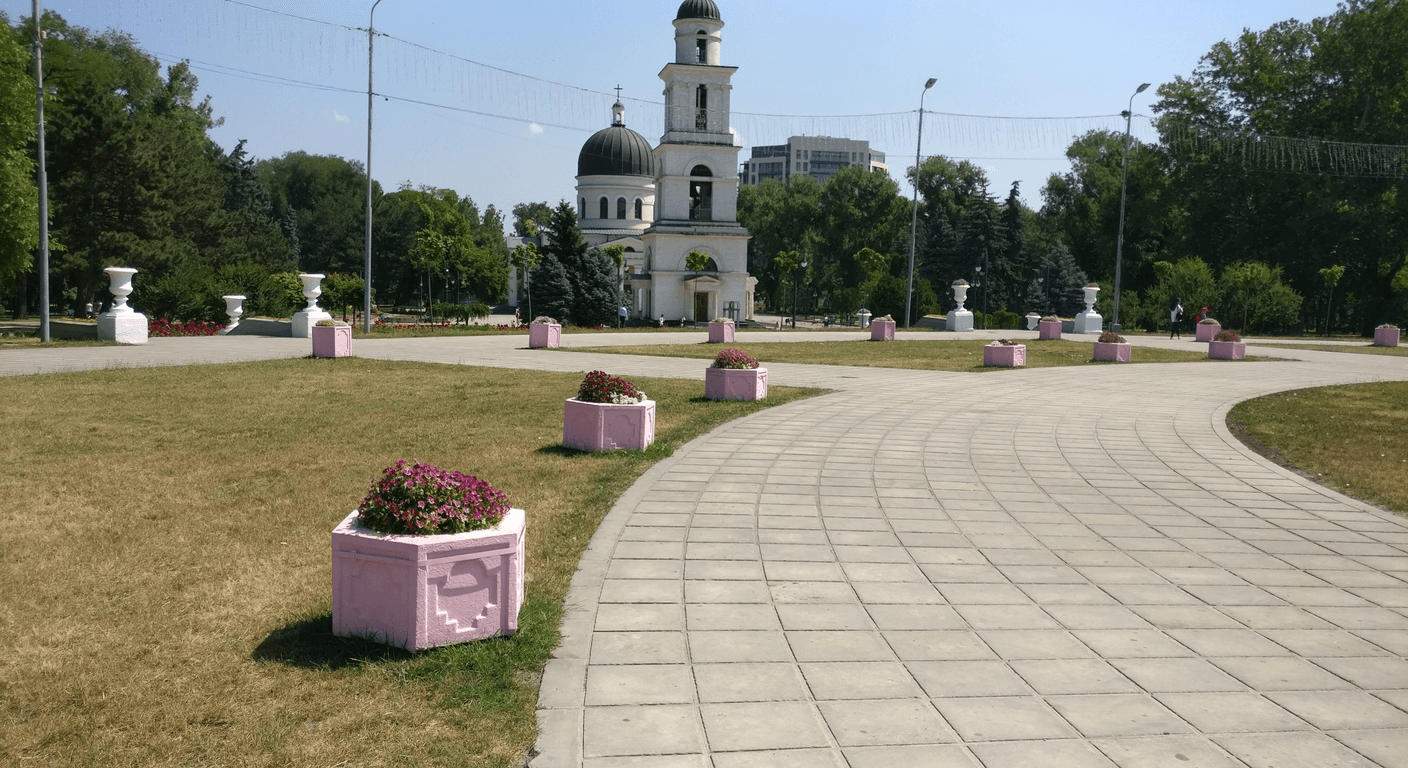
The country's appeal to over-50 Australians is specific and honest. It isn't dramatic scenery or world-class museums. It's the combination of very low costs, genuinely warm hospitality, excellent wine available for a fraction of what you'd pay in Western Europe, and a pace that rewards the unhurried. A good day in Moldova might mean a late breakfast, a slow walk through Chisinau's central park, lunch at a local restaurant for under fifteen Australian dollars, and an afternoon rest before dinner. That's not a lesser version of travel. That's the point.
Interest in Moldova has grown steadily through creator-led travel content in recent years, with independent travellers — including Australian women travelling in small groups — sharing accounts of arriving nervous and leaving surprised by how straightforward and affordable the experience turned out to be. The YouTuber jordentually documented the country with refreshing honesty, noting both its charms and its rough edges, and that kind of grounded perspective is more useful to an over-50 traveller than any glossy brochure.
Getting there from Australia: realistic routing and what to expect
There's no direct flight from Australia to Moldova. Chisinau's international airport (KIV) is small but functional, and the most practical approach from Australian east-coast cities is a connecting route through Istanbul (via Turkish Airlines), Vienna (via Austrian Airlines or Lufthansa through Frankfurt), or Bucharest (via TAROM or connecting carriers). Total travel time, including connections, runs roughly 22 to 28 hours depending on your routing and layover length. Budget from around AUD 2,200 to AUD 3,800 return from Sydney or Melbourne in economy class for a reasonable mid-range booking — though prices shift considerably with season and how far ahead you book. These are indicative figures only; confirm current fares with your preferred carrier or a travel agent.
A layover routing via Istanbul or Vienna has practical advantages: both cities are pleasant places to spend a night if you want to break the journey, and both Ataturk and Vienna International airports are well set up for older travellers with good lift access and clear signage. A recovery night in your first connection city is worth considering, particularly if you're managing jet lag alongside any health conditions. Moldova is in Eastern European Time (UTC+2 in winter, UTC+3 in summer), so the time difference from Melbourne is roughly six to seven hours behind — more manageable than long-haul Pacific or US routes.
Visa requirements for Australian passport holders to Moldova should be confirmed directly with the Moldovan embassy or your travel agent before booking, as arrangements can change, particularly given Moldova's ongoing EU accession process. Travel insurance is essential, and if you have pre-existing health conditions, declare them fully when purchasing your policy. Medical facilities in Chisinau are adequate for routine care but limited by Australian standards; for anything serious, evacuation cover matters.
A calm 4–6 day pacing plan: how to structure your time
Chisinau works well as your single base for the whole stay. The city is compact enough that you won't feel the need to move around, and the central area — roughly the district around Stefan cel Mare Boulevard and the surrounding parks and streets — has everything you need within a short taxi or walk. Day one should be genuinely gentle: a late arrival meal, a walk through the central park the following morning, and a look at the covered central market (Piata Centrala) where the produce alone is worth an hour of your time. Afternoon rest is not optional after a long-haul flight — build it in.
Days two and three are where the wine comes in. The cellars at Cricova and Milestii Mici are both within about 20 to 30 kilometres of Chisinau. Critically for over-50 travellers: do not attempt to drive yourself to either cellar. The tours involve navigating underground roads by vehicle — your guide drives, you ride. Book a guided tour directly through the winery websites (both have English-language booking options) and arrange a taxi or tour transfer from your accommodation in Chisinau. A half-day is sufficient for one cellar; you don't need to do both on the same day, and most travellers find one cellar visit more than enough. The scale underground is genuinely extraordinary — Milestii Mici holds a Guinness record for the world's largest wine collection — but the experience is about atmosphere and tasting, not endurance.
Reserve day four or five for Orheiul Vechi, the rock-hewn monastery complex about 60 kilometres north of Chisinau. The most comfortable approach is a private day-tour arranged through your hotel or a local operator — public transport connections are slow and infrequent, and the site itself involves an uneven path down to the cliff face that requires care but is manageable for most moderately mobile travellers with sensible footwear. The view over the Raut River valley from the monastery is the kind of quiet thing you remember. Leave the last day in Chisinau free: the National History Museum, a long lunch, and a final walk through the old streets at your own pace.
Chisinau on foot: what to expect and honest accessibility notes
Chisinau's central area is walkable, but uneven. Pavements throughout the city — including in the older streets near the central market and cathedral — can be cracked, raised, or absent in patches. This is not unusual for Eastern European cities of its era, but it's worth knowing before you arrive. Good walking shoes with ankle support are the single most important thing to pack. If you use a walking stick or have balance concerns, you'll want to factor in more time and choose your routes carefully.
Older buildings — including many of the guesthouses and small hotels in the city's historic fabric — rarely have lifts. When booking accommodation, ask specifically about floor level and stair access if this matters to you. Newer hotels in the central district are more likely to have lift access; the booking platform will usually specify, but it's worth a direct email to confirm. Restaurant entrances can also involve steps; again, worth checking if mobility is a consideration.
For getting around the city, the ride-hailing apps Bolt and Yandex Taxi both operate in Chisinau and are significantly safer and more transparent than flagging an unmarked cab on the street. Fares are low — a short city trip is indicatively a few Australian dollars — and you can set your destination in the app without needing to speak Romanian or Russian. Download both apps before you leave Australia and have a local SIM or roaming data ready. Your hotel's front desk can help you with app setup on arrival if needed.
Safety, language and what to know before you go
Chisinau's central areas are safe for senior travellers, including solo women, during daylight hours and in the well-lit evening streets around the main boulevard and restaurant district. Street crime targeting tourists exists, as it does in any city, but is not a defining feature of the place. Standard precautions apply: keep your bag close in the market, avoid displaying expensive cameras or jewellery unnecessarily, and don't carry more cash than you need for the day. The Australian government's Smartraveller advisory for Moldova (smartraveller.gov.au) should be checked before booking, as the situation near the Transnistria region — a separatist territory in the east of the country — means that area is not recommended for casual tourism.
Overnight bus travel is not recommended for over-50 travellers in Moldova. Intercity buses are cheap but slow, often overnight, and not designed for comfort or accessibility. If you're considering a day trip beyond the Orheiul Vechi excursion, private hire through your hotel or a local tour operator is a far more sensible arrangement. Trains exist but coverage is limited.
Language is the most significant practical challenge for Australian travellers. Romanian is the official language; Russian is widely spoken, particularly among older residents. English is understood in central Chisinau — at hotels, better restaurants, and wine-cellar tour operations — but signage in English is sparse outside the capital, and in regional areas you may encounter no English at all. A translation app (Google Translate works in offline mode with the Romanian language pack downloaded) is genuinely useful. Learning a handful of Romanian courtesies — mulțumesc (thank you), vă rog (please), scuzați-mă (excuse me) — is appreciated and opens doors. Moldovans are, by consistent account, hospitable to visitors who make a small effort.
Money matters: costs, currency and cards
Moldova uses the Moldovan leu (MDL). At the time of writing, the exchange rate makes Moldova one of the most affordable countries in Europe for Australian travellers, though you should confirm current rates before travel. Budget accommodation in Chisinau runs indicatively from around AUD 40–60 per night for a clean, basic guesthouse; mid-range hotels in the central district sit roughly in the AUD 80–140 per night range; and comfortable, well-reviewed hotels with good facilities are available from around AUD 150–220 per night. These are broad indicative ranges — confirm current pricing directly with properties or booking platforms.
Meals are very affordable by Australian standards. A sit-down lunch at a local restaurant — soup, a main, and a glass of local wine — might cost indicatively AUD 12–20 per person. Dinner at a better restaurant in the centre rarely exceeds AUD 35–50 per person with drinks. Guided wine-cellar tours with tastings at Cricova or Milestii Mici are roughly AUD 20–60 per person depending on the package chosen; confirm current pricing on the winery websites before booking. A private day-tour to Orheiul Vechi through a local operator runs indicatively AUD 60–120 per person depending on group size and inclusions.
Card acceptance is improving in Chisinau — most central hotels, restaurants and shops accept Visa and Mastercard — but cash remains essential for markets, smaller eateries, taxis booked outside apps, and anything in regional areas. Withdraw leu from ATMs in Chisinau (those attached to reputable banks are the safest option) rather than exchanging Australian dollars informally. Carry a mix: some cash, a travel card with low foreign-transaction fees, and a backup card stored separately from your wallet. Notify your bank before travel.
Eating, drinking and the quiet pleasure of Moldovan hospitality
Moldovan food is hearty, seasonal, and deeply rooted in the land. Mămăligă — a polenta-style cornmeal dish — appears as a side to almost everything, often with sour cream and cheese. Sarmale (stuffed cabbage rolls), zeamă (a sour chicken soup that's the local cold remedy and general cure-all), and grilled meats are the backbone of most menus. The food is not sophisticated in a fine-dining sense, but it's honest and good, and portions are generous. Vegetarians will find options limited in traditional restaurants, though Chisinau's central dining district has broadened considerably.
The wine deserves its reputation. Moldova has been producing wine for thousands of years, and the local varieties — including Feteasca Neagra and Rara Neagra reds — are worth seeking out beyond the cellar tour. Ask your hotel or restaurant for local label recommendations rather than the international varieties; the price difference is significant and the local bottles are often the better choice. A bottle of very decent Moldovan red at a restaurant might cost you the equivalent of AUD 8–15. It's the kind of detail that makes you recalculate your entire understanding of what a European wine trip needs to cost.
Service throughout Moldova tends to be formal by Australian standards — not unfriendly, but not effusive either. Don't mistake reserve for rudeness. Once a connection is made — a shared laugh over a translation mishap, a genuine compliment about the food — Moldovan hospitality warms quickly. Travelling in a small group of women, as many Australian over-50 travellers do, tends to be received warmly, and the safety profile for that group in central Chisinau is reassuring rather than concerning.
Key takeaways
- Moldova is one of Europe's most affordable destinations for Australian travellers, with mid-range accommodation, meals and wine tours all costing a fraction of Western European equivalents.
- Getting there from Australia requires a connection through Istanbul, Vienna or Bucharest — allow 22 to 28 hours total travel time and consider a recovery night at your stopover city.
- Book wine-cellar tours at Cricova or Milestii Mici directly through official winery websites, and arrange transport from Chisinau rather than attempting to drive yourself.
- Chisinau's central areas are safe and walkable for senior travellers, but uneven pavements mean good ankle-support footwear is essential.
- Use Bolt or Yandex Taxi apps rather than unmarked street cabs — fares are low, routes are tracked, and no Romanian or Russian is required.
- English is limited outside central Chisinau; download a Romanian offline translation pack and carry cash in Moldovan leu for regional areas and markets.
Recommended partners and links
Indicative prices only — always confirm with the operator before booking.
Frequently asked questions
Do Australians need a visa to visit Moldova?
Visa requirements for Australian passport holders to Moldova can change, particularly given Moldova's EU accession process. Confirm current entry requirements directly with the Moldovan Embassy or your travel agent well before booking. Do not rely on secondhand information for visa rules.
Is Moldova safe for solo female senior travellers?
The central areas of Chisinau are considered safe for solo female travellers, including older women, during daylight and in well-lit evening areas. Standard urban precautions apply. The Transnistria region in the east of the country is not recommended for casual tourism; check the Australian government's Smartraveller advisory at smartraveller.gov.au before booking.
How do you get from Chisinau to the wine cellars at Cricova and Milestii Mici?
The most practical approach is to book a guided tour directly through the winery's official website and arrange a taxi or private transfer from your Chisinau accommodation. Self-driving is not recommended for visitors, as the tours involve vehicle navigation underground. Both wineries are within 20 to 30 kilometres of the city centre.
What is the best time of year to visit Moldova?
May through September offers the most reliable weather for visiting Moldova, with warm days and long evenings. June and September are particularly comfortable — warm without the peak summer heat of July and August. Avoid winter travel unless you're specifically interested in the wine-cellar experience, as outdoor sights are less appealing in cold, grey conditions.
Can you use credit cards in Moldova, or is cash necessary?
Card acceptance is improving in central Chisinau, with most hotels, better restaurants and shops accepting Visa and Mastercard. However, cash in Moldovan leu is essential for markets, smaller eateries, and anything outside the capital. Withdraw leu from reputable bank ATMs in Chisinau and carry a mix of cash and cards. Notify your bank before travel.