This guide selects twelve to fifteen Australian destinations for over-50s, from the Grampians and Freycinet to Uluru, Margaret River and the Kimberley, plus Kyoto and New Zealand's South Island. Shoulder seasons (autumn and spring) generally suit most regions best, with stays of a few days to a week. Mobility is rated honestly per destination, ranging from Easy to Active, and access varies from short drives to regional flights or expedition cruises for remote spots.
Why This List Is Different
Most 'best of Australia' lists are assembled by committee, approved by tourism boards, and read like brochures. This one starts from a different question: where would a well-travelled Australian over fifty actually want to spend a week of their life? That means weighing the walk distances, the quality of the food, the likelihood of a good night's sleep, and whether the thing you're going to see is genuinely worth the journey — not just photogenic on someone else's Instagram.
The destinations here span every state and territory. Some are coastal, some are outback, some are cities you think you know but haven't seen slowly. Each has been assessed on four honest criteria: what makes it compelling for this age group specifically, when to go, how demanding it is physically, and roughly what it costs. The mobility ratings — Easy, Moderate, or Active — are honest, not optimistic.
A note on international options: this guide is primarily domestic, but two international destinations within the Asia-Pacific region earn a mention at the end because they're genuinely suited to Australian over-50s and frequently come up in conversation. The long-haul realities are addressed plainly.
Victoria and Tasmania: Slow, Considered, Rewarding
The Grampians (Gariwerd), Victoria — three hours west of Melbourne by car or daily coach, this sandstone range is one of the most underrated landscapes in the country. The rock art at Bunjil's Shelter is extraordinary, the wildflower season (August–October) is genuinely spectacular without requiring superlatives, and the town of Halls Gap has lifted its accommodation and dining game considerably. Most of the key lookouts and gallery walks are paved or well-graded. Mobility: Moderate. Indicative cost: mid-range, with quality stays available from around $180–$280 per night — confirm current rates. Best months: August to November.
Freycinet Peninsula, Tasmania — Coles Bay is a small settlement on Tasmania's east coast with a quality-to-crowd ratio that remains one of Australia's best-kept practical secrets. The walk to Wineglass Bay lookout is 45 minutes each way on a well-maintained track with a reasonable incline — doable for most active over-60s, though the return climb earns its rest. The alternative is a cruise into the bay itself, which removes the gradient entirely. Oysters from the local farms, wallabies at dusk, and some of the clearest skies in the southern hemisphere. Mobility: Moderate (Active for the full walk). Best months: November to April. Indicative: expect to pay around $250–$400 per night at the peninsula's better lodges.
Hobart and MONA — Hobart is one of the few Australian cities that rewards genuine slowness. The Salamanca Market on Saturday mornings, the Battery Point streets, the ferry to MONA (Museum of Old and New Art) — these are experiences that don't require stamina so much as curiosity and a willingness to sit with something difficult. MONA is confronting, funny, occasionally baffling, and completely unlike any other museum in the country. The ferry from Brooke Street Pier takes about 25 minutes each way. Mobility: Easy to Moderate. Best months: November to March. MONA details at mona.net.au.
South Australia: Food, Wine, and Genuine Depth
The Barossa Valley — forty-five minutes from Adelaide, which means it's genuinely easy to combine with a city stay rather than treating it as a separate trip. The Barossa isn't just Shiraz and cellar doors, though those are excellent. It's a German Lutheran settlement history that you can read in the stone churches and the mettwurst still sold at local delis. Seppeltsfield's 100-year-old tawny, tasted in the barrel hall, is a remarkable experience for anyone who appreciates how time changes things. Most cellar doors are flat, accessible, and unhurried. Mobility: Easy. Best months: March to May, September to November. Indicative: cellar door tastings from around $10–$30 per person; confirm.
Kangaroo Island — this is the destination that keeps returning to the conversation because it delivers on multiple levels simultaneously: wildlife that is genuinely close and unhurried, a coastline of serious drama at Remarkable Rocks and Admirals Arch, and an emerging food scene built on local seafood and marron. The 2020 bushfires affected parts of the island significantly, but recovery has been substantial. Fly from Adelaide (around 30 minutes with Regional Express — rex.com.au) or take the SeaLink ferry from Cape Jervis (confirm current schedules at sealink.com.au). A hire car is effectively necessary on the island. Mobility: Moderate. Best months: September to April.
The Flinders Ranges — specifically Wilpena Pound, the natural amphitheatre in the northern Flinders. It's a long drive from Adelaide (around five hours) or a short flight with regional services. The Ikara-Flinders Ranges National Park is ancient — the rock formations predate most of what we think of as geological history. The Pound itself can be explored by 4WD tour, helicopter, or on foot; the choice depends entirely on what your knees are telling you that morning. Accommodation at Wilpena Pound Resort is comfortable and well-positioned. Mobility: Moderate to Active depending on chosen activities. Best months: April to October — avoid summer heat. Parks SA details at parks.sa.gov.au.
Queensland and Northern Territory: Warmth, Scale, and Wildlife
Noosa, Queensland — Noosa earns its place on this list not through hype but through consistent quality. The national park walk from Laguna Lookout to Hells Gate and Tea Tree Bay is one of the finest coastal walks in Australia: well-maintained, shaded, with koalas in the trees above the path if you go slowly enough. Hastings Street remains one of the more pleasant main streets in regional Australia, with restaurants that take their produce seriously. Mobility: Moderate. The national park trails are well-graded but have some gradient. Best months: May to October. Indicative: mid-to-high cost for accommodation; confirm current rates with Tourism Noosa at visitnoosa.com.au.
Darwin and the Top End, Northern Territory — Darwin is often overlooked by southern Australians who associate the Top End only with humidity and crocodiles. Both are real, but the dry season (May to September) is genuinely pleasant, and the combination of Kakadu National Park, the Mindil Beach Sunset Market, and the Territory's Indigenous cultural experiences is unlike anything else in the country. The Yellow Water Billabong cruise at dawn — saltwater crocodiles, jabiru storks, lotus flowers — is the kind of experience that stays with you. Mobility: Moderate; some Kakadu sites require short walks on uneven ground. Best months: May to September strictly. Kakadu details at parksaustralia.gov.au/kakadu.
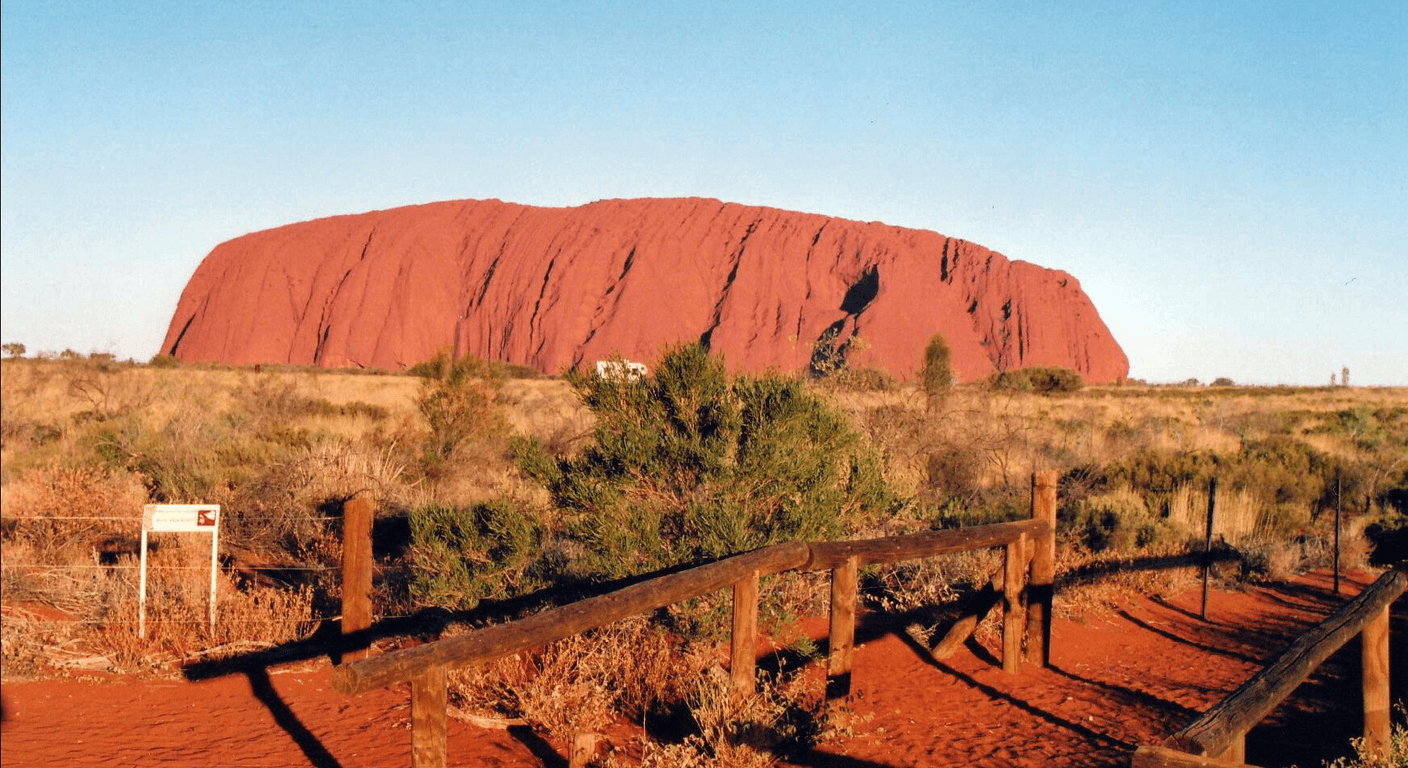
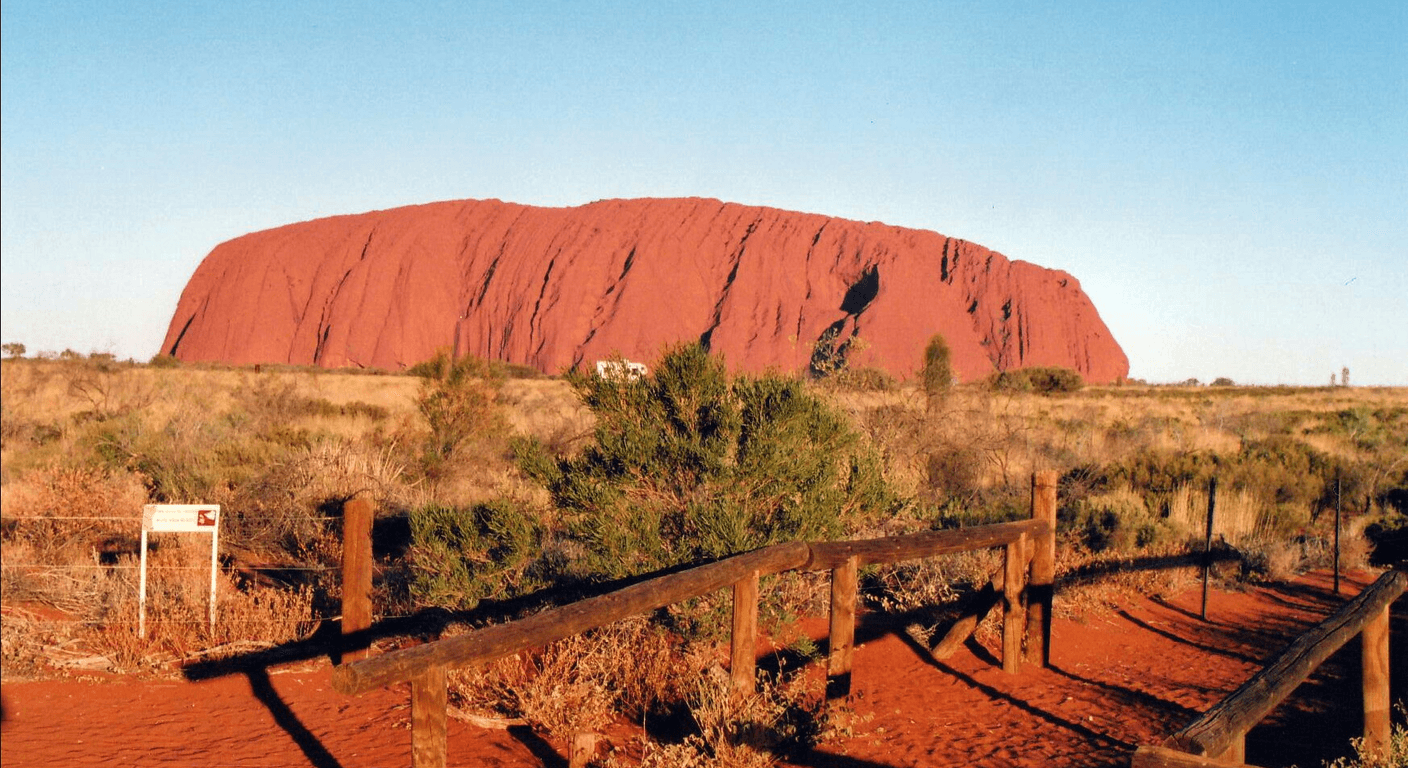
Uluru-Kata Tjuta, Northern Territory — the decision to close the climb in 2019 removed a question that clouded the experience for many visitors. What remains is the base walk (10.6 kilometres, flat, well-marked), the Field of Light installation, dawn and dusk viewing areas, and the Anangu cultural experiences that explain what you're actually looking at. Uluru is not just a rock; the cultural context, when you take time to engage with it, changes the experience entirely. Fly to Connellan Airport from Sydney, Melbourne, or Brisbane. Mobility: Moderate (the base walk is long but flat). Best months: May to September. Indicative: accommodation at the Ayers Rock Resort precinct from around $250 per night; confirm at ayersrockresort.com.au.
Western Australia: Distance Rewarded
Margaret River, Western Australia — three hours south of Perth, Margaret River has evolved from a surf town into one of Australia's most complete regional destinations: serious wine, excellent food, world-class surf breaks to watch rather than ride, and a cave system (Jewel Cave, Lake Cave) that is genuinely impressive. The Boranup Karri forest, with its tall pale trunks, has a cathedral quality that requires no exaggeration. Most cellar doors are accessible and unhurried. Mobility: Easy to Moderate. Best months: October to April for warmth; September for wildflowers. Margaret River Region details at margaretriver.com.
The Kimberley — this is the destination that rewards patience and planning. It's remote, it's expensive, and the season is narrow (May to September only — the wet makes most of it inaccessible and dangerous). But the Kimberley's gorges, boab trees, and ancient rock art at Murujuga and Wandjina sites represent landscapes that have no equivalent. The most comfortable access for over-50s is a small-ship expedition cruise along the coast, departing from Broome or Darwin. These vessels are purpose-built for the terrain and remove the need for rough-road driving. Mobility: Moderate on cruise; Active for independent land-based exploration. Indicative: cruises from around $8,000–$15,000 per person — confirm with operators. Broome information at visitbroome.com.au.
Perth and Rottnest Island — Perth is often the gateway to Western Australia rather than the destination itself, but that's a mistake. The Art Gallery of Western Australia, the Fremantle Markets, Kings Park (one of the larger inner-city parks in the world), and the Swan Valley wineries are all accessible and rewarding. Rottnest Island, 30 minutes by ferry from Fremantle, is flat, car-free, and ideal for a day or overnight trip — quokkas are absurdly photogenic and entirely unbothered by humans. Mobility: Easy. Best months: October to April. Ferry details at rottnestexpress.com.au.
New South Wales and the ACT: Culture, Coast, and Country
The Blue Mountains, NSW — the classic Sydney day trip that deserves two or three nights. Katoomba and Leura are the base towns; the Echo Point lookout and the Three Sisters are the obvious draws. What's less obvious is the quality of the guesthouse accommodation, the walking trails graded for different fitness levels (Parks NSW details at nationalparks.nsw.gov.au), and the art deco heritage of the main street cafes. The Scenic World gondola and railway give access to the valley floor without a steep descent on foot. Mobility: Easy to Active depending on chosen walks. Best months: March to May, September to November. Indicative: quality guesthouse accommodation from around $180 per night.
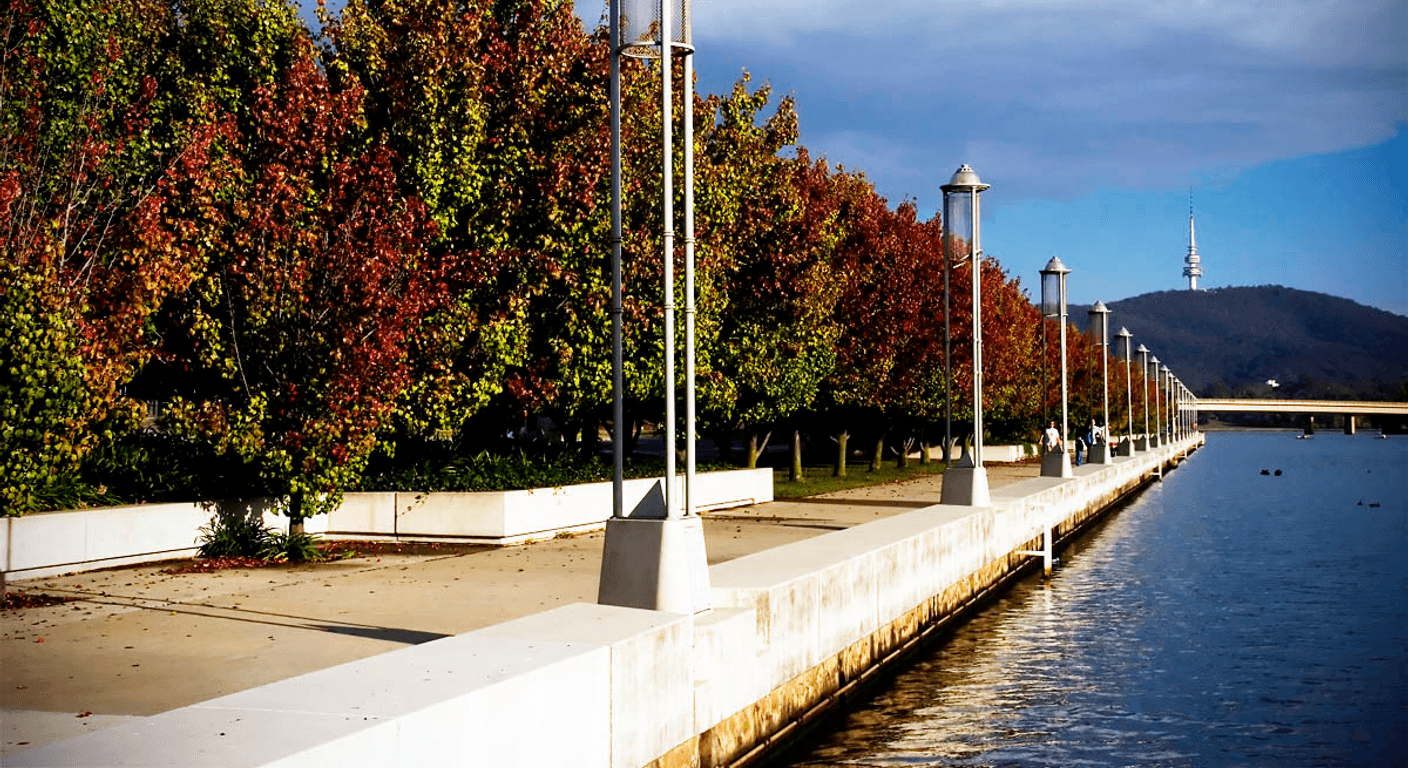
Canberra, ACT — Canberra is the most underestimated city in Australia. The National Gallery of Australia holds the country's finest art collection (nga.gov.au). The Australian War Memorial is one of the most thoughtfully designed memorial museums in the world — give it at least three hours, not one. The National Arboretum, the National Museum, and the CSIRO Discovery Centre fill days without effort. The city is flat, well-planned, and easy to navigate by car or the growing network of bus services. Mobility: Easy. Best months: March to May for autumn colour; September to November for spring. Indicative: comfortable hotels from around $150–$250 per night.
Byron Bay hinterland, NSW — not Byron Bay itself, which has become crowded and expensive beyond its practical appeal for most over-50 travellers, but the hinterland villages of Bangalow, Mullumbimby, and Nimbin. The area has excellent farm-to-table dining, a genuinely interesting arts scene, and the Nightcap National Park for those who want rainforest without the crowds. Lismore, while still recovering from the 2022 floods, has a resilient arts community worth supporting. Mobility: Easy to Moderate. Best months: April to October.
Two International Destinations Worth Considering
Kyoto, Japan — for over-50 Australians who haven't been to Japan, Kyoto remains the most considered introduction. The city moves at a pace that suits rather than exhausts: temple gardens, kaiseki meals, ryokan accommodation with in-room baths, and a public transport system (bus and subway) that is genuinely accessible once you understand the IC card system. The flight from Melbourne or Sydney to Osaka (Kansai Airport) is around ten to eleven hours, typically direct with Qantas or Japan Airlines — confirm current routes. One recovery day on arrival is not indulgent; it's sensible. Best months: March to April (cherry blossom) and October to November (autumn colour) — both are peak season, so book well ahead. Mobility: Moderate. Check visa requirements at japan.travel/en/au before booking.
New Zealand's South Island — for Australians who want the scale and drama of serious landscape without a long-haul flight, the South Island is the honest answer. Queenstown, Wanaka, Te Anau, and the Marlborough wine region between them cover wilderness, lake scenery, fiord access, and food culture. Flights from Melbourne or Sydney to Queenstown or Christchurch are around three hours. The seasonal reversal means New Zealand's summer (November to February) aligns with Australian summer — travel in their autumn (March to May) for quieter roads and extraordinary colour. Mobility: Moderate. Travel insurance with pre-existing conditions is essential and straightforward to arrange — confirm with your insurer before booking. Tourism New Zealand details at newzealand.com.
Quick planning guide
| Ideal pace | Slow and considered, not rushed |
|---|---|
| Best months | Varies by destination — mostly autumn or spring shoulder seasons, with some regions restricted to a narrow dry-season window |
| Suggested stay | A few days to a week per destination |
| Mobility level | Ranges from Easy to Active depending on destination and chosen activities |
| Cost level | Budget-friendly to premium depending on destination and accommodation choice |
| Comfort level | Comfortable, with quality accommodation and well-graded walking options widely available |
| Best for | Well-travelled over-50s who value genuine experiences, good food and honest pacing over ticking off attractions |
| Main planning consideration | Matching physical demands and seasonal timing to the specific destination chosen |
Key takeaways
- The best Australian destinations for over-50s are chosen on pacing, access, comfort, and genuine interest — not on tourist board enthusiasm.
- Seasonal timing is the single most important planning decision: the tropical north, the desert interior, and alpine Victoria all have periods that are unsuitable for comfortable travel.
- Mobility ratings matter: most top destinations are Moderate, meaning fit over-50s manage well, but the specific walk distances and terrain should be checked before arrival.
- Small-ship cruising is the most comfortable and practical way to experience the Kimberley — it removes the need for rough-road 4WD travel entirely.
- Canberra and the Flinders Ranges are the two most consistently underestimated destinations in Australia for culturally curious over-50 travellers.
- For international travel, Japan and New Zealand's South Island offer the highest reward-to-effort ratio for Australians over 50, with manageable flight times and excellent infrastructure.
Recommended partners and links
Indicative prices only — always confirm with the operator before booking.
Frequently asked questions
What is the best time of year for over-50s to travel in Australia?
May to September suits most of Australia's popular destinations: the tropical north (Darwin, Kakadu, Kimberley) is dry and accessible, the desert interior (Uluru, Flinders Ranges) is cool enough for comfortable walking, and southern states are mild. Avoid the tropical north between November and April — heat and humidity are extreme and many roads flood. Tasmania's east coast and Queensland's Sunshine Coast are pleasant from October to April.
Which Australian destinations are best for travellers with limited mobility?
Hobart, Canberra, Perth, Noosa's main town area, the Barossa Valley, and Rottnest Island all rate Easy for mobility — flat terrain, accessible attractions, and good transport or short drives between points of interest. The Barossa Valley cellar doors are generally flat and accessible. Most national park visitor centres have paved paths to key lookouts. Always confirm specific accessibility with the site or park directly before visiting.
Is it safe for over-50 Australians to travel to Japan independently?
Yes. Japan is one of the safest and most accessible international destinations for Australian over-50s. Public transport in Kyoto and Osaka is reliable, well-signed in English, and manageable with an IC card (Suica or ICOCA). The main practical considerations are the flight time (around ten to eleven hours from Melbourne or Sydney to Kansai Airport), jet lag on arrival, and ensuring travel insurance covers any pre-existing conditions. Confirm current visa requirements at japan.travel/en/au.
What is the most practical way to see the Kimberley for older travellers?
A small-ship expedition cruise departing from Broome or Darwin is the most practical and comfortable option for over-50 travellers. These cruises run between May and September, cover the major gorges and rock art sites, and remove the need for rough-road 4WD driving. Indicative costs start from around $8,000 per person — confirm current pricing with operators such as APT (aptouring.com.au). The Kimberley is not accessible by standard vehicle during the wet season.
Which Australian state has the best variety of experiences for over-50 couples?
South Australia consistently delivers the best variety for over-50 couples: the Barossa Valley for wine and history, Kangaroo Island for wildlife and coast, and the Flinders Ranges for outback landscape and Indigenous culture — all within reach of Adelaide, which itself has a strong food and arts scene. The distances are manageable, the accommodation has improved significantly, and the season window (April to October) is generous.
- Tourism Australia — Official Travel Information
- Parks Victoria — Grampians National Park
- MONA — Museum of Old and New Art, Hobart
- Parks SA — Flinders Ranges and Outback
- Parks Australia — Kakadu National Park
- Ayers Rock Resort — Uluru accommodation
- Margaret River Region — Tourism
- Rottnest Express — Ferry to Rottnest Island
- National Parks NSW — Blue Mountains
- National Gallery of Australia — Canberra
- Visit Noosa — Tourism Noosa
- SeaLink — Kangaroo Island Ferry
- Japan National Tourism Organization — Australian visitors
- Tourism New Zealand — Official Site
- APT Touring — Kimberley Cruises