Hot air ballooning is one of those experiences that stays with you long after you land — and Australia has some genuinely spectacular places to do it. This guide covers the main ballooning destinations across the country, what the experience is honestly like for travellers in their 60s and 70s, and the practical details that make the difference between a smooth morning and a frustrating one.
Why ballooning appeals to travellers who know their own mind
There is something about floating silently above a landscape that suits the pace of life many travellers settle into in their 60s. No rushing, no noise, no agenda other than watching the world beneath you shift colour as the sun rises. For a group of friends travelling together, a balloon flight is also one of those shared moments that becomes the story you keep retelling over dinner for years.
Australian ballooning destinations are genuinely varied. You can drift over wine country in the Hunter Valley, watch kangaroos scatter across paddocks near Canberra, float above the red desert outside Alice Springs, or look down on the green patchwork of the Atherton Tablelands in Far North Queensland. Each experience has its own character, and the destination you choose will depend as much on where you are travelling to as the flight itself.
The key thing to understand before you book is that this is not a passive experience you simply show up to. There is a pre-dawn wake-up, a drive to the launch site, a wait while the crew inflates the envelope, and then the flight itself — standing in a basket for roughly an hour. For most people in good health, this is entirely manageable. But it is worth knowing what you are signing up for, especially if you have specific mobility considerations.
Where can you go ballooning in Australia?
The Hunter Valley in New South Wales is arguably the most popular ballooning destination in the country for interstate travellers. You fly over vineyards and rolling pastoral land, typically launching from the Cessnock or Pokolbin area. The combination of a balloon flight and a couple of nights in the valley — with good food and wine — makes it a natural fit for a friends' group trip. Balloon Aloft operates in this region and also runs flights in Canberra.
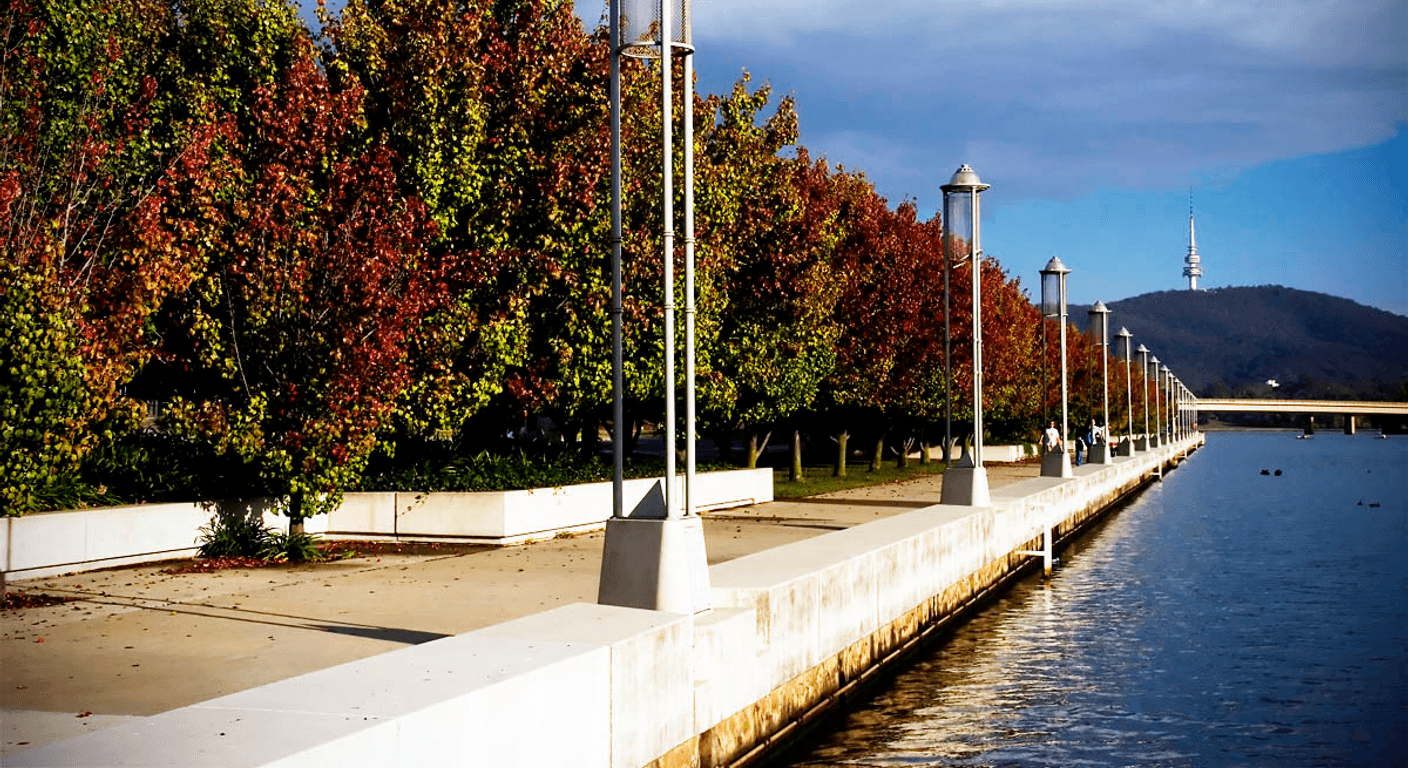
Canberra is an underrated choice. Flights typically launch from the southern suburbs and drift over the lake and parliamentary triangle as the city wakes up below you. The visual contrast of the planned city's geometry seen from above is quite striking. Autumn in Canberra is particularly fine — the deciduous trees are turning and the air is cool and stable.
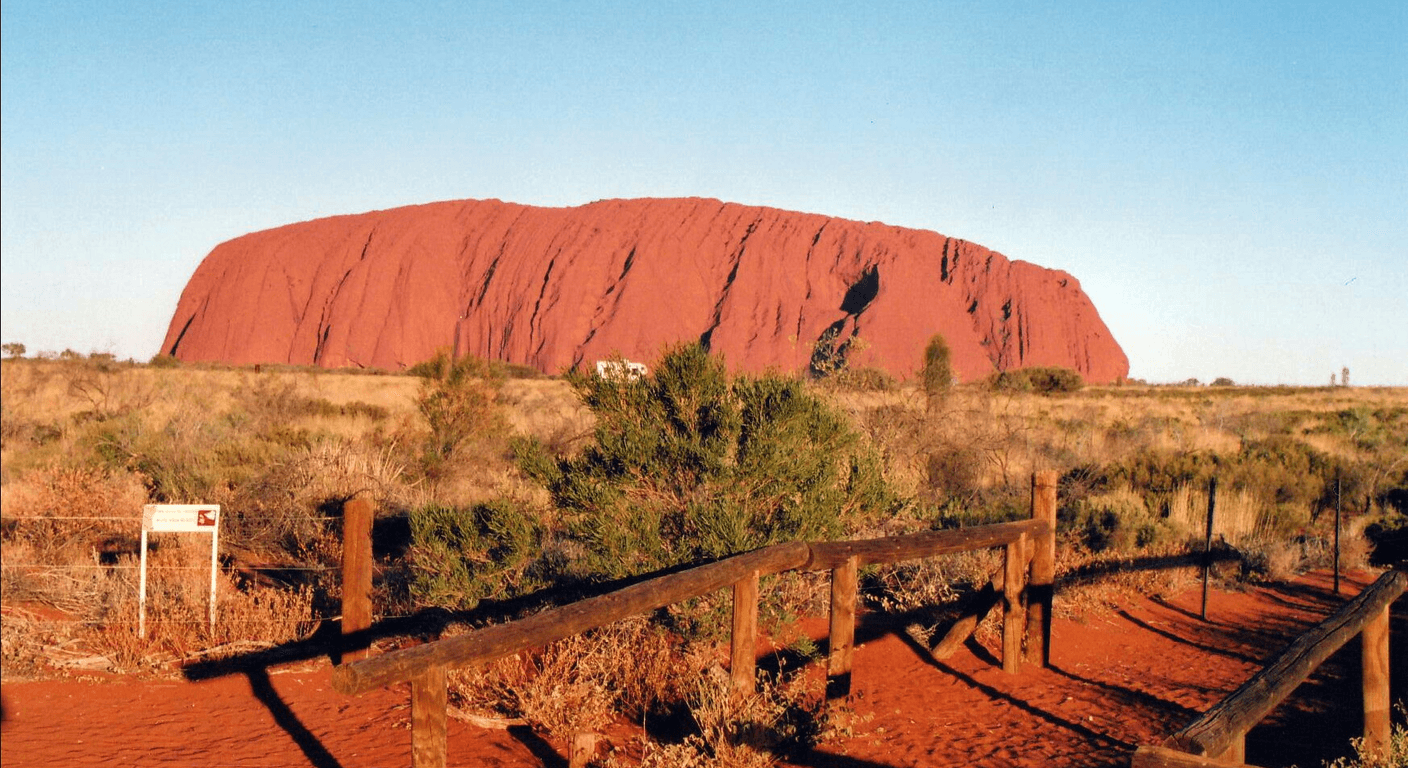
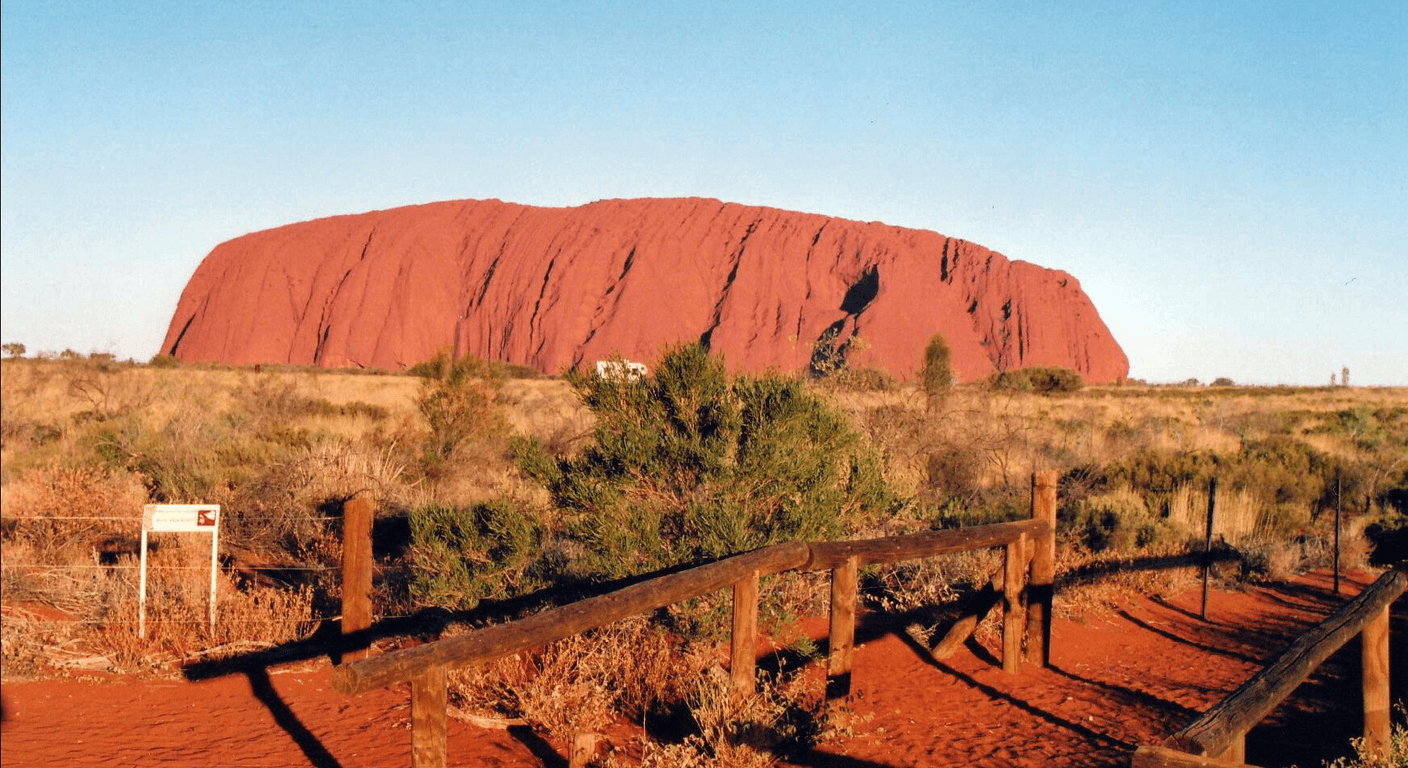
Alice Springs offers something completely different: the ochre plains and rocky ranges of Central Australia seen from a few hundred metres up, with camels sometimes visible below. It is a genuinely remote and quiet experience. The Atherton Tablelands, about an hour's drive inland from Cairns, puts you above a green, misty volcanic plateau — a surprising contrast to what most people expect of Far North Queensland. Northam in Western Australia's Avon Valley, about 90 kilometres east of Perth, is a quieter, more regional option that many Western Australians swear by for its uncrowded skies and wheat-belt landscapes.
What is the experience honestly like for someone in their 60s?
The pre-dawn start is real. Most Australian balloon operations require you to meet the crew between 4:30am and 5:30am depending on the season and sunrise time. This means setting an alarm for around 4am, which can feel brutal if you are not naturally an early riser. The upside is that by 9am you are back on the ground having breakfast, and the rest of the day is yours. Many travellers find the rhythm actually suits them — early to rise, done by mid-morning.
Climbing into the basket is the part that deserves an honest mention. The baskets are high-sided for safety, typically around chest height, and you board by stepping on a small foothold and swinging your leg over the rim. For anyone with reduced hip flexibility, knee pain or balance concerns, this can be challenging. It is worth calling the operator before you book to ask specifically how the boarding works and whether any assistance is provided. Some operators have modified baskets or can offer extra support — but this varies, and you should not assume.
Once you are in the air, you stand for the duration of the flight, which is usually 45 minutes to an hour. The basket is divided into compartments that you share with a small group, and there is a rail to hold. The ride itself is extremely smooth — there is no sensation of motion in the way a boat or plane creates — and most people find it far less confronting than they expected. The main physical demand is simply standing. If you have any back or leg issues that make standing for an hour uncomfortable, that is worth factoring in.
When is the best time of year to fly?
Autumn — March through May — is widely regarded as the best season for ballooning across most of Australia. The air is cooler and more stable, winds at lower altitudes tend to be lighter in the early morning, and the light quality at sunrise is particularly good. In tropical regions like the Atherton Tablelands, the dry season from May to October is the reliable window, as the wet season brings conditions that ground flights regularly.
Alice Springs has a longer flying season because of its desert climate, but summer flights are extremely early to avoid the heat building too quickly after sunrise. Winter mornings there can be surprisingly cold — single digits at launch time — so layers matter. The Hunter Valley and Canberra both shine in autumn, with Canberra's April–May period often producing some of the clearest mornings of the year.
Spring is also workable in many destinations, though winds can be more variable. Summer in southern Australia tends to be less reliable for ballooning due to thermal activity building earlier in the morning. If you are planning a trip around a balloon flight, autumn gives you the best statistical chance of flying on your scheduled day.
What about weather cancellations and rebooking?
Weather cancellations are not rare events — they are a normal part of ballooning, and you should plan your trip with that in mind. Operators make the call on the morning of the flight, typically around 4am–5am, based on wind speed, cloud cover and visibility. If conditions are not safe, the flight is cancelled and you are offered a rebooked date. This is not a failure on anyone's part; it is simply how the activity works.
The practical implication for a group traveller is to build flexibility into your itinerary. If you can stay in the region for three or four nights rather than one, you give yourself a much better chance of actually flying. Booking a balloon flight as the sole reason for a one-night trip is a gamble. Most operators are experienced at handling rebookings and will work with you, but they cannot control the weather.
Check the operator's cancellation and rebooking policy before you pay. Most reputable Australian operators will rebook you at no extra charge if they cancel due to weather, and will offer a refund if you cannot rebook within a reasonable window. Travel insurance that covers activity cancellations is worth considering for this type of experience, particularly if you have booked flights or accommodation around the balloon date.
What does it cost and what is included?
Indicative prices for a standard one-hour balloon flight in Australia sit roughly in the mid-to-high hundreds per person — commonly around $350 to $450 AUD, though this varies by operator, region and inclusions. These are indicative figures only; you should confirm current pricing directly with the operator before booking, as costs change and promotional rates sometimes apply.
Most flights include a post-landing champagne or sparkling wine breakfast, which is a long-standing tradition in ballooning and a genuinely pleasant way to end the morning. Some operators include return transfers from a central meeting point or your accommodation; others require you to make your own way to the launch site. Ask specifically about this when you book, particularly if you are travelling without a car.
Group bookings sometimes attract a modest discount, and some operators offer private charter options for groups who want the basket to themselves. If you are travelling with four or more friends, it is worth asking about this — the price difference per person may be less than you expect, and having the flight to yourselves changes the atmosphere considerably.
Practical tips for making the most of it
Dress in layers regardless of the season. You will be standing still in the pre-dawn dark waiting for the balloon to inflate, and even in summer that can feel cool. Once you are airborne, the temperature at altitude can be a few degrees lower than at ground level. Closed-toe shoes with a flat sole are strongly recommended — you are standing on a wicker or aluminium basket floor for an extended period, and heels or thongs are not practical.
Leave your large handbag or backpack in the car or at the operator's base. Most baskets have very limited space, and you will want your hands free. A small camera or your phone in a jacket pocket is sufficient. If you use reading glasses or hearing aids, secure them well. Some operators have a weight limit per person — not due to any judgement, but for balloon load calculations — so check this in advance if it is relevant.
Consider the social dynamic of a friends' group flight. The basket compartments mean you may not be standing directly next to each of your travel companions during the flight. Brief your group on this beforehand so nobody feels separated or anxious. The crew are experienced at managing group dynamics and will keep the conversation going, but knowing what to expect makes the morning smoother.
Key takeaways
- Australia's main ballooning destinations — Hunter Valley, Canberra, Alice Springs, the Atherton Tablelands and Northam — each offer a genuinely different landscape from the air.
- Autumn mornings (March to May) give you the most reliable flying conditions across most of Australia's southern and inland balloon regions.
- Climbing into a high-sided basket requires a degree of hip flexibility and balance — call the operator in advance if you have specific mobility considerations.
- Weather cancellations are normal and expected; building two or more nights into your stay gives you a realistic chance of actually flying.
- Indicative flight costs are roughly $350 to $450 AUD per person including a post-landing breakfast, but confirm current pricing directly with your chosen operator.
- Most flights are 45 minutes to an hour of standing in a shared basket — smooth, quiet, and far less physically demanding than most people anticipate.
Recommended partners and links
Indicative prices only — always confirm with the operator before booking.
Frequently asked questions
Is hot air ballooning safe for people in their 60s and 70s?
For most older travellers in reasonable health, hot air ballooning is considered safe. The main physical demands are climbing into a high-sided basket at boarding and standing for approximately an hour during the flight. People with significant balance issues, severe knee or hip problems, or conditions affected by prolonged standing should discuss their situation with the operator before booking. Operators are accustomed to these conversations and can give you an honest assessment.
What happens if my balloon flight is cancelled due to weather?
Most reputable Australian balloon operators will offer a rebooked flight at no extra charge if they cancel due to unsafe weather conditions. If you cannot rebook within the operator's specified window, a refund is typically available. Check the specific cancellation and rebooking policy before you pay, and consider travel insurance that covers activity cancellations if you have booked flights or accommodation around the balloon date.
Which Australian ballooning destination is best for a first-time flyer?
The Hunter Valley in New South Wales is a popular first choice because it combines easily with a broader regional stay — good accommodation, food and wine — and has well-established operators with a long track record. Canberra in autumn is also an excellent option with reliable conditions and a visually striking flight path over the city. Both are accessible on direct flights from Melbourne.
How early do you really have to get up for a balloon flight?
Most Australian balloon operations require you to meet the crew between 4:30am and 5:30am, which typically means waking around 4am. The early start is necessary because the calmest, most stable air conditions occur just after sunrise. By around 9am, most flights are complete and you are sitting down to breakfast. This suits many older travellers who are early risers by habit, though it is worth factoring in if you are travelling across time zones.
Can you go ballooning in Australia if you are afraid of heights?
Many people who describe themselves as afraid of heights find ballooning more comfortable than expected, because the basket is solid and enclosed on all sides, there is no sensation of falling, and the ascent is gradual. That said, this is a personal matter and only you can judge your own comfort level. Some operators suggest trying a tethered balloon experience first if you are uncertain, though these are less commonly available across Australia.