China's Yangtze and Li River cruises differ enormously despite the shared name: the Yangtze is a three-to-five-night ship voyage from Chongqing to Yichang with cabin living and shore excursions, while the Li River is a single four-to-five-hour day-boat from Guilin to Yangshuo through karst scenery. No season is flagged as best. Mobility is moderate, with steep gangplanks and stairs. Reaching Chongqing from Australia takes over twenty hours, so a recovery night before boarding is sensible.
Two cruises, two completely different journeys
The confusion is understandable. Both are called river cruises in China. Both appear in travel brochures alongside dramatic water and limestone. But the Yangtze Three Gorges voyage and the Li River day-cruise are separated by scale, duration, comfort infrastructure and the kind of traveller each suits best. Getting clear on the difference before booking saves a lot of disappointment — and possibly a significant sum of money.
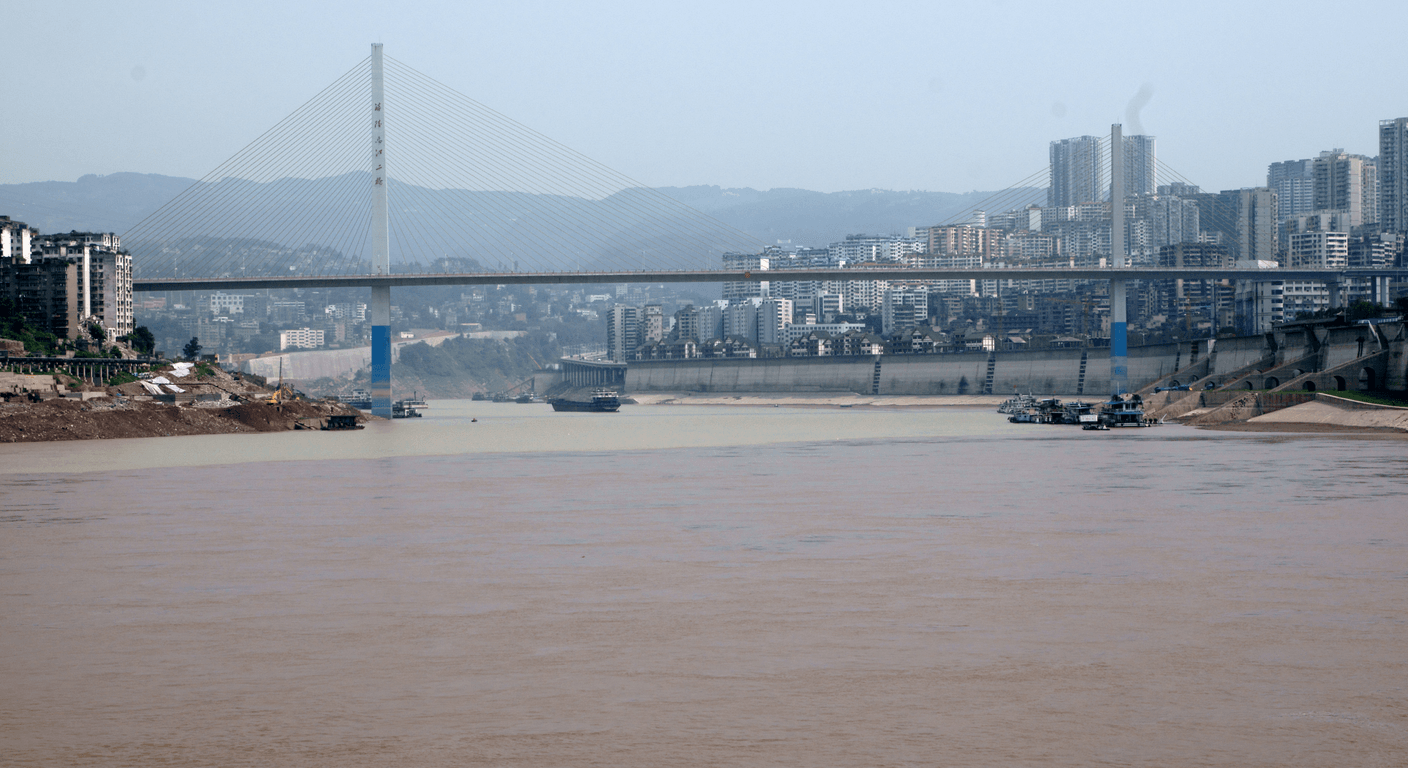
The Yangtze cruise is a proper voyage. You board a ship in Chongqing or Yichang, unpack into a cabin, eat breakfast with river views, and spend three to five nights moving through the Three Gorges as shore excursions peel off each day. The Li River experience is a half-day on a flat-bottomed boat from Guilin, gliding past karst peaks to Yangshuo over roughly four to five hours. It's beautiful. It's also over by mid-afternoon. Both are worth doing. Neither is a substitute for the other.
For a group of friends travelling together — particularly those who enjoy lingering conversation over a long lunch and don't want to feel rushed — the Yangtze's multi-day rhythm tends to suit better. The Li River is more of a highlight within a broader Guilin itinerary than a standalone reason to travel. That said, pairing both in a two-week China trip is entirely achievable and gives you the full contrast: grand industrial gorges in the west, dreamy limestone scenery in the south.
The Yangtze Three Gorges: what to expect aboard
Yangtze cruise ships range from basic domestic vessels to genuinely impressive four- and five-star floating hotels marketed specifically at international travellers. The better ships — those sold through Australian operators like APT or Scenic — offer private balcony cabins with river views, multi-course dinners, cultural performances in the evenings and English-speaking guides for shore excursions. Cabin sizes are comparable to a decent hotel room rather than a cramped ferry bunk. For a group sharing the experience, the communal dining rooms and sun decks become natural social hubs.
Shore excursions are where the Yangtze earns its keep. The Three Gorges themselves — Qutang, Wu and Xiling — are viewed from the ship's deck, but smaller tributary gorges like the Shennong Stream or the Lesser Three Gorges are explored by smaller wooden sampan boats, which involve clambering down gangplanks and stepping onto lower vessels. This is the part that requires honest assessment of mobility. Steps are often steep and uneven, and handrails aren't always where you'd want them. Most reputable operators will flag which excursions are more demanding and which can be skipped without missing the essential experience.
The Three Gorges Dam itself is a set piece on almost every itinerary — a genuinely staggering piece of engineering, whatever your view of its construction history. Guides on quality ships tend to present both the engineering achievement and the displacement of communities and heritage sites with some nuance, which makes for more interesting conversation than the purely celebratory version. Evenings aboard typically involve a performance of some kind — Chinese opera excerpts, folk music — and the pace is gentle enough that early nights are entirely normal.
Cabin comfort and ship quality: what the grades actually mean
On the Yangtze, cabin grade matters more than almost anywhere else in river cruising. The difference between a standard cabin on a mid-range domestic vessel and a balcony suite on a premium international ship is not incremental — it's a different experience. Standard cabins on budget ships can be compact, with small windows rather than balconies, and dining rooms that cater primarily to group tour packages with little English. Premium ships sold through Australian operators typically offer cabins of 20–30 square metres, private balconies, Western and Chinese dining options, and guides who speak fluent English.
For travellers who find long-haul travel tiring — and a flight from Melbourne or Sydney to Chongqing involves at least one stopover and fourteen to seventeen hours in the air — the quality of the cabin becomes a genuine wellbeing consideration, not just a luxury preference. A balcony where you can sit with a cup of tea and watch the gorge walls slide past at dawn is exactly the kind of comfort that makes a long journey feel worthwhile. It's worth budgeting for the better cabin rather than saving money on the ship and spending the whole voyage wishing you had.
Premium Yangtze cruise ships typically include all meals, excursions and transfers in the package price. Indicative costs run from roughly AUD 1,800 per person on mid-range ships to AUD 4,500 or more on luxury-class vessels — always confirm current pricing directly with the operator, as rates shift with exchange rates and availability. Australian operators like APT and Scenic package the Yangtze as part of a broader China itinerary, which takes the logistical burden off travellers and is worth considering seriously for a first visit.
The Li River cruise: karst scenery and realistic expectations
The Li River between Guilin and Yangshuo is one of those landscapes that looks exactly like the paintings — because the paintings were made from life. The karst towers rising from flat green water, the bamboo groves, the cormorant fishermen on bamboo rafts at the river's edge: it's all real, and it's genuinely affecting. The standard day-boat is a flat-bottomed vessel that carries a large number of passengers — sometimes over a hundred — in rows of fixed bench seating with a lunch included, usually a basic set meal served in a lower deck dining room.
Comfort on the standard Li River boat is functional rather than refined. Seating is firm, the boats can feel crowded during peak season, and the upper observation deck is the place to be for photography and air. Mobility considerations are real: moving between decks involves steep internal stairs, and the gangplanks at boarding and disembarkation are narrow. Upgraded options — smaller private boats or higher-class vessels with better seating and catering — are available through specialist tour operators and are worth the additional cost for anyone who finds standard bench seating uncomfortable over four to five hours.
The cruise ends in Yangshuo, a small town that has grown considerably around its tourist trade but still rewards an overnight stay. The West Street area is lively in the evenings, the cycling around the surrounding countryside is flat and manageable, and the light on the karst peaks at dawn and dusk is the thing most travellers remember longest. Booking a night in Yangshuo rather than bussing straight back to Guilin is the single best piece of advice for anyone doing the Li River — it turns a half-day highlight into a proper place encounter.
Matching each cruise to your group's stamina and available time
The honest question to ask before choosing is not which cruise is better, but which one fits the trip you're actually taking. The Yangtze demands a minimum of three to five dedicated nights on the ship, plus city time in Chongqing at the start and Wuhan or Yichang at the end. That's realistically a ten-to-fourteen day China commitment just for the Yangtze portion. If the group has two weeks total and wants to see Beijing, Xi'an and Shanghai as well, something has to give — and the Yangtze is usually it, which is how travellers end up booking the Li River as the 'river cruise' component of a broader itinerary.
Stamina is the other variable. The Yangtze's pace is actually gentler than many people expect — long stretches of watching scenery from the deck, optional excursions, early dinners, no pressure to fill every hour. For travellers who find constant movement tiring, a ship that moves while you sleep and delivers you somewhere new each morning is a comfortable way to cover ground. The Li River, by contrast, is four to five hours of sitting in one position on a boat that doesn't stop — which some people find more physically demanding than a full day of sightseeing with breaks.
For a friends group where energy levels and mobility vary across the party, the Yangtze's flexibility — where some do every excursion and others stay on deck — accommodates the range better. The Li River is a shared experience that everyone does at the same pace, which is either its charm or its limitation depending on the group.
Getting to China: flights, jet lag and entry requirements for Australians
From Melbourne or Sydney, reaching Chongqing for a Yangtze departure typically involves a flight of around twelve to fourteen hours to a hub like Hong Kong, Singapore or Shanghai, followed by a domestic connection. Total travel time door-to-departure is realistically twenty or more hours. This is not a trip to arrive at and immediately board a ship — building in at least one full recovery night in Chongqing before embarkation is not indulgence, it's sensible planning. Guilin for the Li River is served by direct domestic flights from Shanghai, Beijing and Guangzhou, so it's most naturally combined with other Chinese cities rather than entered from Australia directly.
Chinese entry requirements for Australians have shifted significantly in recent years, with expanded visa-free arrangements introduced and modified through 2024 and 2025. The rules around duration, permitted entry points and visa categories are specific and subject to change without much notice. The only reliable source for current requirements is smartraveller.gov.au combined with the Chinese Embassy in Australia's official website. Do not rely on travel forums or operator websites for visa rules — check the primary sources and check them again close to departure.
Travel insurance for a China trip deserves particular attention. Policies need to cover the full duration including transit, and for travellers with pre-existing conditions — which describes most people over 60 with any health history at all — declaration and specific coverage confirmation is essential. Medical costs in China for foreigners can be substantial, and evacuation coverage matters. Compare policies through a broker who understands the older traveller market rather than reaching for the cheapest option available.
Can you do both? Building a combined itinerary
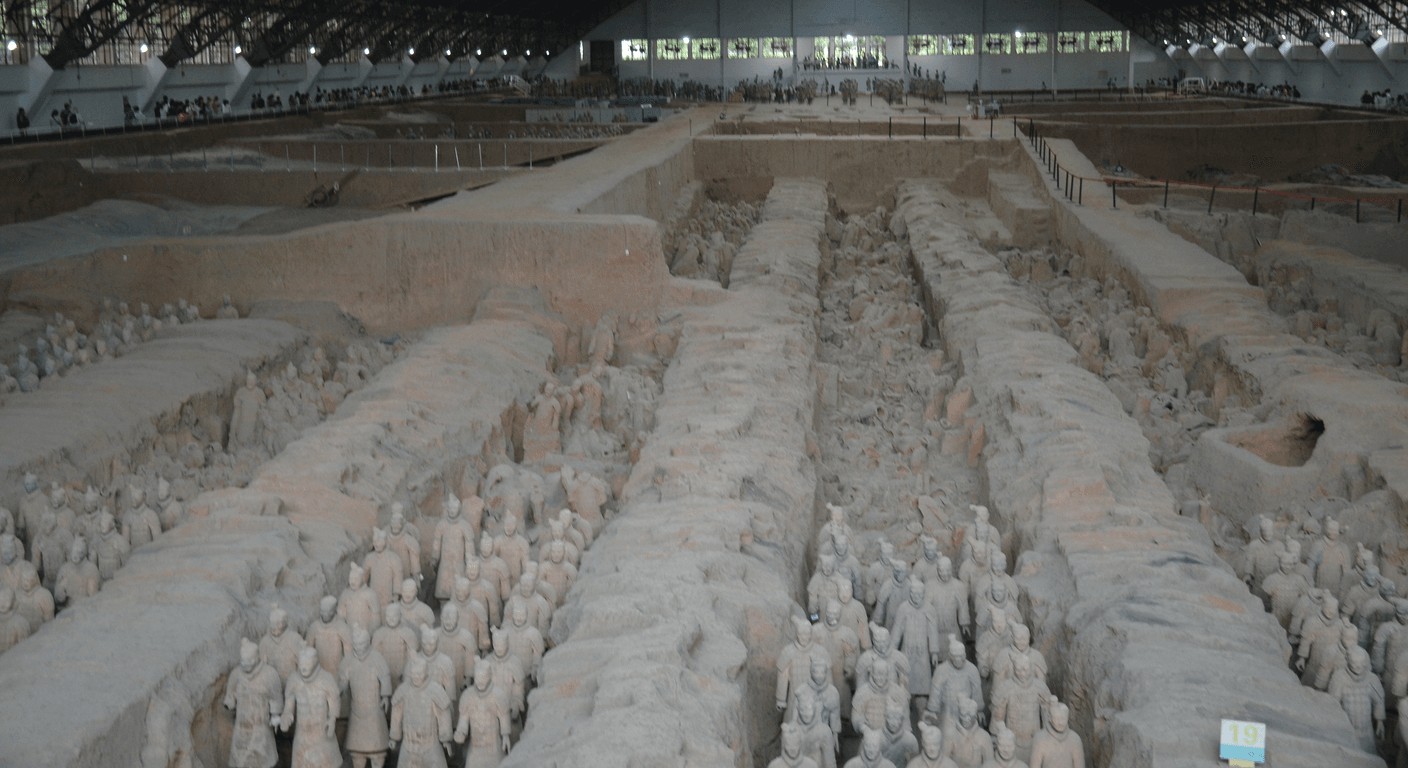
A two-week China itinerary that includes both river experiences is achievable and makes for a satisfying contrast. One structure that works well: fly into Beijing for three nights (Forbidden City, Temple of Heaven, a day trip to the Great Wall at Mutianyu, which has a cable car and is more manageable than Badaling), then fly to Xi'an for two nights (the Terracotta Warriors, the Muslim Quarter), then fly to Chongqing for the Yangtze embarkation. Disembark in Yichang or Wuhan, fly to Guilin, do the Li River day-cruise and stay overnight in Yangshuo, then fly to Shanghai for two nights before flying home. That's fourteen nights at a comfortable pace.
The key is not to squeeze. China is a country where the distances between cities are large, the sensory input is intense, and the time zone difference from eastern Australia is three hours behind — which sounds small but interacts oddly with jet lag because it pushes your energy peak into the early morning rather than the afternoon. A day that starts well and fades by three in the afternoon is the common pattern. Itineraries with gentle afternoon schedules and no non-negotiable evening commitments suit this reality well.
Booking the Yangtze component through an Australian operator who packages the full itinerary removes significant logistical stress — domestic flights, transfers, guides and accommodation are handled, and there's a local contact if something goes wrong. The Li River day-boat can be booked independently through a Guilin hotel or a reputable online operator, but for a first visit to China, having the whole trip professionally managed is genuinely worth the premium.
Quick planning guide
| Ideal pace | Slow and unhurried on the Yangtze; one concentrated afternoon on the Li River |
|---|---|
| Best months | No single best season noted |
| Suggested stay | 3-5 nights for the Yangtze voyage, or a half-day for the Li River; around 14 nights if combining both in a wider China itinerary |
| Mobility level | Moderate - steep gangplanks, uneven steps and internal stairs on both cruises |
| Cost level | Mid-range to premium (Yangtze cruises roughly AUD1,800-4,500+ per person) |
| Comfort level | Varies widely by ship grade, from basic domestic vessels to balcony suites on premium lines |
| Best for | Groups with mixed stamina and mobility wanting either a relaxed multi-day voyage or a scenic day highlight |
| Main planning consideration | Confirm which cruise you're actually booking, budget for cabin grade if choosing the Yangtze, and build in a recovery night after the long flight to China |
Key takeaways
- The Yangtze cruise is a multi-night voyage with cabin living and shore excursions; the Li River cruise is a single afternoon on a day-boat — they are not interchangeable.
- Premium Yangtze ships with balcony cabins and English-speaking guides are a meaningfully different experience from mid-range domestic vessels, and the upgrade is worth budgeting for.
- The Li River's standard bench seating over four to five hours can be more physically demanding than it appears — upgraded boat options exist and are worth considering.
- Yangtze shore excursions involve steep gangplanks and uneven steps; ask operators which excursions can be skipped or modified for travellers who prefer a steadier pace.
- Chinese visa rules for Australians changed significantly in 2024–2025 and remain subject to change — check smartraveller.gov.au and the Chinese Embassy website before booking.
- Building at least one full recovery night into the itinerary before boarding any vessel is practical planning given twenty-plus hours of travel from eastern Australia.
Recommended partners and links
Indicative prices only — always confirm with the operator before booking.
Frequently asked questions
How long is the Yangtze River cruise through the Three Gorges?
Most Yangtze Three Gorges cruises run three to five nights aboard the ship, typically departing from Chongqing and ending near Yichang or Wuhan. When combined with city time at either end, allow at least seven to ten days for the Yangtze portion of a China trip.
How long does the Li River cruise from Guilin to Yangshuo take?
The Li River cruise from Guilin to Yangshuo takes approximately four to five hours on a standard day-boat. It is a one-way journey — passengers are typically bussed or take a private transfer back to Guilin, or stay overnight in Yangshuo.
Do Australians need a visa to enter China for a river cruise?
Chinese entry requirements for Australians have changed significantly since 2024, with expanded visa-free arrangements for some travellers. However, rules around duration, permitted ports of entry and eligibility are specific and subject to change. Check smartraveller.gov.au and the Chinese Embassy in Australia's official website before booking — do not rely on travel forums or operator websites for current visa rules.
Which China river cruise is better for travellers with limited mobility?
Neither is fully accessible in the way a purpose-built accessible vessel would be, but they present different challenges. Yangtze shore excursions involve steep gangplanks, uneven steps and some walking on cobbled surfaces — many excursions are optional, so travellers can choose their level of activity. The Li River day-boat involves fixed bench seating and steep internal stairs between decks; upgraded vessels with better seating are available. Discuss specific mobility requirements with your operator before booking.
Can you combine both the Yangtze and Li River cruises in one China trip?
Yes. A two-week itinerary covering Beijing, Xi'an, the Yangtze cruise from Chongqing to Yichang or Wuhan, and then Guilin and Yangshuo for the Li River is achievable at a comfortable pace. The two river experiences are geographically separate — the Yangtze is in central-western China, the Li River is in Guangxi in the south — so domestic flights connect the segments.