Xi'an's Terracotta Warriors are best visited in spring (April–May) or autumn (September–October), when mild weather meets manageable crowds. A stay of two to three nights allows time for the excavation pits, the Muslim Quarter and the Ming-dynasty city wall. Access is easy: raised, level walkways overlook the soldiers with no stairs down among them, and a golf cart can circuit the wall. Getting there typically means a long-haul flight to Beijing followed by a comfortable four-hour high-speed train to Xi'an.
Why Xi'an earns the detour
There's a particular satisfaction in arriving somewhere that has been on a list for decades and finding it doesn't disappoint. Xi'an is that place for many Australian travellers. The Terracotta Army — some 8,000 clay soldiers, horses and chariots buried with the first Emperor of China, Qin Shi Huang, around 210 BCE — was discovered by farmers digging a well in 1974. Excavation continues today. That detail alone shifts the experience from museum visit to live archaeology.
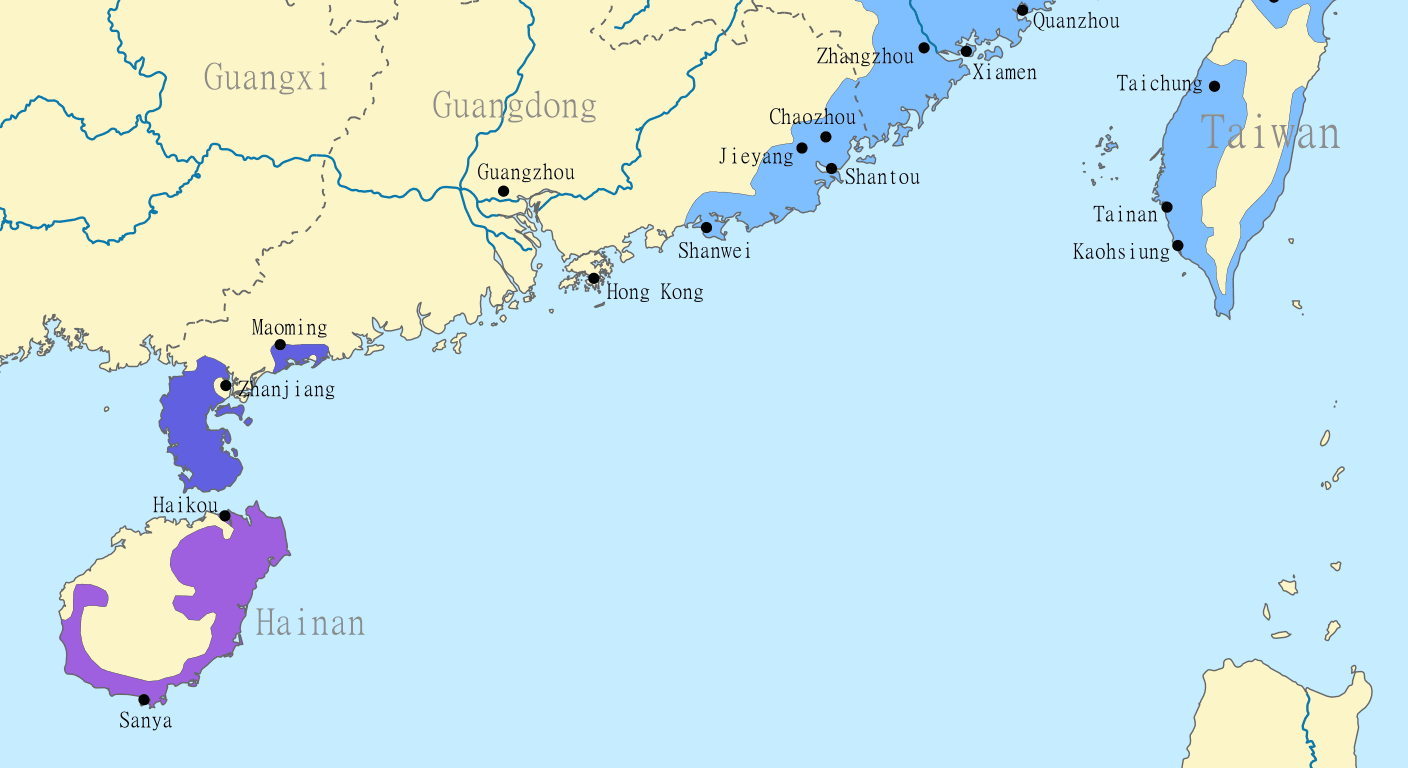
For a solo traveller from Victoria, Xi'an sits comfortably within a two-week China itinerary: fly into Beijing, spend three or four days in the capital, then board a high-speed G-train southwest to Xi'an. The journey covers roughly 1,200 kilometres in about four hours — faster than Melbourne to Sydney by plane once you factor in airports. It's a genuinely pleasant way to watch the landscape change.
Xi'an itself is a city of 13 million people with a compact, walled historic centre that doesn't overwhelm. The Muslim Quarter, the Great Mosque, the ancient city wall — these sit within walking distance of good international hotels. Two nights is the minimum; three is more comfortable, and gives you time to absorb rather than just tick.
Getting there from Australia: the honest picture
From Melbourne or Sydney, the typical routing is a direct or one-stop flight to Beijing (around 12–14 hours), then the high-speed train to Xi'an. Some travellers fly directly into Xi'an Xianyang International Airport via a connecting hub — Shanghai or Guangzhou are common options — but the rail leg from Beijing is worth considering on its own merits. The train is comfortable, the seats are wide, and the scenery through Shanxi Province is worth watching.
Jet lag from China is real but manageable. Beijing is three hours behind Sydney in summer, two hours in winter — a gentler shift than Europe. Still, build in a proper recovery night before you attempt a full day at the Warriors. Arriving in Beijing, resting, then taking the train the following day is a sensible rhythm rather than a concession.
Travel insurance is non-negotiable. For travellers over 60 with pre-existing conditions, shop carefully — some policies exclude cover for conditions not declared at the time of purchase. The Australian government's Smartraveller site has clear guidance on what to look for. Get this sorted before you touch the booking system.
Visas and entry: confirm before you book anything
China's visa arrangements for Australian passport holders have shifted meaningfully since 2024, with various visa-free or visa-on-arrival schemes trialled and adjusted. The situation in 2026 requires you to check current conditions directly — at smartraveller.gov.au and at the Chinese Embassy in Australia — before committing to flights or tours. This is not bureaucratic caution for its own sake; the rules genuinely change, and an incorrect assumption can be expensive.
For those applying for a standard tourist visa (L visa), the process involves submitting a completed application, passport photos, proof of accommodation and a flight itinerary. Processing typically takes several business days. Some travellers use a visa agent to handle the paperwork, which is worth considering if the process feels daunting — several reputable Australian-based agents handle China visas routinely.
Also register your travel plans on Smartraveller. It takes five minutes and means the Department of Foreign Affairs and Trade can contact you in an emergency. Xi'an is a safe, well-touristed city, but registration is good practice anywhere outside Australia.
At the Terracotta Warriors: what to expect on the ground
The Museum of the Terracotta Warriors (Bingmayong) sits about 35 kilometres east of central Xi'an, reached by tourist bus from the railway station or by taxi. Allow 30–40 minutes each way. The site is large — three main pit halls plus a bronze chariot museum — and the full visit takes three to four hours at a comfortable pace. Wear shoes you can walk in for an hour without thinking about them.
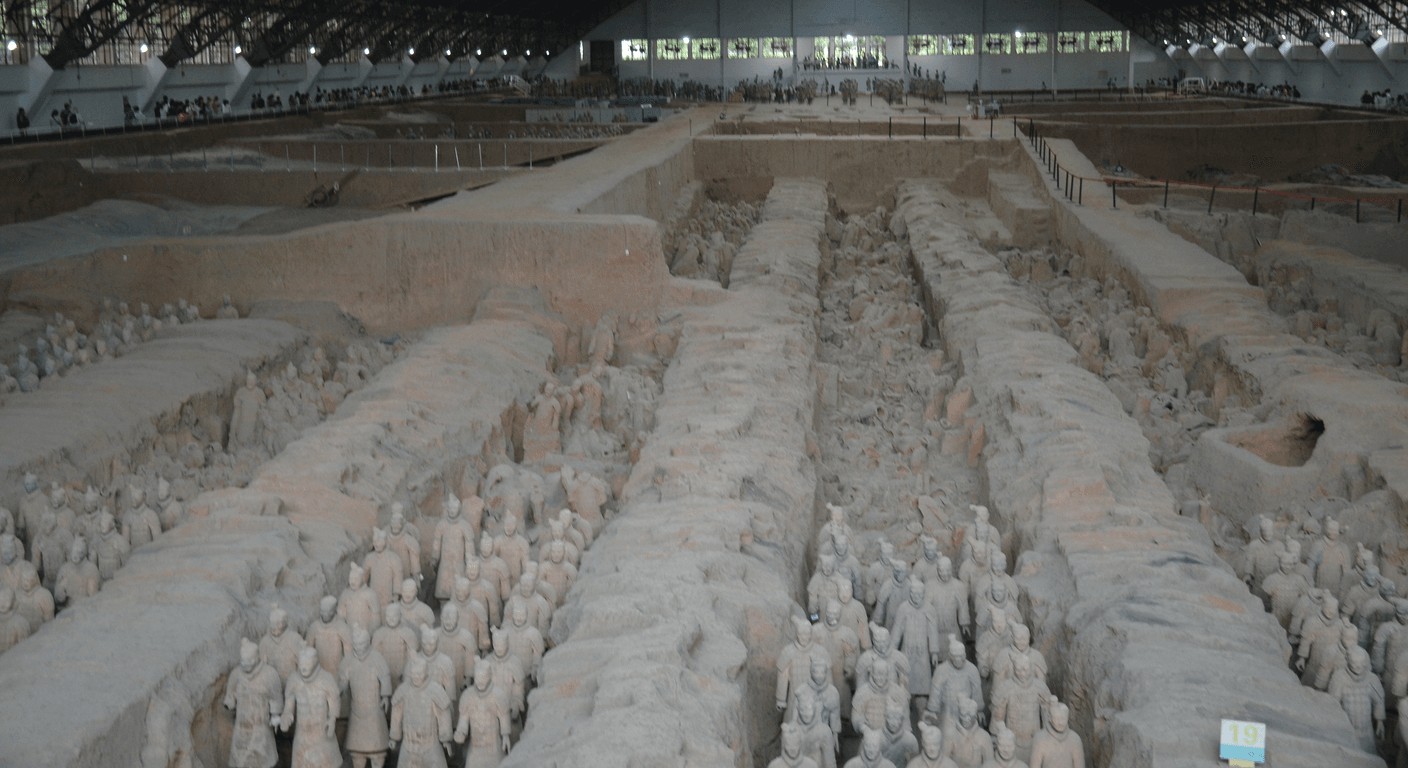
Pit 1 is the centrepiece: a vast aircraft hangar of a building sheltering row upon row of soldiers, each with an individually sculpted face. Standing on the raised walkway above them, you understand immediately why photographs — even good ones — fall short. The scale and the silence do something that pixels cannot. Pit 2 is partially unexcavated and gives a sense of ongoing discovery. Pit 3 is smaller, with command-level figures. The bronze chariots in a separate hall are often overlooked and worth twenty minutes.
The walkways are firm and level; there are no stairs down among the figures. The pit halls are covered but not air-conditioned, so summer visits (June–August) can be warm and crowded simultaneously. Arrive when the gates open — around 8:30 am — to get the first two hours before tour groups arrive in volume. A weekday visit is noticeably quieter than a weekend.
The ancient city wall: a genuinely easy afternoon
Xi'an's city wall dates from the Ming Dynasty (14th century) and is among the best-preserved in China — 14 kilometres in circumference, 12 metres high, with a flat top wide enough for two lanes of traffic. You can walk sections of it, hire a bicycle, or take a golf cart around the full circuit. For travellers who want the view and the history without the exertion, the golf cart is a perfectly reasonable choice. The circuit takes about an hour and covers all four corners.
The wall is best in the late afternoon, when the light softens and the city below takes on a different quality. Entry is straightforward; tickets are available at the main gates. The South Gate (Yongning Gate) is the most accessible entry point from the city centre and has a lift to the top.
This is the kind of afternoon that doesn't appear in highlight reels but stays with you. A slow circuit of a medieval wall above a city of millions, watching the day change — it's a good use of time, and it's the sort of experience that solo travel does particularly well.
Where to eat and stay in Xi'an
The Muslim Quarter (Huimin Jie) is the obvious choice for an evening wander and dinner. The neighbourhood has been home to the Hui Muslim community for over a thousand years, and the food reflects it — lamb skewers, hand-pulled noodles, pomegranate juice, flatbreads stuffed with slow-braised pork (biangbiang noodles are the local signature dish). The lanes are lively without being difficult to navigate. Go early evening, around 6 pm, before the full crowd.
For accommodation, the area around the South Gate and the Bell Tower puts you within easy walking distance of the wall, the quarter, and the train station. International chains — Sofitel, Hilton, Wyndham — operate in Xi'an at mid-range to upper-mid prices. A room in a solid four-star property runs indicatively around AUD $120–$200 per night; confirm current rates. Solo travellers should note that single supplements apply in most hotels, though some properties offer single-occupancy rates worth asking about.
Xi'an's street food scene is genuinely excellent, but for solo travellers who prefer a sit-down meal with an English menu, the hotel restaurant is a reliable fallback on the first night. By the second evening, most travellers have found their bearings and are eating somewhere far more interesting.
Practical tips for Australian travellers over 50
Download WeChat and Alipay before you leave Australia and link them to a bank card — China is substantially cashless, and having these apps makes daily transactions far easier. Some international credit cards work at larger hotels and tourist sites, but smaller restaurants and market stalls often don't accept them. A small amount of Chinese yuan (RMB) in cash is useful as backup.
Mobile data in China is managed differently from the rest of the world. Many Australian SIM cards and Google-based services don't function normally due to network restrictions. A China-specific SIM (available at major Chinese airports) or a roaming plan specifically designed for China from your Australian carrier solves most of this. Check before you depart — it's one of those things that causes unnecessary frustration on arrival if left unaddressed.
The pace of a Xi'an visit suits older travellers well. The major sites are concentrated, transport links are good, and the city doesn't demand the constant movement that some destinations do. A 69-year-old travelling solo from regional Victoria who paces the itinerary sensibly — rest day on arrival, Warriors on day two, wall and quarter on day three — will find this one of the more manageable major international experiences available. The effort is real. So is the reward.
Quick planning guide
| Ideal pace | Slow-paced, spread across two to three days rather than a rushed day trip |
|---|---|
| Best months | April–May and September–October (spring and autumn) for mild weather and thinner crowds |
| Suggested stay | Two nights minimum, three nights preferred |
| Mobility level | Easy — flat, level walkways at the pits with no stairs; golf cart option for the city wall |
| Cost level | Mid-range (four-star hotels indicatively AUD $120–$200 per night) |
| Comfort level | Comfortable and paced rather than punishing, well suited to older travellers |
| Best for | Solo travellers over 50 interested in history and archaeology who want a manageable major international trip |
| Main planning consideration | Confirm current Chinese visa and entry rules with Smartraveller before booking flights or tours |
Key takeaways
- The Terracotta Army pits are viewed from raised, level walkways — no steps down among the figures, making access manageable for most travellers.
- High-speed G-trains cover Beijing to Xi'an in around four hours, making the rail leg a practical and comfortable alternative to a domestic flight.
- Spring (April–May) and autumn (September–October) offer the best combination of mild weather and manageable crowd levels.
- Chinese visa and entry requirements for Australians have changed recently — confirm current rules at smartraveller.gov.au before booking anything.
- Arriving at the Terracotta Warriors site at opening time on a weekday gives you the first two hours with significantly fewer tour groups.
- Xi'an's ancient city wall can be circuited by golf cart in about an hour — a flat, accessible alternative to cycling or walking the full 14 kilometres.
Recommended partners and links
Indicative prices only — always confirm with the operator before booking.
Frequently asked questions
Do Australian citizens need a visa to visit China and Xi'an?
Visa requirements for Australian passport holders travelling to China have changed in recent years and continue to evolve. As of 2025–2026, some visa-free arrangements apply in certain circumstances, but conditions change. Always confirm current entry requirements at smartraveller.gov.au and directly with the Chinese Embassy in Australia before booking flights or tours.
How do you get from Beijing to Xi'an by high-speed train?
High-speed G-trains run regularly between Beijing West station and Xi'an North station, covering the journey in approximately four to four-and-a-half hours. Second-class seats are comfortable and wide; first-class is also available. Tickets can be booked through platforms such as chinatrainbooking.com or through a tour operator. Indicative fares run around AUD $120–$160 in second class — confirm current pricing before booking.
Is the Terracotta Army site accessible for older or mobility-limited travellers?
The three excavation pit halls are viewed from raised, level walkways with no steps down among the figures. The site is large, with considerable walking between halls, but the terrain is flat and paved. Wheelchairs are available for hire at the entrance. The visit is rated Moderate overall due to the walking distances involved, but the viewing experience itself is fully accessible.
When is the best time of year to visit Xi'an?
April to May and September to October are the most comfortable months — mild temperatures, lower humidity, and smaller crowds than the summer peak. Summer (June–August) is hot, humid and extremely busy, particularly during Chinese national holidays. Winter (December–February) is cold but quiet, and the Warriors are no less impressive in the off-season.
How much time should you spend at the Terracotta Warriors site?
Allow three to four hours for a thorough visit covering all three pit halls and the bronze chariot museum. Arriving at opening time (around 8:30 am) on a weekday gives you the best conditions — good light in Pit 1 and smaller crowds before the main tour groups arrive mid-morning. The return journey from central Xi'an adds around 90 minutes travel time in total.