Australia's dark-sky destinations perform best during the new moon window, especially in winter (May–August), when drier air brings the Milky Way's galactic centre and both Magellanic Clouds into sharp view. A stargazing trip suits older solo travellers well, needing only a deckchair, thermos and a few nights at a chosen site—whether the Warrumbungles' Siding Spring Observatory, outback South Australia, or Uluru. Physical demands are low, though reaching most sites means flying into a regional hub and driving or hiring a car for the final stretch.
Why Australia's Night Sky Deserves Its Own Journey
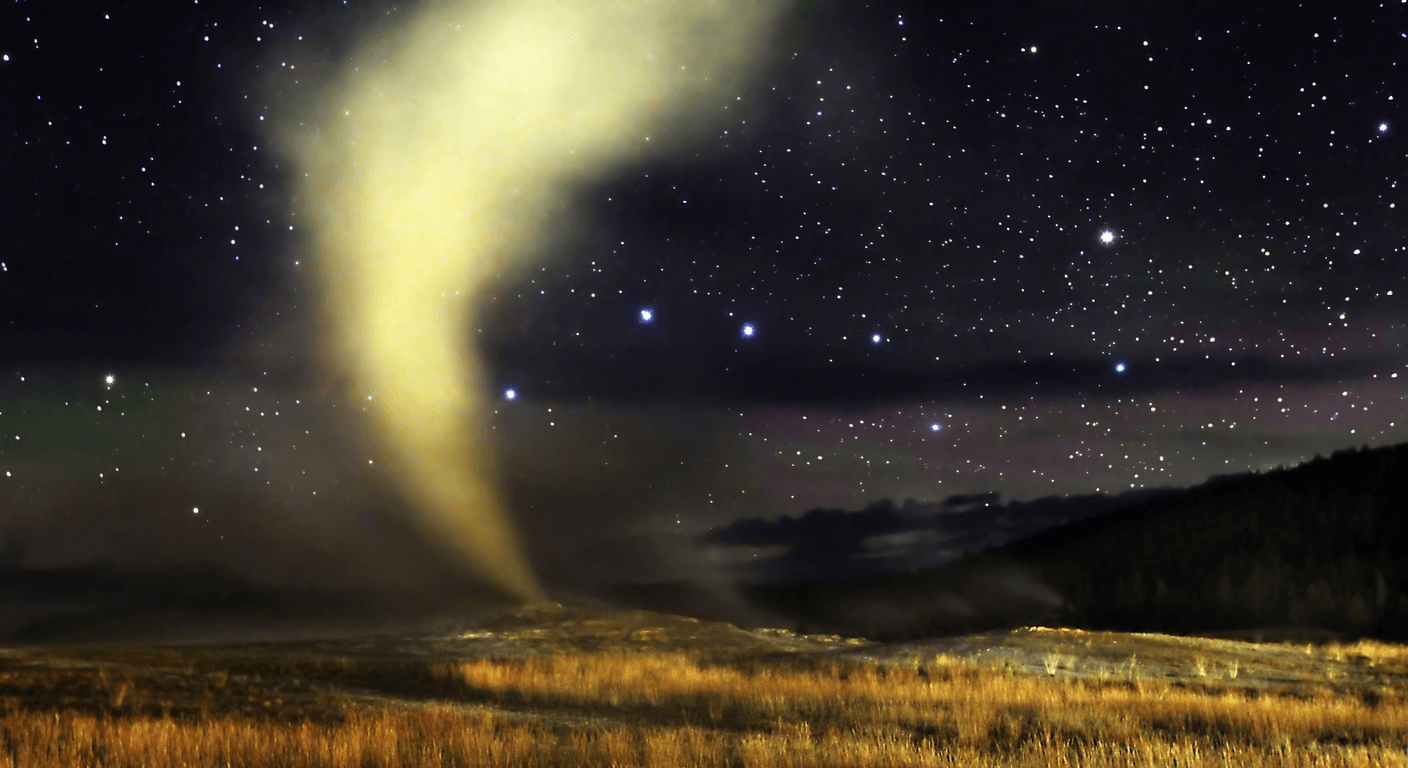
There is a particular kind of quiet that comes with standing under a truly dark sky. No amber glow on the horizon, no aircraft strobing overhead every few minutes, no ambient hum of a suburb settling in for the night. For travellers who have spent most of their lives in or near Australian cities, it is easy to forget that the sky above this continent is among the most extraordinary on earth. The Milky Way here does not appear as a faint smudge; it casts a shadow.
Australia sits beneath the galactic centre of the Milky Way, which means the southern sky contains the richest, most densely starred portion of our galaxy. The Magellanic Clouds — two dwarf galaxies visible to the naked eye — are exclusively a southern hemisphere spectacle. Travelling specifically to see them, unhurried and in good company with a warm drink, is the kind of trip that tends to stay with a person for years.
For solo travellers aged 60 and over, a stargazing journey offers something genuinely different from the usual museum-and-winery circuit. The pace is gentle, the costs are modest, and the experience requires almost no physical exertion beyond getting yourself to a dark, open patch of ground and tilting your head back. A deckchair, a thermos, and a clear night are the essential equipment.
When to Go: The New Moon Window and Winter's Advantage
Timing matters more than almost any other factor in stargazing travel. The single most important thing to plan around is the lunar calendar. A full moon is beautiful but it washes out faint stars and the Milky Way almost entirely. Aim to be at your chosen dark-sky destination during the new moon phase — roughly a five-to-seven day window either side of the new moon date when the sky is at its darkest from dusk onward. Free apps such as Moon Phase or the Sky Map family of tools make it straightforward to check this before you book accommodation.
Winter months — May through August — offer a second significant advantage. The atmosphere is drier and more stable in many parts of inland Australia during winter, which means less atmospheric shimmer and generally better seeing conditions. The galactic core of the Milky Way sits higher in the winter sky, making it easier to observe without straining your neck. The trade-off is cold: temperatures at high-altitude or desert sites can drop sharply after sunset, and layering properly is not optional. A warm down jacket, a beanie, and a small rug over the lap are practical necessities, not extras.
Summer skies have their own appeal — Jupiter and Saturn make strong appearances in different years, and summer nights in the tropics and arid interior can be spectacular — but for a first dedicated stargazing trip from Victoria, a late-May or June journey timed to the new moon is a reliable combination. Check the relevant state weather services and the Bureau of Meteorology's cloud cover forecasts in the days before you travel; even the darkest site is unremarkable under cloud.
The Warrumbungles: New South Wales and Siding Spring Observatory
The Warrumbungle National Park in central-western New South Wales was Australia's first designated Dark Sky Park, a status awarded by the International Dark-Sky Association. The volcanic plugs and ridgelines of the park create a dramatic landscape by day, but the designation was earned by the absence of light pollution across the surrounding plains. The area hosts Siding Spring Observatory, the site of Australia's largest optical telescope and a working research facility that also runs public engagement programmes.
Public nights at Siding Spring are the most structured stargazing experience in Australia. Sessions are led by guides who explain what you are looking at through the telescopes, and the mix of naked-eye sky tours and magnified views of globular clusters or nebulae suits travellers who want context alongside the experience. Sessions are typically held on Friday and Saturday evenings around new moon periods; indicative costs have been in the range of around $20–$35 per adult, though prices change and booking is essential. Confirm current dates, times, and pricing directly at sidingspringobservatory.com.au before travelling.
Getting to Coonabarabran, the nearest town, is manageable from Victoria. Fly to Dubbo with Rex Airlines and hire a car, or drive via Dubbo if you prefer a road trip — roughly eight to nine hours from Melbourne depending on your route. Coonabarabran itself is a genuinely welcoming small town with comfortable motel accommodation and good country pub meals. The Timor Road leading up to the observatory is sealed and accessible in a standard vehicle, though it is winding. Warrumbungle National Park also has camping with dark-sky conditions for those who travel with a van or tent, but park entry fees apply; check parks.nsw.gov.au for current details.
South Australia: The River Murray Dark Sky Reserve and Outback Options
South Australia's Riverland region along the Murray River holds one of Australia's more accessible dark-sky areas for travellers who prefer not to venture into genuinely remote country. The River Murray Dark Sky Reserve encompasses a broad corridor of the river's lower reaches, where flat agricultural land and low population density combine to create skies that are surprisingly dark for a region only a few hours from Adelaide. The Astronomical Society of South Australia runs regular public outreach events in the Riverland, and several local tourism operators have begun offering guided evening sessions. Confirm current programming through assa.org.au.
For travellers willing to go further into outback South Australia, the Flinders Ranges offer arguably the state's most dramatic combination of landscape and night sky. Arkaroola Wilderness Sanctuary in the northern Flinders Ranges has built a serious astronomy programme over many years; their ridge-top tours take small groups to elevated sites with wide horizons, and the guides are knowledgeable. The drive from Adelaide is long — allow a full day — but the sealed road reaches Arkaroola. Accommodation at the sanctuary is comfortable and practical. Check arkaroola.com.au for current tour availability and pricing, as these do change seasonally.
Lake Gairdner, a vast salt lake in South Australia's far west, is one of the continent's most extraordinary natural dark-sky settings. It is remote, requires a four-wheel drive for proper access, and is not appropriate for solo travel without experience in outback conditions. It is mentioned here for completeness, and for travellers who might join a guided outback tour that includes it. If a guided small-group outback tour appeals, look for operators listed through southaustralia.com who carry appropriate safety and medical provisions.
Western Australia: The Mid West and the Murchison
The Murchison region of Western Australia, centred roughly on the town of Meekatharra and extending toward Geraldton, is one of the darkest inhabited corridors in Australia. The Square Kilometre Array (SKA) telescope project chose this region in part because of its extraordinary radio quietness and the low light pollution across hundreds of kilometres. While the SKA itself is a scientific facility and not a public attraction, the region's reputation for pristine skies has encouraged the development of astronomy tourism around Geraldton and the Midwest coast.
Geraldton is the practical base for exploring this part of Western Australia. It is served by direct flights from Perth, and car hire is available locally. The Murchison Radio-astronomy Observatory runs occasional public open days; check csiro.au for current information. More accessible for an older solo traveller is the combination of staying in Geraldton or the Kalbarri area and driving a short distance inland on a clear new-moon night — even the edges of this region offer dramatically dark skies compared with anything near a major city.
The Kimberley region in Western Australia's north is a different kind of stargazing destination: more dramatic landscape, warmer nights, but also more logistically demanding. Broome makes a reasonable base, and several local tourism operators run evening sky tours. The dry season (April to October) is the practical window. For a solo traveller who prefers organised small-group experiences, a guided tour booked through a Broome-based operator is a sensible approach. Check westernaustralia.com for current licensed operators.
The Northern Territory: Uluru, Alice Springs and the Desert Sky
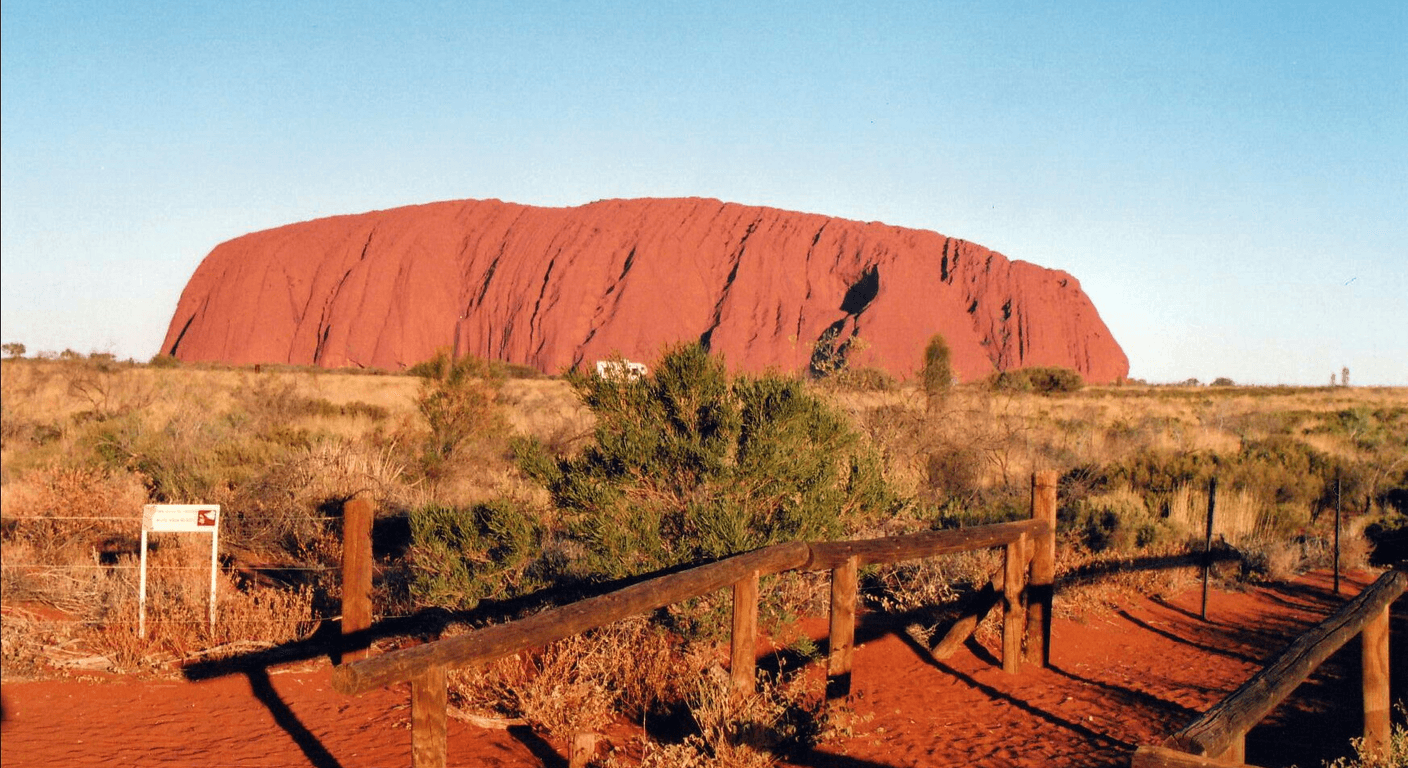
The Northern Territory is where many Australians first encounter a genuinely dark sky, often as part of a broader outback journey. The country around Alice Springs and Uluru-Kata Tjuta National Park sits at altitude, in dry desert air, far from any major city's light dome. The Milky Way above the Territory on a clear winter night is not a subtle thing; it is structural, three-dimensional, something you feel as much as see.
The Alice Springs Astronomical Society runs public viewings; check with the Alice Springs visitor information centre or northernterritory.com for current event listings. Several resort operators near Uluru offer guided stargazing sessions as an add-on to accommodation packages. These sessions are typically run by trained guides and include telescope time as well as naked-eye orientation, which is genuinely useful for travellers new to the southern sky. Costs vary by operator and season; treat any figure found online as indicative and confirm directly.
Accessibility at Uluru-area resorts is generally good — the accommodation at Yulara (Ayers Rock Resort) is modern, flat, and designed for a wide range of mobility levels. The main consideration is the cold: even in the Territory, desert nights in June and July can drop close to zero degrees. The same layering advice applies here as anywhere else in outback Australia. A small torch with a red-light mode (red light preserves night vision, unlike white light) is worth packing in your bag.
Practical Matters: Gear, Accessibility, and Getting the Most from Each Night
The good news about stargazing travel is that the barrier to entry is very low. No specialist equipment is required for a deeply satisfying experience. The naked eye, properly dark-adapted — which takes around 20 minutes away from white light — can resolve the Milky Way's structure, both Magellanic Clouds, and the broad brushstrokes of nebulae in Orion and Carina. A pair of 7x50 or 10x50 binoculars, the kind used for birdwatching, adds significant detail and opens up globular clusters, double stars, and the satellites of Jupiter. A small folding chair or a reclining camp chair is genuinely helpful for extended viewing; standing with your neck craned back for an hour is tiring.
Dress warmly regardless of the season or the daytime temperature. Outback and high-country sites cool rapidly after sunset, and sitting still for an hour or two means your body generates little heat. Base layers, a mid layer, a down jacket, a beanie, and gloves are not excessive for a June or July night at altitude or in the desert interior. Slip-on insulated boots or thick socks inside hiking boots keep the feet comfortable. A thermos of tea or coffee completes the picture.
For travellers with mobility considerations, the most important factor to check in advance is the surface underfoot at any stargazing site. Observatory public nights at Siding Spring involve some walking on gravel paths; call ahead to ask about accessibility if this is a concern. Many resort-based stargazing sessions in the Territory and outback South Australia take place on flat, cleared ground adjacent to the accommodation, which is generally manageable. If you use a walking stick or have balance concerns after dark, let the operator know when you book — most guides are experienced at accommodating this quietly and without fuss.
Quick planning guide
| Ideal pace | Slow-paced and unhurried |
|---|---|
| Best months | May to August, timed around the new moon |
| Suggested stay | A few nights centred on the new moon window |
| Mobility level | Easy, with occasional gravel paths at observatory sites |
| Cost level | Budget-friendly to moderate, roughly $20–$35 for guided public sessions |
| Comfort level | Comfortable with proper layering; desert nights turn very cold |
| Best for | Solo travellers over 60 seeking a low-effort, low-cost outback experience |
| Main planning consideration | Book around the new moon and confirm cloud-cover forecasts before travelling |
Key takeaways
- Timing your trip to the new moon window — five to seven days either side — matters more than which dark-sky destination you choose.
- Australia's southern sky contains the galactic centre of the Milky Way and both Magellanic Clouds, spectacles that are invisible from the northern hemisphere.
- Siding Spring Observatory in the Warrumbungles is Australia's most structured public stargazing experience, with guided sessions around new moon periods.
- Winter months (May–August) bring drier air, stable skies, and the galactic core at a comfortable viewing angle — the best overall window for a stargazing trip.
- A reclining deckchair, a down jacket, a thermos, and 20 minutes of dark adaptation are all the equipment a first-time stargazing traveller genuinely needs.
- Resort-based stargazing sessions near Uluru and in the Flinders Ranges offer guided, accessible experiences on flat ground, suitable for older travellers with mobility considerations.
Recommended partners and links
Indicative prices only — always confirm with the operator before booking.
Frequently asked questions
What is the best time of year for stargazing in outback Australia?
The May-to-August window is generally considered the best time for stargazing in outback Australia. The air is drier and more stable, the galactic core of the Milky Way sits at a comfortable angle in the sky, and cloud cover is typically lower across inland regions. Combine this with a new moon date for the darkest possible conditions.
Do you need a telescope to enjoy a dark-sky stargazing trip?
No telescope is needed to have a genuinely rewarding stargazing experience in Australia's dark-sky regions. The naked eye, once dark-adapted after about 20 minutes away from white light, can clearly resolve the Milky Way, the Magellanic Clouds, and numerous star clusters. A pair of standard 7x50 or 10x50 binoculars adds detail but is entirely optional.
Is Siding Spring Observatory open to the public?
Yes, Siding Spring Observatory near Coonabarabran in New South Wales runs public night sessions, typically on Friday and Saturday evenings around new moon periods. Sessions include guided telescope viewing and sky tours. Booking in advance is essential. Check sidingspringobservatory.com.au for current session dates, times, and pricing, as these change.
Are dark-sky stargazing sites accessible for older travellers with mobility concerns?
Accessibility varies by site. Resort-based stargazing sessions near Uluru and at some Flinders Ranges properties typically take place on flat, cleared ground close to accommodation and are generally manageable for older travellers. Observatory public nights at Siding Spring involve some gravel paths; it is worth calling ahead to discuss access needs. Letting operators know your requirements when booking allows them to make practical arrangements.
How cold does it get at outback stargazing sites at night?
Temperatures at outback and high-altitude stargazing sites can drop sharply after sunset even in summer, and in June and July desert nights can approach zero degrees Celsius at some locations. Warm layering — base layers, a down jacket, a beanie, and gloves — is strongly recommended regardless of the daytime temperature. A thermos of something hot and insulated footwear make the experience considerably more comfortable.
- Siding Spring Observatory – Public Night Sessions
- Warrumbungle National Park – NSW National Parks
- Arkaroola Wilderness Sanctuary – Astronomy Tours
- Astronomical Society of South Australia
- Tourism NT – Astrotourism and Outback Travel
- Tourism Western Australia – Outback Experiences
- South Australia Tourism Commission
- Bureau of Meteorology – Cloud Cover and Weather Forecasts
- International Dark-Sky Association – Dark Sky Places