Inverell, in the New England tablelands of northern NSW, is best visited between April and October, when cooler weather suits outdoor sapphire fossicking. A full day or a short one-to-two night stay covers the main draws: guided fossicking, the flat, heritage-rich Byron Street precinct, the Pioneer Village, and Copeton Dam nearby. Terrain throughout is level and easy walking. Access is either a staged multi-day drive along the New England Highway or a Rex flight via Sydney into Inverell Airport.
Why Inverell rewards a proper look
There's a particular pleasure in arriving at a country town and finding it more architecturally serious than you expected. Inverell's Byron Street delivers that — a broad, flat main street lined with sandstone and brick buildings from the 1880s and 1890s, built with the confidence of a town that knew it was sitting on something valuable. That something was sapphires, and to a lesser extent diamonds, zircons and other gemstones found in the basalt country surrounding the town.
For a solo traveller with a day or two and a genuine curiosity about Australian history, Inverell is quietly satisfying. It doesn't perform for tourists. The main street functions as a real working town centre, the heritage buildings are the actual post office and courthouse rather than facades, and the fossicking is a real activity rather than a theme-park gesture. That straightforwardness is part of its appeal.
The flat terrain is a practical bonus. Byron Street and the town centre are genuinely easy to walk, with no significant gradients between the key heritage buildings. For anyone who prefers a day without hills, Inverell's layout is almost unusually accommodating.
The sapphire fossicking experience — what to expect
Inverell's gemfields extend across several properties around the town, and the most sensible approach for a visitor is a guided fossicking experience through one of the local operators. These typically involve washing gravel through a sieve over a trough — a process that requires no prior knowledge and is low-impact physically. Finding even a small rough sapphire is genuinely satisfying. Finding nothing is also genuinely possible, so tempered expectations are wise.
Before travelling, confirm which operators are running tours, on what days, and at what cost. Availability varies with the season and operator circumstances — this is regional New South Wales, not a large tourist infrastructure. The NSW Resources Regency website (resourcesregency.nsw.gov.au) outlines fossicking licence requirements and designated areas; a day licence is typically inexpensive but required. Guided tours usually include this or advise on it directly.
The cooler months — roughly April to October — are the most comfortable for outdoor fossicking. Summer heat in Inverell is not trivial; temperatures above 35°C are routine in January and February, and working outdoors over a gravel wash in that heat is neither pleasant nor advisable for most travellers. If a summer visit is unavoidable, plan fossicking for early morning and retreat to air-conditioned spaces by midday.
Walking Byron Street — the 1880s main street
Byron Street is one of those country main streets that architectural historians tend to notice and most visitors simply enjoy without quite knowing why. The scale is generous — wide road, broad footpaths — and the surviving heritage buildings have genuine weight. The Inverell Courthouse, the old post office, and several commercial buildings from the late nineteenth century line the street in various states of preservation, some immaculate, some weathered in the way that only adds character.
A self-guided heritage walk is the natural approach. The Inverell Visitor Information Centre can provide a walking map; it's worth picking one up before heading out, as the buildings' histories are more interesting with context. The whole circuit is manageable in an hour at a relaxed pace, with cafes and the country bakery offering natural stopping points.
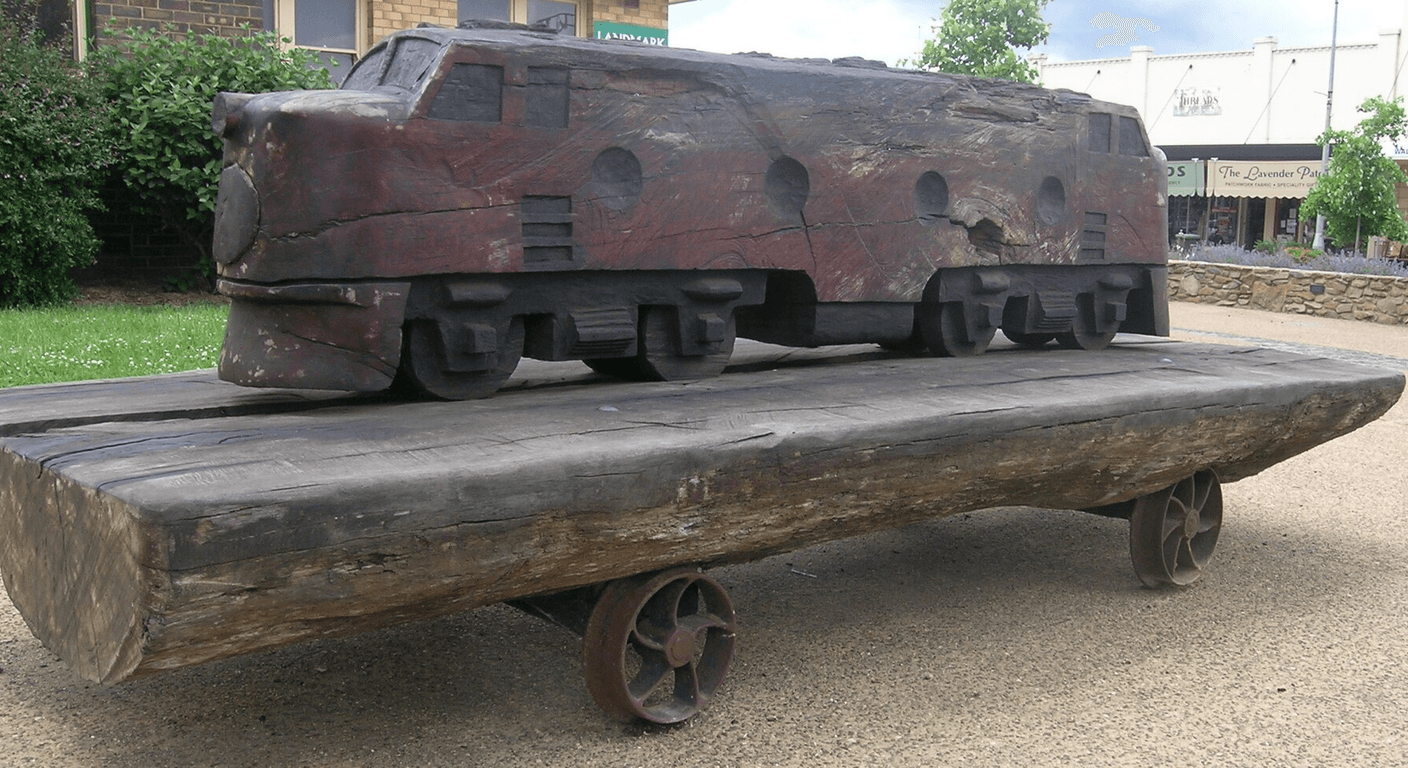
One detail worth noting: Inverell also has a small but well-regarded transport museum, and the town library often holds local history displays. Neither demands a long visit, but both reward a traveller with genuine curiosity about how a regional town actually developed. This is the New England tablelands — a region with a distinct pastoral and mining history that doesn't always get the attention it deserves.
Inverell Pioneer Village — heritage buildings with context
The Pioneer Village sits on the edge of town and takes a different approach to history than the main street: rather than preserving buildings in situ, it has relocated historic structures from across the region onto a single site, creating a walkable collection of nineteenth and early twentieth century buildings — a slab cottage, a church, a blacksmith's shop, a school room and others. It's an honest, modest attraction, not a polished theme park.
Entry is low-cost, with concessions available — confirm current pricing and opening days before visiting, as hours can vary seasonally and the site is volunteer-supported in part. Allow an hour to ninety minutes for a comfortable walk through. The paths between buildings are generally level and manageable, though some interior thresholds have a step. A walking stick or trekking pole is no disadvantage here.
What the Pioneer Village does well is provide scale and texture to the history you've just read about on Byron Street. Seeing a slab hut from the 1860s alongside the equipment that furnished it makes the leap from sapphire rush to Victorian civic confidence feel real rather than abstract. It's the kind of place a solo traveller can move through at their own pace, reading every panel or none, without any pressure.
Copeton Dam — a half-day at the water's edge
About 20 kilometres south of Inverell, Copeton Dam is one of the largest earth-fill dams in Australia and the centrepiece of Copeton Waters State Park. For a traveller who has spent the morning on the main street and Pioneer Village, an afternoon at the dam offers a complete change of pace — wide water, eucalypts, picnic tables in the shade, and very little noise beyond birds.
The drive out is straightforward on sealed road. Copeton is popular with campers, boaters and anglers, but the picnic areas around the dam wall are accessible and pleasant without any of those activities. It's a good place to sit with a thermos and a sandwich and do very little, which is sometimes exactly the right choice. Day use fees may apply — confirm with NSW National Parks before visiting.
Birdwatching around Copeton is worthwhile. The mix of open water, woodland and rocky country around the dam supports a broad range of species, and the quieter western shores in particular can be productive with binoculars. There's no specialist infrastructure required — this is casual, incidental birdwatching of the kind that rewards patience rather than effort.
Where to eat — the country bakery question
Inverell has a genuine country bakery culture, and a meat pie or a sausage roll from a local bakery at lunchtime is both cheap and deeply appropriate to the setting. The town centre has several options; ask at the visitor centre or simply follow your nose. Quality varies, as it always does in country towns, but the better bakeries in the New England region are genuinely good, and a fresh pie eaten at a footpath table on Byron Street is a more satisfying lunch than it has any right to be.
For a longer lunch, Inverell has a handful of cafes and a pub or two with bistro menus. Indicative costs for a main at a country pub bistro run around $20–$30, though confirm current pricing — these things shift. The town is not a destination dining experience, and that's fine. The food suits the place: straightforward, generous, unpretentious.
A practical note for a solo traveller: country pub dining rooms are generally welcoming of solo diners, and the bar area of a good country pub is often a better place to eat alone than a formal dining room. Staff tend to be chattier, and you're more likely to have a conversation that tells you something interesting about the town.
Getting to Inverell — the practical reality from Victoria
From Melbourne, Inverell is not a quick trip. Driving the full distance — roughly 1,200 kilometres via the Hume and New England Highways — is a multi-day journey and best broken into comfortable stages, perhaps with a night in Albury or Tamworth. The New England Highway through Tamworth and Armidale is a pleasant drive in its own right, and the tablelands landscape shifts noticeably as you climb.
Regional Express (Rex) operates flights from Sydney to Inverell Airport; from Melbourne, that means connecting through Sydney. Confirm current schedules and fares directly with Rex, as regional routes can change. Flying in and hiring a car locally is a sensible option for a solo traveller who doesn't want to drive the full distance from Victoria.
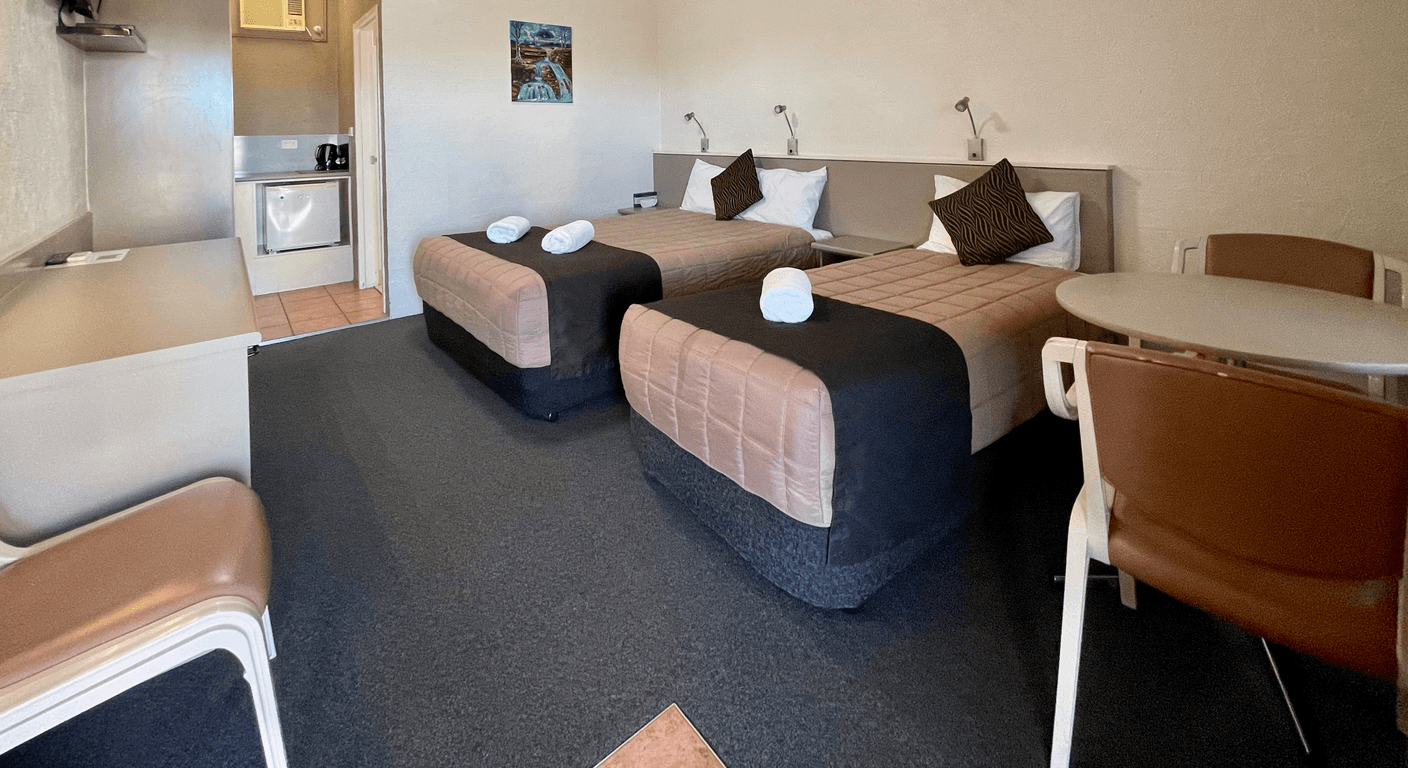
Armidale, about two hours south on the New England Highway, is the practical base for those who want a larger regional centre with more accommodation options before making the day trip north to Inverell. Tamworth, further south again, is another option and has good motel infrastructure. Both are on the New England Highway and within comfortable driving range.
Quick planning guide
| Ideal pace | Relaxed and unhurried |
|---|---|
| Best months | April to October (cooler, more comfortable for outdoor fossicking) |
| Suggested stay | A full day, or one to two nights for a fuller look |
| Mobility level | Easy — flat main street and level paths at key sites |
| Cost level | Budget-friendly overall, with a few moderate pub-dining costs |
| Comfort level | Comfortable outside summer; midday heat in Jan–Feb can be taxing |
| Best for | Solo travellers, history enthusiasts, casual fossickers |
| Main planning consideration | Confirm fossicking operator availability, licence requirements and opening hours before travelling |
Key takeaways
- Inverell's main street preserves a genuinely impressive collection of 1880s public buildings on flat, easy terrain — no hills required.
- Guided sapphire fossicking is a real, low-impact activity, but confirm operator availability and fossicking licence requirements before travelling.
- April to October is the practical visiting window; summer heat regularly exceeds 35°C and outdoor activities become uncomfortable.
- The Pioneer Village offers a concentrated, level-path heritage experience with concession entry — confirm hours before visiting, as they vary.
- Copeton Dam, 20 kilometres from town, provides a complete contrast to the main street: wide water, shade and unhurried picnic time.
- From Victoria, Inverell is best reached by a staged drive along the New England Highway or by flying into Sydney and connecting on Rex to Inverell Airport.
Recommended partners and links
Indicative prices only — always confirm with the operator before booking.
Frequently asked questions
Do I need a licence to go fossicking for sapphires near Inverell?
Yes. A NSW fossicking licence is required to search for gemstones on designated fossicking lands in the Inverell area. Licences are available through the NSW Resources Regency and are low-cost. Guided tour operators usually advise on this or include it — confirm with your chosen operator before visiting. See resourcesregency.nsw.gov.au for current requirements.
Is Inverell suitable for travellers with mobility considerations?
Inverell's main street and town centre are flat and easy to walk. The Pioneer Village has generally level paths between buildings, though some heritage structures have stepped thresholds. Fossicking involves standing at a wash trough, which most people find manageable. The site is rated Easy overall, but confirm specific access needs with individual attractions before visiting.
What is the best time of year to visit Inverell?
April to October offers the most comfortable conditions. Inverell sits on the northern New England tablelands and experiences genuine inland heat in summer — January and February temperatures regularly exceed 35°C, which makes outdoor fossicking and walking impractical during the middle of the day. Winter days are mild and clear, though nights can be cold.
How far is Inverell from Armidale and Tamworth?
Inverell is approximately 215 kilometres north of Tamworth and about 130 kilometres north of Armidale, both via the New England Highway. Armidale is the closer base for a day trip to Inverell, at roughly two hours' drive on a good sealed road. Tamworth adds another hour or so.
Is there public transport to Inverell from major cities?
Direct public transport from Sydney or Melbourne to Inverell is limited. Regional Express (Rex) operates flights from Sydney to Inverell Airport — confirm current schedules at rex.com.au. Long-distance coach services connect some regional centres but are slow and infrequent; driving or flying and hiring a car locally are the practical options for most travellers.