Kyogle, a small timber town in northern New South Wales, suits quieter visits outside school holidays. Allow a half-day or one overnight stop, centred on the volunteer-run historical museum (open Thursdays and Saturdays) and the sealed Tweed Range Scenic Drive into Border Ranges National Park. The flat town centre is easy for limited mobility, though a car is essential — there's no taxi service, and the nearest rail stop, Casino, is 30 kilometres away.
What kind of place is Kyogle, honestly?
Kyogle is not a destination that will fill two days. That's not a criticism — it's useful information. This is a working regional town of around 3,000 people in the Richmond Valley, about 100 kilometres south-west of Tweed Heads and roughly 60 kilometres inland from Lismore. Its main street is tidy, its pace is slow in the best sense, and the surrounding landscape — forested ridgelines rolling south into the Border Ranges — is genuinely lovely.
For travellers making their way through northern New South Wales on a road trip, Kyogle offers something increasingly rare: an honest pause. No boutique overload, no artisan coffee queue, no performance of authenticity. What it does have is a flat, walkable town centre, a small supermarket, decent fuel, and a volunteer-run museum that opens its doors only a couple of days a week. Plan around those hours and you'll leave satisfied. Don't, and you may find the museum locked and the main street done in twenty minutes.
The town's real value is positional. It sits at the junction of the Summerland Way and Kyogle Road, making it the most logical base for day drives into the Border Ranges National Park to the north-east and Toonumbar National Park to the west. Both parks are part of the Gondwana Rainforests of Australia World Heritage Area — ancient, quiet, and far less trafficked than the more famous rainforest drives further east.
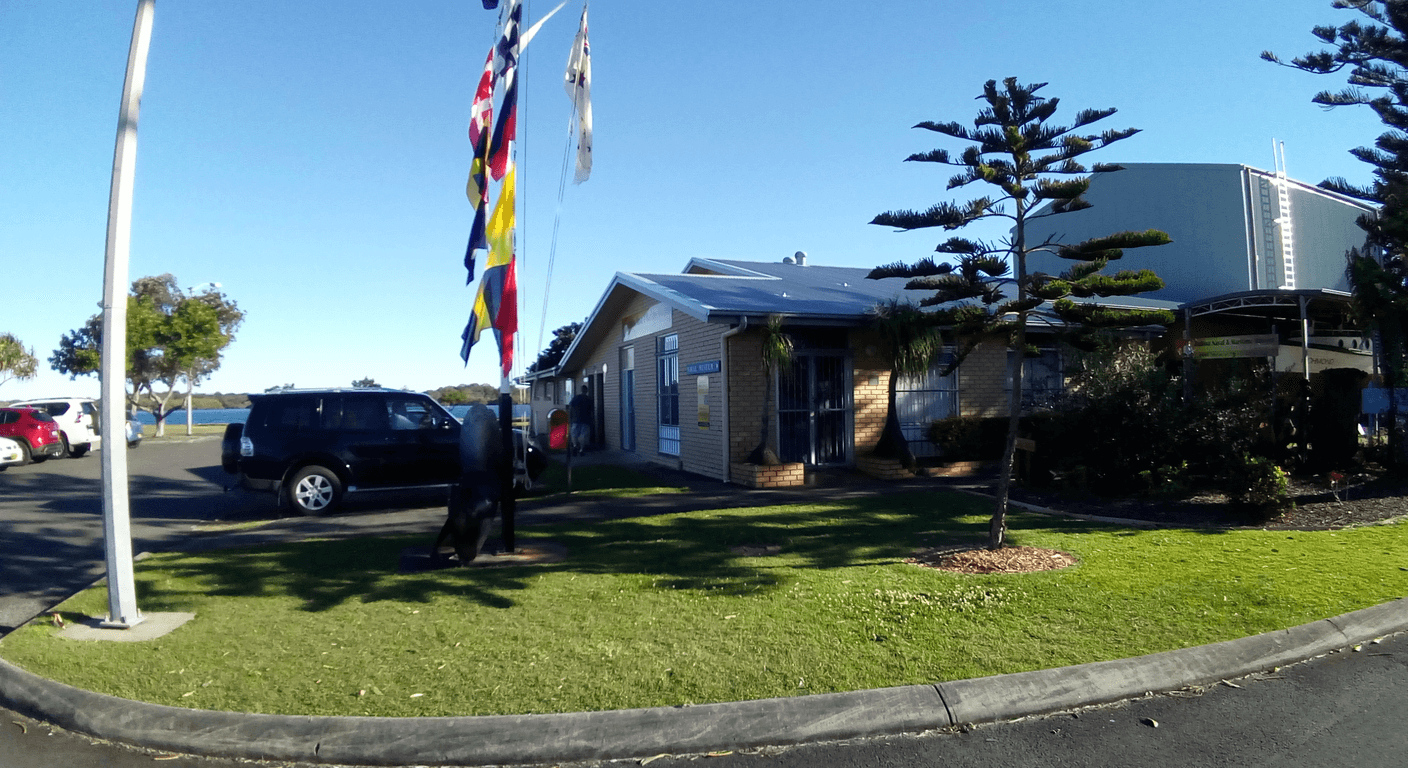
The Kyogle and District Historical Society Museum — what's the story?
The museum is the cultural heart of Kyogle's visitor experience, and it's entirely volunteer-run. That matters because it shapes both the opening hours and the quality of the experience. Volunteers who know the district's history personally staff the space — the kind of people who can tell you which family owned which sawmill, and what happened to them when the industry contracted. That local knowledge is not something a professionally curated exhibition can easily replicate.
The collection centres on the timber industry that defined Kyogle from its earliest days as a logging camp in the late nineteenth century. Photographs, tools, machinery fragments, and documents trace the arc of an industry that cleared vast sections of the Border Ranges rainforest — and the complicated legacy that followed. It's a collection assembled with care rather than budget, and it shows.
Opening hours are limited — typically Thursdays and Saturdays — but these can vary with volunteer availability and public holidays. This is the most important practical detail in this guide: confirm current hours directly before building your visit around them. A quick phone call or enquiry through Richmond Valley Council's visitor information channels will save disappointment. Entry is by donation, which feels appropriate for a place maintained entirely by community effort.
How accessible is Kyogle for travellers with mobility considerations?
The town centre is about as flat as a regional NSW town gets. The main street, Summerland Way, runs through the commercial heart of town without significant gradient, and most of what you'd want to access — the museum, cafes, the park along the Wilson River — is within easy walking distance of any central accommodation or parking area. For couples where one partner moves more slowly or uses a walking aid, Kyogle is genuinely low-stress to navigate.
The museum building itself is an older structure, and accessibility within heritage buildings can vary. It's worth asking when you call ahead about opening hours whether there are any steps at the entrance or inside the exhibition space. The volunteers are invariably helpful and will give you an honest answer.
The national parks surrounding Kyogle are a different matter. The Border Ranges and Toonumbar offer everything from sealed lookout roads to rugged walking tracks, so the experience varies enormously depending on which section you visit. The Tweed Range Scenic Drive — a sealed loop accessible by most vehicles — passes through Border Ranges National Park and offers rainforest views without requiring any significant walking. NSW National Parks' website lists current track conditions and accessibility notes; check before you head out.
Getting to Kyogle — the practical reality
From Melbourne, Kyogle is roughly a 14-hour drive or accessible by train to Casino (via Sydney) followed by a short drive of around 30 kilometres. The Casino to Murwillumbah rail line, operated by NSW TrainLink, serves Casino — confirm current timetables at transportnsw.info, as regional services can change. From Casino, you'll need your own vehicle or a pre-arranged transfer to reach Kyogle comfortably.
From Brisbane, the drive south via the Pacific Motorway to Murwillumbah and then inland is around two to two-and-a-half hours, depending on traffic. The alternative inland route via the Cunningham Highway through Warwick is longer but passes through interesting country. Flying into Gold Coast or Brisbane and hiring a car remains the most flexible option for interstate travellers.
Travelling by car is genuinely the right choice here. Kyogle has no local taxi service to speak of, and the national parks are entirely car-dependent. Grey nomads arriving in campervans will find the town navigable, though the tighter sections of the Tweed Range Scenic Drive through the Border Ranges are not suitable for large rigs — check the NSW National Parks site for vehicle size restrictions before committing to that route.
What to do beyond the museum — scenic drives and national park options
The Tweed Range Scenic Drive is the main event for those using Kyogle as a base. The route runs north-east from Kyogle into the Border Ranges National Park, climbing through subtropical rainforest to lookout points over the Tweed Valley and, on clear days, towards the coast. The drive is largely sealed and manageable in a standard car. Allow at least half a day and carry water and snacks — there are no services once you leave town.
Toonumbar National Park, accessible west of Kyogle via Toonumbar Dam Road, offers a quieter experience again. The dam itself is a pleasant spot for a picnic, and the surrounding park has walking tracks of varying length. The landscape here is open forest rather than dense rainforest, which some visitors find more comfortable — better light, easier sightlines, less humidity. Birdwatching is excellent in both parks.
The Wilson River, which runs through Kyogle, has a small riverside park that's pleasant for a morning walk before the day heats up. It's nothing elaborate — a few benches, some shade, the sound of water — but for travellers who've been driving long stretches, fifteen minutes by a river is its own reward.
Where to eat, stay, and what to expect from Kyogle's facilities
Kyogle's cafe and dining scene is modest and honest. There are a handful of cafes along the main street serving reliable breakfasts and lunches, and a pub or two for an evening meal. Don't arrive expecting a Northern Rivers food culture — that sits closer to Lismore and Bangalow. What you will find is generous portions, reasonable prices, and staff who are genuinely pleased to see visitors.
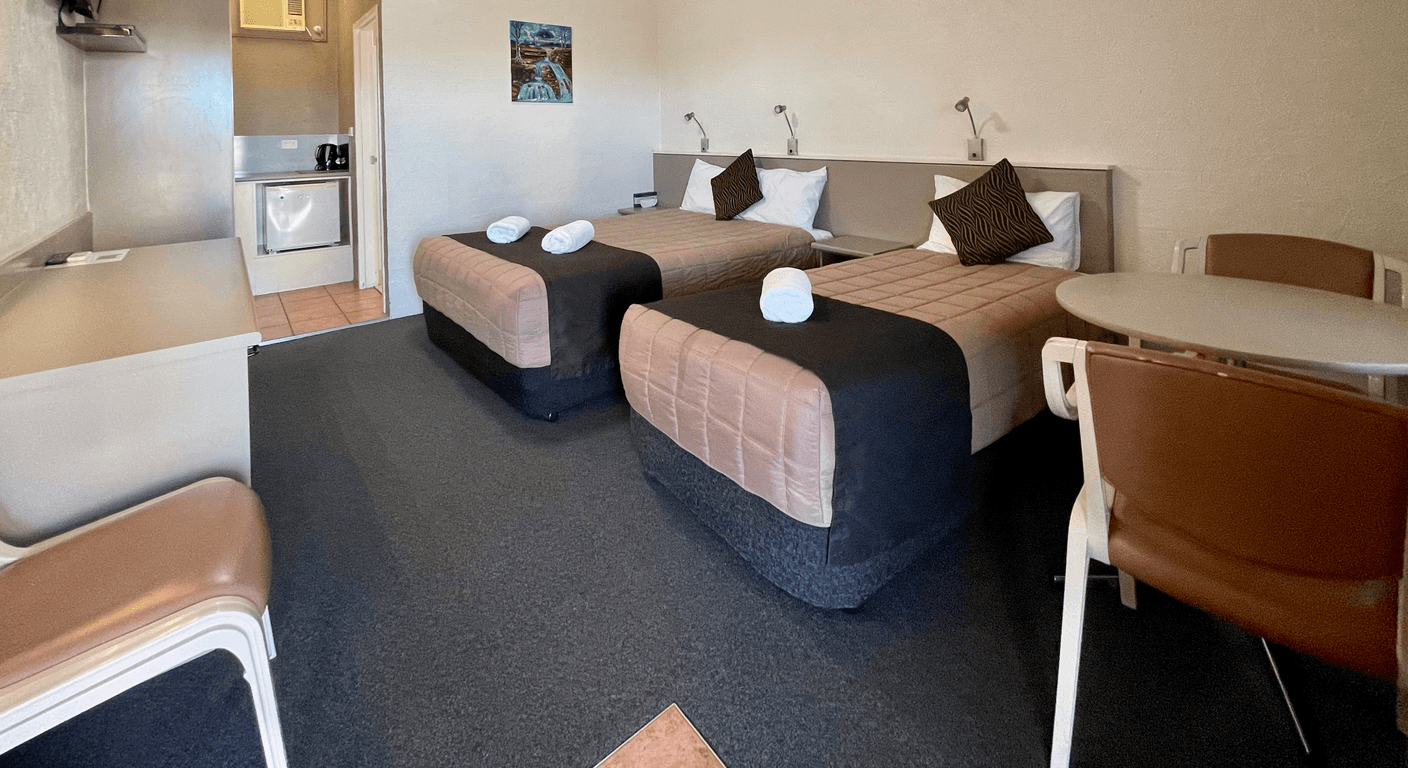
Accommodation options include a caravan park, a motel, and a small number of self-contained cottages bookable through the usual platforms. Rates are indicative of a quiet regional town — considerably lower than the coast. Confirm availability during school holiday periods, when the surrounding national parks attract more families. For one-night stopovers, the motel-style options are perfectly adequate; for a two-night base, a self-contained cottage with a kitchen adds comfort and flexibility.
Fuel is available in Kyogle and should be topped up here before heading into the national parks. Mobile coverage is patchy once you're in the ranges, so download offline maps before departing. A physical map of the Border Ranges is a sensible backup — the NSW National Parks office or a visitor information centre can usually supply one.
Is Kyogle the right stop for you?
Kyogle rewards travellers who understand what a small regional town with a genuine history can offer — and who aren't measuring the experience against Byron Bay or the Gold Coast hinterland. The historical society museum, when open, delivers real local knowledge through real local people. That's a specific pleasure, and one that suits the culturally curious traveller who finds meaning in the particular rather than the spectacular.
For a couple travelling the Summerland Way or looping through the Northern Rivers hinterland, Kyogle makes an excellent overnight stop with a half-day of purposeful activity: the museum in the morning, a drive into the Border Ranges in the afternoon, a quiet pub dinner. That's a good day. It doesn't need to be more than that.
Solo travellers and those who prefer to move at their own pace will find Kyogle easy and unthreatening. The flat town centre, the volunteer warmth at the museum, the absence of crowds — these are features, not gaps. As an entry point to one of Australia's great World Heritage landscapes, Kyogle does its job quietly and well.
Quick planning guide
| Ideal pace | Slow-paced — a half-day of activity, not a multi-day stay |
|---|---|
| Best months | Comfortable year-round; quieter outside school holidays when the parks are less busy |
| Suggested stay | Half-day stop or one overnight |
| Mobility level | Easy in the flat town centre; moderate to active if exploring national park walking tracks |
| Cost level | Budget-friendly |
| Comfort level | Modest and unpretentious rather than polished |
| Best for | Road-trippers, solo travellers and couples who enjoy an unhurried, low-key regional stop |
| Main planning consideration | Confirm the museum's limited Thursday/Saturday opening hours in advance, and travel by car since local transport and taxis are essentially non-existent |
Key takeaways
- The Kyogle and District Historical Society Museum is volunteer-run and typically opens Thursdays and Saturdays only — confirm hours before visiting.
- Kyogle's town centre is flat and easy to navigate on foot, making it one of the more accessible stops on a Northern Rivers road trip.
- The town is best understood as a half-day stop or one-night base, not a full destination in its own right.
- The Tweed Range Scenic Drive through Border Ranges National Park — largely sealed and manageable in a standard car — is the most rewarding activity from Kyogle.
- Both Border Ranges and Toonumbar national parks form part of the Gondwana Rainforests of Australia World Heritage Area, one of the least crowded entries to that landscape.
- A car is essential for reaching Kyogle and for exploring the surrounding national parks; public transport connections are limited and indirect.
Recommended partners and links
Indicative prices only — always confirm with the operator before booking.
Frequently asked questions
When is the Kyogle and District Historical Society Museum open?
The museum is typically open on Thursdays and Saturdays, staffed by volunteers. Hours can vary due to volunteer availability and public holidays. Always phone ahead or check with Richmond Valley Council's visitor information service before making the museum the focus of your visit.
Is Kyogle suitable for travellers with limited mobility?
The town centre is flat and compact, making it one of the easier regional NSW towns to navigate on foot or with a walking aid. The museum is in an older building — ask about step access when you call ahead. The Tweed Range Scenic Drive through Border Ranges National Park is largely sealed and accessible by car without significant walking required.
How do you get to Kyogle from Melbourne or Brisbane?
From Brisbane, Kyogle is roughly two to two-and-a-half hours by car heading south and then inland. From Melbourne, the most practical option is to fly into Brisbane or Gold Coast and hire a car. A train from Sydney to Casino (via NSW TrainLink) is possible, but you'll need a car from Casino — confirm current timetables at transportnsw.info.
Can large campervans access the Border Ranges National Park from Kyogle?
Some sections of the Tweed Range Scenic Drive are not suitable for large rigs. Check the NSW National Parks website (nationalparks.nsw.gov.au) for current vehicle size restrictions before departing Kyogle, and download offline maps as mobile coverage is patchy in the ranges.
What is the best time of year to visit Kyogle?
April to October offers the most comfortable conditions — cooler temperatures, lower humidity, and generally drier weather. Summer (December to February) in this subtropical region can be hot and wet, with occasional heavy rainfall that may affect national park road conditions.