Kampot, a riverside town in southern Cambodia, is reached via a three-to-four-hour road transfer from Phnom Penh, itself accessed from Australia through hubs like Singapore or Bangkok. November to February is the most comfortable time to visit, with a three-to-four-night stay suiting its slow pace of pepper plantation tours, market mornings and firefly boat rides on the Prek Kampong Bay River. Mobility is moderate, given uneven plantation paths and boat boarding requiring some balance.
Why Kampot Works So Well for Over-50 Travellers
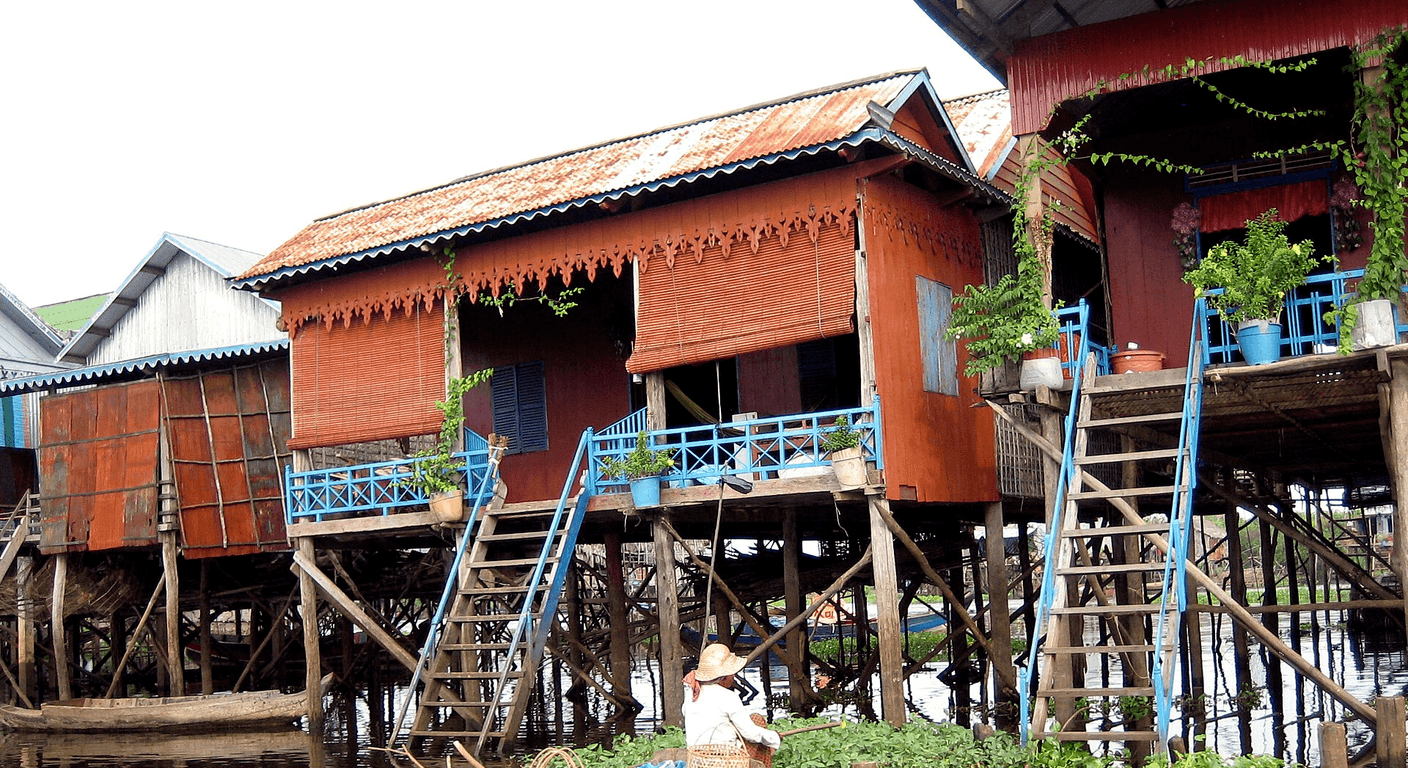
Kampot is, at its core, a town that rewards the unhurried. The French colonial shophouses along the riverfront have been gradually restored — terracotta-tiled rooflines, faded yellow facades, wooden shutters propped open to catch the river breeze — and the pace of life between them is genuinely slow. There are no vast temple complexes demanding early starts, no tuk-tuk convoys circling a single famous monument. The town simply exists, pleasantly, beside its wide brown river.
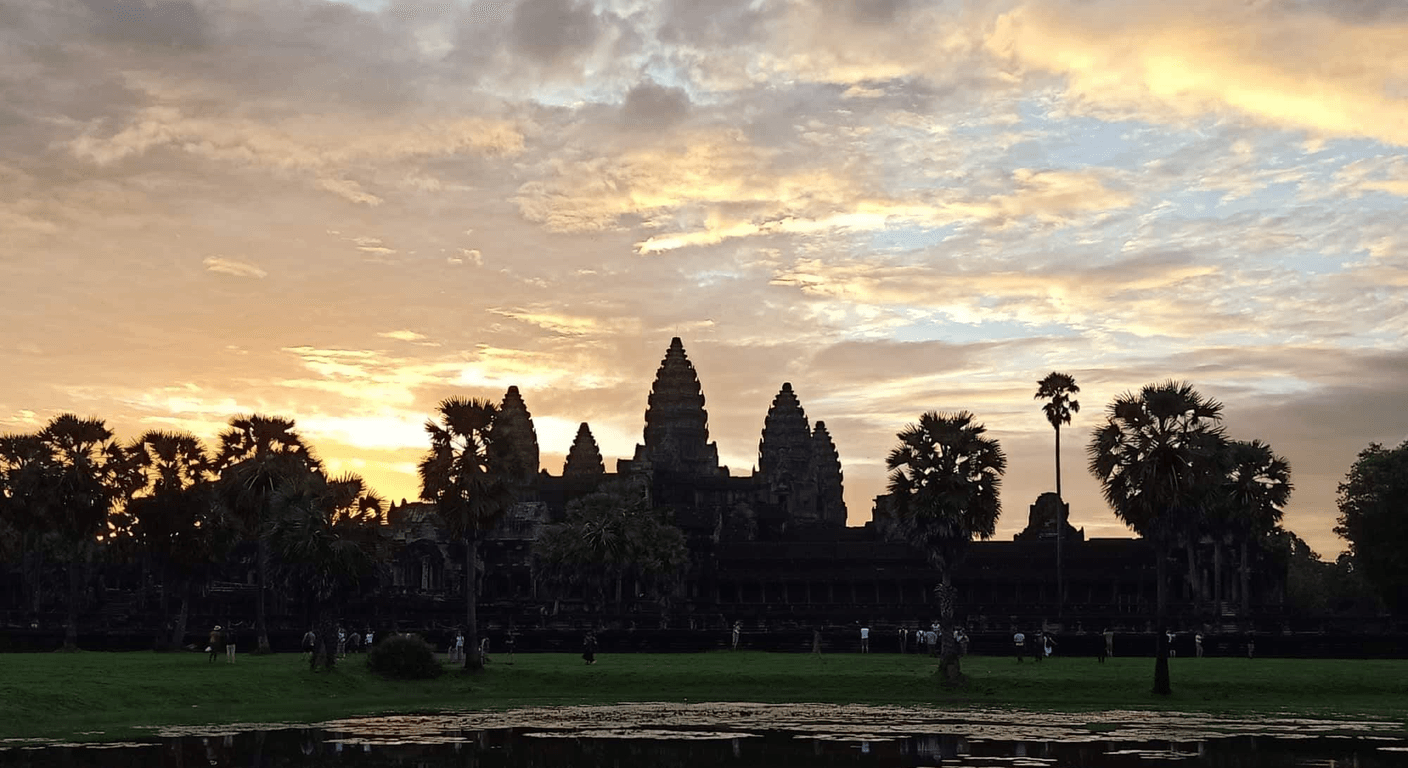
For travellers who've already done Angkor Wat, or who simply want a Cambodia that doesn't revolve around a bucket list tick, Kampot offers something more textured: local market mornings, afternoons in a riverfront café watching the light shift on the water, and evenings that begin with a sundowner and end, if you choose, on a boat surrounded by fireflies. It's a rhythm that suits couples who like to talk over a meal rather than race between sites, and solo women travellers who value a town small enough to feel safe and legible.
The Indian Australian connection to this corner of the world is older than many people realise. Spice trading routes linked the Indian subcontinent to the Gulf of Thailand for centuries, and Kampot pepper — now among the most prized in the world — was historically traded along those same networks. Walking through a working plantation here, breathing in the sharp green scent of fresh peppercorns, carries a different weight when pepper has been a daily presence in your kitchen and your mother's kitchen before that.
Getting Here from Australia: What the Journey Actually Looks Like
There's no direct flight from Australia to Kampot — the town doesn't have an airport. The practical route is to fly from Melbourne, Sydney, or Brisbane to Phnom Penh, Cambodia's capital, typically via a hub such as Singapore, Kuala Lumpur, Bangkok, or Ho Chi Minh City. Total travel time from Melbourne is roughly 12 to 16 hours depending on the connection and layover. Flying into Phnom Penh rather than Siem Reap makes the onward road transfer to Kampot more straightforward.
From Phnom Penh International Airport to Kampot, the drive is approximately three to four hours by private transfer, depending on traffic leaving the capital. A shared minibus is cheaper — around USD 10–15 per person, indicative — but a private air-conditioned car, which costs considerably more, is a sensible investment after a long-haul flight. You arrive rested rather than rattled. Some travellers choose to spend their first night in Phnom Penh to recover from the flight before continuing south the next morning; given the heat and the time-zone shift of two to three hours behind AEST, that extra night is rarely wasted.
Visa requirements for Australians visiting Cambodia change periodically. As of 2025, an e-visa was available through the official Cambodian government portal, but you should confirm current requirements — including any health or entry conditions — directly at smartraveller.gov.au and the official Cambodian e-visa site before booking anything. Travel insurance that covers pre-existing conditions is not optional in this part of the world; medical facilities in Kampot itself are limited, and evacuation to Phnom Penh or Bangkok is the realistic scenario for anything serious.
The Pepper Farms: More Than a Photo Opportunity
Kampot pepper has been awarded geographical indication status — meaning only pepper grown in this specific region of Cambodia can carry the name — and a visit to one of the working plantations is the experience that most distinguishes Kampot from every other river town in Southeast Asia. La Plantation, located a short drive from town on the Kep road, is among the most professionally organised for visitors, with guided walks through the vine rows, clear explanations of the difference between white, black, red, and green peppercorns, and a tasting area where the distinctions between varieties become suddenly, pleasantly obvious.
The tour itself takes around an hour to ninety minutes and involves walking on uneven ground — compacted earth paths between the vines, with some sections of looser dirt. Sturdy flat shoes are essential. The plantation roads leading in from the main road are rough, and this is the honest reason a hired driver or organised tour vehicle is strongly preferable to a rented scooter or bicycle, particularly in the wet season when sections can become slippery. Most guesthouses in Kampot can arrange a driver for a half-day at a reasonable cost; confirm the rate and what's included before you set off.
For anyone who grew up in a household where pepper was not simply a condiment but a considered ingredient — where the difference between fresh-ground and pre-ground was understood, where pepper featured in spice blends passed between generations — the plantation visit lands differently. It's the kind of experience that generates conversation for the rest of the trip, and the small bags of Kampot pepper you carry home are among the more useful souvenirs you'll find anywhere in Southeast Asia.
Managing Humidity: Pacing Kampot Like a Sensible Traveller
Even in the dry season, Kampot is warm. November through February is the most comfortable window — daytime temperatures hover around 28 to 32 degrees Celsius, evenings soften to the low twenties, and the humidity, while present, is manageable. March starts to push warmer, and by April the heat is serious. The wet season, May through October, brings heavy afternoon rains and high humidity that make outdoor activities genuinely taxing.
The practical rhythm of a Kampot day is one that the town itself seems to have designed: do the active things in the morning — a plantation tour, a market walk, a slow cycle along the river road if mobility allows — then find a riverside café by midday and stay there. The café culture in Kampot is one of its understated pleasures. Several establishments along the waterfront serve decent coffee, fresh fruit shakes, and Khmer food at unhurried pace, with fans or air conditioning and a view of the river that does most of the work of entertaining you.
Hydration is not a small matter. Carry water constantly, wear a hat, and be honest about the effect of heat on energy levels — especially in the first two or three days after a long-haul flight. A midday rest, even a short one, is not indulgence; it's the difference between enjoying the late afternoon and spending it horizontal in a dark room. The travellers who get the most from Kampot are consistently the ones who resist the urge to fill every hour.
Firefly Boat Rides and Evenings on the River
The Kampot firefly cruise is, without exaggeration, one of the more quietly remarkable experiences in Southeast Asia. Small wooden boats leave the riverfront at dusk, motoring out to the mangrove-lined sections of the Prek Kampong Bay River where fireflies congregate in the trees after dark. The effect — thousands of lights blinking in synchrony across the dark canopy — is the kind of thing that stops conversation entirely for a few minutes. No camera quite captures it.
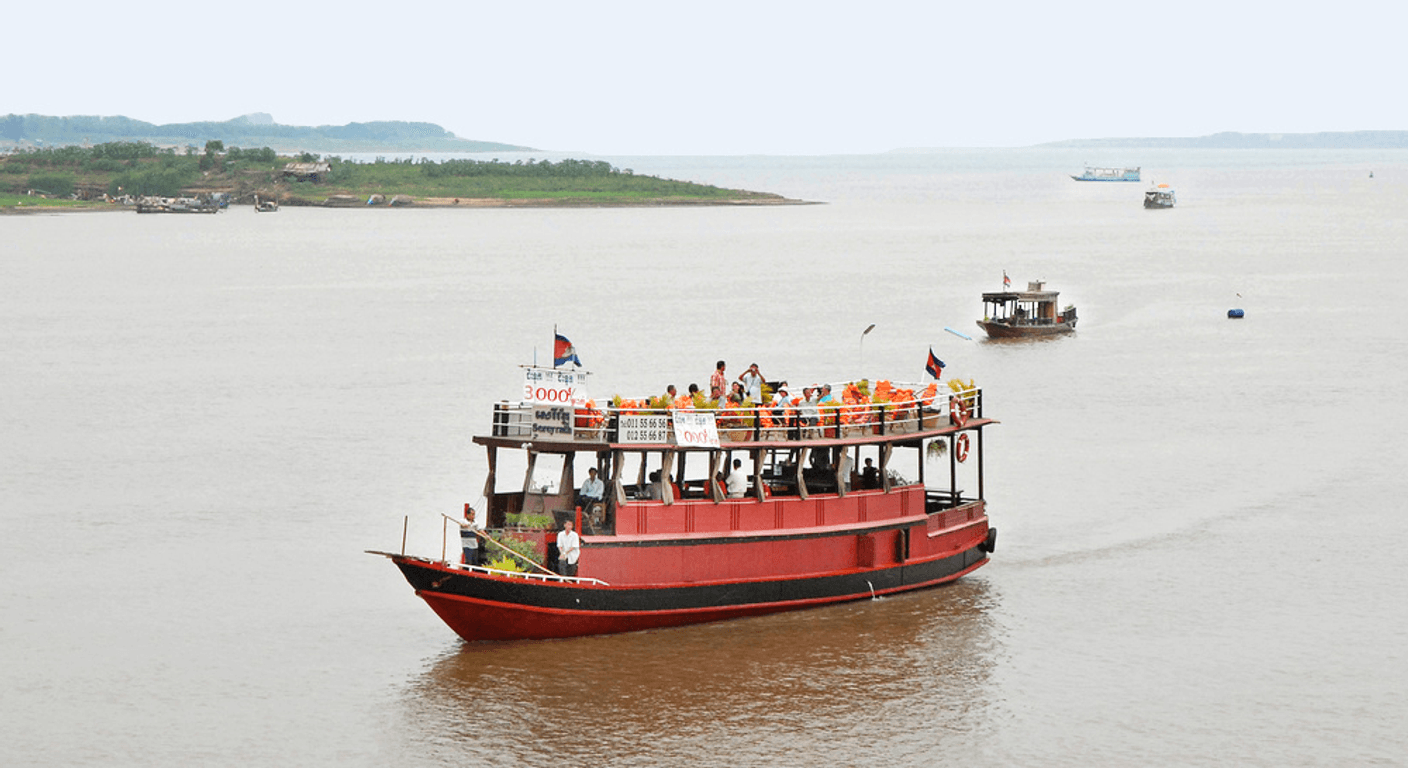
The boats are generally small, low-sided wooden vessels, and boarding requires stepping down from a pontoon or riverbank — manageable for most travellers but worth noting if balance or knee mobility is a consideration. Reputable operators carry life jackets and the river here is calm, but asking about the boat setup before you commit is entirely reasonable. Most tours run for around ninety minutes to two hours and include a sunset section on the open river before heading into the mangroves after dark. Mosquito repellent is essential; long sleeves after dark are sensible.
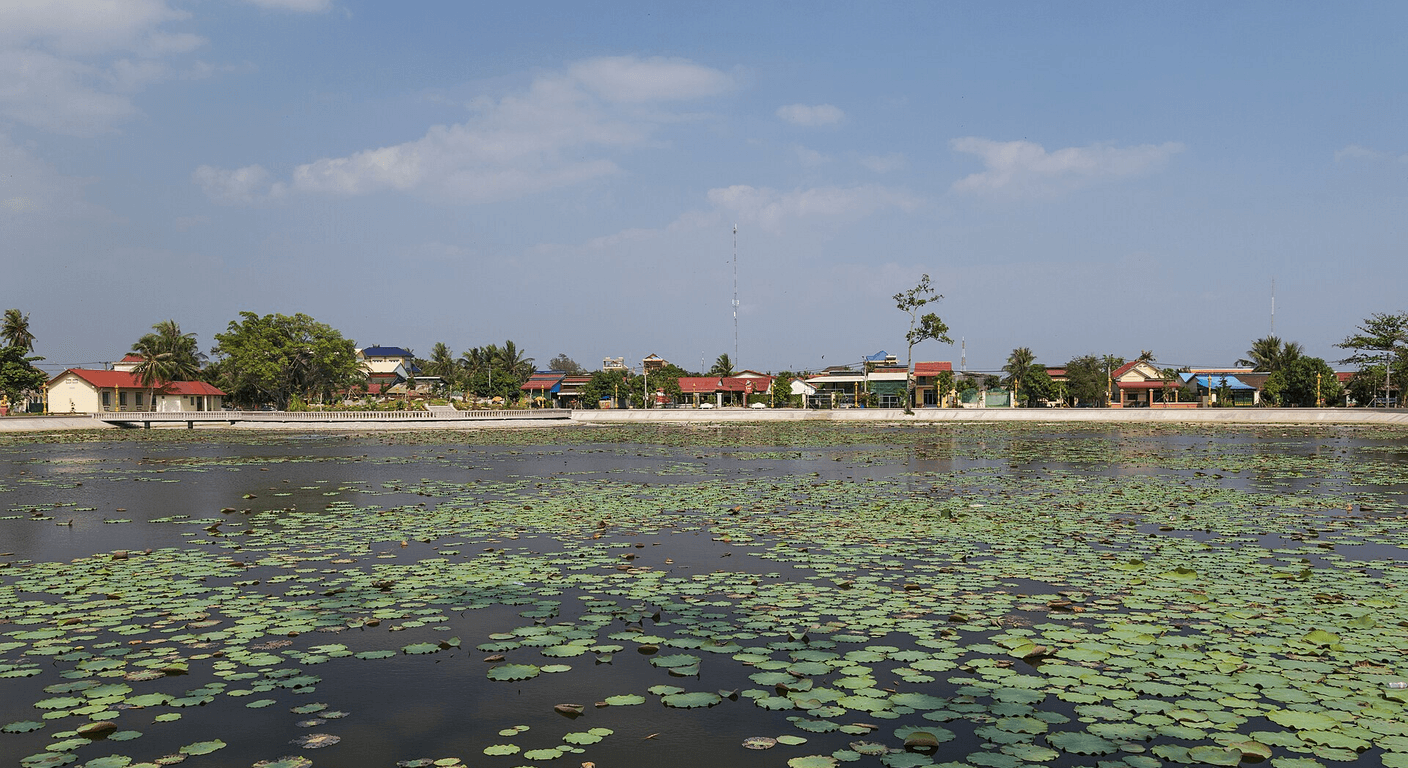
Beyond the firefly cruise, the riverfront at dusk is simply pleasant. The light on the water in the late afternoon is the kind that photographers spend entire careers chasing, and Kampot's relative quietness means you can watch it from a guesthouse terrace or a riverside table without competing for space. Some evenings, a meal of fresh river fish and a cold Angkor beer at a local restaurant is the entire itinerary, and there's nothing wrong with that at all.
The French-Era Town and What Remains of It
Kampot's French colonial period left an architectural legacy that is more intact here than in many Cambodian towns, partly because the town escaped the worst of the Khmer Rouge era's urban destruction, and partly because it remained relatively overlooked by mass tourism for long enough that demolition for development was never the obvious move. The old town, centred around the roundabout with its large durian sculpture — yes, a giant durian, and it's exactly as incongruous as it sounds — is compact enough to walk in under an hour.
The shophouses along the riverfront and the streets running back from it are the texture of the place: ground floors that have housed everything from Chinese trading families to French administrative offices to, now, guesthouses and cafés. A slow walk in the early morning, before the heat builds, is the best way to absorb the detail — the carved wooden balconies, the shuttered upper windows, the occasional courtyard glimpsed through an open gate. The Kampot Museum, housed in a restored colonial building, provides useful historical context, though opening hours can be irregular; confirm locally before making a special trip.
The market, operating in the mornings, is where the town's daily life is most visible. Fresh produce from the surrounding farms — including, of course, pepper — alongside dried fish, tropical fruit, and the kind of organised chaos that characterises any working Cambodian market. It's not curated for visitors, which is precisely what makes it worth an hour of your time. Bring cash in small denominations and leave the large notes in the guesthouse safe.
Practical Matters: Money, Health, and Staying Comfortable
Cambodia operates on both the Cambodian riel and the US dollar, with USD widely accepted and change sometimes given in riel. ATMs are available in Kampot town, though reliability varies; carrying some USD cash from Phnom Penh is a sensible precaution. Credit cards are accepted at some guesthouses and restaurants but not universally — ask before you eat. Indicative daily costs for a couple at a comfortable mid-range guesthouse, including meals, activities, and a hired driver for half a day, might run to around USD 100 to 160 per day in total, though this varies considerably. Treat any figures here as rough orientation only and confirm current pricing directly with operators.
Food safety deserves a word. Kampot's better guesthouses and restaurants maintain reasonable standards, and Khmer food — amok, lok lak, fresh river fish — is genuinely good here. The general rule for travellers with sensitive digestions: cooked food from busy kitchens, bottled or filtered water, and caution with raw salads and ice from sources you can't verify. None of this should deter you; it's the same pragmatism you'd apply in any developing-world destination.
Mobile connectivity is generally workable in Kampot town. A Cambodian SIM card purchased at Phnom Penh airport gives you data for a modest cost — useful for maps, translation apps, and staying in touch. WhatsApp is the dominant messaging platform locally, and most guesthouses and drivers communicate through it. Let someone at home know your itinerary, particularly if you're travelling solo, and keep your travel insurance documents accessible rather than buried in a bag.
Quick planning guide
| Ideal pace | Slow-paced and unhurried |
|---|---|
| Best months | November to February (dry season, most comfortable heat and humidity) |
| Suggested stay | 3-4 nights |
| Mobility level | Moderate — uneven plantation paths and boat boarding require reasonable balance |
| Cost level | Mid-range (roughly USD 100-160 per day for a couple, indicative) |
| Comfort level | Comfortable riverside guesthouses and cafés, though medical facilities are limited |
| Best for | Couples and solo travellers who prefer slow travel, plus visitors with an interest in Kampot pepper's spice-trade heritage |
| Main planning consideration | No direct flights — access is via Phnom Penh followed by a 3-4 hour road transfer, so heat management, rough plantation roads, and a hired driver (rather than scooter) all need factoring in |
Key takeaways
- Kampot's dry season, November to March, offers the most comfortable conditions for over-50 travellers making the journey from Australia.
- A private air-conditioned transfer from Phnom Penh — roughly three to four hours — is worth the additional cost after a long-haul international flight.
- Kampot pepper holds geographical indication status; a guided plantation tour is the experience that most distinguishes this town from anywhere else in the region.
- Plantation visit roads are rough dirt tracks — arrange a hired driver through your guesthouse rather than attempting them on a rented scooter.
- The firefly boat cruise on the Prek Kampong Bay River is best experienced from November to February when conditions are clearest and firefly activity is strongest.
- Check current Cambodia entry requirements and travel advisories at smartraveller.gov.au before confirming any bookings, and ensure travel insurance covers pre-existing conditions.
Recommended partners and links
Indicative prices only — always confirm with the operator before booking.
Frequently asked questions
How do you get from Phnom Penh to Kampot?
The standard route is by road — approximately three to four hours depending on traffic leaving Phnom Penh. A private air-conditioned car transfer is the most comfortable option after a long-haul flight from Australia and costs roughly USD 80 to 120 (indicative; confirm before booking). Shared minibuses are available for around USD 10 to 15 per person but offer less control over timing and comfort. There is no train service currently operating on this route. Confirm current transport options with your accommodation or a reputable local operator.
What is the best time of year for Australians to visit Kampot?
November through February is the most practical window for Australian travellers. Temperatures are lower, humidity is more manageable, and the dry-season skies make outdoor activities — plantation tours, river cruises, market walks — genuinely enjoyable. March is still viable but warmer. The wet season (May to October) brings heavy afternoon rains and high humidity that significantly limit outdoor comfort, though accommodation rates are lower. Note that these months represent Cambodia's winter and spring, opposite to Australian seasons.
Do Australians need a visa to visit Cambodia?
As of 2025, Australian passport holders could apply for a Cambodian e-visa online before travel. However, entry requirements — including any health conditions or documentation — can change. Always check the current requirements at smartraveller.gov.au and the official Cambodian government e-visa portal before finalising your itinerary. Do not rely on information from third-party visa agencies for current requirements.
Are Kampot pepper farm tours accessible for travellers with mobility considerations?
The pepper plantation tour experience involves walking on uneven compacted earth and dirt tracks between the vine rows. It is manageable for most travellers with reasonable mobility and sturdy flat-soled shoes, but it is not suitable for wheelchairs or walkers. The roads leading to major plantations from the main highway are rough dirt, making a hired car or driver essential — not a scooter or bicycle. Travellers with significant knee or hip concerns should discuss the terrain with the plantation directly before booking.
Is Kampot safe for solo women travellers over 50?
Kampot has a well-established reputation as one of the safer and more navigable small towns in Cambodia for independent travellers, including solo women. The town is compact, well-lit along the main riverfront, and has a long-standing community of international visitors that has contributed to a generally respectful local hospitality culture. Standard precautions apply: avoid walking alone on unlit roads late at night, keep valuables secured, and let someone know your daily plans. Check smartraveller.gov.au for the current Cambodia safety advisory before travelling.