Tonle Sap's floating villages, about 15km south of Siem Reap, offer a slower counterpoint to the Angkor temples: a community of houses, schools and markets that shifts with the lake's seasonal rise and fall. November to February is the best window, combining high water for the flooded mangrove canoe paddle with cooler temperatures. The excursion takes a morning, rates as Easy mobility bar one steadying step into a canoe, and requires a stopover flight from Australia via Bangkok, Kuala Lumpur or Singapore.
Why the Tonle Sap Deserves a Morning of Your Siem Reap Stay
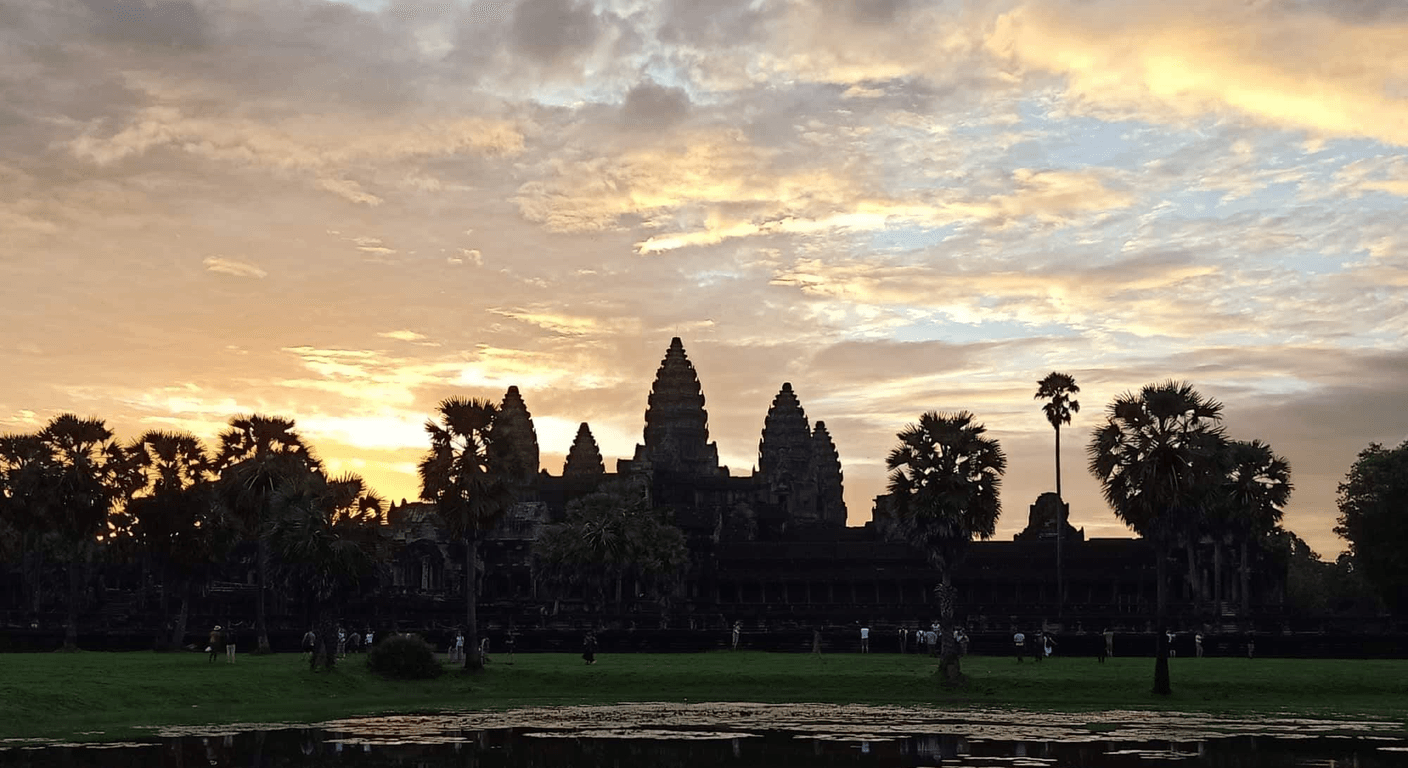
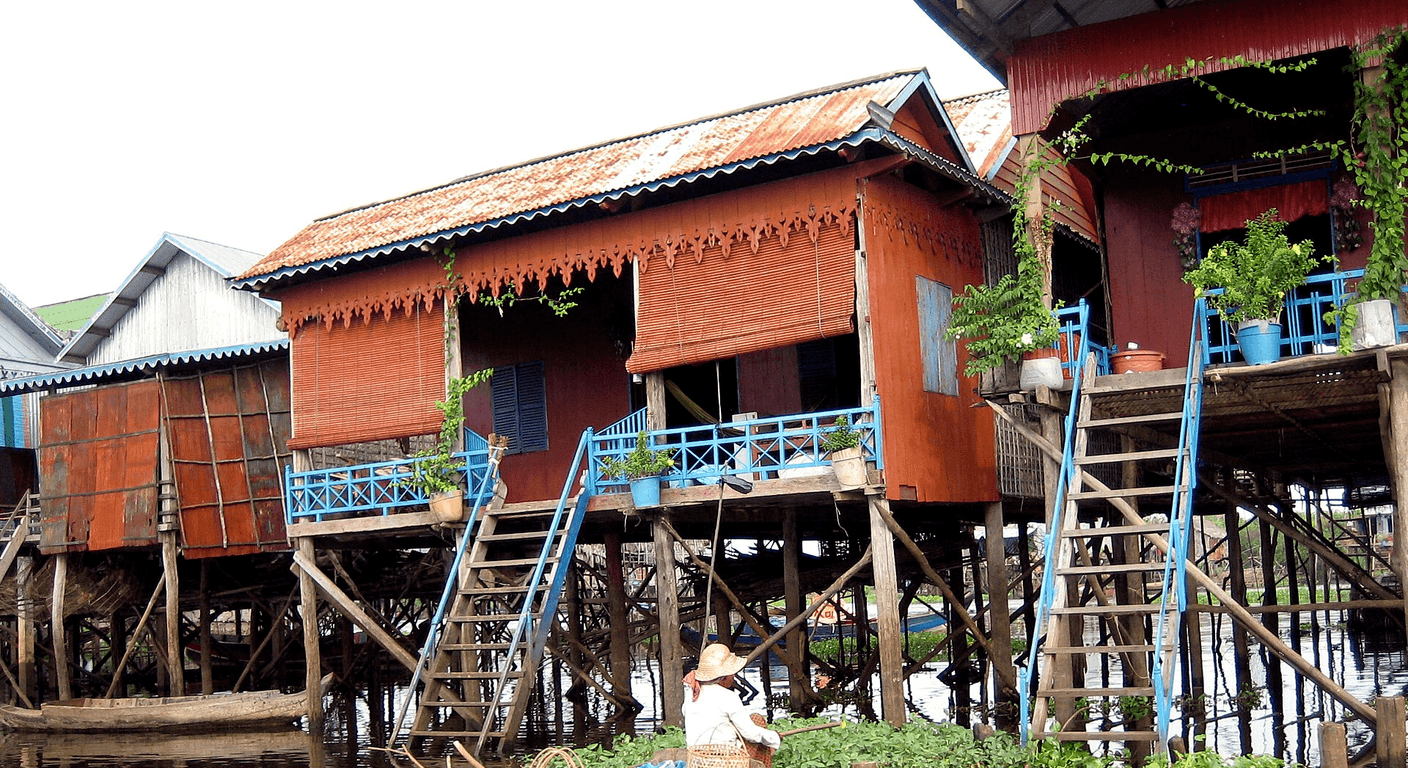
Most travellers arrive in Siem Reap with their eyes fixed on Angkor Wat, and that is entirely reasonable — the temple complex is extraordinary. But the Tonle Sap lake, roughly 15 kilometres south of town, holds a different kind of wonder. In the wet season it swells to six times its dry-season size, flooding forests and reshaping the land so completely that entire communities — houses, schools, floating petrol stations, a church or two — simply drift to follow the waterline. When the rains retreat, they drift back.
For a traveller who has spent two or three mornings navigating stone corridors and jungle roots, a flat-water boat morning can feel like a genuine exhale. The scale is different: wide, open, horizontal. The sounds change. And the evidence of daily life — fishing nets spread across the surface, children paddling tubs to school, a woman hanging laundry on a deck that bobs gently underfoot — offers the kind of texture that no temple can.
It is not a comfortable experience in every sense. The gap between visitor and visited is stark. That honest discomfort, approached with the right guide and the right mindset, is part of what makes it worthwhile.
Understanding the Lake: Seasons, Water Levels and What You'll Actually See
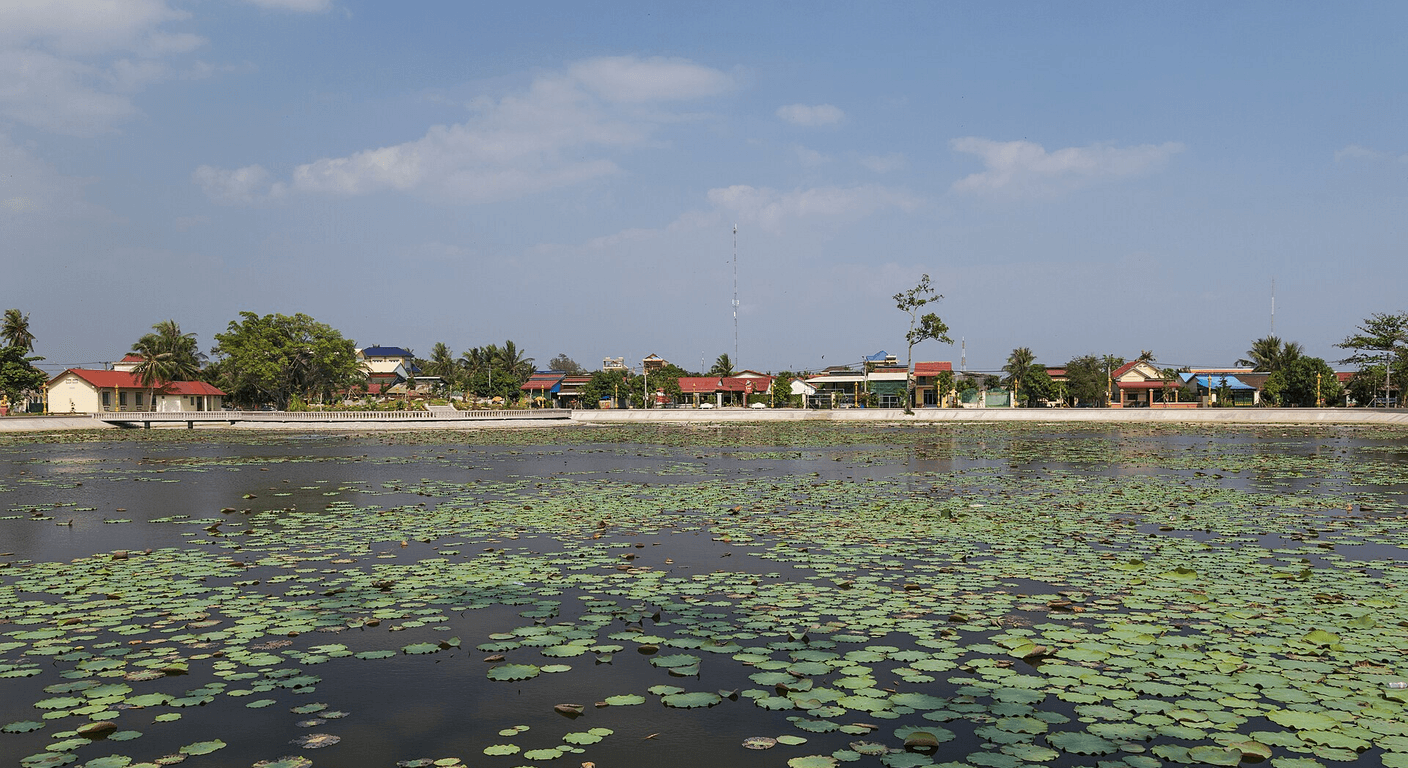
The Tonle Sap is driven by the Mekong. In the wet season — roughly June to October — the Mekong runs so high that it actually reverses the flow of the Tonle Sap river, pushing water back into the lake. The lake's surface area expands from around 2,500 square kilometres to as much as 16,000. Houses on stilts that stood well above the waterline in March are suddenly floating. Flooded forests become navigable by small boat.
By November, the Mekong drops, the lake begins its retreat, and the communities follow. This seasonal rhythm shapes everything: what you see, how you access the villages, and which parts of the lake are passable. The November-to-February window tends to offer the best combination — water levels remain high enough for the flooded mangrove paddle (the most memorable part of the excursion), temperatures are relatively bearable, and the light in the early morning is genuinely beautiful.
Visiting in March or April means lower water and a more exposed landscape. You'll still reach the floating houses, but the mangrove paddle may not be possible, and the heat by mid-morning can be punishing. April in Siem Reap regularly touches 38–40 degrees Celsius. That's a consideration worth taking seriously, particularly on open water with limited shade.
Choosing an Ethical Operator: The Question That Actually Matters
The road from Siem Reap to the lake is lined with operators offering boat trips at prices that seem almost implausibly low. Some of those trips are structured around manufactured poverty — a stop at a 'school' that functions primarily as a gift shop, a request for donations that go nowhere near the community, a guide whose commission depends on steering you into particular establishments. The floating villages are home to some of Cambodia's most economically marginalised people, many of them ethnic Vietnamese with limited legal status. They deserve better than to be a backdrop for a cheap day out.
A reputable operator is transparent about where revenue goes. Osmose Tonle Sap, for example, is a long-established conservation and community-development organisation that runs guided excursions specifically to fund wetland research and local livelihoods. Sam Veasna Conservation Tours has a similarly credible track record in community-based ecotourism across Cambodia. Both cost more than a waterfront tout — roughly USD 40 to 65 per person, indicative, compared with USD 15 for a bargain-basement option — and the difference is not trivial when it comes to who actually benefits.
Ask your hotel or guesthouse for their honest recommendation. A well-run Siem Reap property will know which operators are genuinely ethical and which are not. If a tour price seems too low to plausibly include a guide, fuel, boat, and any community contribution, it almost certainly is.
What the Morning Actually Looks Like
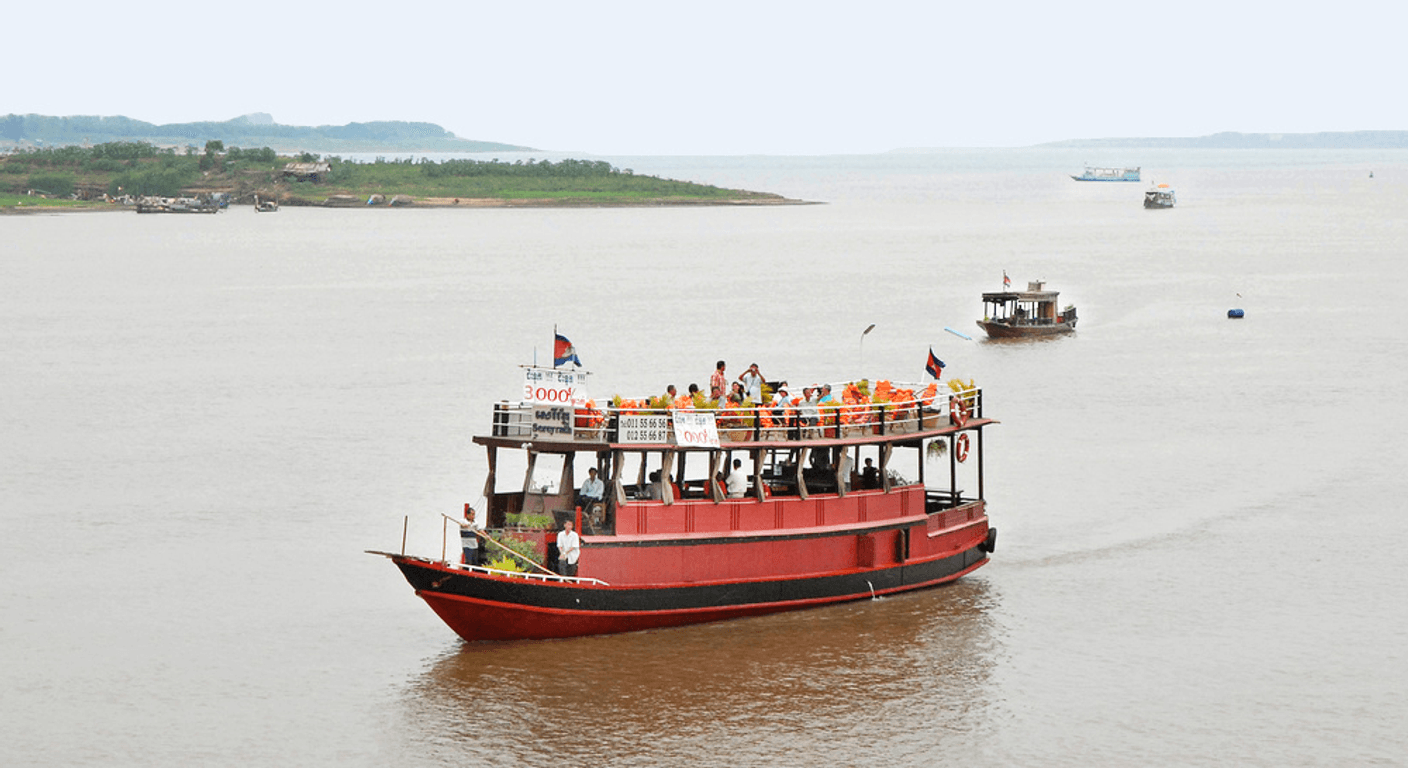
Most reputable excursions depart from the Chong Kneas or Kampong Phluk dock areas, a short tuk-tuk or taxi ride from central Siem Reap — confirm your pickup point when booking. The first stage is a larger motorised boat, moving through the main channels of the floating village. Houses here are built on platforms or inflated barrels; some are moored, others move freely. You'll pass a floating school, a floating basketball court, market boats. It can feel overwhelming at first — there is so much to look at, and the questions it raises are not simple ones.
The second stage, the one worth coming for, is a transfer into a smaller, quieter vessel — often a narrow wooden canoe with a local paddler — for a passage through the flooded forest. In the wet season and early dry season, this means gliding under a canopy of half-submerged trees, the water perfectly still, the noise of the lake falling away. It is entirely unlike anything in the temple complex and unlike most things in Australian travel experience. Bring a hat, a long-sleeved layer for sun protection, and sunscreen — the reflection off the water is intense even on overcast days.
A good guide will explain the ecology of the flooded forest, the fish species that breed in the roots, the birds. They'll also speak honestly about the communities: the lack of land tenure, the water-quality challenges, the vulnerability of children who grow up on boats and may never have consistent schooling. This is not cheerful tourism content. It is, however, real — and treating it as such is the only respectful approach.
Practical Matters: Sun, Balance and Getting There Comfortably
Open-water sun in Cambodia is not to be underestimated. Even in the cooler months, UV levels are high and the combination of water reflection and equatorial angle means you'll burn faster than you expect. A broad-brimmed hat, SPF 50+ sunscreen applied generously before boarding, and a light long-sleeved shirt are not optional extras — they're the difference between a pleasant morning and a miserable afternoon. Polarised sunglasses help considerably.
Boarding the smaller canoe requires stepping from a larger, rocking vessel onto a narrow, lower one. For most travellers this is manageable with a hand from the guide, but if you have significant balance concerns or unstable knees, flag this when booking. A reputable operator will work with you — perhaps opting for a stable flat-bottomed vessel rather than a narrow canoe. There are no ladders, no steep gangways, no long walks. The mobility rating here is genuinely Easy for most over-50 travellers, with the caveat that the boat transfer is the one moment requiring some steadiness.
Wear closed-toe shoes you don't mind getting damp. Thongs are not ideal on a moving boat. Bring a small dry bag or a ziplock for your phone and any electronics. Most reputable operators provide water; confirm this when booking rather than assuming.
Getting to Siem Reap from Australia — and What to Know Before You Go
There are no direct flights from Australia to Siem Reap. The most common routing from Melbourne or Sydney is a single stopover via Bangkok (with Thai Airways or Bangkok Airways), Kuala Lumpur (Malaysia Airlines or AirAsia), or Singapore (Singapore Airlines or Silk Air). Total travel time from Melbourne, including the stopover, is typically 12 to 16 hours depending on the connection. The new Siem Reap Angkor International Airport, which opened in 2023 and replaced the old airport, handles international arrivals — confirm your terminal with your airline before departure.
Jet lag between Australia and Cambodia is relatively modest — Cambodia is three hours behind Sydney in summer (AEDT), two hours in winter. Most travellers find a single recovery night on arrival is sufficient before beginning temple days. Build that into your itinerary rather than scheduling an early Angkor sunrise on day one.
Check the current Smartraveller advisory for Cambodia at smartraveller.gov.au before booking. As of 2024, Cambodia carries a standard 'Exercise normal safety precautions' rating for most areas, but advice can change. Visa requirements for Australians — currently available as an e-visa through the official Cambodian e-visa portal — should be confirmed directly with official sources before travel. Travel insurance is essential; ensure your policy covers pre-existing conditions and includes medical evacuation, which in Cambodia is not an unlikely scenario if something goes seriously wrong.
Weaving the Lake Into Your Siem Reap Itinerary
A Tonle Sap morning works best on day two or three of a Siem Reap stay, after the initial temple awe has settled and before temple fatigue sets in. It offers a useful counterpoint — a reminder that Cambodia is not only its ancient history but also a living country with complex present-tense realities. Pairing the lake morning with a quiet afternoon in town, perhaps at the Angkor National Museum or along the old French Quarter streets, makes for a well-paced day that doesn't require heroic stamina.
Siem Reap itself has a good range of accommodation suited to independent travellers who want comfort without excess formality. The central area around Pub Street is lively and walkable, though the street name is misleading — there are excellent restaurants, cafes and spas nearby that have nothing to do with late-night noise. For solo travellers, a well-located mid-range hotel with a reliable front desk is worth more than a bargain guesthouse where you're left entirely to your own devices in an unfamiliar city.
Four nights in Siem Reap gives you time for the main Angkor circuit across two mornings, the lake excursion, and at least one afternoon of wandering without an agenda. Six nights is genuinely comfortable, allowing for slower temple exploration, the outer circuits at Banteay Srei and Beng Mealea, and a proper rest day. Cambodia rewards the traveller who isn't in a hurry.
Quick planning guide
| Ideal pace | Slow-paced, unhurried morning on the water |
|---|---|
| Best months | November to February, for high water and cooler temperatures |
| Suggested stay | A half-day excursion within a 4–6 night Siem Reap stay |
| Mobility level | Easy for most over-50 travellers, with one steadying step from larger boat to canoe |
| Cost level | Mid-range for a reputable operator (roughly USD 40–65pp), versus USD 15 budget tours to avoid |
| Comfort level | Comfortable with sun protection; open water and reflected UV are intense |
| Best for | Travellers seeking a quieter, reflective contrast to temple-heavy days |
| Main planning consideration | Choosing a transparent, ethical operator whose revenue genuinely reaches the community |
Key takeaways
- The Tonle Sap lake rises up to six times its dry-season size, making the November-to-February window ideal for the flooded mangrove paddle.
- A reputable ethical operator costs more than a roadside tout — that difference directly affects whether the community benefits from your visit.
- Open-water UV in Cambodia is intense year-round; a broad-brimmed hat, SPF 50+ sunscreen and a long-sleeved layer are non-negotiable.
- The boat transfer from larger vessel to narrow canoe is the only genuine mobility challenge — flag any balance concerns with your operator when booking.
- There are no direct flights from Australia to Siem Reap; plan for a single stopover via Bangkok, Kuala Lumpur or Singapore with 12–16 hours total travel time.
- Check the current Smartraveller Cambodia advisory and confirm e-visa requirements via official channels before booking — advice can change.
Recommended partners and links
Indicative prices only — always confirm with the operator before booking.
Frequently asked questions
When is the best time to visit the Tonle Sap floating villages from Siem Reap?
November to February is the most comfortable window. Water levels remain high enough for the flooded mangrove paddle, temperatures are manageable, and the early-morning light is at its best. Visiting in March or April means lower water, a less impressive forest paddle, and heat that can reach 38–40 degrees Celsius by mid-morning on open water.
How do I find an ethical boat tour operator for Tonle Sap?
Look for operators with transparent community-benefit policies — Osmose Tonle Sap (osmosetonlesap.net) and Sam Veasna Conservation Tours (samveasna.org) are well-regarded examples. Expect to pay around USD 40–65 per person, indicative. Tours priced significantly below this rarely return meaningful benefit to the communities visited. Your hotel's front desk is often a reliable first point of advice.
Is the Tonle Sap boat excursion suitable for travellers with mobility concerns?
For most over-50 travellers, yes — it is a flat-water excursion with no significant walking. The one moment requiring care is stepping between the larger motorised boat and the smaller canoe, which involves some balance and knee flexibility. If this is a concern, let your operator know in advance; reputable guides will offer alternatives such as a more stable flat-bottomed vessel.
Do Australians need a visa to visit Cambodia?
Australian passport holders currently need a visa for Cambodia, available as an e-visa through the official Cambodian government e-visa portal. Visa rules can change, so confirm current requirements with official sources — the Cambodian embassy or smartraveller.gov.au — well before your departure date.
How long does it take to fly from Australia to Siem Reap?
There are no direct flights from Australia to Siem Reap. From Melbourne or Sydney, expect a total journey of 12 to 16 hours with a single stopover, typically via Bangkok, Kuala Lumpur or Singapore. The Siem Reap Angkor International Airport, opened in 2023, handles international arrivals — confirm your terminal with your airline before travel.