The ideal window is November to February, when temperatures across Laos and Cambodia are most comfortable. A three-week itinerary — five nights in Luang Prabang, two in Vientiane, four in Siem Reap and three in Phnom Penh — suits travellers over 50 at an unhurried pace. The defining highlight is Angkor Wat, best explored over several unrushed mornings rather than a rushed sprint. Mobility is moderate, with some uneven temple paths and stairs; there are no direct flights from Australia, and a short flight links the two countries.
Why These Two Countries Work So Well Together
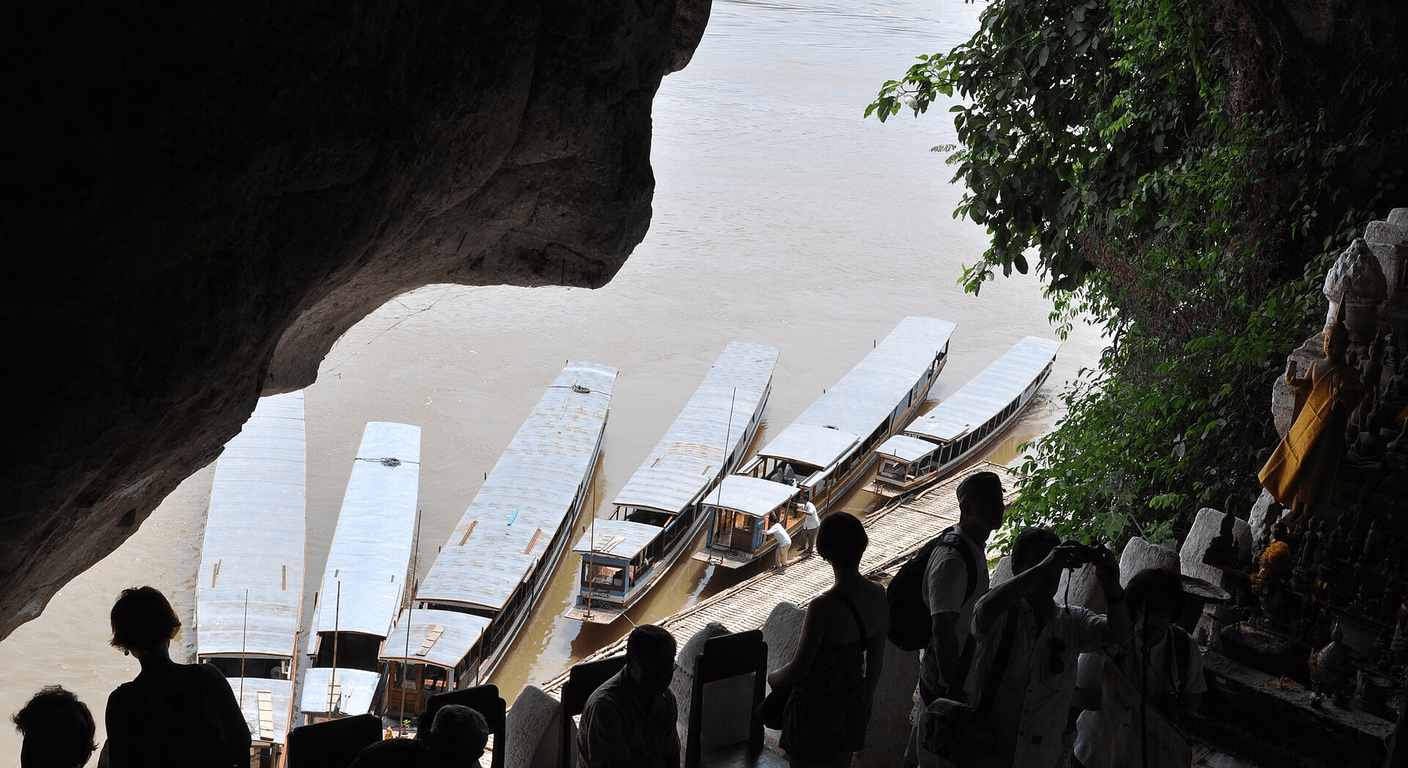
Laos and Cambodia are neighbours in the broadest sense — the Mekong threads through both — but they operate at different speeds. Laos moves slowly, almost deliberately. Luang Prabang in particular has a quality of stillness that's rare in Southeast Asia: monks processing through mist at dawn, temple courtyards where the only sound is a broom on stone. Cambodia, by contrast, carries a more complex emotional weight. Angkor Wat rewards quiet contemplation, but Phnom Penh's history demands honest attention.
For travellers in their sixties and seventies, that contrast is an asset. You're not rushing between highlights; you're moving between genuinely different cultural registers. The three weeks feel full without feeling frantic, provided the itinerary is built around rest, not optimised for volume. Two countries, four cities, and a short internal flight: it's a manageable frame for an immersive experience.
The combination also makes financial sense. Both countries are among the more affordable destinations in the region for mid-range comfort. A well-located boutique hotel in Luang Prabang or Siem Reap — the kind with a courtyard, good airconditioning and a decent breakfast — costs considerably less than an equivalent property in Thailand or Vietnam. That allows for a few indulgences: a sunset river cruise, a cooking class, a spa afternoon.
Getting There from Australia: Flights, Stopovers and the First Night
There are no direct flights from Australian cities to Laos or Cambodia. The standard routing goes via Bangkok (Suvarnabhumi), Kuala Lumpur or Singapore, with total travel times from Melbourne or Sydney running around 12 to 16 hours depending on the connection. From Perth, connections through Kuala Lumpur can be a touch shorter. These are not punishing journeys by long-haul standards, but the first night in Luang Prabang should be treated as a recovery night, full stop.
Book a connecting flight that arrives in daylight if at all possible. Luang Prabang International Airport is small and straightforward, and the drive to most hotels takes under fifteen minutes. The temptation on arrival is to walk straight to the night market or catch the sunset over the Mekong — and the sunset is genuinely lovely — but the travellers who pace themselves on day one consistently report a better second week. One quiet dinner, one early night. The temples will still be there in the morning.
Travel insurance deserves particular thought for this itinerary. Both Laos and Cambodia have limited medical infrastructure outside their capitals, and evacuation cover is worth having for any serious medical event. Several Australian insurers now offer policies that cover pre-existing conditions for travellers over 65; compare options through a reputable broker and read the product disclosure statement carefully. Don't leave this until the week before departure.
Luang Prabang: Five Nights, Slow Mornings
Five nights in Luang Prabang is the right allocation for most travellers over 50, and some couples find they could comfortably stay a sixth. The town occupies a narrow peninsula where the Nam Khan river meets the Mekong, and the UNESCO-listed historic core is compact enough to walk — though the heat means early mornings and late afternoons are the times to do it. Midday is for shade, a long lunch, and perhaps a nap.
The tak bat alms-giving ceremony at dawn is one of the defining experiences of Luang Prabang, but it comes with a responsibility. Hundreds of monks process through the main street in the early light, and the ceremony is a genuine act of devotion, not a performance. Stand back, observe quietly, and follow any instructions from local guides about respectful viewing distances. Joining the crowds who press in close for photographs diminishes something that belongs to the community.
The Kuang Si waterfall, about 30 kilometres from town, is worth the half-day excursion. The lower pools are accessible via a relatively flat path through forest; the upper tiers require more effort and can be skipped without missing the essential experience. Tuk-tuk or minivan transfers can be arranged through most hotels. Wat Xieng Thong, the most revered temple in the city, has uneven stone paths but is largely navigable with care; a walking stick is a practical asset here, not an affectation.
Vientiane: A Capital Worth Two Days
Vientiane is often underestimated, partly because it moves at a pace that can feel anticlimactic after Luang Prabang. That's a misreading. The Laotian capital is genuinely relaxed — one of the least frenetic capitals in Asia — and two days there, positioned as a transition before the flight to Cambodia, works well. The Patuxai monument (a concrete Arc de Triomphe with a distinctly Laotian flavour, and a self-deprecating local nickname involving American cement), the morning market at Talat Sao, and the That Luang stupa are all within easy reach.
The National Museum of Laos is modest by international standards but offers useful context for the history you've been absorbing in Luang Prabang. The riverside walk along the Mekong at dusk — particularly from September to February when the river runs at a manageable level — is one of those simple pleasures that costs nothing and stays with you. Street food here is excellent and safe at reputable stalls; grilled fish with sticky rice and jeow (dipping sauce) is the local staple.
Most travellers fly out of Vientiane's Wattay International Airport. The connection to Siem Reap or Phnom Penh typically involves a short transit through Bangkok or Kuala Lumpur; direct services are limited and schedules change, so confirm current routes when booking. Allow a full transit day rather than a rushed morning departure.
Siem Reap and Angkor: Pacing the Temples
Angkor is one of those places where the reality exceeds the expectation — which is saying something, given how thoroughly photographed it is. The archaeological park covers an area larger than greater London, and attempting to see it all in two days is a category error. Four nights in Siem Reap allows for two or three mornings at Angkor with genuine time at each site, plus a rest day. Temple fatigue is real; so is heat exhaustion if you're walking stone corridors at midday in November.
The practical advice that experienced travellers consistently give: hire a tuk-tuk driver for the days you visit Angkor and use the same driver each time. A good driver knows the light at each temple, the quieter entry points, and when to suggest you sit in the shade for twenty minutes. The Angkor Archaeological Park passes are purchased at the official ticket office; confirm current pricing on the Angkor Enterprise website before you go. A three-day pass gives you flexibility without pressure.
Angkor Wat itself has extensive flat stone walkways, though the inner sanctuary requires climbing steep stairs — an optional challenge, not a requirement. Ta Prohm (the temple partially reclaimed by tree roots) has uneven ground throughout; take your time and wear shoes with grip. Banteay Srei, smaller and further afield, has some of the most intricate stone carving in the entire complex and is less visited in the afternoon. The town of Siem Reap has improved its walkability considerably in recent years, with the Pub Street precinct and the Old Market area both flat and accessible.
Phnom Penh: History, Craft and the Riverfront
Phnom Penh carries history that cannot be avoided and should not be. The Tuol Sleng Genocide Museum and the Choeung Ek memorial site — the killing fields — are deeply confronting. They are also important. Many travellers over 50 find that visiting both in the same day is too much; split them across two mornings, and allow for quiet time afterwards. The National Museum of Cambodia, by contrast, is a place of beauty: a terracotta pavilion filled with Khmer sculpture, set around a courtyard garden.
The riverfront promenade along the Tonlé Sap and Mekong confluence is the city's social heart, particularly in the early evening. The Royal Palace and Silver Pagoda complex is walkable from most central hotels and represents some of the finest surviving examples of Khmer royal architecture. Entry fees apply; confirm current prices on arrival or through your hotel. The Central Market — Phsar Thmei — is worth a morning for its Art Deco dome alone, and the silk and silver jewellery on offer are among the better craft purchases in Southeast Asia.
Three nights in Phnom Penh is about right for most itineraries. It leaves one day for the heavier historical sites, one for the palace and museum, and one that's genuinely unscheduled — a slow breakfast, a river cruise, a tailor appointment, or simply sitting with a coffee watching the city go about its morning. That unscheduled day is not wasted time. It's often the one people remember most clearly.
Packing, Health and the Practicalities That Actually Matter
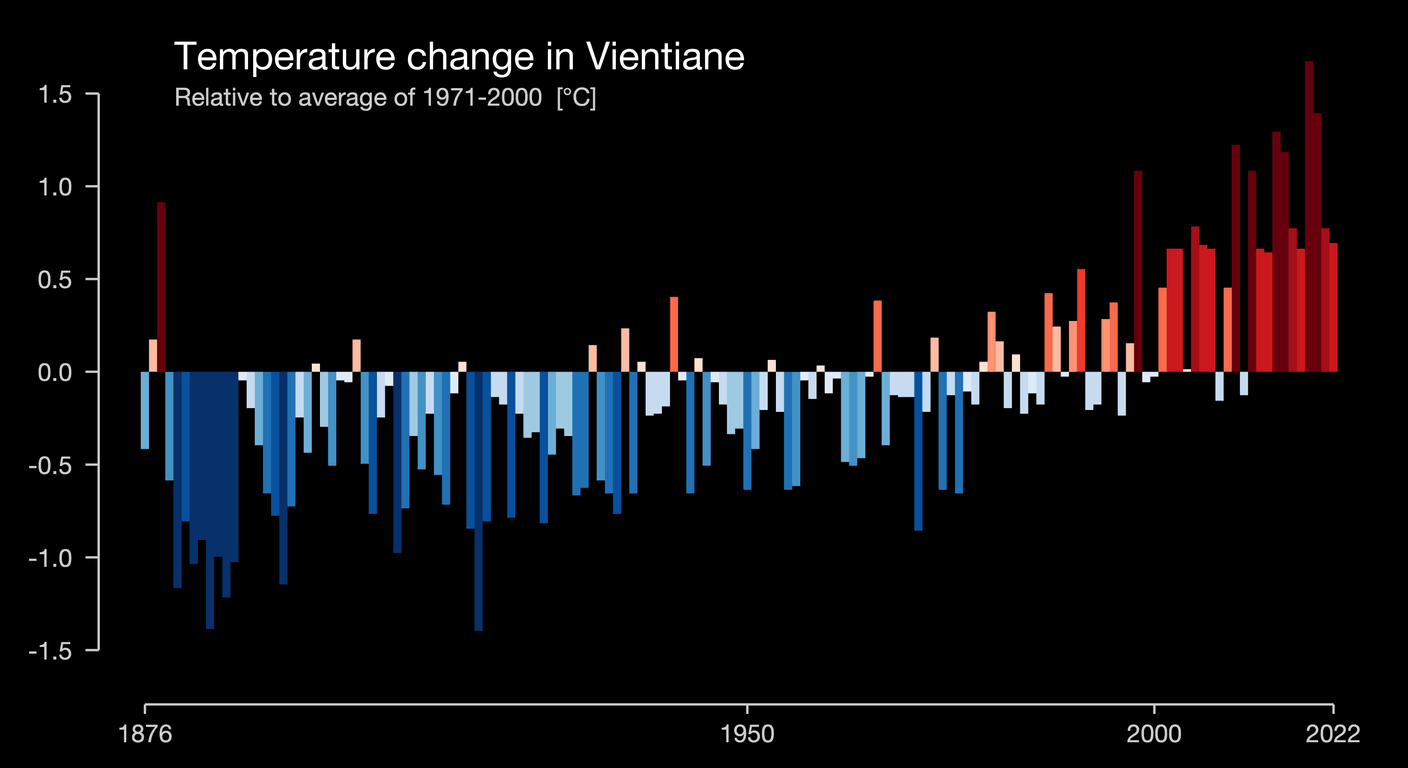
The climate across both countries is consistent: hot and humid, with November to February being the most comfortable window. Temperatures in the high twenties to low thirties Celsius are typical during the day; nights cool only marginally. Pack light, breathable fabrics — linen and moisture-wicking synthetics both work — and plan on doing laundry mid-trip rather than packing for three weeks. Most mid-range hotels offer a laundry service. Temple visits require covered shoulders and knees; a light scarf or sarong is the simplest solution and doubles as sun protection on open-air walks.
Both Laos and Cambodia require entry documentation that should be confirmed well ahead of travel. Australian passport holders have historically been able to obtain e-visas for Cambodia through the official government portal and visa-on-arrival or e-visa options for Laos, but these arrangements do change. Check smartraveller.gov.au for the most current advice on both countries, and allow at least six months' passport validity beyond your return date. Some travellers find it simpler to arrange visas through a reputable travel agent, particularly if they prefer not to navigate government portals independently.
Tap water is not safe to drink in either country; bottled or filtered water is standard. Most hotels provide complimentary bottles. Food safety at mid-range restaurants is generally good; street food is safe at busy stalls with visible turnover, but exercise judgement. Mosquito repellent with DEET is worth packing — dengue is present in both countries, and while the risk for most travellers is low, it's not zero. Speak to a travel medicine clinic before departure; some vaccinations may be recommended depending on your health history and the specific regions you're visiting.
Quick planning guide
| Ideal pace | Slow and rest-focused, built around mornings and shade rather than volume |
|---|---|
| Best months | November to February, for the most comfortable temperatures |
| Suggested stay | About three weeks: 5 nights Luang Prabang, 2 Vientiane, 4 Siem Reap, 3 Phnom Penh |
| Mobility level | Moderate — mostly flat with some uneven stone paths, steep temple stairs and heat to manage |
| Cost level | Budget-friendly for mid-range comfort compared with Thailand or Vietnam |
| Comfort level | Good boutique hotels with courtyards and air-conditioning at reasonable rates |
| Best for | Travellers in their 60s and 70s who want cultural depth and history without a rushed schedule |
| Main planning consideration | No direct flights from Australia and no through-river route between countries — expect a connecting flight via Bangkok/KL/Singapore and a short internal flight between Laos and Cambodia, plus insurance with evacuation cover |
Key takeaways
- A three-week itinerary across Luang Prabang, Vientiane, Siem Reap and Phnom Penh is realistic and manageable for travellers over 50.
- There is no practical through-river route between Laos and Cambodia; most travellers fly between Vientiane and Siem Reap or Phnom Penh, typically via Bangkok or Kuala Lumpur.
- November to February offers the most comfortable temperatures and clearest skies across both countries.
- Angkor Archaeological Park rewards multiple morning visits over three or four days far more than a rushed two-day sprint.
- Confirm current visa requirements for both Laos and Cambodia on smartraveller.gov.au before booking — arrangements can and do change.
- Travel insurance with medical evacuation cover and pre-existing condition provisions is essential for this itinerary, not optional.
Recommended partners and links
Indicative prices only — always confirm with the operator before booking.
Frequently asked questions
How long should you spend in Laos and Cambodia combined?
Three weeks is the recommended minimum for a satisfying two-country trip. This allows five nights in Luang Prabang, two in Vientiane, four in Siem Reap and three in Phnom Penh, with transit days built in. Shorter itineraries are possible but require cutting cities rather than compressing time at each one.
Is there a boat or river route between Laos and Cambodia?
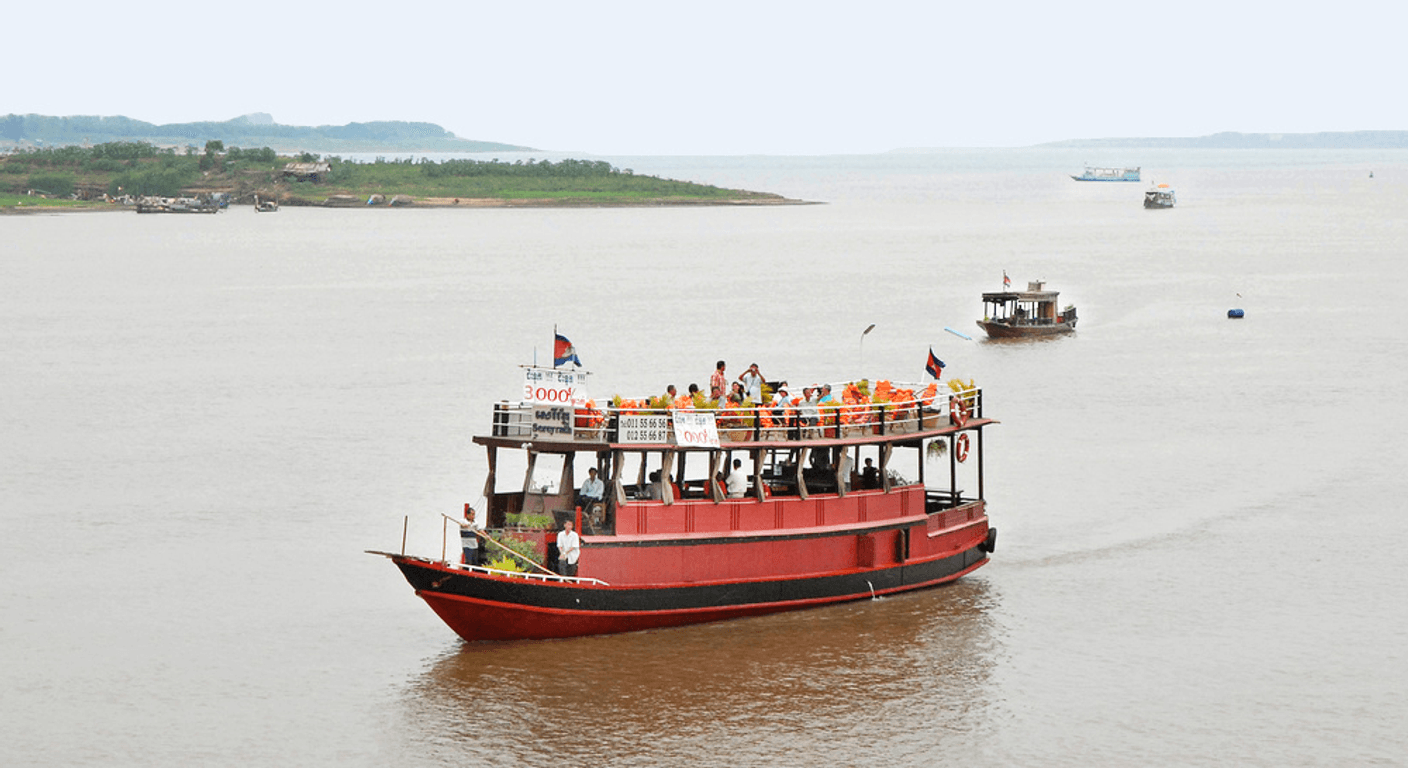
No practical through-river route connects Laos and Cambodia for tourists. The Mekong does flow through both countries, but the stretch between them is not served by tourist river services. Most travellers fly between Vientiane and Siem Reap or Phnom Penh, usually via Bangkok or Kuala Lumpur. Confirm current routes when booking, as services change.
Do Australians need a visa for Laos and Cambodia?
Australian passport holders have historically been able to obtain e-visas for Cambodia through the official government portal and visa-on-arrival or e-visa options for Laos, but requirements can change. Always check the current advice on smartraveller.gov.au before booking and allow at least six months' passport validity beyond your return date.
How physically demanding is this itinerary for older travellers?
The itinerary is rated Moderate. Most city sightseeing involves walking on flat or gently uneven ground, and many temple sites have accessible sections. Angkor's inner sanctuary involves steep stairs but can be enjoyed without climbing them. The main physical considerations are heat management and uneven stone paths at temple sites; good footwear and early morning starts make a significant difference.
What is the best time of year to visit Laos and Cambodia?
November to February is the best window for most travellers. Temperatures are in the high twenties to low thirties Celsius, humidity is lower than in other months, and rainfall is minimal. March to May becomes progressively hotter. The wet season (June to October) brings lush landscapes and fewer crowds but also significant rainfall and some site closures.
- Smartraveller — Laos travel advice (Australian Government)
- Smartraveller — Cambodia travel advice (Australian Government)
- Cambodia e-Visa — Official Ministry of Foreign Affairs portal
- Angkor Enterprise — Official Angkor Archaeological Park tickets
- Lao Airlines — Official site
- UNESCO — Luang Prabang World Heritage listing