Kep, a small crab-market town on Cambodia's southern coast, suits a half-day visit paired with two nights in Kampot, best during the dry season (November–April). The highlight is the Kep Crab Market, serving pepper crab cooked to order. Mobility is moderate — the seafront promenade is flat and easy, though hillside villa ruins involve uneven ground. There's no direct flight from Australia; travellers connect via Singapore or Bangkok to Phnom Penh, then travel overland.
What is Kep, and why does it matter for travellers over 50?
Kep sits on Cambodia's southern coast, roughly 25 kilometres from Kampot and about three hours by road from Phnom Penh. It's a town that has lived several lives. In the French colonial era and then into Cambodia's 1960s golden age, it was a fashionable seaside escape for the country's elite — a place of grand villas, sea breezes and languid afternoons. Then came the Khmer Rouge, and the villas were abandoned, their owners gone. Many still stand today, overtaken by jungle and time, their bones still elegant.
For travellers who've seen a lot of the world, that layered history is part of what makes Kep worth the detour. It's not a beach resort in any conventional sense. The town is small, the pace is gentle, and the pleasures are specific: a plate of pepper crab cooked minutes after it left the water, a slow walk along the seafront at dusk, and the quiet unease of standing before a beautiful ruin. For a group of friends who'd rather eat well and wander thoughtfully than fight for a sun lounger, it fits rather well.
Getting there from Australia: the practical reality
There's no direct flight from Australia to Cambodia. From Melbourne, Sydney or Brisbane, you'll typically connect through hubs like Singapore, Bangkok, Kuala Lumpur or Ho Chi Minh City to reach either Phnom Penh or Siem Reap. Total travel time from Melbourne is usually 12 to 16 hours including a stopover, depending on the connection. That's a meaningful journey, and a recovery night in Phnom Penh before heading south to Kampot and Kep is not indulgent — it's sensible.
The road from Phnom Penh to Kampot takes around three hours by shared shuttle or private taxi. Shared shuttles are cheap (indicatively USD 8–15, confirm locally) and reasonably comfortable. A private taxi costs more but gives you control over stops and pace — worth considering for a group. From Kampot, Kep is a short 30-to-40-minute tuk-tuk or taxi ride. Many travellers base themselves in Kampot, which has better accommodation variety, and make Kep a day trip.
Before booking anything, check the current Cambodia travel advice on smartraveller.gov.au — the Australian Government's official source. Entry requirements, visa rules and health advisories can change. As of 2025, most Australians use an e-visa, processed online through the official evisa.gov.kh portal. Confirm this is still current before you apply, and check whether your travel insurance covers pre-existing conditions for the full duration of the trip. Many standard policies don't — read the fine print.
The Kep Crab Market: what to actually expect
The Kep Crab Market is the centrepiece of any visit, and it earns its reputation. It's a working waterfront market where local women sell blue swimmer crabs caught the same morning. The stalls cook to order — the most celebrated preparation is Kampot pepper crab, made with locally grown green or black peppercorns that are genuinely among the best in the world. You point, you wait a short while, you eat. It's direct, fresh, and very good.
The setting is functional rather than picturesque — plastic chairs, simple tables, the smell of the sea and frying garlic. That's fine. The crab is the point. Prices are low by Australian standards; indicatively a whole crab dish runs around USD 8–15 depending on size and preparation, though confirm locally as prices shift. Arrive for a late lunch, around noon to 1pm, when the catch is freshest and the lunchtime crowd has thinned.
A word on food safety, because it matters. Freshly cooked seafood served piping hot is generally lower risk than raw or lukewarm preparations. At the Kep market, the crab is cooked to order in front of you — that's a good sign. Still, if you have a compromised immune system or specific dietary health considerations, talk to your GP before travelling to Cambodia about what precautions make sense for you specifically. Drink bottled or filtered water throughout, and apply the same judgement here that you would anywhere in Southeast Asia.
The seafront and the ghost villas: walking Kep at your own pace
Kep's seafront promenade is flat and manageable, which makes it genuinely easy for most walkers. It stretches along the coast past a small beach, a few cafes, and the kind of unhurried local life that feels increasingly rare. The beach itself is modest — fine grey-brown sand, calm water, a handful of wooden platforms for lounging. It's fine for a paddle or a sit. It's not the Whitsundays, and nobody's pretending otherwise.
The abandoned villas are scattered through the hills above town, and that's where the experience deepens. Cambodia's mid-century modernist architecture — influenced by what's sometimes called New Khmer style — produced genuinely beautiful buildings, and some of the Kep villas, even in decay, still carry that quality. Wandering past them is sobering and quietly affecting. You don't need to be an architecture enthusiast to feel it.
Some of the more atmospheric ruins require walking on uneven ground or steps, so wear proper shoes and don't push it if balance is a consideration. A tuk-tuk driver can take you slowly through the villa area if walking the hills isn't comfortable — most drivers know the route well and will wait while you look. The whole town is small enough that a relaxed half-day covers the main points without rushing.
Pairing Kep with Kampot: how to structure the days
Kampot is the natural base for this part of Cambodia, and it's a genuinely pleasant town in its own right. It sits on the Praek Tuek Chhu river, has a well-preserved colonial quarter, and offers a range of accommodation from simple guesthouses to boutique riverside properties. For a group wanting comfort and choice, Kampot is where you'll find it. Kep, by contrast, has limited accommodation options — a handful of small resorts and guesthouses — though staying one night for a sunrise walk can be worth it.
A practical shape for this part of a Cambodia trip: two nights in Kampot, with one full day devoted to Kep (morning departure, crab lunch at the market, a walk along the seafront and through the villa area, back to Kampot for dinner). Kampot itself warrants a separate afternoon — the old town, the river, and a boat trip to see the fireflies at dusk (a local specialty, genuinely lovely and very easy). This pace suits travellers who want to absorb a place rather than tick it off.
If you're joining a small-group tour, several Australian-based operators include the Kampot-Kep combination in their Cambodia itineraries. Travelling independently is also very doable — English is spoken widely in tourist areas, tuk-tuks are affordable and available, and the distances are short. A group of friends travelling together will find the logistics manageable and the costs low.
Practical matters: health, safety and what to know before you go
Travel insurance is non-negotiable for Cambodia, and for travellers over 50 with any pre-existing conditions, the policy details matter. Many standard travel insurance policies exclude pre-existing conditions unless you declare them and pay an additional premium. Get this sorted before you book flights, not after. The Australian Government's Smartraveller site (smartraveller.gov.au) has current advice on health precautions, including whether vaccinations such as hepatitis A, typhoid, or tetanus are recommended — your GP or a travel medicine clinic can advise based on your specific health history.
Cambodia uses the Cambodian Riel, but US dollars are widely accepted and often preferred in tourist areas. Having small USD bills is useful. ATMs are available in Phnom Penh, Kampot and to a lesser extent Kep. The heat in Cambodia between May and October is significant, and humidity can be challenging — another reason the November-to-April window is recommended for older travellers. Even in the dry season, midday heat is real; plan the outdoor walking for morning or late afternoon.
Mobile connectivity is generally good in tourist areas. A local SIM card from the airport or a convenience store gives you data at very low cost — useful for navigation, translation apps, and staying in touch. Cambodians are generally warm and patient with visitors; basic courtesy goes a long way, and learning a word or two of Khmer is always appreciated, even if your pronunciation is adventurous.
Is Kep worth the effort from Australia?
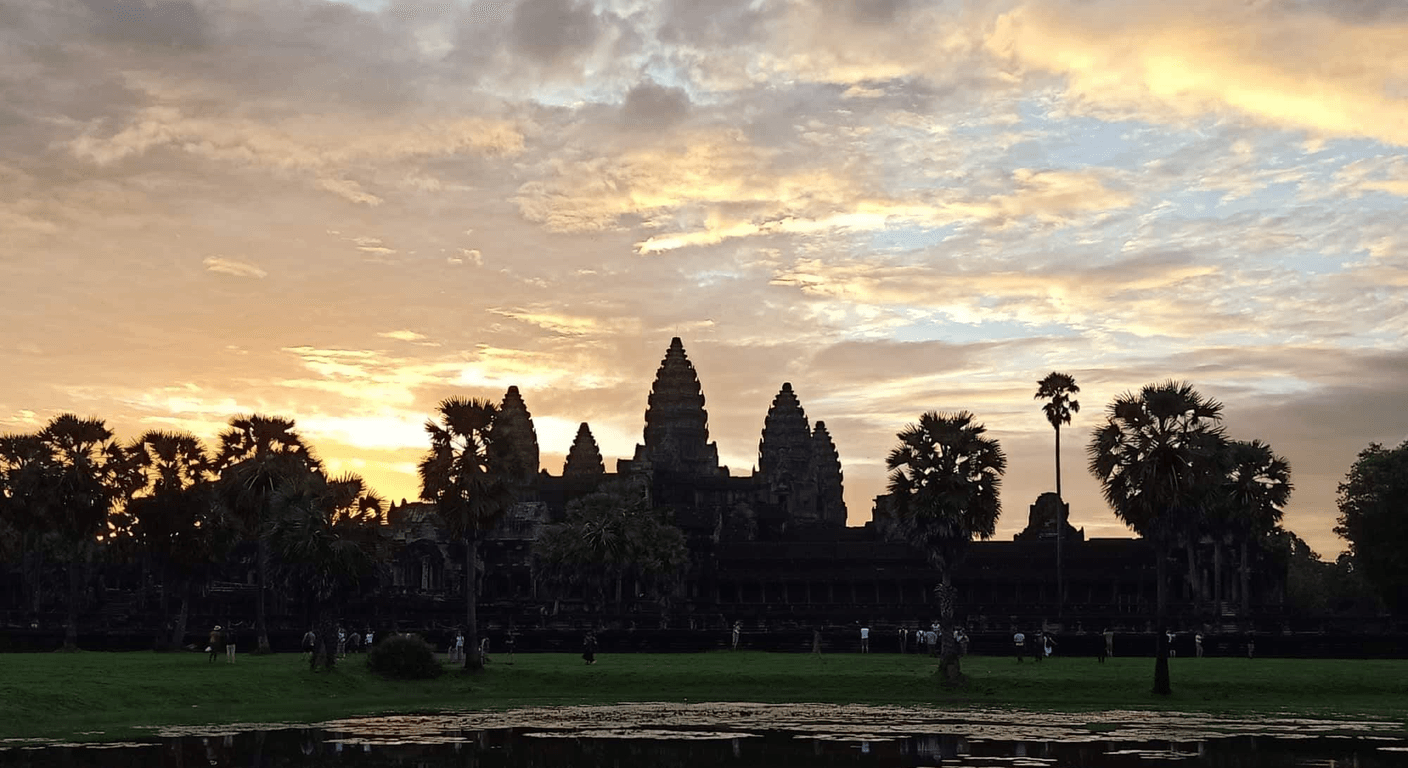
Honestly, Kep on its own probably isn't enough to justify the flight from Australia. But as part of a broader Cambodia itinerary — say, Phnom Penh and its museums, Siem Reap and Angkor Wat, then south to Kampot and Kep — it becomes a genuinely rewarding final chapter. The contrast between the intensity of Angkor and the quietness of Kep's seafront is striking, and the crab lunch is one of those meals you'll mention for years.
For travellers from regional Victoria, the appeal is also partly about the kind of travel experience that doesn't require constant movement. Kep rewards staying put for a few hours. Sit, eat, look at the water, walk slowly past the villas, have another coffee. That's not a lesser form of travel. For a group of friends who've done their share of itinerary-heavy holidays, it might be exactly the right gear change.
Quick planning guide
| Ideal pace | Slow-paced — a relaxed half-day covers the main sights |
|---|---|
| Best months | November to April (dry season, more manageable heat) |
| Suggested stay | Half-day trip from Kampot, or one night in Kep for a sunrise walk |
| Mobility level | Moderate — flat seafront promenade, but uneven ground and steps around the hillside villas |
| Cost level | Budget-friendly (crab dishes indicatively USD 8–15) |
| Comfort level | Simple and functional rather than resort-style |
| Best for | Travellers who prefer atmosphere and fresh seafood over beach infrastructure |
| Main planning consideration | No direct flights from Australia; requires connecting through hubs like Singapore or Bangkok to Phnom Penh, then onward road travel to Kampot and Kep |
Key takeaways
- Kep's Crab Market serves blue swimmer crab cooked to order with Kampot pepper — one of Cambodia's most specific and satisfying food experiences.
- Kep's beach is modest grey-brown sand; the real draw is the seafood, the seafront promenade, and the abandoned colonial villas above town.
- Base yourself in Kampot — it has far more accommodation variety — and make Kep a day trip or one-night extension.
- Always check current Cambodia entry and visa requirements at smartraveller.gov.au before booking, and confirm your travel insurance covers pre-existing conditions.
- The dry season (November to April) is the only comfortable window for most Australian travellers; humidity and rain make the wet season difficult.
- Freshly cooked, piping-hot crab at a working market is lower risk than raw seafood — use the same food-safety judgement you would anywhere in Southeast Asia.
Recommended partners and links
Indicative prices only — always confirm with the operator before booking.
Frequently asked questions
How do I get from Phnom Penh to Kep?
The most practical route is a shared shuttle or private taxi from Phnom Penh to Kampot (around three hours, indicatively USD 8–15 for a shared shuttle), then a tuk-tuk or taxi from Kampot to Kep (around 30–40 minutes). Confirm current transport options and prices on booking platforms such as 12go.asia before you travel, as schedules change.
Is Kep suitable for travellers with limited mobility?
The seafront promenade and the Kep Crab Market are flat and manageable for most walkers. The abandoned colonial villas in the hills above town involve uneven ground and slopes; a tuk-tuk driver can take you through that area if walking is not comfortable. Overall, Kep rates as Easy to Moderate for mobility.
Do I need a visa to visit Cambodia as an Australian?
Most Australians require a visa to enter Cambodia. As of 2025, an e-visa is available through the official Cambodian government portal at evisa.gov.kh. Always confirm current requirements on smartraveller.gov.au before applying, as rules can change.
Is it safe to eat crab at the Kep Crab Market?
The crab at the Kep market is cooked to order in front of you, which is a good indicator of freshness. Eating freshly cooked, piping-hot seafood is generally lower risk than raw or pre-cooked options. Drink bottled or filtered water throughout your visit, and consult your GP before travel if you have specific health conditions that affect food tolerance.
What is the best time of year for Australians to visit Kep?
November to April is the dry season and the most comfortable period for travel to Kep and the Cambodian coast. The wet season (May to October) brings significant heat, humidity and rainfall that can make outdoor sightseeing uncomfortable and some roads difficult. Note that November to April is summer in Australia, so you're heading into Cambodia's equivalent of its cooler, drier season.