Komodo National Park, reached by small-ship cruise from Labuan Bajo, is best visited March–May or August–October when conditions are driest and clearest. A four-night liveaboard, preceded by a recovery night in Labuan Bajo after the long flight via Bali, lets travellers walk with rangers among Komodo dragons and visit Pink Beach at an unhurried pace. Mobility is moderate — trails are uneven with some incline, though manageable with a walking stick — and snorkelling remains entirely optional for non-swimmers.
Why small-ship cruising makes sense here
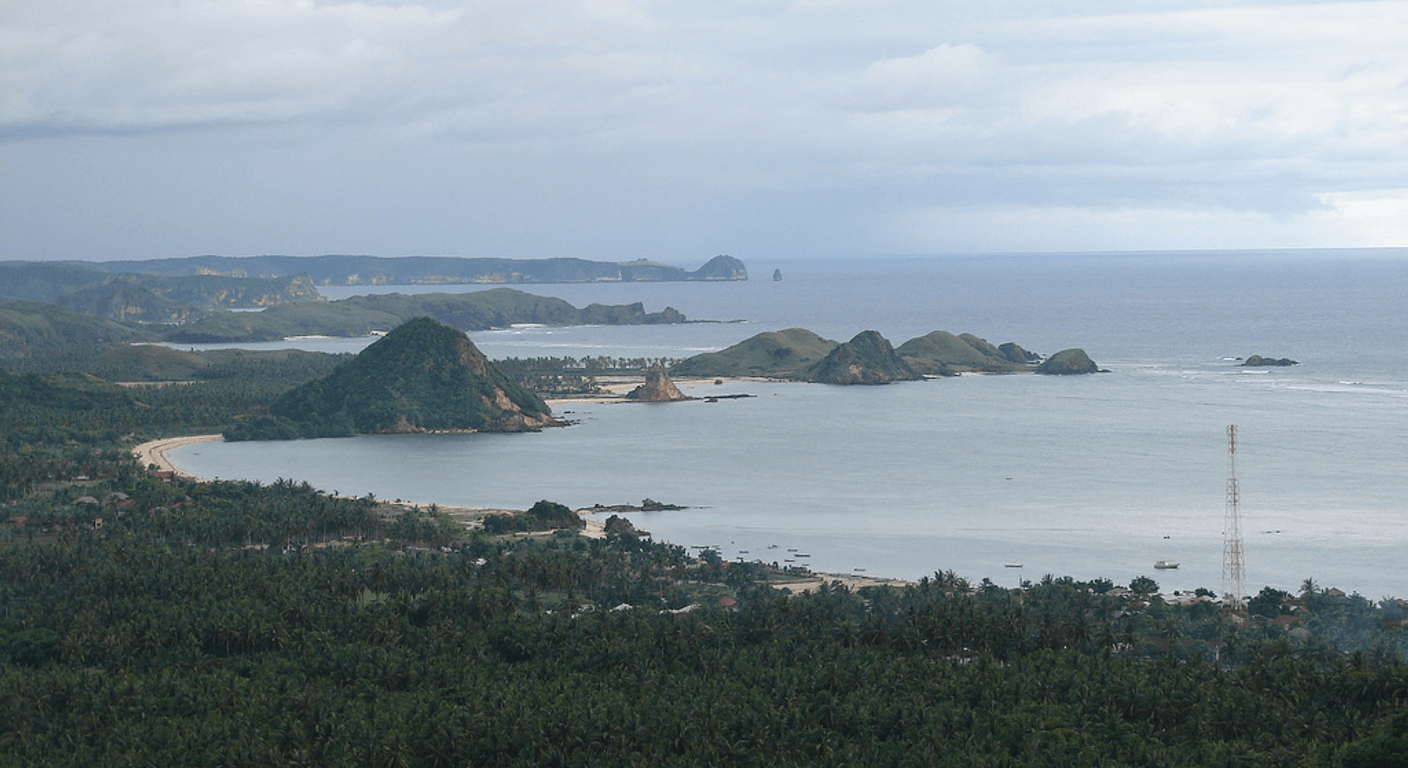
The geography of Komodo National Park is the argument for a liveaboard. The park covers around 1,800 square kilometres of sea, volcanic islands and protected coastline. Rinca Island, Komodo Island, Padar, Pink Beach — none of these are connected by road. Day-trip boats from Labuan Bajo can reach the main sites, but they leave early, return by late afternoon, and share the dragon-viewing platforms with every other operator who had the same idea. A small-ship cruise anchors overnight near the islands, walks you ashore in the cooler morning hours when the dragons are most active, and moves on before the day-trip flotilla arrives.
For a couple travelling together — particularly one where one partner is more mobile than the other — the rhythm of a liveaboard suits well. Mornings ashore, afternoons at anchor for snorkelling or simply watching the light change on the hills. Nobody is rushing you back to a resort shuttle. The boat becomes a floating base, and that changes the pace of the whole experience.
Getting there from Australia: the honest flight picture
From Melbourne or Sydney, the route runs to Bali (Denpasar) — roughly eight to nine hours direct — then onward to Labuan Bajo's Komodo Airport on the island of Flores. The Bali–Labuan Bajo leg takes around two hours on carriers including Garuda Indonesia, Lion Air and Wings Air; confirm current schedules and booking through each airline's official site, as timetables change seasonally. Total travel time from Melbourne door-to-Labuan Bajo dock is realistically around 14 to 18 hours depending on layover.
A recovery night in Labuan Bajo before boarding is not optional — it's the sensible move. The town has grown considerably in the past decade and now offers a range of hotels from comfortable mid-range to genuinely good four-star options along the waterfront. Use the evening to walk the harbour, eat grilled fish, and let the body clock adjust. Boarding a liveaboard while jet-lagged and stiff from a long-haul flight is not the start anyone wants.
Check the current Indonesian entry requirements on smartraveller.gov.au well before booking. Australian passport holders have generally been able to obtain a Visa on Arrival or use the e-Visa system, but conditions and fees change. Travel insurance that covers pre-existing medical conditions is essential — standard policies often exclude them by default, so read the product disclosure statement carefully and declare everything.
Walking with dragons: what the ranger experience is actually like
Komodo dragons are not a performance. They are large, unpredictable reptiles that move faster than most people expect, and the rangers who guide visitors through Rinca and Komodo islands are professionals who take the safety protocol seriously. Visitors walk in small groups behind a ranger carrying a forked wooden staff — not for theatre, but because it works. The dragons are genuinely encountered in the open, near the ranger station on Rinca and along the main trail on Komodo.
The walking terrain is volcanic — compacted earth paths, some loose stone, moderate inclines. It is not a bushwalk requiring fitness training, but it is uneven. A walking stick or trekking pole is a good idea, and rangers are accustomed to adjusting pace for older visitors. The main circuit on Rinca takes around 45 minutes to an hour at a relaxed pace. Shorter options exist near the ranger station if mobility is a concern — speak to your operator about this before departure, not on the morning of the walk.
The best sightings tend to happen in the morning, when dragons are warming themselves near the kitchen area of the ranger station on Rinca or moving along the ridge paths on Komodo. Midday heat pushes them into shade and the encounter becomes more about searching than observing. Small-ship operators who time their arrivals for the early morning — before the day-trip boats — give passengers a noticeably quieter experience. Ask your operator specifically how they schedule island visits.
Pink Beach and the snorkelling question
Pink Beach — Pantai Merah — on Komodo Island is one of only a handful of genuinely pink-sand beaches in the world. The colour comes from fragments of red coral mixed into the white sand, and it is more pronounced in certain light: early morning and late afternoon are the most photogenic. It is also, frankly, a beautiful place to sit and do nothing for an hour while others snorkel.
The snorkelling at Komodo is among the best in Indonesia, which is saying something. The currents run strong between islands, which is why the fish life and coral are so rich — and why non-swimmers or those uncomfortable in open water should not feel pressured. Most reputable liveaboard operators carry life vests and snorkel gear, and the crew will accompany nervous swimmers. For those who'd rather stay dry, the boat anchors close enough that the view from the deck is its own reward. Nobody needs to snorkel to have a worthwhile visit to this park.
Manta rays are a genuine possibility at Manta Point, a cleaning station in the park where these animals gather. Sightings are not guaranteed — they never are — but the site is visited by most itineraries and conditions permitting, it's one of the more memorable things a snorkeller can witness without diving certification.
Choosing a vessel: what the cabin reality looks like
This is where honest research matters most. Liveaboard vessels in Komodo range from traditional wooden phinisi boats with basic twin berths and shared bathrooms to purpose-built fibreglass cruisers with air-conditioned en-suite cabins and proper dining saloons. The price difference between these two categories is significant, and so is the comfort. A couple travelling together should think carefully about which end of that spectrum suits them.
At the budget end — roughly AUD 1,800 to AUD 2,400 per person for four nights — expect a wooden phinisi, a double or twin cabin with limited headroom, a shared bathroom with a basic shower, and meals served on deck. The boats are characterful and the crew are typically excellent, but if one partner wakes frequently at night, needs good bathroom access, or finds enclosed spaces uncomfortable, this category warrants real thought.
Mid-range vessels — indicatively AUD 2,800 to AUD 4,500 per person — offer private bathrooms, air conditioning in cabins, and more deck space for sitting out. Before booking anything, request the vessel's deck plan, photos of the actual cabin (not a render), and clear information about bathroom arrangements. Operators who are evasive about this are telling you something. The Indonesian liveaboard industry has reputable local operators as well as Australian and international booking agents — either channel works, but whoever you book through, read the cancellation and refund terms carefully.
Labuan Bajo: the night before and the morning after
Labuan Bajo has transformed from a dusty fishing port into a proper tourist gateway over the past decade. The waterfront strip now has decent restaurants, a daily fish market worth visiting in the early morning, and a handful of genuinely comfortable hotels. It's not Bali — and that's a point in its favour. The scale is human, the pace is slower, and the sunsets over the harbour are the kind that require no filter.
After disembarking, most cruises end mid-morning, leaving a half-day in town before the afternoon flight back to Bali. The viewpoint above town — a short, steep walk or a motorbike taxi for those who'd prefer not to climb — gives a panorama of the harbour and the islands beyond. The market near the harbour sells local textiles and spices. Neither is obligatory. A good coffee and a slow breakfast on the waterfront is equally valid.
One practical note: Labuan Bajo's ATMs can run short of cash during peak season and connectivity is inconsistent. Carry Indonesian rupiah obtained in Bali or at a reliable exchange, and don't rely on card payments for smaller purchases. Your cruise operator will advise on tipping customs — in Indonesian liveaboard culture, tipping the crew is standard and appreciated; ask for guidance on appropriate amounts.
Planning considerations specific to travellers over 50
The Indonesian heat is real and shouldn't be underestimated. March to May and August to October sit in the drier, clearer periods, but daytime temperatures aboard and ashore regularly reach 30–33°C. A wide-brimmed hat, reef-safe sunscreen, and a light long-sleeved shirt for both sun protection and cultural respect ashore are practical essentials. The park has no shade on most walking trails.
Sea conditions between islands can be choppy, particularly in the afternoons when the wind picks up. If either traveller is prone to motion sickness, carry medication and take the first dose before boarding — not after symptoms begin. Most operators serve meals and snacks continuously, and hydration on a boat in tropical heat requires active attention. The crew will remind you, but the responsibility is yours.
Travel insurance for this trip needs to cover: pre-existing medical conditions declared in full; medical evacuation from a remote Indonesian island (the nearest significant hospital to Komodo is in Bali or Makassar); and cruise-specific cancellation. The Australian Government's smartraveller.gov.au site provides current safety and health advice for Indonesia; register your travel details there so the government knows you're in the region. It's a simple step and a sensible one.
Quick planning guide
| Ideal pace | Slow-paced, boat-based rhythm — mornings ashore, afternoons at anchor |
|---|---|
| Best months | March–May and August–October, the driest, clearest periods |
| Suggested stay | Four-night liveaboard cruise plus one recovery night in Labuan Bajo beforehand |
| Mobility level | Moderate — uneven volcanic trails with some incline; walking stick recommended, rangers adjust pace |
| Cost level | Budget to mid-range — roughly AUD 1,800–2,400pp basic, AUD 2,800–4,500pp mid-range per four nights |
| Comfort level | Varies by vessel — basic shared-bathroom phinisi boats up to air-conditioned en-suite cruisers |
| Best for | Couples over 50 wanting dragons, snorkelling and pink-sand beaches without day-trip crowds |
| Main planning consideration | Choosing the right vessel category and confirming cabin and bathroom details before booking |
Key takeaways
- A small-ship cruise from Labuan Bajo is the most practical and rewarding way for travellers over 50 to see Komodo National Park — day trips are crowded and limited.
- Ranger-guided dragon walks are manageable at a moderate fitness level; walking sticks are permitted and rangers adjust pace for older visitors.
- Liveaboard cabin standards vary enormously — always request a deck plan and real cabin photos before booking, not marketing renders.
- Non-swimmers can fully enjoy the park from the boat deck or beach; snorkelling is optional, not obligatory.
- Allow one night in Labuan Bajo before boarding to recover from the long-haul flight from Australia via Bali.
- Confirm Indonesian entry requirements, park fees and travel insurance conditions — including pre-existing medical conditions — well before departure via smartraveller.gov.au.
Recommended partners and links
Indicative prices only — always confirm with the operator before booking.
Frequently asked questions
Do I need to be fit to see Komodo dragons on a ranger walk?
A moderate level of mobility is helpful. The walking paths on Rinca and Komodo islands are uneven volcanic terrain, but the main circuits take 45 minutes to an hour at a relaxed pace. Walking sticks and trekking poles are permitted, rangers adjust their pace for the group, and shorter routes near the ranger station are available for those with limited mobility. Discuss your requirements with your cruise operator before departure.
How do Australians get to Labuan Bajo?
Fly from Sydney or Melbourne to Bali (Denpasar) — roughly eight to nine hours direct — then take a connecting flight to Labuan Bajo's Komodo Airport on Flores, around two hours from Bali. Carriers including Garuda Indonesia, Lion Air and Wings Air operate this route; confirm current schedules directly with airlines. Total travel time from Melbourne is around 14 to 18 hours depending on layover. A recovery night in Labuan Bajo before boarding your cruise is strongly recommended.
What are liveaboard cabins like on Komodo cruises?
Cabin standards vary significantly by vessel class. Budget phinisi boats offer basic twin or double berths with shared bathrooms and limited headroom. Mid-range and premium vessels provide private en-suite bathrooms and air conditioning. Indicative prices range from around AUD 1,800 to over AUD 4,500 per person for a four-night cruise. Always request the actual deck plan and cabin photos from your operator before booking — not just marketing images.
Can I visit Komodo National Park if I don't snorkel or swim?
Yes. Snorkelling is one activity among several and is entirely optional. Non-swimmers can observe from the boat deck while others are in the water, walk the island trails for dragon sightings, and spend time on Pink Beach. The park's wildlife and scenery are fully accessible without entering the water.
What entry requirements apply for Australians visiting Indonesia in 2026?
Indonesian entry conditions, visa options and park fees have continued to change in recent years. Australian passport holders have generally been eligible for a Visa on Arrival or the e-Visa system, but requirements and costs should be confirmed before booking on the Australian Government's official smartraveller.gov.au site and with your cruise operator. Do not rely on information that may be out of date.