Lake Bohinj, about an hour west of Bled by regional bus inside Triglav National Park, is larger and far quieter than Bled, with a flat four-kilometre gravel lakeside path and a cable car to Vogel reaching 1540 metres without any uphill walking. It rewards an overnight stay of around two nights rather than a rushed day trip. Mobility needs are easy, though getting there from Australia means a long-haul flight via a hub (roughly 22–26 hours) followed by onward bus or train travel from Ljubljana or Bled.
Why Bohinj rather than another morning at Bled
Bled earns its reputation. The castle, the island church, the pletna boats — all of it is genuinely lovely. It's also genuinely crowded by ten in the morning from May through September, and the flat walk around the lake is interrupted at regular intervals by tour groups stopping for the same photograph. Bled is not a secret, and it no longer pretends to be.
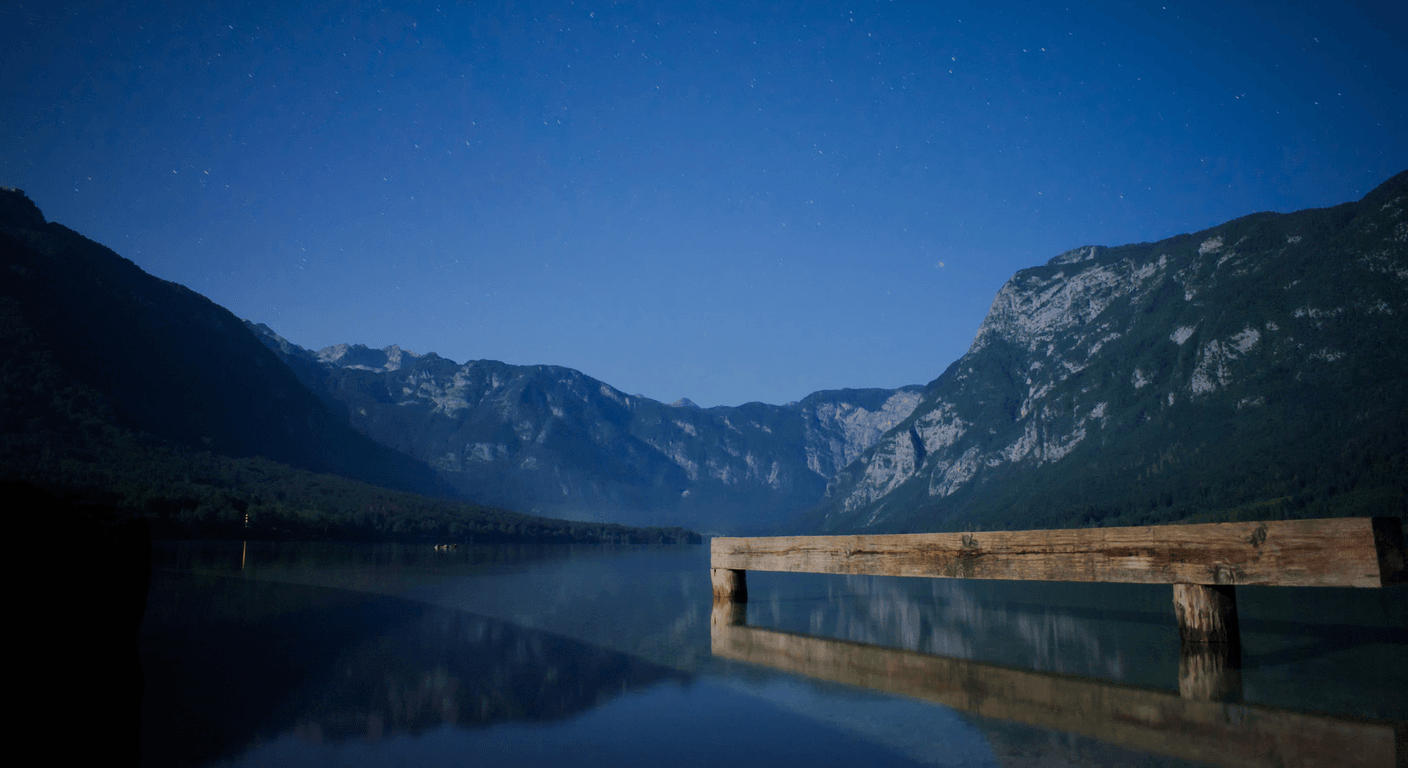
Bohinj is the counterpoint. The lake is larger — roughly four kilometres long — and sits deeper inside Triglav National Park, Slovenia's only national park. There are no boats for hire at the main landing, no island to queue for, and no castle silhouette to frame. What there is: clear water the colour of aged jade, a flat gravel path along the southern shore, the small Church of St John the Baptist at Ribčev Laz, and a cable car that lifts you to Vogel mountain without requiring a single uphill step on foot.
For travellers who've already visited Bled, or who simply don't need the spectacle, Bohinj offers something harder to photograph but easier to inhabit. The quiet here is structural, not accidental. It's a working landscape — farmers, local hikers, the occasional kayaker — and visitors fit into it rather than the other way around.
Getting there from Ljubljana (and from Australia)
From Australia, there's no direct flight to Slovenia. The usual routing goes through a hub — Singapore, Dubai, Doha, Frankfurt or Amsterdam — with total travel time from Melbourne or Sydney running to roughly 22–26 hours depending on connections. Ljubljana's Jože Pučnik Airport is small and manageable, but the jet lag is real. Build in a full recovery night in Ljubljana before heading west; the capital is worth a slow morning regardless.
From Ljubljana, the most straightforward option is a regional bus to Bohinjska Bistrica, the closest town to the lake, with a connection or short taxi to Ribčev Laz at the lake's eastern end. Journey time is around 1.5 to 2 hours. Alternatively, Slovenian Railways (SŽ) runs trains to Bohinjska Bistrica — a scenic route through the Sava valley — with a bus or taxi for the final stretch to the lake. Confirm current schedules at getbybus.com or the Slovenian Railways site; timetables shift seasonally.
From Bled specifically, a regional bus runs to Bohinj roughly hourly in summer, taking around 45 minutes to an hour. It's an honest public-transport journey — not a tourist shuttle — and the stops are clearly marked. A taxi between Bled and Bohinj is also straightforward and, by Australian standards, reasonably priced. Confirm the going rate locally before you get in.
A gentle day at the lake: what to do without rushing
The eastern end of the lake at Ribčev Laz is where the bus stops, the small tourist information office sits, and the Church of St John the Baptist stands at the water's edge. The church dates to the 12th century, with Gothic frescoes inside that have survived remarkably intact. It's not a grand cathedral moment — it's a small, serious building that rewards a quiet look rather than a hurried photograph.
The lakeside path along the southern shore is flat, well-maintained gravel and stone, and runs for roughly four kilometres to the western end at Ukanc. It takes perhaps 90 minutes at a comfortable pace, with benches placed at intervals and clear views across the water. There's no traffic. In the warmer months, the lake is calm enough to reflect the surrounding Julian Alps, which are not visible from the path in quite the same way as from the cable car — but at water level, the scale of the mountains registers differently. More immediate, somehow.
At the western end, the Savica waterfall is a popular extension — but it involves a steeper walk that may not suit everyone. The cable car to Vogel is the better option for travellers who want elevation without exertion. The gondola departs from near Ukanc and rises to around 1540 metres in roughly eight minutes. At the top: a broad mountain plateau, a panoramic view of the lake below, a café, and marked walking tracks across relatively flat terrain. On a clear day, the view extends toward Triglav, Slovenia's highest peak. The cable car runs year-round, but confirm operating hours and seasonal closures directly at vogel.si before building it into your plans.
Where to stay: basing yourself at the lake rather than rushing back
Bohinj is genuinely better as an overnight stay than a day trip. The light on the lake in the early morning and the hour before sunset is different from the midday version, and those two windows are worth a guesthouse booking. Ribčev Laz and the nearby village of Stara Fužina both have small hotels and family-run guesthouses; Bohinjska Bistrica, three kilometres east, has a larger selection including some apartment-style accommodation that suits travellers who prefer a kitchen.
Prices are moderate by European standards and quite affordable measured against what the same comfort level would cost in, say, Austrian or Swiss alpine towns. Indicative nightly rates for a comfortable double room range from roughly AUD 120 to AUD 220, depending on season and property — confirm current rates directly with providers, as 2026 pricing will vary. The area does fill in July and August, so booking ahead for peak summer is sensible without being urgent.
Solo travellers will find the area safe and straightforward to navigate independently. English is widely spoken at accommodation and in the national park information office. The local pace is unhurried enough that arriving without a packed itinerary is not only acceptable but arguably the correct approach.
Practical matters: entry, insurance and what to confirm before you leave
Slovenia is a member of the European Union and the Schengen Area. Australian passport holders can enter for up to 90 days within a 180-day period without a visa — but always check current entry requirements on the Australian Government's Smartraveller website (smartraveller.gov.au) before booking, as rules can change. Register your travel plans on Smartraveller while you're there.
Travel insurance is non-negotiable for this trip, and for travellers over 60 with any pre-existing conditions, it requires careful reading rather than a quick click. Ensure your policy covers medical evacuation from Europe — costs for a medevac to Australia can be considerable — and disclose all pre-existing conditions honestly at the time of application. Compare policies through a reputable Australian comparison service and read the product disclosure statement before purchasing.
The euro is Slovenia's currency. ATMs are available in Bohinjska Bistrica and at larger accommodation providers; smaller lakeside cafés may prefer cash. A small amount of euro in cash is worth carrying. Mobile coverage in the valley is generally adequate; inside the national park and at higher elevations it can be patchy — download offline maps before you leave your accommodation.
Food, coffee and the unhurried afternoon
Slovenian food in the Bohinj region leans toward the alpine: buckwheat dishes, dairy from local farms, fresh trout from the Sava Bohinjka river, and a particular local cheese called tolminc that has a Protected Designation of Origin. The restaurants around Ribčev Laz are small, the menus short, and the quality generally honest. Don't arrive expecting a sophisticated dining scene — arrive expecting good ingredients cooked simply, which is rather better.
Coffee culture in Slovenia sits somewhere between Italian espresso tradition and Central European café habits. A double espresso at a lakeside terrace in the afternoon, after the walk and before the bus back, is one of the more uncomplicated pleasures the country offers. The pace of service tends to be relaxed — which, depending on your afternoon, is either exactly right or mildly testing. Travellers with Italian heritage will have opinions about the coffee. They will probably be correct.
How Bohinj fits into a longer Slovenia itinerary
A practical Slovenia itinerary for Australian travellers aged 50 and over might run: a recovery night in Ljubljana on arrival, two nights in the capital to explore the old town and Tivoli Park at a sensible pace, then two nights based at Bled — which remains worthwhile despite the crowds if you time the early morning — followed by two nights at Bohinj before returning to Ljubljana to fly out. That's eight nights in country, which is enough to move slowly and still cover the highlights without the itinerary becoming the point of the trip.
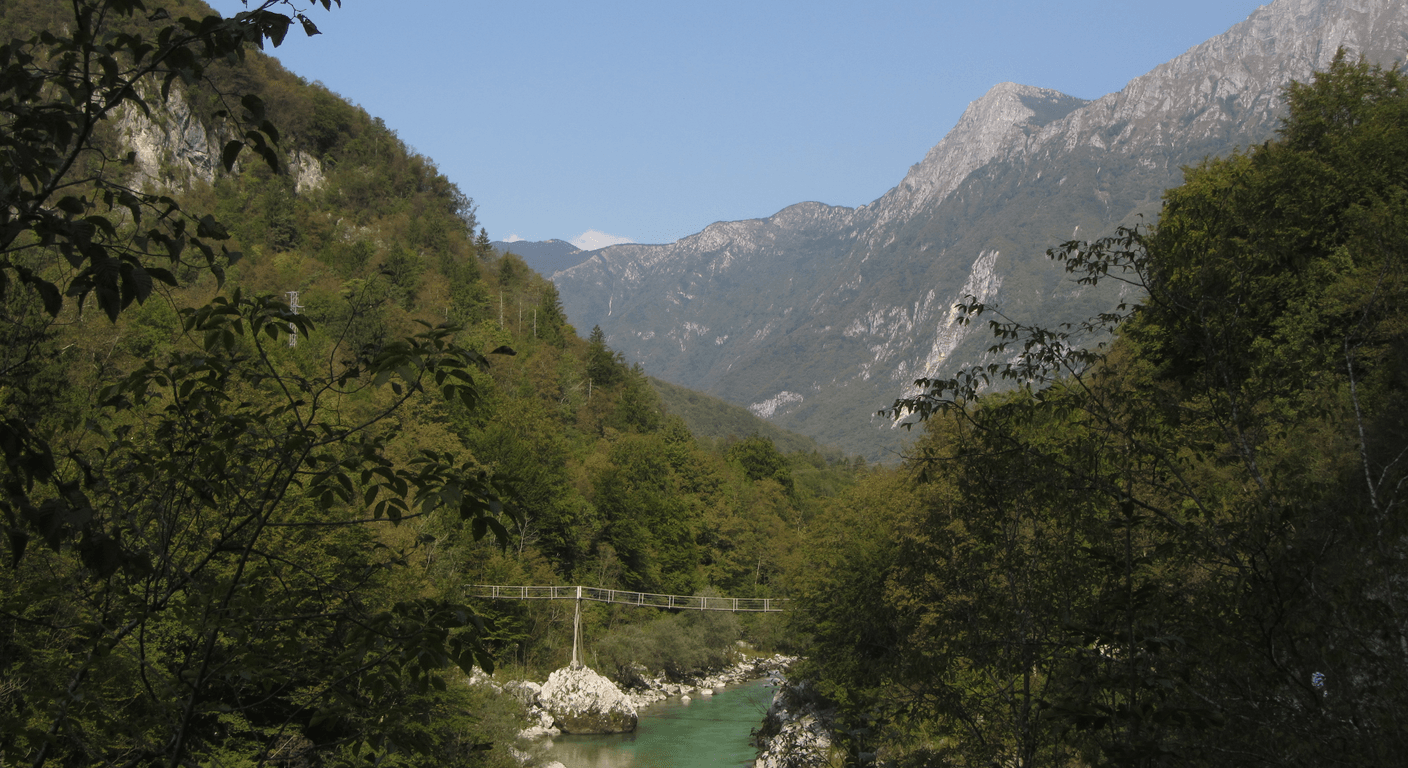
Bohinj pairs well with a drive or bus journey through the Soča Valley, if your itinerary extends further west. The Soča River's extraordinary turquoise colour and the First World War Isonzo Front history at Kobarid combine to make that valley one of the more affecting parts of Slovenia — but it's a full additional day, and the roads are winding. Confirm transport options and road conditions seasonally, and consider whether a guided day tour from Bohinj might be more comfortable than self-driving on unfamiliar mountain roads.
The broader point is that Slovenia rewards travellers who resist the urge to see everything. It's a small country — roughly the size of Wales — and the temptation to add more stops can dilute rather than enhance the experience. Bohinj, given a full day and an unhurried mindset, delivers more than most people expect and asks very little in return.
Quick planning guide
| Ideal pace | Slow-paced and unhurried |
|---|---|
| Best months | Comfortable most of the year; July–August is busiest, and cable car hours vary seasonally |
| Suggested stay | Around two nights, treated as a base rather than a day trip |
| Mobility level | Easy — flat lakeside gravel path and a cable car to Vogel with no uphill walking required |
| Cost level | Moderate, roughly AUD 120–220 per night for a comfortable room |
| Comfort level | Relaxed and low-key, with small guesthouses and simple, honest menus |
| Best for | Travellers who've already done Bled, or want a quieter, slower alpine lake experience |
| Main planning consideration | No direct flight from Australia (22–26 hours via a hub), plus onward bus or train from Ljubljana or Bled — confirm schedules and cable car hours seasonally |
Key takeaways
- Lake Bohinj is roughly 45 minutes to an hour from Bled by regional bus and significantly quieter, with a flat lakeside path suitable for unhurried walkers.
- The Vogel cable car rises to 1540 metres and provides panoramic Alpine views without requiring any uphill walking — a genuine advantage for travellers who want elevation without exertion.
- Australian passport holders can enter Slovenia visa-free for up to 90 days, but should confirm current entry requirements on smartraveller.gov.au before booking.
- Travel insurance covering medical evacuation from Europe is essential; travellers with pre-existing conditions must disclose them fully at the time of application.
- Bohinj is best experienced as an overnight stay rather than a rushed day trip — the early morning and late afternoon light on the lake are what make the place.
- Indicative accommodation costs are moderate by European standards, roughly AUD 120–220 per night for a comfortable room, but confirm 2026 pricing directly with providers.
Recommended partners and links
Indicative prices only — always confirm with the operator before booking.
Frequently asked questions
How do you get from Bled to Lake Bohinj by public transport?
A regional bus runs between Bled and the Bohinj area roughly every hour during summer, taking around 45 minutes to an hour to Ribčev Laz at the lake's eastern end. Confirm current timetables at getbybus.com or the local tourist information office before you travel, as schedules change seasonally.
Is Lake Bohinj suitable for travellers with limited mobility?
The main lakeside path at Bohinj is flat, well-maintained gravel and stone, and manageable for most travellers with moderate mobility. The Vogel cable car eliminates the need for any significant uphill walking to reach mountain views. The Savica waterfall extension involves a steeper climb and may not suit everyone — it's optional and easily skipped.
Do Australians need a visa to visit Slovenia?
Australian passport holders can enter Slovenia, as an EU and Schengen Area country, for up to 90 days within a 180-day period without a visa. Always confirm current entry requirements on the Australian Government's Smartraveller website at smartraveller.gov.au before booking, as rules can change.
Is Lake Bohinj better than Lake Bled for older travellers?
Both lakes have merit, but Bohinj is considerably quieter and the flat lakeside path requires less navigation of crowds and uneven terrain. Bled's famous island church involves a boat ride and steps; Bohinj's main attractions — the lakeside walk, the Romanesque church, the cable car — are more straightforwardly accessible. Travellers who value pace over spectacle tend to prefer Bohinj.
What is the best time of year to visit Lake Bohinj?
May through September offers the most reliable weather and the best conditions for the lakeside walk and Vogel cable car. July and August are the warmest months and see the most visitors, though Bohinj remains far less crowded than Bled even at peak summer. May, June and September offer a good balance of pleasant weather and quieter conditions.