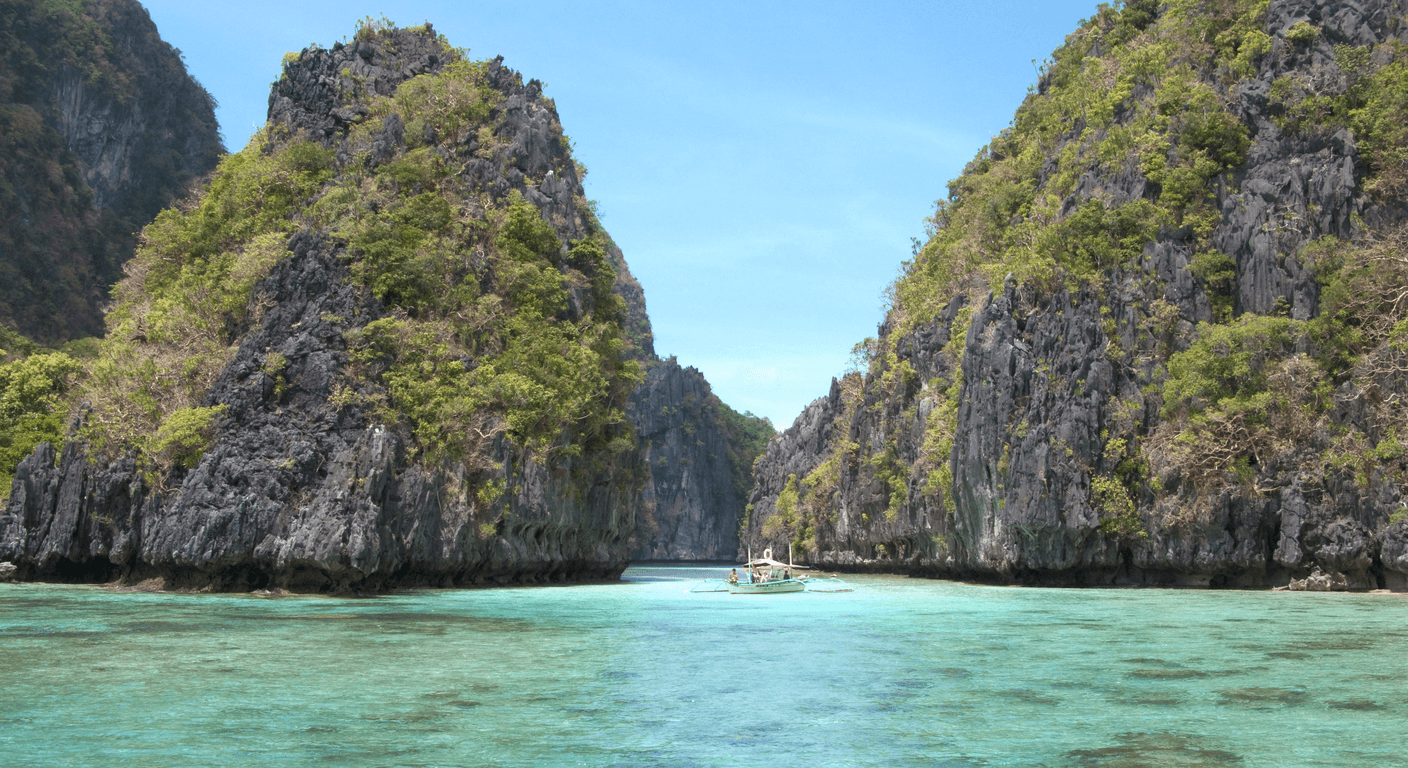
The Mekong slow boat runs two unhurried days from Huay Xai to Luang Prabang, Laos, with an overnight stop in Pakbeng, best travelled November to February for dry skies and stable river levels. The highlight is the passing scenery — rice paddies, bamboo villages and karst cliffs — rather than any single sight. Mobility demands are easy, with no physical exertion beyond boarding, though public boats use hard wooden benches. Access involves flying to Bangkok, connecting to Chiang Rai, then crossing the Thai-Lao Friendship Bridge IV by land before boarding the boat.
Why This Journey Suits Travellers Who've Stopped Rushing
There is a particular kind of traveller who arrives at a certain point in life and realises that getting somewhere slowly is not a compromise — it is the point. The Mekong slow boat from Huay Xai to Luang Prabang is built for that person. The river moves at roughly 20 kilometres per hour upstream on the return, faster downstream going south. The boat does not rush. You will not rush. The riverbank will provide everything you need to look at.
For a solo female traveller, the slow boat holds a specific appeal: the vessel is communal without being overwhelming. Conversations start naturally — a retired couple from Brisbane, a Flemish teacher, a young Lao woman heading home. Nobody is performing. The rhythm of the river sets the social tone, and it is a gentle one. You can read for an hour, then talk, then watch the karst cliffs appear and disappear in the haze.
This is not adventure travel in the conventional sense. There are no rapids, no physical demands beyond the boarding. What it asks of you is attentiveness — and a cushion. Bring a cushion.
Getting to the Border: Flights and the Thai Connection
The slow boat begins at Huay Xai, a small Lao border town directly across the Mekong from Chiang Khong in northern Thailand. From Melbourne or Sydney, the standard routing is a flight to Bangkok (roughly nine to ten hours, often with a brief stopover in a Southeast Asian hub depending on the airline), then a domestic connection to Chiang Rai — around one hour and forty minutes. From Chiang Rai airport, a taxi or shared transfer north to Chiang Khong takes about two hours on a good day. Confirm all connections before booking; schedules change seasonally.
The border crossing itself — from Chiang Khong into Huay Xai — uses the Thai-Lao Friendship Bridge IV. It is a straightforward land border, but allow at least a morning to cross, clear Lao immigration, purchase your visa on arrival (if eligible — confirm current requirements at smartraveller.gov.au and the Lao Embassy website), and reach the boat pier before departure. Most slow boats leave between 9am and 11am Laos time. Missing that window means a day in Huay Xai, which is not the worst outcome — it has a decent night market — but it's worth planning around.
A note on jet lag: even though the time difference from eastern Australia to Laos is only three hours behind in the dry season, the accumulated fatigue of a long travel day from Melbourne or Sydney is real. Build in a recovery night in Chiang Rai or Chiang Mai before attempting the border and the boat. The boat asks nothing of you physically, but it is a long day and you'll enjoy it more if you're not exhausted.
Day One on the River: What Actually Happens
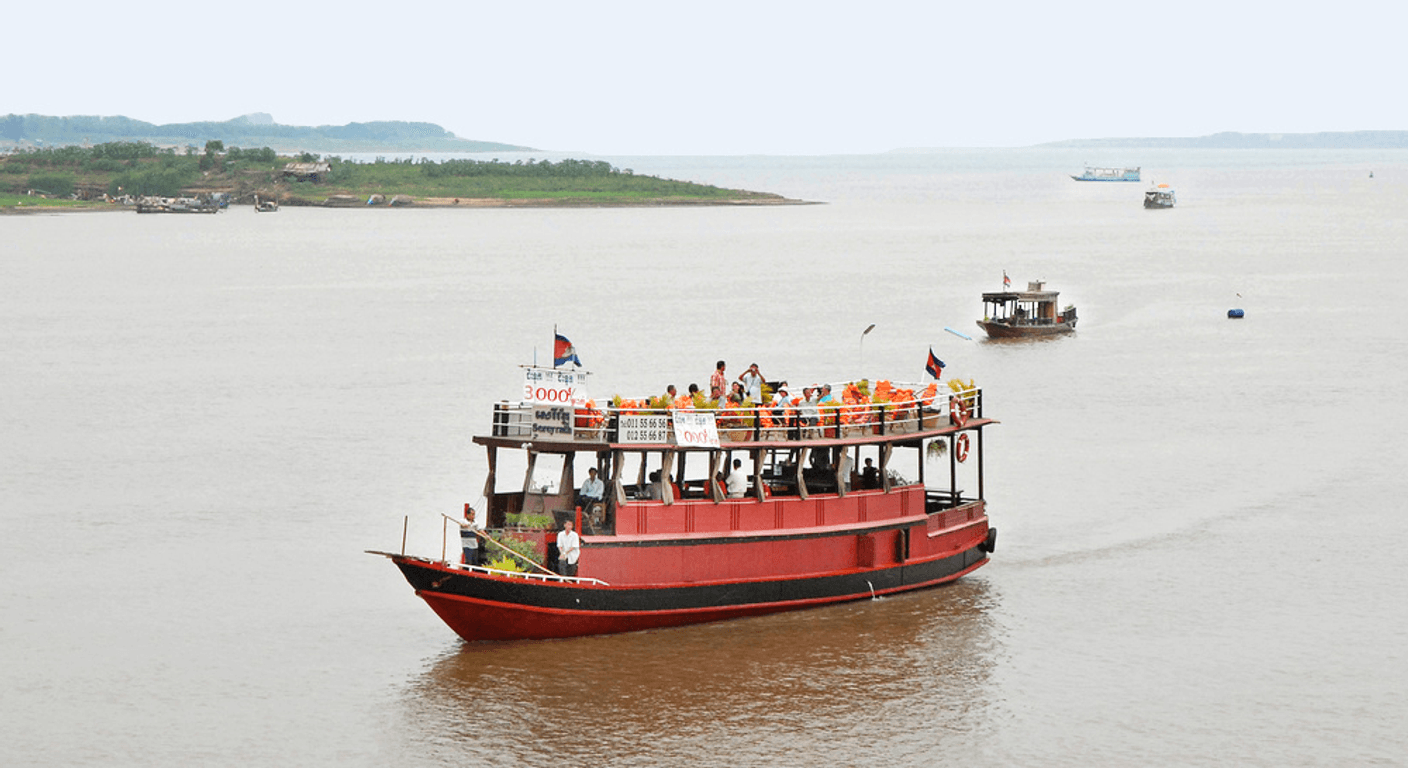
The boat leaves Huay Xai and almost immediately the world simplifies. The town disappears behind a bend, and the river takes over — wide, brown-green, flanked by dense vegetation and the occasional sandbar. Villages appear on the bank: a cluster of wooden houses, a dugout canoe, a woman doing laundry at the water's edge. This is not a curated experience. The villages are there because they've always been there.
Day one runs for roughly six to eight hours, depending on the river level and the operator. On public boats, you're sitting on wooden benches — the kind that feel fine for an hour and become a serious matter after four. This is not an exaggeration. A firm foam cushion, at least four centimetres thick, is the single most important thing you can pack for this journey. Some experienced travellers bring a small inflatable lumbar support as well. A sarong doubles as a blanket when the river breeze picks up.
Toilets on public slow boats range from adequate to challenging — a small cubicle at the stern, basic plumbing, variable cleanliness. If this is a genuine concern, and for many travellers it is a reasonable one, the premium operators address it directly. Luang Say Mekong Cruises, for instance, operates its own vessels with proper facilities, padded seating, a set menu lunch and a guide on board. The price difference is significant, but so is the experience. For a solo traveller who prefers not to spend the day negotiating bench logistics, the upgrade is worth considering seriously.
Pakbeng: The Overnight Stop
Pakbeng is a one-street river town perched on a steep hillside where the Pakbeng River meets the Mekong. Every slow boat stops here for the night. The town exists, in large part, because of the slow boat — guesthouses, restaurants and the occasional tour operator line the single main road. It is not charming in the way Luang Prabang is charming. It is functional, and sometimes that's exactly right.
Guesthouses range from bare-bones rooms with a fan to surprisingly comfortable mid-range options with air conditioning and hot showers. If you're travelling independently, it pays to move quickly off the boat — the better rooms fill fast when two or three vessels arrive within the same hour. Premium operators pre-book accommodation for their passengers, which removes that particular scramble entirely.
Dinner in Pakbeng is straightforward Lao food — sticky rice, larb, river fish, vegetable stir-fries — served at open-fronted restaurants along the main strip. Prices are low. The town goes quiet early. The morning departure is around 9am, and the second day on the river begins.
Day Two and Arrival in Luang Prabang
The second day is shorter — typically five to six hours — and many travellers find it the more beautiful of the two. The river narrows in places, the light changes differently, and by now you've found your rhythm: read for a while, look at the river, talk to whoever is sitting nearby, eat the snacks you bought in Pakbeng. There is no agenda.
Luang Prabang appears gradually, the town's temple rooflines visible above the trees before the pier comes into view. Arrival is usually mid-afternoon, which is good timing — enough light to walk the old city, find your guesthouse and sit on a terrace with a Beerlao before the town settles into its quiet evening routine. The town itself is compact and largely walkable, with tuk-tuks available for the steeper sections. Most of the heritage guesthouses and smaller hotels are within ten to fifteen minutes' walk of the main pier.
Plan a genuine rest day before starting any sightseeing. The two boat days are not physically demanding, but they are long, and Luang Prabang deserves your full attention — the Kuang Si falls, the Royal Palace Museum, the alms-giving ceremony at dawn. Rushing any of it would be a waste of the journey you've just taken to get there.
Choosing Your Boat: Public vs Premium Operator
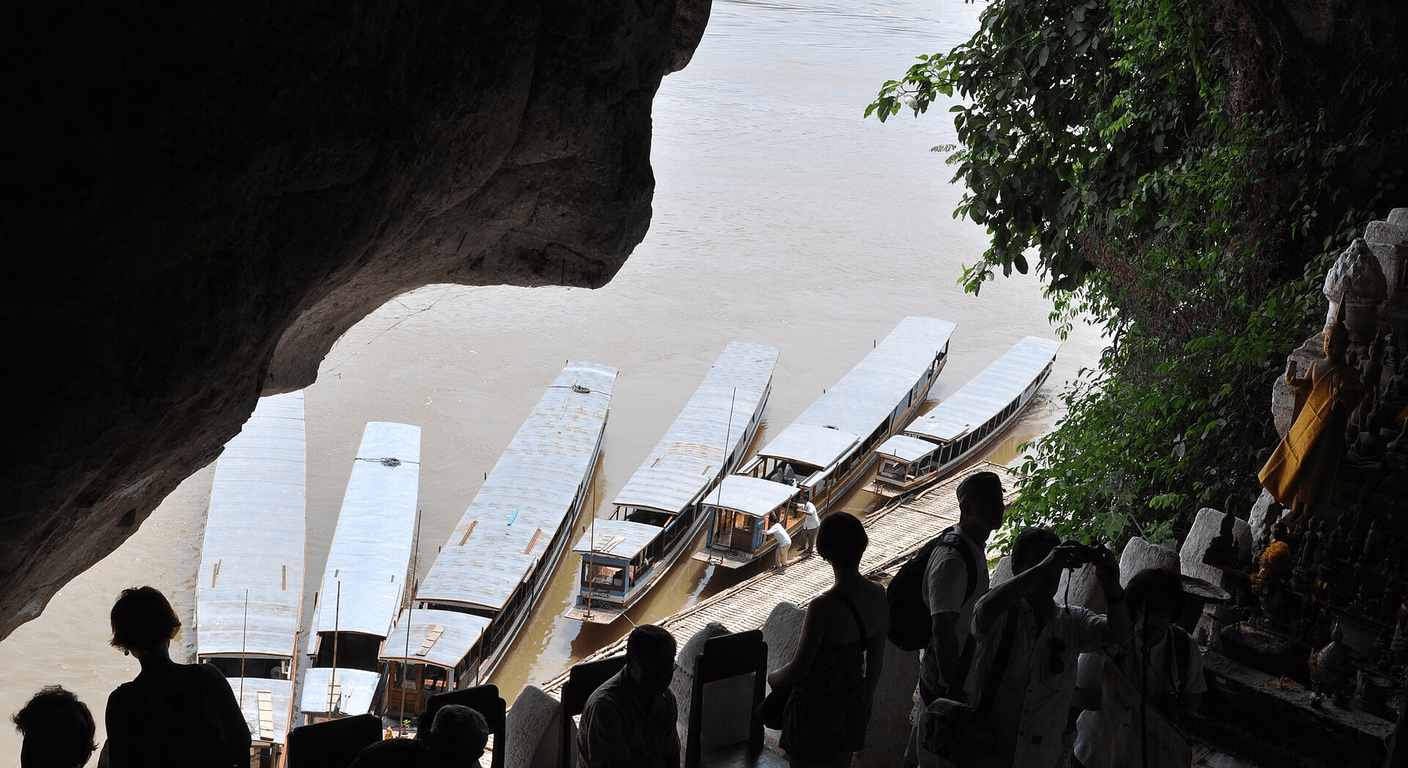
The honest answer is that the public slow boat and a premium operator are not the same experience, and the right choice depends entirely on what you value. The public boat is cheap — indicatively around USD 30–50 for the two days, though confirm current pricing locally — and it puts you alongside a genuine mix of travellers and Lao passengers. The benches are hard, the facilities are basic, and the pace is entirely unhurried. Some people find this exactly right.
Premium operators like Luang Say Mekong Cruises use their own purpose-built vessels with padded seating, proper toilet facilities, an on-board guide who explains the villages and the river ecology, and pre-booked accommodation in Pakbeng and Luang Prabang. The cost is considerably higher — indicatively several hundred US dollars per person — but for a solo traveller who prefers not to spend the day managing logistics, or who has any lower-back sensitivity, the difference in comfort is not trivial. Check each operator's current schedules and inclusions directly before booking.
A middle path exists: operators like Shompoo Cruise offer dedicated tourist vessels at a mid-range price point, with cushioned seating and a bar, that sit between the public boat and the full luxury option. These run to their own schedule and tend to attract a sociable mix of independent travellers in their 40s, 50s and 60s. For a solo female traveller who wants comfort without isolation, this can be the sweet spot.
What to Know Before You Go: Entry, Insurance and Practical Sense
Laos entry requirements for Australian passport holders have historically included a visa on arrival at major border crossings including Huay Xai, but these rules can and do change. Check the current requirements at smartraveller.gov.au/destinations/asia/laos and the Lao Embassy in Australia's website before making any bookings. Do not rely on travel forum posts or third-party summaries — go to the official sources and confirm.
Travel insurance is non-negotiable for any international trip, and for travellers over 50 with pre-existing medical conditions, finding appropriate cover requires attention. Policies vary significantly in what they cover and exclude; read the product disclosure statement carefully, declare all conditions honestly, and confirm that medical evacuation is included. Laos has limited medical infrastructure outside Vientiane, and the slow boat route is genuinely remote. A solid insurance policy is not a formality here.
Practical packing for the boat: beyond the cushion, bring a refillable water bottle (the premium operators provide water; on public boats you buy it on board), snacks for day two when options are limited, a light long-sleeved layer for the river breeze, sunscreen, and something to read or listen to offline. There is no reliable Wi-Fi on the river. The lack of it, after the first hour, tends to feel like a gift.
Quick planning guide
| Ideal pace | Slow-paced and unhurried, with no fixed agenda |
|---|---|
| Best months | November to February, for dry weather and stable river levels |
| Suggested stay | Two days on the river with an overnight in Pakbeng, plus a full rest day in Luang Prabang on arrival |
| Mobility level | Easy — minimal physical demand beyond boarding, though long hours on hard benches on public boats |
| Cost level | Budget-friendly on public boats (around USD 30–50); premium with operators like Luang Say Mekong Cruises |
| Comfort level | Basic on public boats with wooden benches and simple toilets; comfortable and padded with premium or mid-range operators |
| Best for | Travellers over 50, including solo travellers, who prefer a gentle, social pace over sightseeing intensity |
| Main planning consideration | Confirm Laos visa and border requirements in advance, choose between public and premium operators based on comfort needs, and allow recovery time before and after the journey |
Key takeaways
- The Mekong slow boat from Huay Xai to Luang Prabang takes two days on the river with an overnight stop in Pakbeng — bring a firm cushion for wooden benches on public boats.
- November to February is the best time to travel: dry skies, stable river levels, and cooler temperatures on the water.
- Premium operators like Luang Say Mekong Cruises offer padded seating, proper toilet facilities and pre-booked accommodation — a meaningful upgrade for travellers with comfort priorities.
- Always confirm current Laos visa and entry requirements directly on smartraveller.gov.au before booking flights or the boat.
- Allow a recovery night in Chiang Rai or Chiang Mai before the border crossing, and a full rest day in Luang Prabang on arrival before beginning sightseeing.
- Travel insurance with medical evacuation cover is essential — Laos has limited medical facilities outside the capital, and the slow boat route is remote.
Recommended partners and links
Indicative prices only — always confirm with the operator before booking.
Frequently asked questions
How long does the Mekong slow boat from Huay Xai to Luang Prabang take?
The slow boat journey takes two days on the river, with an overnight stop in the town of Pakbeng. Day one is typically six to eight hours; day two is five to six hours. Total time from the Thai border to Luang Prabang is around 300 kilometres of river travel.
Is the Mekong slow boat suitable for travellers over 60 or with mobility considerations?
The slow boat is rated Moderate for mobility. The river journey itself requires no physical exertion, but boarding involves stepping down steep riverbanks, and public boats have hard wooden benches for the full day. Travellers with lower-back sensitivity or limited mobility should consider a premium operator offering padded seating and better facilities. A firm cushion is strongly recommended regardless of which vessel you choose.
Do Australians need a visa to enter Laos at Huay Xai?
Australian passport holders have historically been able to obtain a visa on arrival at Huay Xai, but entry requirements can change. Always confirm current requirements on smartraveller.gov.au and with the Lao Embassy in Australia before travelling — do not rely on third-party sources.
What are the toilets like on the Mekong slow boat?
On public slow boats, toilet facilities are basic — a small cubicle at the stern with simple plumbing and variable cleanliness. Premium operators such as Luang Say Mekong Cruises provide proper toilet facilities on their own vessels. If comfort facilities are important to you, a premium or mid-range dedicated tourist boat is worth the additional cost.
What is Pakbeng like as an overnight stop, and should you pre-book accommodation?
Pakbeng is a small river town with guesthouses ranging from very basic to comfortable mid-range rooms with air conditioning and hot showers. The better rooms fill quickly when multiple boats arrive together. If travelling independently on a public boat, move promptly off the vessel to secure a room. Premium operators pre-book accommodation as part of their package, removing this concern entirely.