The Philippines rewards travellers who pick one or two islands and settle in for a fortnight rather than rushing between them, with December to April offering the most reliable weather outside the June-to-November typhoon season. English-language ease across hotels, hospitals and transport is the defining advantage for over-50 Australians. Mobility is moderate — inter-island travel often involves domestic flights, ferries or small-boat transfers, so travellers with balance or back concerns should budget extra time and plan connections, including a possible overnight stop in Manila, in advance.
Why the Philippines is worth a serious look for over-50 Australians
Most older Australians who travel to Southeast Asia default to Bali, Thailand or Vietnam, and those are fine choices. The Philippines rarely comes up in the same breath, partly because the logistics are a touch more complex and partly because it has never had the same concentrated marketing push in Australia. That is beginning to change, and the destination deserves a closer look — particularly for travellers who value English-language ease, genuine warmth from locals, and the chance to find a beach or reef that does not feel overrun.
The country is an archipelago of more than 7,600 islands, which sounds overwhelming but is actually manageable once you accept the core principle: pick one or two islands, settle in, and travel slowly. For a traveller in their late 60s or 70s who wants a fortnight away without constant movement, that approach works well. The Philippines rewards patience and punishes the itinerary that tries to cover too much ground in too little time.
Costs are generally kind to the Australian dollar. A comfortable mid-range resort meal, local transport, and a decent air-conditioned hotel room can come in well under what you would pay in Australia. That financial breathing room matters when you are also factoring in travel insurance, internal flights, and the occasional splurge on a snorkelling tour or a sunset dinner.
Getting there: flights and entry requirements
Philippine Airlines and Cebu Pacific both operate routes between Australian east-coast cities — principally Melbourne and Sydney — and Manila's Ninoy Aquino International Airport (NAIA). Flight times are roughly nine to ten hours direct. Some fares route through a hub city, which adds time; it is worth comparing direct versus connecting options, particularly if you find long-haul sitting uncomfortable. Confirm current schedules and fares directly with airlines, as routes and frequencies do change.
Australians currently enter the Philippines visa-free for short tourist stays, but the rules and permitted duration can change. Always confirm the current entry requirements at Smartraveller (smartraveller.gov.au/destinations/asia/philippines) before you book anything. The Philippine Bureau of Immigration website is also an authoritative source. Do not rely on what was true a year ago — visa-free periods and conditions are subject to revision.
NAIA in Manila has a reputation for being busy and occasionally chaotic, particularly Terminal 1, which handles many international arrivals. Terminals 2, 3 and 4 serve different airlines. Know which terminal your flight uses before you arrive, allow extra time for transfers, and do not plan a same-day domestic connection if you can avoid it. A night in Manila on arrival or departure can reduce stress considerably and give you a chance to see at least a corner of the city.
Where to go: choosing the right island or two
Island selection is the single most important decision you will make for a Philippines trip, more so than in most other Southeast Asian destinations. Each major island group has a distinct character, infrastructure level, and set of trade-offs. A rough guide: Cebu and Bohol suit travellers who want solid tourist infrastructure, reliable flights, reasonable accessibility, and a mix of reef, history, and countryside. The Chocolate Hills of Bohol are genuinely distinctive — rolling limestone mounds across a wide valley — and Cebu City has good hospitals, direct flights from Australia, and a well-developed hotel scene.
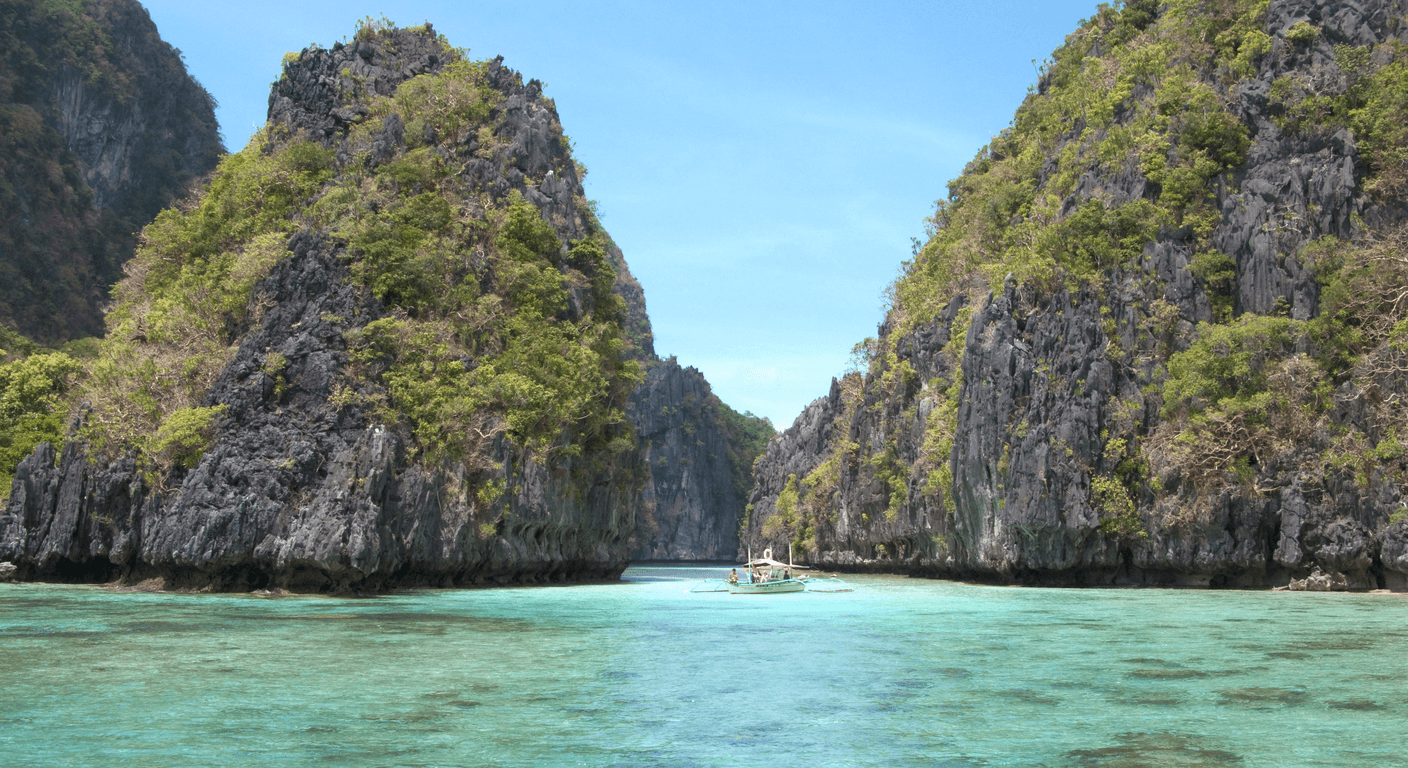
Palawan — specifically El Nido and Coron — is the destination that dominates the Instagram feed, and the lagoons and limestone karst scenery are as distinctive as the pictures suggest. But it requires more effort: domestic flights from Manila, then boat transfers, and the infrastructure in El Nido in particular can be variable. Accommodation ranges from basic to comfortable; very few properties would be described as luxurious by international standards. For a traveller who values comfort and easy access to medical care, Coron is slightly better served than El Nido. Boracay, meanwhile, is the classic beach-resort island — a long white-sand beach, a well-developed strip of restaurants and hotels, and easy domestic connections. It is the easiest of the major island destinations for a first-timer who wants convenience.
Manila itself is worth a day or two rather than being skipped entirely. Intramuros, the old walled city, is walkable at a gentle pace and historically rich. The National Museum of the Philippines on Padre Burgos Avenue has strong collections and free entry. But Manila is a large, traffic-heavy city and is not a relaxation destination. Use it as a gateway and a brief orientation, then move on to whichever island you have chosen.
The English advantage — and what it means in practice
English is one of the Philippines' two official languages and is used in schools, government, business, and daily conversation to a degree that is unusual in Southeast Asia. For an older Australian traveller — particularly one travelling solo — this is a substantial practical advantage. You can read menus, negotiate transport, ask for directions, discuss your medical needs with a doctor, and have a genuine conversation with locals without a translation app or a phrase book.
This does not mean communication is entirely frictionless everywhere. In remote rural areas or on smaller islands, English proficiency varies. But in any tourist area, any hotel, any hospital, or any domestic airport, you will be understood and will understand the response. For a solo male traveller in his late 60s navigating a new country, that removes a layer of anxiety that can accumulate quickly in destinations like rural Vietnam or rural Indonesia.
Filipinos are broadly known for being helpful and friendly towards older travellers, and that reputation is generally well-founded in tourist areas. The cultural norm of respecting elders (a concept called 'mano po' in Filipino culture) means you are likely to be treated with patience and courtesy. That said, as in any tourist destination, exercise the usual judgement around touts, unsolicited offers of help, and transport arrangements that seem too informal.
Honest realities: logistics, infrastructure and the wet season
The Philippines is not Bali. Bali is a single island with a concentrated tourist infrastructure, reliable roads, and a well-worn path that has been smoothed by decades of mass tourism. The Philippines is an archipelago where island-hopping involves domestic flights, ferry crossings, and occasional small-boat transfers. Those inter-island moves add time, cost, and physical effort. A boat transfer in choppy water is not pleasant if you have balance concerns or a bad back. Budget extra time between connections, and read the access requirements for any specific resort or activity before you commit.
Infrastructure varies significantly. A resort in Boracay or Cebu City will have reliable air conditioning, hot water, and good connectivity. A guesthouse in a smaller El Nido village may have intermittent power and patchy water pressure. Neither is necessarily a problem if you know what you are walking into; the issue is when expectations do not match reality. Read recent guest reviews on established booking platforms and look specifically for comments from older or mobility-conscious travellers.
The wet season runs roughly from June to November, though the timing and intensity vary by region — the eastern Visayas and eastern Mindanao get hit differently from Palawan or the Ilocos Coast. Typhoons are a genuine risk during this period, not a remote one. The Philippines sits in one of the world's most active typhoon belts. Travelling outside the June-to-November window significantly reduces that risk. The months from December through April are generally considered the most reliable for weather across most of the popular tourist islands, though the shoulder months of November and May can also be workable. Always check current forecasts and your travel insurance policy's typhoon and weather disruption provisions.
Indicative costs: what the Australian dollar gets you
The Philippines is generally good value for Australians, though costs have risen in popular tourist areas in recent years. As an indicative guide only — and you should confirm current prices independently — a comfortable mid-range hotel room in Cebu or Boracay might run around AUD 80–150 per night. A sit-down meal at a decent local restaurant could be anywhere from AUD 8–20 per person. Domestic flights between Manila and a major island destination like Cebu or Puerto Princesa (for Palawan) might be around AUD 60–150 each way when booked in advance, though prices fluctuate considerably.
Organised island-hopping day tours — the standard way to see the lagoons around El Nido or Coron — are typically around AUD 30–60 per person for a group tour, more for a private charter. These are indicative figures only; confirm all costs at the time of booking. Taxis and tricycles (the local motorcycle-sidecar taxis) are inexpensive by Australian standards, though agree on a fare before you get in unless the vehicle has a working meter.
Budget for travel insurance as a non-negotiable line item, not an optional extra. a thorough policy that covers medical evacuation, hospitalisation, and trip cancellation is essential. The cost of medical care for an uninsured older traveller who needs hospitalisation or evacuation can be very significant. Confirm that your policy covers pre-existing conditions if relevant, and that the Philippines is included in the coverage territory.
Health, safety and practical preparation
The Australian Government's Smartraveller advisory for the Philippines (smartraveller.gov.au/destinations/asia/philippines) should be your first and most current reference on safety. As of recent years, the advisory has flagged ongoing concerns in specific parts of the country — notably parts of Mindanao and the Sulu Archipelago — while the popular tourist destinations (Cebu, Bohol, Palawan, Boracay, Manila tourist areas) are generally considered lower risk. Read the current advisory carefully and pay attention to the distinction between regions. The Philippines is a large and varied country; a blanket safety judgement in either direction does not serve you well.
From a health perspective, consult your GP or a travel medicine clinic at least six to eight weeks before departure. Hepatitis A and typhoid vaccinations are commonly recommended for the Philippines. Dengue fever is present, so insect repellent with DEET is a practical daily habit, particularly at dawn and dusk. Tap water is not reliably safe to drink; use bottled or filtered water. Standard food safety practices apply — cooked food, reputable restaurants, and caution with raw seafood from unfamiliar vendors.
For a traveller in his late 60s managing any ongoing health conditions, it is worth knowing where the reliable hospitals are before you need them. Cebu City, Manila, and Makati (a Manila district) have internationally accredited hospitals with English-speaking staff. In smaller island destinations, medical facilities are more limited. If you have a significant health condition, choose your base island with that in mind. Carry a clear written summary of your medications, dosages, and medical history, and bring enough prescription medication to cover the full trip plus a buffer.
Quick planning guide
| Ideal pace | Slow — settle into one or two islands rather than island-hopping |
|---|---|
| Best months | December through April, outside the June–November typhoon season |
| Suggested stay | Around a fortnight |
| Mobility level | Moderate — boat and domestic flight transfers required between islands |
| Cost level | Budget-friendly for Australians, though rising in popular tourist areas |
| Comfort level | Variable — reliable in Cebu, Boracay and Manila; more basic in smaller island guesthouses |
| Best for | Over-50 and solo Australian travellers who value English-language ease and a slower pace |
| Main planning consideration | Choosing the right island(s) and managing inter-island logistics, weather timing, and comprehensive travel insurance |
Key takeaways
- Australians currently enter the Philippines visa-free for short tourist stays — but always confirm current rules at smartraveller.gov.au before booking.
- English is an official language across the Philippines, making it one of the most communication-friendly Southeast Asian destinations for older Australian travellers.
- Choosing one or two islands and travelling slowly is the approach that works best for over-50 travellers; the Philippines punishes rushed, multi-island itineraries.
- The wet season runs roughly June to November and includes genuine typhoon risk — travelling December through April is generally safer for most popular island destinations.
- Costs are generally favourable for Australians, but always confirm current indicative prices for flights, accommodation, and tours independently before budgeting.
- Travel insurance covering medical evacuation and hospitalisation is essential for the Philippines, not optional — confirm it covers your pre-existing conditions and the destination.
Recommended partners and links
Indicative prices only — always confirm with the operator before booking.
Frequently asked questions
Do Australians need a visa for the Philippines?
Australians are currently eligible for visa-free entry to the Philippines for short tourist stays, but the permitted duration and conditions can change. Always check the current requirements at smartraveller.gov.au/destinations/asia/philippines and the Philippine Bureau of Immigration website before you book, and do not rely on information that may be out of date.
Is the Philippines safe for older Australian travellers?
Safety varies significantly by region. Popular tourist destinations such as Cebu, Bohol, Palawan (El Nido and Coron), and Boracay are generally considered lower risk, while parts of Mindanao and the Sulu Archipelago carry higher warnings. The Australian Government's Smartraveller advisory at smartraveller.gov.au provides current, region-specific guidance and should be read carefully before and during any trip.
Is the Philippines or Bali easier for a first-time senior traveller?
Bali is generally easier for a first-timer. It is a single island with concentrated infrastructure, well-established tourist facilities, and a simpler logistics chain. The Philippines offers more variety and strong English-language ease, but inter-island travel involves domestic flights and ferry crossings, infrastructure quality varies more widely, and choosing the right island requires more research. Travellers who are comfortable with a bit more planning often find the Philippines very rewarding.
What is the best time of year for Australians to visit the Philippines?
December through April is generally the most reliable period across the popular tourist islands, with lower rainfall and reduced typhoon risk. The wet season runs roughly June to November, with typhoon risk real and variable by region. November and May can be workable shoulder months but carry more weather uncertainty. Always check current seasonal forecasts for your specific destination.
Which Philippine island is best for a first-time visitor over 60?
Cebu and Bohol offer the most reliable combination of good tourist infrastructure, direct flight access, English-speaking medical facilities, and varied things to do at a gentle pace. Boracay suits travellers who want a straightforward beach resort experience with easy logistics. Palawan (El Nido and Coron) is more dramatic scenically but involves more complex travel connections and variable accommodation quality — better suited to a second visit once you know what to expect.