Leslie Dam, a free freshwater reservoir about 10 kilometres west of Warwick in southern Queensland, is best visited between May and September when the heat eases and shade remains scarce year-round. Allow 30 to 45 minutes for the flat, mostly unsealed foreshore loop past the dam's landmark fish sculpture and its popular fishing spots, making it a natural half-day add-on to a Warwick visit. Mobility is easy, but there's no public transport — a car is essential for the short drive from town.
What is Leslie Dam and where exactly is it?
Leslie Dam is a freshwater reservoir on the Condamine River, constructed in the 1960s to supply water to Warwick and the surrounding agricultural districts. It sits around 10 kilometres west of the Warwick town centre along Leslie Dam Road — a straightforward drive through open grazing country that takes less than 15 minutes from the main street.
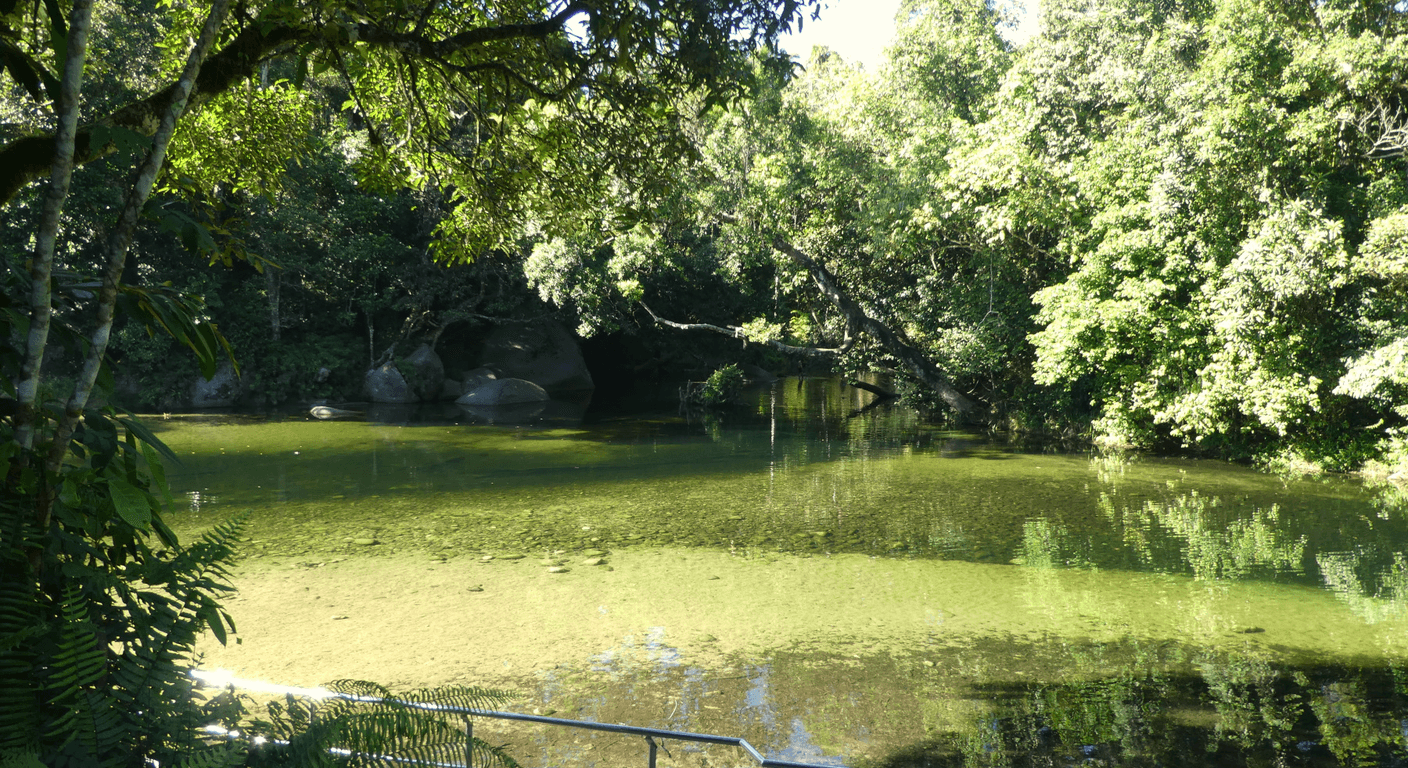
The dam wall and foreshore area are publicly accessible and free of charge. There's a small day-use area near the wall with picnic tables, a boat ramp, and basic facilities. It's not a polished tourist precinct — the appeal is in its ordinariness. Wide sky, quiet water, the occasional pelican drifting past. For a traveller who's spent the morning exploring Warwick's heritage streetscape, this is a natural exhale.
The surrounding landscape is characteristically southern Queensland: open, sun-bleached, with low scrub and scattered eucalypts. In the cooler months, the light is golden and the air clear. The dam itself holds a reasonable body of water when seasonal rainfall has been cooperative, and the foreshore path offers an easy, flat loop that doesn't demand much of anyone.
The fish sculpture — a practical photo stop
Near the foreshore, a large fish sculpture serves as the dam's most recognisable landmark. It's a solid, well-made piece — the kind of regional public art that earns its place without making a fuss about it. The sculpture references the golden perch (also called yellowbelly) that the dam is known for among Queensland anglers, and it makes a natural photo stop before or after a walk along the water's edge.
For a solo traveller, it's the sort of spot where you can ask a fellow visitor to take a photo without any awkwardness — anglers and picnicking families are generally a friendly, unhurried crowd. The sculpture is accessible from the main parking area without any significant walking required, which matters if you're timing the visit around the heat of the day.
Walking the foreshore — what to expect underfoot
The foreshore path is flat and relatively easy going, though sections are unsealed — compressed gravel and grass rather than paved surfaces. Sturdy walking shoes are sensible; sandals are fine on a dry day but less ideal after rain when the ground can soften near the water's edge. The walk is gentle enough that pace is entirely your own.
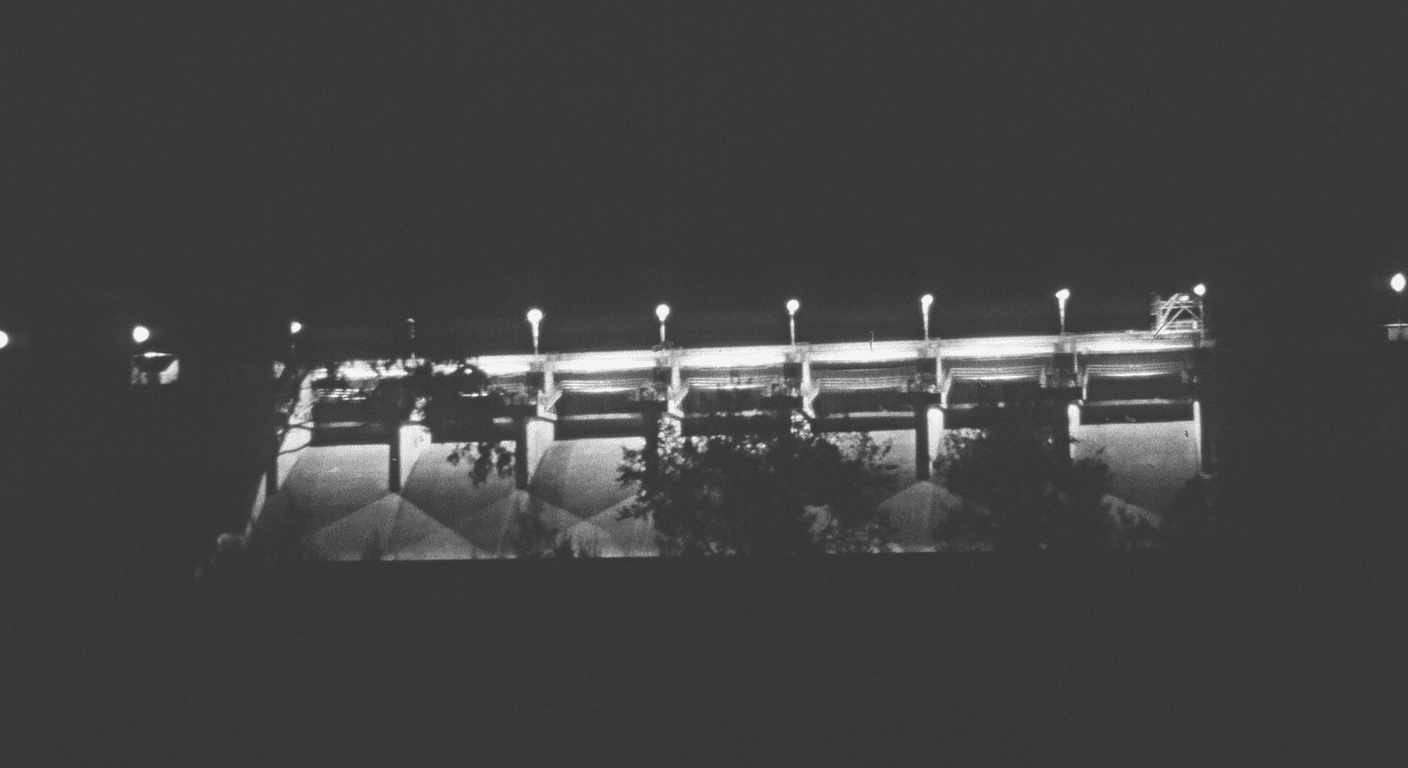
The full foreshore loop isn't long — most visitors cover it comfortably in 30 to 45 minutes, with time to pause and watch the water. There's no formal trail signage to follow, but the layout is intuitive. The dam wall itself offers a good vantage point over the reservoir, and on a calm morning the reflections on the water are quietly satisfying.
A word on shade: there's not much of it, especially near the wall and open picnic areas. In summer (December through February), the heat at Leslie Dam can be genuinely punishing by mid-morning. The sensible approach is to visit early — before 9am if you're there in warmer months — or simply save this one for the cooler season. The Granite Belt region has proper winters; a May or June visit here is a pleasure.
Fishing at Leslie Dam — watching or participating
Leslie Dam has a genuine reputation among Queensland recreational anglers. Golden perch is the main draw, along with bass and the occasional catfish. On a weekend afternoon, you'll typically find several groups casting from the bank or launching small boats from the ramp. Watching experienced anglers at work — the patience, the ritual of it — is its own quiet entertainment, even for those with no interest in picking up a rod.
If fishing is your purpose, a valid Queensland recreational fishing licence is required for anyone over 18. Sunfish Queensland (sunfish.com.au) is the place to confirm current licensing requirements and any size or bag limits that apply to the species in this water. Rules do change, so confirm before you cast. The boat ramp is functional and accessible, though it's worth checking water levels in dry periods before trailering a vessel all the way out.
For those who simply enjoy the atmosphere of a fishing spot without the gear, the bank near the wall is perfectly positioned for an afternoon with a thermos and something to read. It's the kind of place that doesn't require a plan.
Picnicking at the dam — what to bring
The picnic area near the dam wall has tables and some basic infrastructure, but this is not a destination with a café, a kiosk, or reliably stocked facilities. Everything you want to eat or drink, bring with you. That's actually part of the appeal — a self-contained picnic, laid out at your own pace, with no one trying to turn a table.
A cool bag with lunch, a proper thermos of coffee, and a folding camp chair if you prefer your own seating are the sensibles. Sunscreen and a hat are non-negotiable in Queensland, regardless of the season. A small picnic rug or a folding table adds comfort if the fixed tables are occupied by families.
Waste disposal is limited, so the old grey nomad principle applies: take your rubbish with you. The area is generally well-maintained by visitors who use it regularly, and keeping it that way is simply good form.
How Leslie Dam fits into a Warwick day trip
Leslie Dam works best as the second half of a Warwick day rather than the centrepiece. Spend the morning in town — Warwick has a compact heritage streetscape worth an unhurried wander, a decent main street for coffee and a late breakfast, and the Pringle Cottage museum (run by the National Trust) for those interested in early Queensland settler history. The town's rose gardens are a genuine pleasure in spring, typically October and November.
After lunch in Warwick, the 10-minute drive out to Leslie Dam makes a logical afternoon wind-down. You arrive when the light is softening, the anglers are settled in for the afternoon session, and there's no pressure to rush. It's the kind of stop that feels like an afterthought in the best possible sense — unplanned, quiet, and oddly satisfying.
For a traveller based in Victoria making a southern Queensland circuit, Warwick is roughly two hours south-west of Brisbane by road, or accessible via the New England Highway from the south. It's a natural overnight stop between Brisbane and Stanthorpe on the Granite Belt wine route. Adding Leslie Dam to the afternoon before dinner in town costs nothing and requires almost no planning.
Getting there and practical planning
There is no public transport to Leslie Dam. A car is essential — hire one in Warwick or Brisbane if you're not travelling in your own vehicle. The drive from Warwick town centre follows Leslie Dam Road west; the route is straightforward and sealed to the day-use area. Parking near the wall is free and generally easy to find on weekdays; busier on weekends when local families and fishing groups are out.
For those towing a caravan or driving a larger motorhome, access to the main picnic area and boat ramp is manageable, though it's worth confirming current road conditions with the Southern Downs Regional Council before visiting, particularly after heavy rain. The access road near the dam can soften in wet weather.
Warwick itself has a solid range of accommodation — motels, a caravan park, and a handful of B&Bs — at prices that are considerably gentler than Brisbane or the Gold Coast. Indicative motel rates in Warwick run around $120 to $180 per night, though confirm current pricing when booking. A one-night stay in Warwick, with Leslie Dam as the afternoon stop, is a comfortable and unhurried way to experience this part of southern Queensland.
Quick planning guide
| Ideal pace | Slow and unhurried, no fixed itinerary |
|---|---|
| Best months | May to September, cooler and more comfortable |
| Suggested stay | 30-45 minutes as an afternoon add-on to a Warwick day |
| Mobility level | Easy — flat foreshore path, though unsealed in places |
| Cost level | Free entry; only fuel and picnic supplies to budget for |
| Comfort level | Basic — bring your own food and shade, minimal facilities |
| Best for | Anglers, picnickers, and travellers rounding out a Warwick stay |
| Main planning consideration | No public transport; a car is essential, and shade is limited in summer |
Key takeaways
- Leslie Dam is free to visit and sits roughly 10 kilometres west of Warwick — a simple, no-fuss afternoon stop.
- The flat foreshore and picnic area near the dam wall are Easy mobility, with unsealed but level ground underfoot.
- The large fish sculpture near the foreshore is the dam's most photographed landmark and is accessible directly from the car park.
- Limited shade makes summer visits challenging — May to September is the most comfortable window for this exposed site.
- A valid Queensland recreational fishing licence is required for anyone over 18 who wants to cast a line; confirm current rules at sunfish.com.au.
- Leslie Dam pairs naturally with a Warwick town morning — it's a second-half-of-the-day stop, not a standalone destination.
Recommended partners and links
Indicative prices only — always confirm with the operator before booking.
Frequently asked questions
Is there an entry fee for Leslie Dam near Warwick?
No. Leslie Dam is free to visit. The day-use area, picnic tables, and foreshore walk are all publicly accessible at no charge.
Can you swim at Leslie Dam?
Leslie Dam is primarily a water supply reservoir and recreational fishing destination. Swimming is not a promoted activity at the site. Confirm any current restrictions with the Southern Downs Regional Council before visiting.
What fish can you catch at Leslie Dam?
Golden perch (yellowbelly) is the species most associated with Leslie Dam. Bass and catfish are also present. A valid Queensland recreational fishing licence is required for anyone over 18; check current bag and size limits at sunfish.com.au before fishing.
Is Leslie Dam suitable for travellers with limited mobility?
The picnic area and dam wall viewing area are flat and relatively accessible, making it suitable for most travellers with moderate mobility. Sections of the foreshore path are unsealed grass and gravel, so a walking stick or sturdy shoes are useful. The fish sculpture is accessible from the car park without a long walk.
How do you get to Leslie Dam from Warwick town centre?
Leslie Dam is approximately 10 kilometres west of Warwick along Leslie Dam Road. The drive takes around 10 to 15 minutes. There is no public transport to the dam — a car is required.