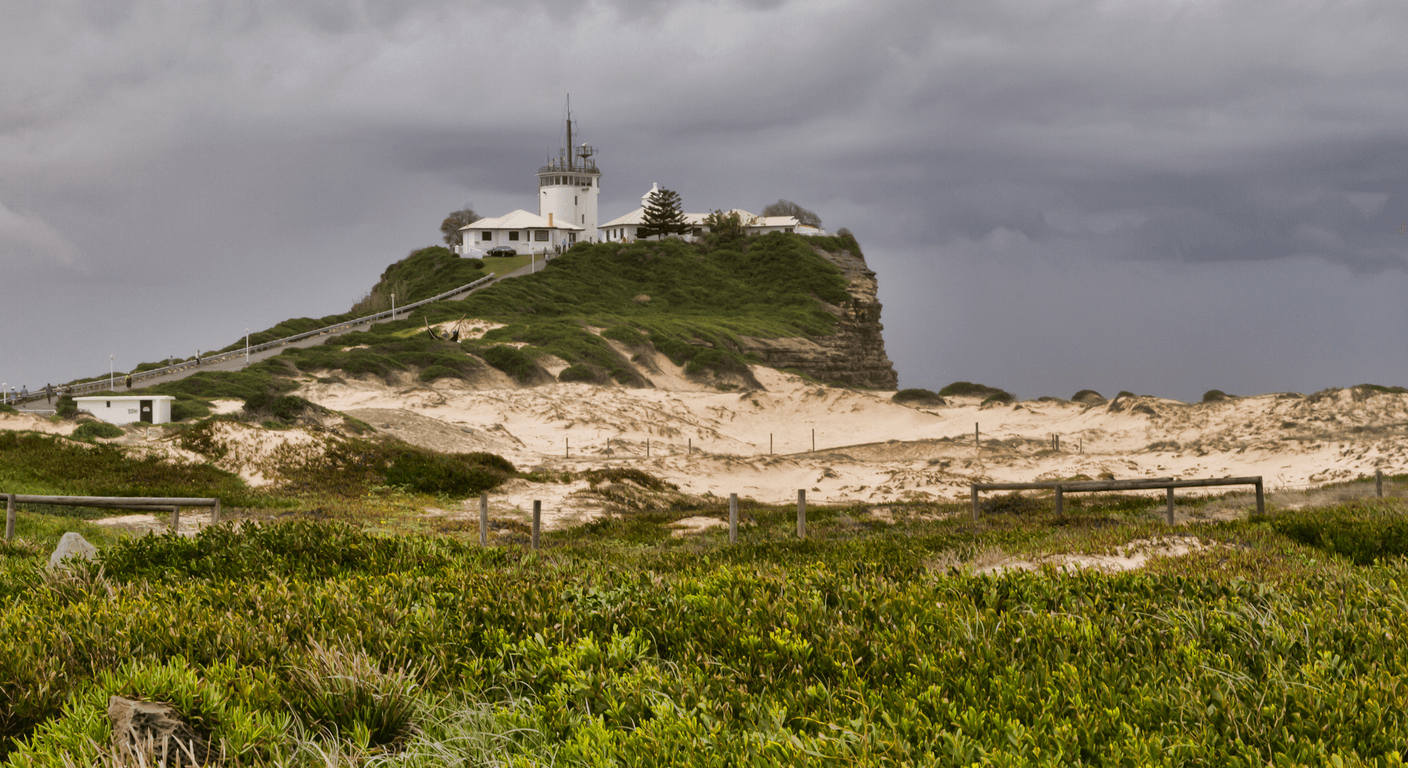
Lighthouse keepers' cottages along Australia's southern coast — at Cape Otway, Green Cape, Cape Leeuwin and Cape Bruny — suit groups of two to six wanting a slow, self-catered stay rather than a hotel break. Winter, roughly June to September, is the standout time to visit, when whale migration passes the headlands and crowds thin out. Mobility varies by site, from level access to steep stone paths, so most travellers need their own vehicle and should confirm accessibility with the relevant parks service before booking.
Why a lighthouse cottage appeals to over-50 travellers
There is something about the bones of a lighthouse keeper's cottage that suits a certain kind of traveller. The walls are thick, the history is layered, and the view — usually a sweep of ocean with nothing between you and Antarctica or the horizon — asks nothing of you except to be present. For a group of friends in their sixties who have done the resort and the city break, a lighthouse stay offers something different: days shaped by light and tide rather than a schedule.
The practical appeal is real too. Most keeper's cottages are self-contained, with a kitchen, separate bedrooms, and a living space that works well for small groups of two to four people. You cook your own meals, bring your own wine, and spend evenings playing cards or watching the beam sweep across the water. It is a genuinely social way to travel, and it keeps costs manageable when split across a group.
The accessibility picture is honest but mixed. Some cottages have been sensitively updated with modern bathrooms and level access to at least one bedroom. Others retain steep internal stairs, uneven stone paths, and no lift — because the heritage listing and the remote setting make renovation difficult. The listings below note where accessibility is a real consideration, and it is always worth contacting the parks service directly before booking if mobility is a factor for anyone in the group.
Cape Otway, Victoria — the Great Ocean Road classic
Cape Otway Lightstation sits at the southern tip of the Otway Ranges, roughly three hours from Melbourne and close enough to the Great Ocean Road to make a logical stop on a longer coastal drive. The lightstation is operated as a private tourism business and offers a range of accommodation on site, from heritage keeper's cottages to more recently built eco-retreats. The setting is extraordinary in the plainest sense: old-growth manna gum forest meets dramatic cliff-top, and koalas are frequently spotted in the trees along the access road.
The keeper's cottages at Cape Otway are among the more comfortable lighthouse accommodation options in Australia. They are self-contained, have been updated with modern kitchens and bathrooms, and sleep between two and six people depending on the configuration. Indicative nightly rates sit somewhere in the low to mid hundreds of dollars when split across a group, but you should confirm current pricing directly with the lightstation, as rates vary by season and cottage type. The site also runs guided tours of the lighthouse tower, which involves a manageable but definite stair climb — worth knowing before you commit.
Winter is genuinely worth considering here. Southern right whales and humpbacks move through the Bass Strait from around June to September, and spotting them from the cape headland on a clear winter morning, thermos in hand, is one of those low-key travel experiences that tends to stay with people. The Otway Ranges are also lush and green in winter, the tourist crowds thin out noticeably, and the sense of having the place to yourselves is part of the reward.
Green Cape, New South Wales — the wild south coast option
Green Cape Lighthouse sits inside Ben Boyd National Park on the far south coast of NSW, about an hour south of Eden and a long day's drive from Sydney or Canberra. It is one of the most remote lighthouse accommodation options on the east coast, and that remoteness is the point. The surrounding park is largely undeveloped, the beaches are empty, and the nearest town of any size is Eden — which, as it happens, is also one of the better whale-watching spots in Australia during the migration season from around May to November.
NSW National Parks manages the keeper's cottages at Green Cape, and booking goes through their accommodation portal. There are two cottages available, each sleeping up to six people, and they are genuinely self-contained — you bring your own food and linen, the cottages have kitchens and bathrooms, and there is no Wi-Fi or reliable mobile coverage. That last point is worth taking seriously: make sure everyone in the group is comfortable with being genuinely off-grid for a few days, and plan your provisions accordingly.
The access road into Green Cape is sealed but narrow, and the last section requires some care. A standard car manages it fine in dry conditions, but it is worth checking conditions with the park if you are visiting after heavy rain. The cottages themselves are on relatively level ground, but the wider site involves grassy headland paths that can be uneven. The lighthouse tower is heritage-listed and not open for internal access, but the exterior and the surrounding landscape are the real draw here.
Cape Leeuwin, Western Australia — where two oceans meet
Cape Leeuwin is the south-westernmost point of mainland Australia, the place where the Southern Ocean and the Indian Ocean officially meet, and the site of one of the tallest lighthouses on the Australian coast. It sits near Augusta in WA's Margaret River region — a part of the world that many over-50 travellers know well from wine touring, but that rewards a slower, more coastal approach. The lighthouse itself is managed by the Department of Biodiversity, Conservation and Attractions (DBCA), and guided tours of the tower run regularly.
Accommodation options at Cape Leeuwin are more limited than at some other lighthouse sites — this is worth confirming directly with DBCA or the Augusta Margaret River Tourism Association, as the accommodation picture can change. What is consistent is the experience of the cape itself: the wind is relentless, the views are vast, and the sense of standing at the edge of the continent is palpable in a way that photographs do not quite capture. For a group used to the windswept coasts of southern Victoria, it will feel familiar and still somehow grander.
The Margaret River region adds considerable depth to a Cape Leeuwin stay. You can base yourselves in the broader area, combine a lighthouse visit with cave tours, coastal walks, and cellar door visits, and structure the trip to suit different energy levels across the group. The region is well set up for older travellers, with good road access, a reasonable range of accommodation, and enough to do that no one feels they need to rush.
Cape Bruny, Tasmania — the lighthouse at the bottom of the world
Bruny Island sits off the south-east coast of Tasmania, reached by a short vehicle ferry from Kettering, south of Hobart. The island's southern end, known as South Bruny, is home to Cape Bruny Lighthouse — one of the oldest lighthouses in Australia, built in 1838 and still operational. The surrounding South Bruny National Park is managed by Parks Tasmania, and the lighthouse precinct has a particular quality of stillness and age that is different from anywhere else on this list.
The accommodation situation at Cape Bruny requires some research at the time of planning, as the mix of Parks Tasmania managed cottages and private operators in the broader Bruny Island area changes periodically. The island has a small but growing accommodation sector, and staying on Bruny for several nights — rather than doing a day trip — is the way to properly experience the cape. Evenings on the island, when the day-trippers have gone back on the ferry, have a quietness that is genuinely restorative.
Getting to Bruny Island requires planning. The Kettering ferry is a short crossing, but you need to book vehicle spaces in advance, particularly in school holidays and the summer peak. For a group travelling in a single vehicle, this is straightforward; for anyone without a car, private tours from Hobart do visit the island, though they are typically day trips rather than overnight stays. The island's roads are mostly unsealed outside the main settlement, and some sections to the cape itself can be rough — a higher-clearance vehicle is useful, though not always essential in dry conditions.
How bookings work — and what to expect when you arrive
Most lighthouse keeper's cottages in Australia are booked through the relevant state parks service — Parks Victoria, NSW National Parks, Parks Tasmania, or DBCA in WA. Each has an online accommodation portal, and availability is typically released several months in advance. The process is generally straightforward, but lighthouse cottages are not plentiful, and the combination of a specific location and a specific date window means you may need to be flexible. Setting a date alert or checking regularly in the weeks after availability opens is a practical approach.
When you arrive, expect a self-contained but genuinely basic setup. 'Self-contained' in this context usually means a kitchen with a stove and basic cookware, a bathroom, bedding, and not much else. Bring your own food for the full stay, including breakfast supplies and snacks, as the nearest shop may be 30 to 60 minutes away. Most sites have no Wi-Fi and patchy to no mobile reception — check the specific site before you go, and make sure someone at home has your itinerary and knows when to expect contact.
Firewood, if there is a fireplace, may be supplied or available to purchase on site — confirm this when booking. Most cottages do not have air conditioning, which is rarely a problem at southern coastal locations but worth knowing. Heating is usually electric or via wood fire. The wind at all of these sites is real and consistent; it is part of the experience, but it means a good weatherproof layer is essential even in summer, and anyone with respiratory sensitivity to cold air should plan accordingly.
Winter whale season — the best kept timing secret
There is a persistent assumption that coastal travel in Australia is a summer activity. For lighthouse stays along the southern coast, winter is arguably the more rewarding season. The whale migration runs from roughly May through to November, peaking in the June to September window for southern right whales and humpbacks along the Victorian, NSW, and WA coasts. From a lighthouse headland, you are watching from exactly the right vantage point — elevated, unobstructed, and often completely alone.
Winter also brings lower nightly rates at some sites, significantly thinner crowds, and a quality of light on the Southern Ocean that is different from summer — lower, more angled, and genuinely dramatic without requiring any hyperbole to describe. For a group that does not need beach weather and is comfortable with the idea of layering up and spending evenings inside with good food and conversation, mid-year is simply the right time to do this trip.
There are honest trade-offs. Winter days are shorter, some access roads can become difficult after sustained rain, and a few sites have limited or no ranger presence out of peak season. The ferry crossings to Bruny Island operate year-round but can be affected by weather. None of these are reasons to avoid winter — they are reasons to plan carefully, check conditions before departure, and build flexibility into the itinerary so that a rough-weather day becomes a cottage day rather than a source of stress.
Quick planning guide
| Ideal pace | Slow-paced, self-catered stay of several days per site |
|---|---|
| Best months | June to September, for whale migration and thinner crowds |
| Suggested stay | Several nights per lighthouse rather than a day trip |
| Mobility level | Moderate — some cottages have level access, others have stairs and uneven paths |
| Cost level | Budget-to-moderate, better value when split across a group |
| Comfort level | Basic but self-contained; no Wi-Fi and limited mobile reception |
| Best for | Small groups of friends who enjoy remote, hands-on coastal stays |
| Main planning consideration | Book through the relevant state parks portal months ahead and confirm accessibility and access-road conditions directly with the operator |
Key takeaways
- Lighthouse keeper's cottages around Australia are booked through state parks services — availability is limited, so planning ahead by several months is practical.
- Indicative nightly rates for self-contained cottages start from around the low-to-mid hundreds of dollars, making them good value when split across a group of three or four.
- Winter whale season from roughly June to September is an underrated time to visit southern lighthouse sites, with fewer crowds and genuine wildlife reward.
- All sites are genuinely remote — expect no Wi-Fi, limited mobile coverage, and a requirement to bring your own food for the full stay.
- Accessibility varies significantly between sites; anyone with mobility considerations should contact the parks service directly before booking rather than relying on general descriptions.
- Cape Otway, Green Cape, Cape Leeuwin, and Cape Bruny each offer a distinct coastal character — together they make a compelling case for a dedicated lighthouse tour of the Australian coast over several trips.
Recommended partners and links
Indicative prices only — always confirm with the operator before booking.
Frequently asked questions
How do you book a lighthouse keeper's cottage in Australia?
Most lighthouse keeper's cottages are booked directly through the relevant state parks service — Parks Victoria at parks.vic.gov.au, NSW National Parks at nationalparks.nsw.gov.au, Parks Tasmania at parks.tas.gov.au, or DBCA in Western Australia at dbca.wa.gov.au. Each has an online accommodation portal. Availability is limited and can open several months in advance, so checking early and being flexible with dates is a practical approach.
How much does it cost to stay in a lighthouse keeper's cottage in Australia?
Indicative nightly rates for self-contained lighthouse cottages generally start from around $200 per night and can go higher depending on the site, season, and cottage size. Costs are best confirmed directly with the relevant parks service at the time of booking, as pricing is updated regularly and varies between locations.
Are lighthouse cottages accessible for older travellers or people with limited mobility?
Accessibility varies considerably between sites. Some cottages have been updated with level access and modern bathrooms, while others retain steep internal stairs and uneven heritage paths. It is strongly recommended to contact the specific parks service before booking to ask about step-free access, bathroom configuration, and path conditions at the particular site you are considering.
When is the best time of year to stay in a lighthouse on the southern Australian coast?
Winter — roughly June to September — is an excellent time for lighthouse stays on the southern coast. The southern right whale and humpback migration is active during this period, crowds are significantly thinner than in summer, and indicative nightly rates at some sites are lower. Days are shorter and weather can be cold and wet, so good weatherproof gear and flexible itinerary planning are important.
What should you bring to a lighthouse keeper's cottage stay?
Most lighthouse cottages are self-contained but basic. Bring all your food and drinks for the full stay, as the nearest shop may be 30 to 60 minutes away. Pack weatherproof and warm layers regardless of season, your own toiletries, and any medications you need. Do not rely on mobile coverage or Wi-Fi — most sites have limited or no connectivity. Confirm whether linen and towels are supplied when you book, as this varies between sites.