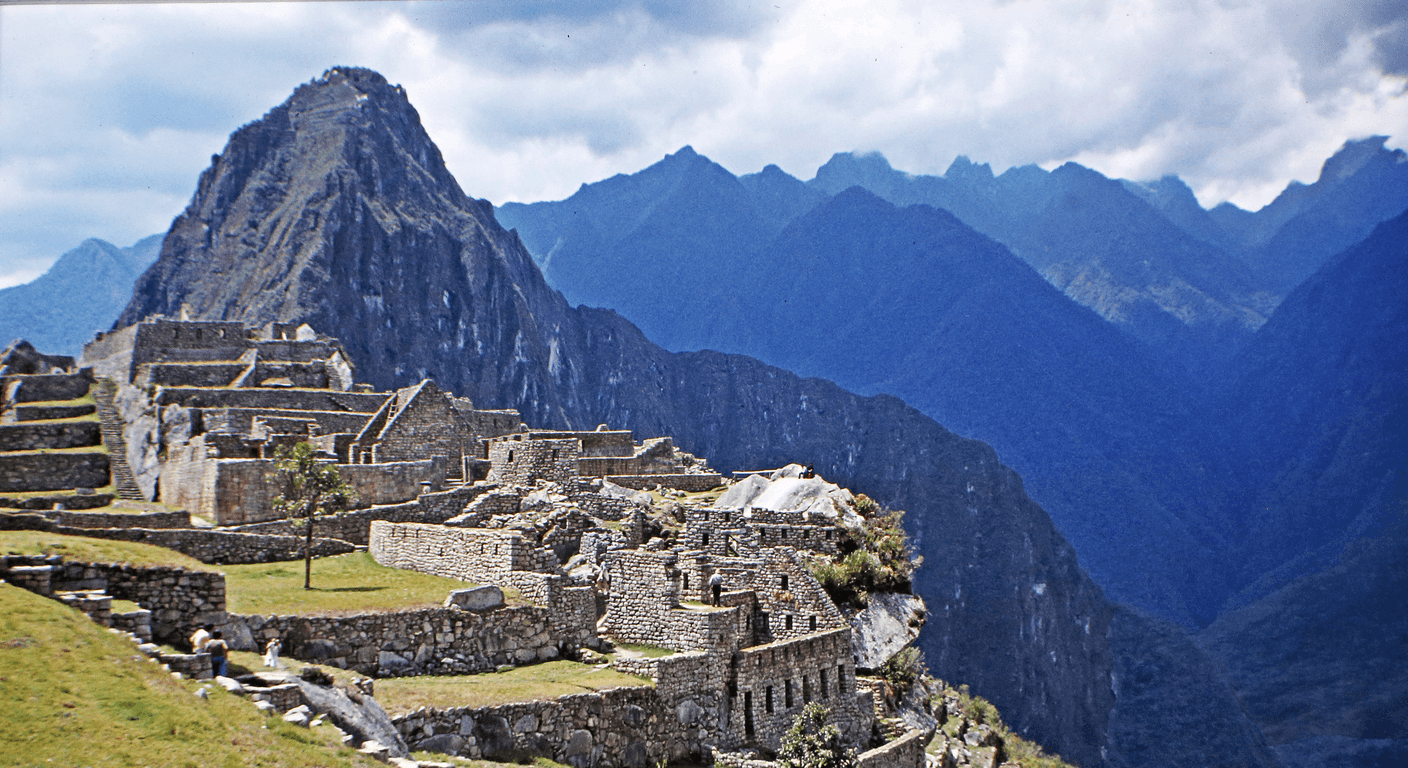
Machu Picchu suits travellers over 50 who acclimatise properly, ideally visiting during the drier months of May to September. The defining highlight is reaching the ruins by comfortable train rather than trekking, after two to three nights adjusting to altitude in the Sacred Valley (Urubamba or Ollantaytambo) before Cusco. Mobility on site is moderate — uneven stone paths, steps and steep sections with no lifts — and access is via train from Ollantaytambo plus a short bus up to the entrance gate.
Why altitude is the real planning variable — not fitness
Most people who struggle at altitude in Peru are not unfit. They are simply unacclimatised. Altitude sickness — known medically as acute mountain sickness (AMS) — is a physiological response to reduced oxygen levels, and it can affect a 40-year-old marathon runner just as readily as a 69-year-old who walks the Tan Track in Melbourne. Age alone does not predict susceptibility, which is both reassuring and worth taking seriously.
What matters is how quickly you ascend and how much time you give your body to adjust. The common mistake Australian travellers make is flying into Cusco — which sits at around 3,400 metres above sea level — and trying to sightsee the same afternoon. Cusco is actually higher than Machu Picchu itself, which sits at roughly 2,430 metres. That single fact changes everything about how you should plan the trip.
Symptoms of AMS include headache, nausea, fatigue, dizziness, and disrupted sleep. In most cases they are unpleasant but manageable with rest, hydration, and time. In a small number of cases, particularly if a person ascends further despite symptoms, AMS can progress to more serious conditions. Understanding this spectrum before you travel — not when you are already lightheaded in a Cusco hotel room — is the whole point of reading a guide like this one.
Talk to your GP before you book anything
A conversation with your GP is not optional for this trip if you are over 50 and have any cardiovascular, respiratory, or blood pressure history. That includes conditions that feel well-managed at sea level — high blood pressure, atrial fibrillation, COPD, sleep apnoea, and diabetes all warrant a specific altitude discussion. Your GP can also discuss acetazolamide (Diamox), a prescription medication that can help the body acclimatise more efficiently and is commonly used by travellers to altitude destinations.
Be specific with your GP about the elevations involved: Cusco at roughly 3,400 metres, the Sacred Valley towns of Urubamba and Ollantaytambo at roughly 2,800 metres, and Machu Picchu itself at roughly 2,430 metres. This is not a Himalayan expedition, but it is meaningfully higher than anywhere in Australia, and your GP needs the actual numbers to give you useful advice. Bring a written summary of your medications, as some common drugs — including certain diuretics and sedatives — can interact poorly with altitude.
Travel insurance that covers medical evacuation is essential, not a nice-to-have. Standard policies sometimes exclude altitude-related illness or have specific conditions around pre-existing health. Read the product disclosure statement carefully and call the insurer directly to confirm what is and is not covered at these elevations. The Australian Government's Smartraveller website at smartraveller.gov.au is the right place to check current entry requirements, visa conditions, and any health advisories for Peru before you commit to any bookings.
The smarter route: why the Sacred Valley changes everything
The single best planning decision for any over-50 traveller doing Machu Picchu is to sleep in the Sacred Valley before going to Cusco — not after. The valley towns of Urubamba, Pisac, and Ollantaytambo all sit at roughly 2,800 metres, which gives your body a gentler introduction to altitude than arriving directly in Cusco. Two or three nights in the valley, doing very little strenuous activity, allows your red blood cell production to begin adjusting before you face higher elevations.
From the valley, you take the train to Aguas Calientes (also called Machu Picchu Pueblo), the town at the base of the site, which sits at roughly 2,040 metres — lower still. You spend a night or two there, visit the ruins, and only then head up to Cusco at the end of your trip rather than the beginning. This reverses the conventional tourist itinerary and it works considerably better for people who want to actually enjoy the experience rather than spend two days in bed with a headache.
Aguas Calientes itself has a good range of accommodation, from simple guesthouses to mid-range hotels, and the town is compact and walkable on flat ground along the river. It is worth noting that the town floods periodically during the wet season (roughly November through March), so timing your visit for the drier months of May through September is generally more reliable, though this period also attracts the most visitors. Confirm current conditions at peru.travel closer to your departure date.
Getting there without trekking: train options for the over-50 traveller
The Inca Trail is the route most people picture when they think of Machu Picchu, but it is a four-day, high-altitude trek requiring a permit booked months in advance, significant physical conditioning, and camping at elevations above 4,000 metres. For the vast majority of travellers over 50 — and frankly for many younger travellers — the train is not a compromise. It is the sensible, comfortable, and scenically rewarding way to get there.
Two main operators run train services from Ollantaytambo and Poroy (near Cusco) to Aguas Calientes: Peru Rail and Inca Rail. Both offer different service tiers, from standard to premium, with the higher-end carriages featuring panoramic windows that make the journey through the cloud forest genuinely worthwhile. Journey time from Ollantaytambo to Aguas Calientes is roughly 90 minutes to two hours depending on the service. Booking in advance through the official websites — perurail.com and incarail.com — is strongly recommended, especially in peak season.
Indicative train fares vary considerably by service class and season, running roughly AUD 70 to 220 one way based on current exchange rates — treat these figures as a planning guide only and confirm current pricing at the time of booking. From Aguas Calientes, a bus service operates the winding road up to the Machu Picchu entrance gate. The bus ride takes around 20–25 minutes and is the only motorised option; the alternative is a steep walking path that most visitors find demanding after a full day of sightseeing.
Timed entry tickets, circuits, and what to expect on site
Machu Picchu operates a timed-entry permit system managed by Peru's Ministry of Culture, with a daily visitor cap and multiple circuits that direct foot traffic around different sections of the site. The system has been refined over recent years and continues to change; what was true in 2023 may not reflect 2026 arrangements. The official ticket portal is machupicchu.gob.pe, and this is the only place you should purchase entry tickets directly. Third-party resellers exist but come with additional risk and cost.
Tickets are sold by circuit, time slot, and in some cases whether you want to include the Sun Gate, Huayna Picchu mountain, or Machu Picchu mountain. Huayna Picchu involves a very steep, narrow climb with chains for handholds and is not appropriate for most travellers over 50 with any joint, balance, or cardiovascular concerns — it is genuinely exposed. The main site circuits are far more manageable, though the terrain throughout is uneven stone paving, steps of varying heights, and occasionally steep gradients. Good walking shoes with ankle support are not optional.
Indicative entry costs in 2025 were running at roughly AUD 80 to 130 depending on the circuit and whether a bus ticket is included — these are approximate figures only, subject to exchange rate movements and any fee changes by Peruvian authorities, so confirm current pricing before booking. Guided tours are worth considering for a first visit; a knowledgeable guide manages the pacing, explains the context, and can help you you work through the circuits without backtracking unnecessarily. Mobility note: the site is entirely open-air on steep terrain and there are no escalators, lifts, or paved smooth surfaces. If you use a walking stick, bring one with a rubber tip. If you use a mobility aid, contact the site administration directly before booking to understand current accessibility provisions.
Pacing yourself on the day: practical tips for over-50 visitors
An early entry slot — the first time block of the day — is generally preferable for older travellers. The site is cooler, less crowded, and the light is better for photographs. By mid-morning the tour groups from Cusco begin arriving and the main terraces become considerably busier. An early start also means you can take things at your own pace without feeling pushed along by the crowd behind you.
Hydration at altitude deserves more attention than most people give it. The reduced humidity and increased respiratory effort at altitude means you dehydrate faster than you realise, and dehydration worsens AMS symptoms. Carry at least 1.5 litres of water into the site; there are limited points to refill. Coca tea, widely available throughout the region, is a traditional remedy for mild altitude symptoms and is legal within Peru — it does not have the pharmacological effect of processed cocaine and is simply a mild herbal stimulant, but it is worth knowing that coca leaf products cannot be brought back to Australia.
Plan to spend no more than two to three hours on site on your first visit if you have any altitude-related fatigue. The site is substantial and it is easy to overdo it. There is a cafeteria and rest area at the entrance complex. Sitting down, eating something, and taking stock of how you feel is a perfectly reasonable thing to do midway through. The ruins will not move. The goal is to feel well enough to remember the experience with pleasure.
Costs, currency, and what to budget as an Australian traveller
Peru uses the sol (PEN) and while US dollars are widely accepted in tourist areas, you will generally get a better rate paying in local currency. Australian dollars are not commonly exchanged outside Lima, so plan to carry USD or use a travel card that converts to PEN. Exchange rates fluctuate and any AUD cost estimates in this guide should be treated as indicative planning figures only — confirm current exchange rates and prices at the time of booking and travel.
A rough indicative budget for the Machu Picchu component of a Peru trip — covering the train both ways from Ollantaytambo, entry ticket, bus to the gate, and one night's mid-range accommodation in Aguas Calientes — might run somewhere in the range of AUD 400 to 700 per person depending on service class and season. This does not include the Sacred Valley accommodation nights, internal flights within Peru, or Cusco costs. Peru is not an inexpensive destination by Southeast Asian standards, but it is generally more affordable than Western Europe for comparable experiences.
Travel insurance, as noted earlier, is a non-negotiable cost for this trip. For Australians, the Australian Government's Smartraveller service at smartraveller.gov.au provides current visa requirements, health advisories, and safety information for Peru. At the time of writing, Australian passport holders can enter Peru as tourists without a visa for stays up to 90 days, but entry requirements can change and you should verify this before booking flights. Register your travel plans with Smartraveller so that consular assistance is easier to arrange if needed.
Quick planning guide
| Ideal pace | Slow, gradual ascent with acclimatisation nights built in |
|---|---|
| Best months | May to September (drier, though busier) |
| Suggested stay | 2-3 nights in the Sacred Valley, then 1-2 nights near Machu Picchu before Cusco |
| Mobility level | Moderate — uneven stone paths, steps and steep gradients, no lifts or escalators |
| Cost level | Mid-range, roughly AUD 400-700 per person for the Machu Picchu component |
| Comfort level | Comfortable with planning — scenic train travel and guesthouse-to-mid-range accommodation |
| Best for | Over-50 travellers willing to acclimatise properly rather than trek |
| Main planning consideration | Altitude sequencing — sleep in the Sacred Valley before Cusco, and get GP clearance if you have cardiovascular or respiratory history |
Key takeaways
- Cusco sits at roughly 3,400 metres — higher than Machu Picchu — so sleeping in the Sacred Valley first is the single most effective acclimatisation strategy.
- Altitude sickness is not related to fitness; a GP conversation before booking is essential for any over-50 traveller with cardiovascular or respiratory history.
- The train from Ollantaytambo to Aguas Calientes is not a compromise — it is a comfortable, scenic, and practical alternative to trekking for most travellers over 50.
- Machu Picchu operates a timed-entry permit system with daily caps; book tickets directly through machupicchu.gob.pe and confirm current arrangements before travel.
- The site terrain is uneven stone paving and steps throughout — good ankle-support footwear is essential, and the mountain climbs (Huayna Picchu, Machu Picchu mountain) are not appropriate for most older travellers.
- Check smartraveller.gov.au for current Peru entry rules, visa conditions, and health advisories before committing to any bookings.
Recommended partners and links
Indicative prices only — always confirm with the operator before booking.
Frequently asked questions
Is Machu Picchu safe to visit for Australians over 60 with high blood pressure?
Many travellers over 60 with well-managed high blood pressure visit Machu Picchu without serious problems, but it requires specific preparation. Machu Picchu itself sits at roughly 2,430 metres — a moderate altitude — but the surrounding region, including Cusco at 3,400 metres, is significantly higher. You should discuss your specific medications and condition with your GP before booking, ask about acetazolamide (Diamox) as a preventive measure, and plan an acclimatisation route through the lower Sacred Valley before ascending to Cusco.
Do you need to do the Inca Trail to visit Machu Picchu?
No. The train is the standard way most visitors reach Machu Picchu and it involves no trekking at all. Two operators — Peru Rail (perurail.com) and Inca Rail (incarail.com) — run regular services from Ollantaytambo and Poroy to Aguas Calientes, the town at the base of the site. The journey takes roughly 90 minutes to two hours from Ollantaytambo and the panoramic carriages make it a highlight in its own right.
What are the symptoms of altitude sickness and when should you be concerned?
Common symptoms of acute mountain sickness (AMS) include headache, nausea, fatigue, dizziness, loss of appetite, and disturbed sleep. These typically appear within 6 to 12 hours of arriving at altitude and improve with rest and hydration. You should seek medical attention promptly if symptoms include confusion, inability to walk in a straight line, severe breathlessness at rest, or a persistent cough producing pink frothy sputum — these can indicate more serious conditions requiring descent and medical intervention.
How far in advance do you need to book Machu Picchu entry tickets?
During peak season (May through September), entry permits can sell out weeks or months in advance. Booking three to four months ahead is a reasonable target for peak travel dates. Tickets are sold through the official portal at machupicchu.gob.pe by circuit, time slot, and optional add-ons such as the Sun Gate. Avoid third-party resellers where possible and confirm the current booking system before travel, as arrangements continue to be updated by Peruvian authorities.
Do Australians need a visa to visit Peru?
At the time of writing, Australian passport holders can enter Peru as tourists for stays of up to 90 days without a visa. However, entry requirements can change, and you should verify current rules at smartraveller.gov.au and the official Peruvian government sources before booking flights. It is also advisable to register your travel plans with Smartraveller so that consular assistance is more straightforward if needed.