The Pak Ou Caves sit 25 kilometres upstream from Luang Prabang, reached by a 90-minute riverboat ride for a half-day outing. October to April offers the driest, calmest conditions. The highlight is thousands of Buddha images filling two cave chambers, Tham Ting and Tham Theung. Mobility is moderate, with uneven, dim cave steps, and access means a long-haul flight via Bangkok, Hanoi or Ho Chi Minh City, then a short riverboat trip from Luang Prabang.
Why This Excursion Works So Well for Travellers Over 50
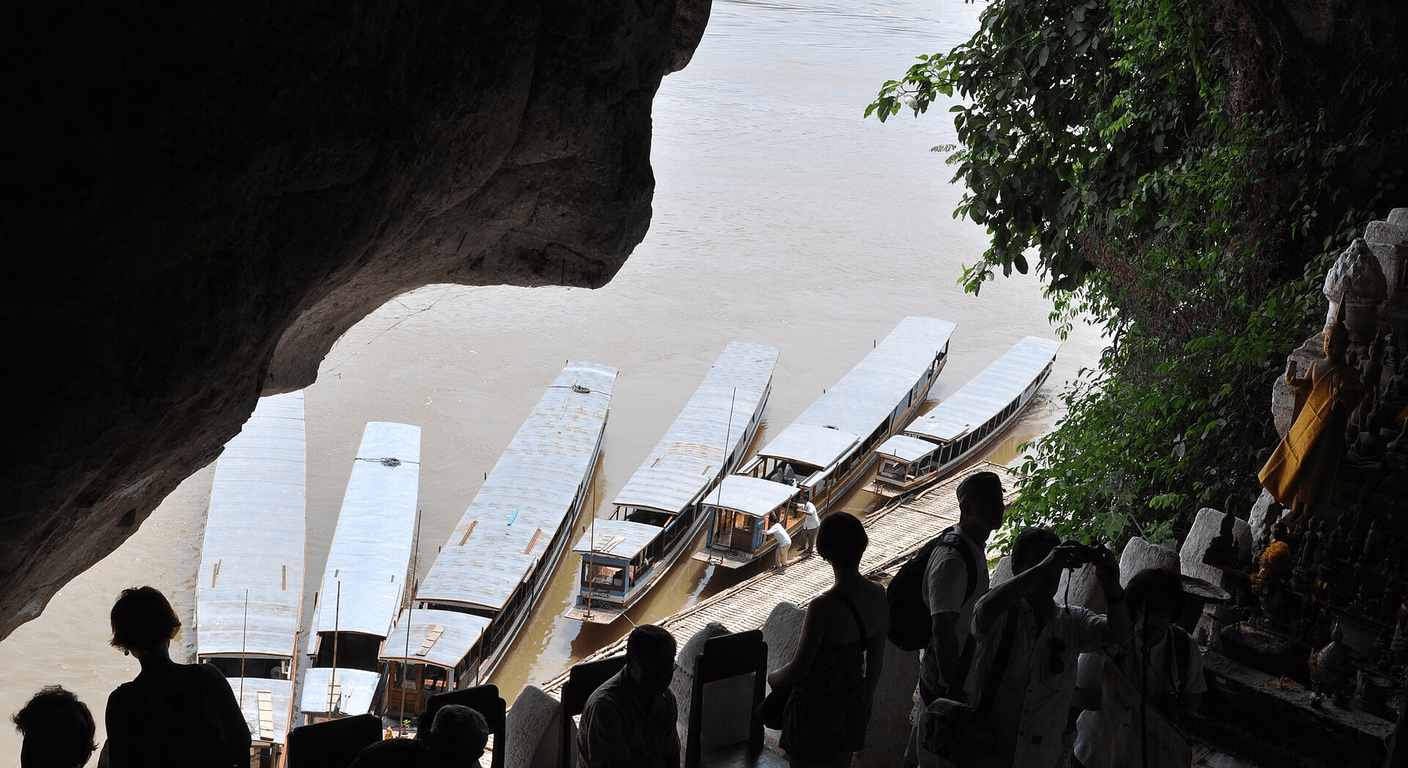
The two-day slow boat from Huay Xai to Luang Prabang is a rite of passage for younger backpackers, and genuinely beautiful — but eight or nine hours on a bench seat, two days running, is a different calculation when you factor in a long-haul flight from Melbourne or Sydney that's already taken the better part of a day. The Pak Ou half-day cruise is the alternative that doesn't ask you to prove anything. You board a riverboat at the Luang Prabang waterfront in the cool of the morning, settle in for roughly 90 minutes upstream, and arrive at one of the most quietly arresting religious sites in the region.
The pacing is genuinely civilised. Most tour boats carry between eight and twenty passengers, have shaded seating and some form of river breeze, and stop at a weaving village — Ban Xang Hai — on the way. That stop alone, watching silk being worked on traditional looms and deciding whether a small cup of lao-lao rice whisky at 10am is culturally participatory or just cheerful, is worth the morning. Back in Luang Prabang by early afternoon, you've still got time for a nap before the night market.
Getting to Luang Prabang From Australia — the Honest Picture
There's no non-stop service from Australia to Laos. From Melbourne, Sydney, or Brisbane, the most common routing goes via Bangkok (with Thai Airways, Bangkok Airways, or Lao Airlines connecting onward), or via Hanoi or Ho Chi Minh City. Total journey time is typically 14 to 20 hours including the stopover, depending on connection timing. Luang Prabang International Airport is small but functional, and the town centre is a short drive from arrivals.
A recovery night on arrival is not optional — it's sensible. Luang Prabang's guesthouses and boutique hotels are genuinely lovely, and the town is compact enough to walk at a gentle pace once you've rested. The jet lag differential from Victoria is around three hours behind local time (UTC+7), which most travellers find easier to adjust to than the long-haul flights back from Europe. Build at least three nights in Luang Prabang before the cave excursion so the river is a pleasure, not an effort.
Confirm current visa arrangements for Australian passport holders at smartraveller.gov.au and directly with the Lao Embassy in Canberra before booking. Laos has offered an e-visa system for Australians, but conditions, fees, and validity periods can change. Travel insurance that covers pre-existing medical conditions is essential — standard policies often exclude them, so read the fine print carefully and declare everything.
What to Expect on the Riverboat
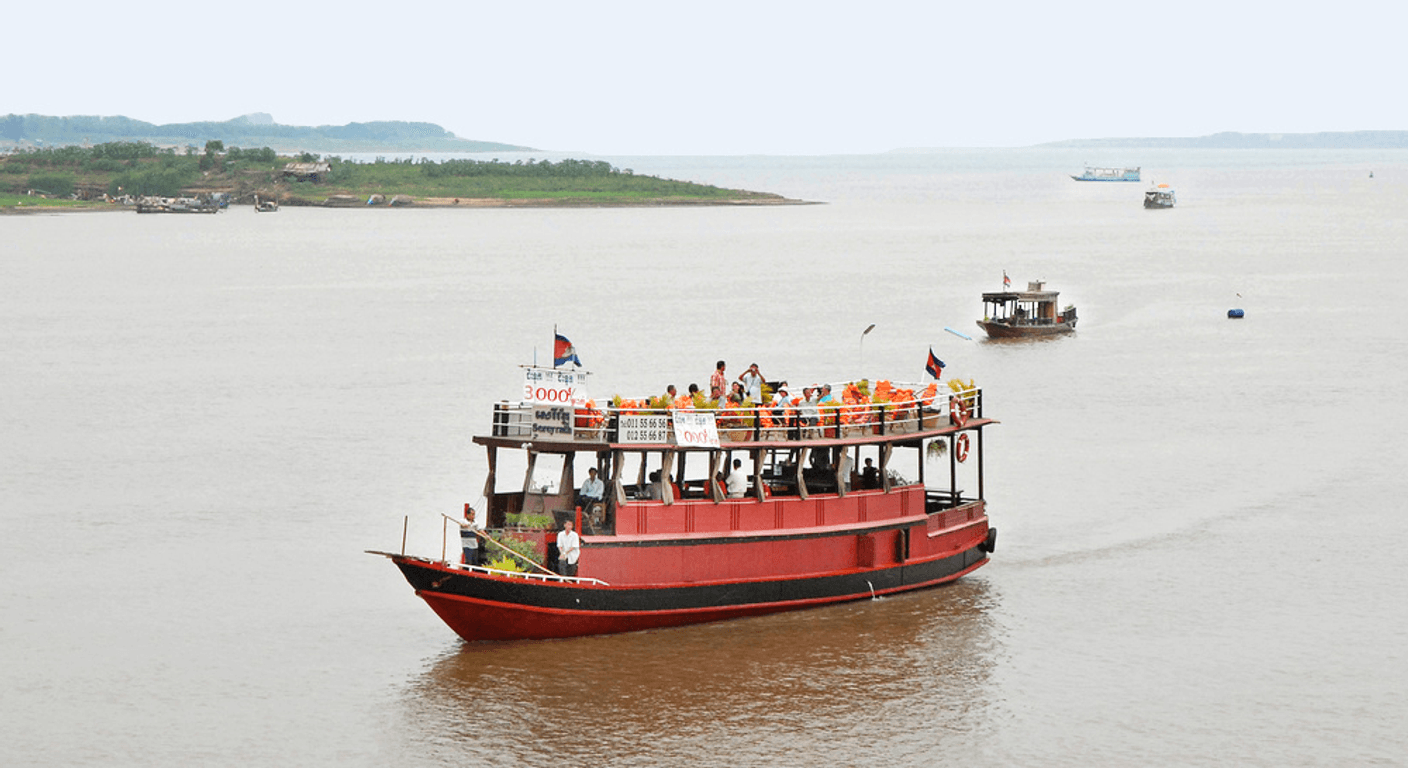
Luang Prabang's tour boat operators range from basic wooden longboats with plastic chairs to more comfortable covered vessels with padded seating, small tables, and a cooler of water and soft drinks. For travellers with any concern about back support or balance on the water, it's worth asking the operator specifically about seating before you commit. A good travel agent familiar with the region can help here, or check recent reviews on established travel forums.
The Mekong at this stretch is wide, calm in the dry season, and the colour of milky tea — nothing alarming, but it's worth knowing the river can run fast and murky during the wet months (May through September), when some operators adjust their schedules or routes. The October to April window is the sweet spot: the water level has dropped from its monsoon peak, the air is drier, and the light on the limestone karst hills along the bank is as good as it gets.
Bring sunscreen, a hat, and a light layer for the shaded boat interior, which can feel cool with river air moving through. Flat-soled shoes with grip are sensible — both for boarding the boat from a low riverbank and for the cave steps ahead.
The Village Stop: Ban Xang Hai and the Lao-Lao Question
Most half-day tours include a stop at Ban Xang Hai, a riverside village historically known for producing lao-lao — a clear, potent rice spirit distilled in large clay pots that you'll see lined up near the landing. The village also produces rice wine, and in recent years has expanded its offerings to include woven textiles and local handicrafts. It's a gentle 20 to 30 minutes ashore.
The weaving is worth pausing for properly. Women working backstrap looms produce silk and cotton fabric in traditional Lao patterns — the technique is unhurried, intricate, and genuinely absorbing to watch. Small scarves and table runners make considered gifts that are easy to carry home. The lao-lao is offered in small cups as a tasting; nobody is pressured, and a polite decline is perfectly accepted. For those who do try it: it's strong, sweet-edged, and unmistakably local.
Inside the Pak Ou Caves — Honest Access Notes
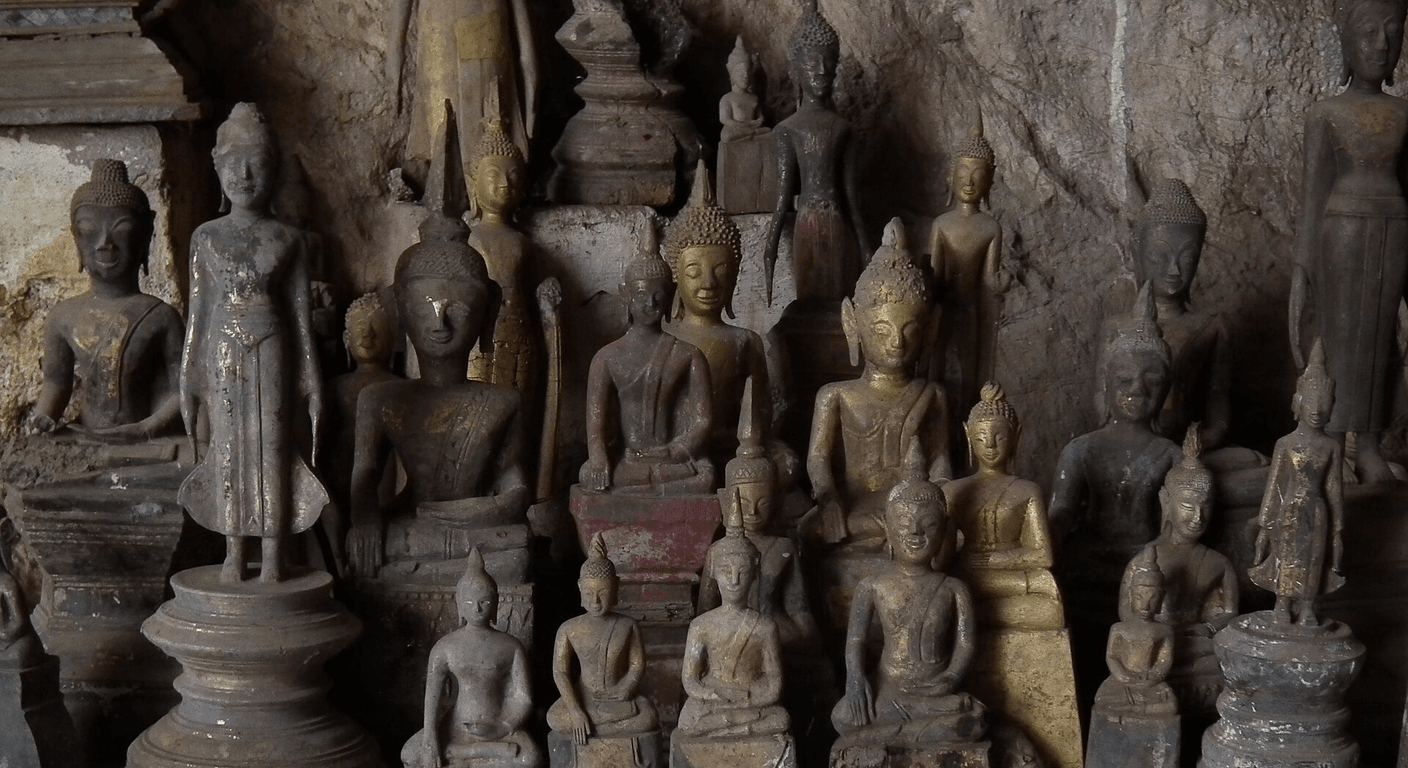
The caves are reached by a short climb from the river landing — stone steps that are worn smooth in places and uneven in others. Tham Ting, the lower cave, is the larger and more accessible of the two: it opens directly onto the river and receives natural light, making the rows of Buddha statues — some dating back centuries, left by pilgrims, royalty, and devotees over generations — immediately visible. The figures range from finger-height to knee-height, in various states of gilding and wear, arranged across every ledge and alcove. It's one of those places that takes a moment to fully register.
Tham Theung, the upper cave, is darker and reached by a steeper set of steps. A torch is genuinely useful here — the cave entrance is dim, and the floor is not level. Many tour operators provide torches, but it's worth confirming in advance or packing a small one. Travellers with significant mobility concerns or a fear of confined spaces may prefer to spend more time in Tham Ting, which is spacious and well-lit by comparison. Neither cave requires crawling or squeezing through narrow passages.
The spiritual significance of the site is real and ongoing — local Lao people visit to leave offerings, particularly at Lao New Year (Pi Mai, in April). Dress modestly: shoulders and knees covered. Most tour operators mention this, but packing a light scarf that doubles as a cover-up is a practical habit for any temple or sacred site visit in Southeast Asia.
Practical Matters: Timing, Costs, and What to Carry
Tours typically depart the Luang Prabang waterfront between 8am and 9am, returning by early-to-mid afternoon. Booking through your guesthouse or hotel is often the simplest option in Luang Prabang — most accommodation can arrange it, and staff can advise on which operators are currently running reliable boats. Indicative pricing for a half-day tour runs from around AUD 25 for a seat on a shared public boat to AUD 60 or more for a private charter or small-group operator with a more comfortable vessel; confirm current pricing directly, as rates shift with the season and the kip exchange rate.
Carry Lao kip for the cave entry fee (a modest charge, payable at the landing), plus a little extra for village purchases or a drink on the return. US dollars are widely accepted in tourist-facing contexts in Luang Prabang, but smaller kip notes are more practical for markets and villages. ATMs are available in Luang Prabang town; withdraw before departure. Bring more water than you think you'll need — the river air is deceptively drying, and the return leg in the afternoon can be warmer than the outbound morning run.
Making the Most of Luang Prabang Before and After
The Pak Ou excursion works best as part of a longer stay in Luang Prabang rather than a rushed add-on. The town itself — a UNESCO World Heritage listed area of French colonial architecture, temple compounds, and tree-lined streets — rewards slow exploration. The dawn alms-giving ceremony (tak bat) is observed quietly and respectfully from a distance each morning; the night market along Sisavangvong Road runs every evening. The Luang Prabang Museum (the former Royal Palace) is flat, air-conditioned in parts, and genuinely informative.
For Indian-Australian travellers, vegetarian food is more available in Luang Prabang than in many other parts of Laos, particularly at restaurants catering to international visitors. Sticky rice — the Lao staple — is naturally vegan, and fresh fruit from the morning market is exceptional. The town is compact enough to navigate on foot or by bicycle (flat in the central area) or tuk-tuk for longer distances. A three-to-five night stay gives you the Pak Ou morning, a full day for temples and the market, and time to simply sit by the Mekong at dusk with a pot of local tea, which is its own kind of travel.
Quick planning guide
| Ideal pace | Relaxed, slow-paced half-day excursion |
|---|---|
| Best months | October to April (dry, cooler, calmer river) |
| Suggested stay | 3-5 nights in Luang Prabang, with the caves as one half-day outing |
| Mobility level | Moderate — worn stone steps, a dim, uneven upper cave floor, and a low riverbank boarding point |
| Cost level | Budget-friendly, from around AUD 25 for a shared boat up to AUD 60+ for a private charter |
| Comfort level | Comfortable — shaded seating, river breeze, and a relaxed village stop, though boat quality varies by operator |
| Best for | Travellers over 50 who want the Mekong experience without the two-day slow boat |
| Main planning consideration | Build in a recovery night after the long-haul flight and confirm current Laos visa requirements before booking |
Key takeaways
- The Pak Ou Caves half-day cruise is a practical, meaningful alternative to the two-day slow boat — four to five hours return from Luang Prabang by riverboat.
- October to April is the most comfortable window: dry, cooler air and calmer river conditions.
- Tham Ting (lower cave) is accessible and naturally lit; Tham Theung (upper cave) is darker and steeper — a torch and confident footing matter.
- Always confirm current Laos visa and entry requirements for Australians at smartraveller.gov.au before booking flights or tours.
- Travel insurance covering pre-existing medical conditions is essential and must be declared honestly — standard policies often exclude them.
- A recovery night on arrival in Luang Prabang after the long-haul flight from Australia is not indulgent — it's the foundation of a good trip.
Recommended partners and links
Indicative prices only — always confirm with the operator before booking.
Frequently asked questions
Do Australians need a visa to visit Laos and see the Pak Ou Caves?
Australian passport holders have generally been able to obtain a visa on arrival or an e-visa for Laos, but entry requirements can change. Always confirm current conditions at smartraveller.gov.au and with the Lao Embassy in Canberra before booking any travel. Do not rely on information that is more than a few weeks old.
How difficult are the Pak Ou Caves to access for older travellers?
The lower cave, Tham Ting, is moderately accessible — stone steps from the river landing lead to a spacious, naturally lit chamber with rows of Buddha figures. The upper cave, Tham Theung, involves a steeper climb and is significantly darker; a torch is practical, and the floor is uneven. Travellers with limited mobility or balance concerns can focus on the lower cave, which holds the majority of the statues.
How do you get from Luang Prabang to the Pak Ou Caves?
The standard route is by riverboat upstream along the Mekong, departing from the Luang Prabang waterfront — a journey of roughly 90 minutes each way. Most guesthouses and hotels in Luang Prabang can arrange a shared or private boat tour, typically departing between 8am and 9am and returning by early afternoon.
What is the best time of year to do the Pak Ou Caves boat trip?
October to April is the recommended window for the Mekong river cruise to Pak Ou Caves. The dry season brings calmer water, lower humidity, and cooler temperatures. The wet season (May to September) brings higher, faster-running river water and heavier rain, which can affect boat schedules and the experience at the caves.
Is travel insurance necessary for a trip to Laos from Australia?
Travel insurance is strongly recommended for any trip to Laos, and for travellers over 50 with pre-existing medical conditions it is essential. Standard policies frequently exclude pre-existing conditions unless they are declared and specifically covered. Read the policy wording carefully, declare all conditions honestly, and ensure the policy includes medical evacuation cover, as specialist medical facilities in Luang Prabang are limited.