Paris suits Australians over 50 best in April-May or September-October, with mild weather and thinner crowds. A ten-to-twelve-night stay, paced at one arrondissement a day with timed entries to the Louvre and Orsay, is the defining highlight. Mobility is moderate — the Metro's stairs are relentless, so buses and walking suit better — and getting there means a 22-to-24-hour flight from Melbourne or Sydney with one stopover.
The long haul: what the flight from Australia actually involves
From Melbourne or Sydney, Paris is roughly 22 to 24 hours of flying, almost always with one stopover — Dubai, Doha, Singapore and Abu Dhabi are the usual hubs. That's a long time in a pressurised tube, and anyone who tells you the jet lag is trivial has either forgotten or is younger than they look. Paris sits nine hours behind Australian Eastern Standard Time in winter, eight in summer — your body will know the difference.
Book a business or premium economy seat if the budget allows; the lie-flat difference on the long sector is measurable in how you feel on day two. Either way, plan to arrive, check in, eat something simple near the hotel, and write off the rest of that first day entirely. A recovery night is not wasted time — it's the reason day three is genuinely enjoyable rather than a grind through a fog.
Choose a hotel with a lift and locate it in the 6th, 7th or 1st arrondissement. These central positions mean you're walking to most things rather than descending into the Metro. A well-placed hotel with a good bed is as important a booking as any museum ticket.
Entry requirements and travel insurance: the two things to sort first
France is part of the Schengen Area, and Australia's entry arrangements with Europe are in transition. The ETIAS electronic travel authorisation system has been rolling out for non-EU visitors, including Australians. Do not assume the rules are the same as your last trip — check smartraveller.gov.au and the official European ETIAS portal well before purchasing flights. Smartraveller also carries the current advice level for France, which is worth reading.
Travel insurance for over-50s travelling to Europe is not optional, and the detail matters. Policies vary significantly in how they handle pre-existing conditions — cardiovascular issues, diabetes, joint replacements and similar are common at this life stage, and a basic policy may exclude them entirely. Compare policies through a reputable Australian comparison site and read the product disclosure statement, not just the headline. Medical costs in France are high by Australian standards even with a reciprocal health agreement in place, which Australia does not have with France.
Keep digital and printed copies of your insurance policy, your ETIAS approval (once obtained), your passport, and your hotel bookings. A money belt worn under clothing is unglamorous but effective in crowded spaces.
Why the Metro is often the wrong choice — and what to use instead
The Paris Métro is fast, frequent and famously comprehensive. It's also, in the majority of its 302 stations, a staircase-heavy environment with no lift in sight. Châtelet–Les Halles, one of the busiest interchange stations in the world, involves corridors that seem to go on for the better part of a kilometre. For a traveller managing a knee, a hip, or simply the cumulative fatigue of a long trip, the Métro can be more trouble than it's worth.
Paris buses are the underrated alternative. They run on the surface, you can see where you are, and most modern buses have low floors with room for a fold-up walking stick or a small daypack. The RATP journey planner at ratp.fr maps bus routes alongside Metro lines. A carnet of ten tickets (or the rechargeable Navigo card) covers both. Buses are slower, but for a traveller in no particular hurry, that's barely a drawback.
The other option is simply walking. Paris's central arrondissements are remarkably compact. From the Musée d'Orsay to Saint-Germain-des-Prés is twelve minutes on foot along flat, wide footpaths. From Notre-Dame — currently in the late stages of its extraordinary restoration after the 2019 fire — to the Île Saint-Louis is a stroll across a single bridge. Save the Batobus for when the feet genuinely need a rest, or for the pleasure of seeing the city from the Seine at a pace that matches its architecture.
The Louvre and the Orsay: how to see them without the suffering
Both the Louvre and the Musée d'Orsay now operate timed-entry ticketing, and booking in advance is the single best decision you'll make before leaving Australia. Without a timed ticket, you join a queue that can stretch an hour or more in peak season. With one, you walk past it. The psychological difference is considerable, particularly after a long-haul flight.
The Louvre is enormous — genuinely, almost absurdly so. A single visit covering the entire collection is not a realistic goal for anyone, let alone someone managing energy carefully. Instead, choose one or two wings before you go. The Denon Wing holds the Italian paintings and the Winged Victory; the Richelieu Wing has Dutch masters and French decorative arts. Spend two hours, sit on a bench in front of something remarkable, and leave while you still want more. That is a good museum visit.
The Orsay is more manageable in size and, for many travellers, more immediately rewarding. The Impressionist collection on the upper floor — Monet, Renoir, Degas, Cézanne — is the reason most people come, and it delivers. The building itself, a converted 1900 railway station with a vast central nave, is worth the entry fee alone. Book a morning slot, arrive at opening, and you'll have the galleries in relative quiet before tour groups arrive around ten.
One arrondissement per day: how to structure a Paris visit
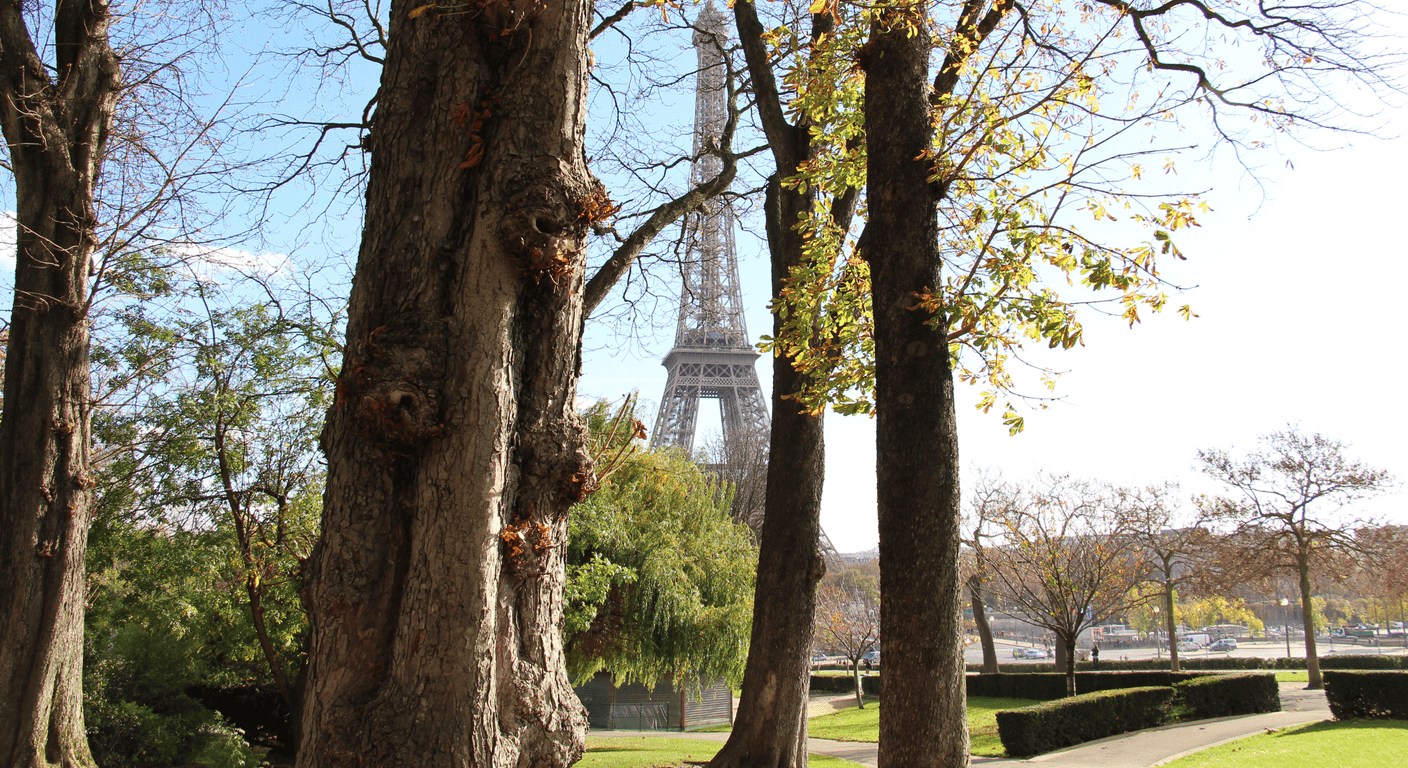
Paris has twenty arrondissements arranged in a clockwise spiral from the centre. For a ten-to-twelve-night visit, the most satisfying approach is to choose six or seven of them and spend a genuine half or full day in each — not ticking off monuments, but absorbing the specific character of the neighbourhood. The 6th (Saint-Germain) and the 5th (the Latin Quarter) are good early in the trip, when legs are fresh. The 7th, home to the Orsay and the Eiffel Tower, is a day unto itself.
The Marais (3rd and 4th arrondissements) rewards a slow afternoon walk: medieval lanes, the Place des Vosges, and some of the best patisseries in the city. Montmartre (18th) involves a hill — the funicular handles the climb — and offers a view over the city that earns its reputation without requiring any further embellishment. The 16th, on the western edge, is quieter, residential, and home to the Palais de Chaillot with its extraordinary terrace view of the Eiffel Tower from across the river.
Build the long cafe sit into the schedule as an activity, not a break from one. Order a café crème, unfold a newspaper or simply watch the street, and stay for an hour. Paris at a good cafe is as culturally instructive as Paris in a museum, and significantly cheaper. The French have not yet invented the concept of being hurried out of a chair.
When to go: the case for shoulder season
July and August are when Paris is at its most crowded and, paradoxically, when many Parisians have left for the coast. The city feels like a theme park version of itself. April, May, September and October are the months that make more sense for an Australian traveller who has come a long way and wants the real thing. Temperatures sit between 12 and 22 degrees Celsius — comfortable walking weather with a light jacket. The light in late September is notably beautiful, long and golden in the late afternoon.
Spring brings the occasional rain shower and the chestnut trees in bloom along the boulevards. Autumn brings the same rain, the same light, and the added pleasure of fewer tour buses at every landmark. Both seasons offer better hotel rates than peak summer, though Paris is never cheap. Indicatively, a well-located three-star or boutique hotel might run AUD $250–$450 per night in shoulder season; confirm current pricing when booking.
Christmas and New Year are a separate consideration — the city is atmospheric, the illuminations along the Champs-Élysées are genuinely impressive, and the crowds are manageable. But it's cold, around 5–8 degrees, and short days reduce comfortable outdoor time. A matter of preference.
Practical matters: money, connectivity, and a few honest observations
France uses the euro. Australian bank cards with no foreign transaction fees — several travel-focused cards offer this — are the simplest approach. Withdraw cash for small cafes, markets and the occasional bakery that still prefers it. Credit cards are widely accepted, but tap-and-go is not universal at smaller establishments. The currency exchange counters at Charles de Gaulle Airport offer poor rates; a bank ATM on arrival is better.
A French SIM or an Australian roaming plan with a European data allowance keeps Google Maps and the RATP bus planner accessible. The latter is genuinely useful — knowing which bus passes your hotel in ten minutes is the kind of practical intelligence that makes a city manageable. Most Paris cafes offer free WiFi, though the password is occasionally written on a small piece of paper behind the counter and requires asking.
A few honest observations from the ground: Paris footpaths are uneven in older arrondissements — watch the cobblestones in the Marais. Restaurants typically don't open for dinner before seven, and the French notion of service is unhurried in ways that can feel either civilised or frustrating depending on the day. Tipping is not obligatory, though rounding up the bill is customary. And the water from any Paris tap is excellent — carry a refillable bottle.
Quick planning guide
| Ideal pace | Slow-paced — one arrondissement per day, with long cafe sits built in |
|---|---|
| Best months | April-May and September-October (shoulder season, 12-22°C) |
| Suggested stay | 10-12 nights |
| Mobility level | Moderate — Metro stairs are relentless; buses and flat walking preferred |
| Cost level | Premium — around AUD $250-$450/night for a well-located hotel in shoulder season |
| Comfort level | High with planning — central hotel with a lift, timed museum tickets, and a recovery day after the long flight |
| Best for | Australians over 50 wanting an unhurried, low-fatigue Paris visit |
| Main planning consideration | Book timed Louvre/Orsay entries and confirm ETIAS and entry requirements before purchasing flights |
Key takeaways
- A jet-lag recovery day after the 22-to-24-hour journey from Australia isn't optional — it's the foundation of a good trip.
- Pre-booked timed entries to the Louvre and Musée d'Orsay eliminate the queues that define a bad museum day.
- The Paris Métro is mostly lift-free; buses and flat walking are the more sensible choice for most travellers over 50.
- One arrondissement per day, with a long cafe sit built in as the actual activity, is the right pace for Paris.
- April–May and September–October offer thinner crowds, mild weather, and better hotel rates than peak summer.
- Check entry requirements and ETIAS status at smartraveller.gov.au before buying any flights — the rules have changed.
Recommended partners and links
Indicative prices only — always confirm with the operator before booking.
Frequently asked questions
Do Australians need a visa or special authorisation to visit France in 2025–2026?
Australia does not have a traditional visa requirement for short stays in France, but the European Union's ETIAS electronic travel authorisation system is being rolled out for non-EU visitors including Australians. The requirement and process should be confirmed at smartraveller.gov.au and the official ETIAS website before booking any travel, as the rollout timeline has shifted more than once.
Is the Paris Metro accessible for older travellers or those with mobility issues?
The Paris Métro has very limited lift access — the majority of its stations require navigating stairs, sometimes multiple flights and lengthy corridors. For travellers with knee, hip or general mobility concerns, Paris buses (operated by RATP) are a far more practical alternative. They run on flat ground, most modern buses have low-floor access, and the RATP journey planner at ratp.fr maps routes clearly.
How far in advance should Australians book Louvre and Musée d'Orsay tickets?
Both museums operate timed-entry systems and popular time slots, particularly weekend mornings in spring and autumn, can sell out weeks in advance. Booking through the official Louvre (louvre.fr) and Musée d'Orsay (musee-orsay.fr) websites as soon as your travel dates are confirmed is strongly advisable. The Paris Museum Pass also includes timed entry to many sites and may offer better value for a stay of five or more days.
What is the best time of year for Australians over 50 to visit Paris?
April to May and September to October are the most practical months. Temperatures are mild — roughly 12 to 22 degrees Celsius — crowds are lighter than in July and August, and hotel rates are generally lower. Late September offers particularly good light. Winter visits (December–February) are cold but atmospheric; summer is crowded and hot, with many locals having left the city.
What should older Australian travellers know about travel insurance for France?
France has no reciprocal healthcare agreement with Australia, so comprehensive travel insurance is essential. Policies vary significantly in how they cover pre-existing conditions, which are common for travellers in their 50s, 60s and beyond. Read the product disclosure statement carefully before purchasing, and ensure medical evacuation cover is included. Compare policies through a reputable Australian comparison service rather than defaulting to the cheapest option.
- Smartraveller — France travel advice (Australian Government)
- Louvre Museum — Tickets and Opening Hours
- Musée d'Orsay — Practical Information
- RATP — Paris Public Transport Journey Planner
- Batobus — Seine River Shuttle Service
- Paris Museum Pass — Official Site
- ETIAS — European Travel Information and Authorisation System