Mooloolaba, on Queensland's Sunshine Coast north of Brisbane, suits a slow full day or relaxed half-day, best tackled with an early start (esplanade by 7.30am) in summer or during the milder, less humid winter months of June to August. The defining highlight is buying fresh prawns straight off the trawlers at the working harbour. The flat, shaded esplanade and patrolled beach make walking easy for most visitors, though there's no direct train — travellers fly into Brisbane or Sunshine Coast Airport and connect via Translink bus through Maroochydore.
Why Mooloolaba suits travellers who prefer a gentler pace
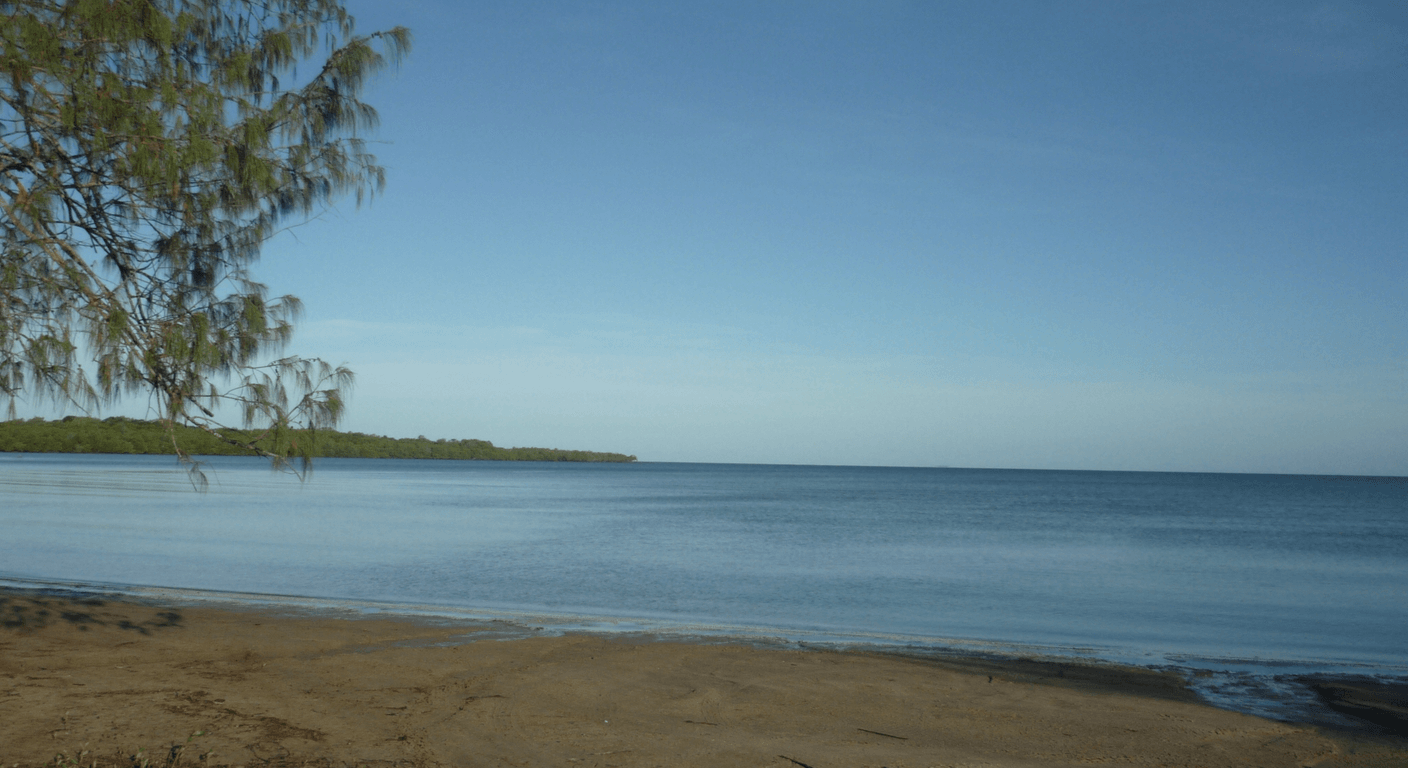
Mooloolaba sits on a curved bay on Queensland's Sunshine Coast, roughly 90 kilometres north of Brisbane. It is not a party town and it is not a theme park destination. What it offers is a well-maintained beachfront, calm swimming conditions by Queensland standards, and a working harbour that gives the place an honest, unhurried character that a lot of the glassier Gold Coast strips have lost.
For a traveller based in Victoria — particularly one travelling solo — Mooloolaba has a quality that is easy to underestimate until you arrive: it feels safe and navigable on foot. The esplanade is flat, wide, and genuinely shaded in sections. The distances between the main points of interest are manageable without a car. On a quiet weekday morning, before the families arrive in force, it has a particular calm that suits a solo day out.
The combination of beach, harbour, a decent aquarium, and fresh seafood means there is enough to fill a full day without rushing, or enough to do a shorter half-day and sit with a coffee watching the water. Both are entirely reasonable choices.
Getting to Mooloolaba from Victoria — what are the practical connections?
Travellers from Victoria will typically fly into Brisbane Airport or the Sunshine Coast Airport at Marcoola. From Brisbane, the Sunshine Coast is around 90 minutes by road. There is no direct train to Mooloolaba itself — the Queensland rail network's Sunshine Coast line terminates at Nambour and Landsborough, with connecting bus services running from those stations toward the coast. The Translink website at translink.com.au is the place to plan these connections, and it is worth checking before you travel rather than assuming timetables match your plans.
From Maroochydore, which functions as the commercial centre of the Sunshine Coast, Translink bus services run to Mooloolaba regularly. The ride takes roughly 20–30 minutes depending on the route and time of day. Go Card is the smartest way to pay — it reduces the fare compared to cash and works across the entire Translink network in South East Queensland. Cards can be loaded at Brisbane Airport and at many convenience stores and 7-Elevens.
If you are staying on the Sunshine Coast for more than a day, some travellers find it easier to base themselves in Mooloolaba or Maroochydore and use buses for day movement rather than hiring a car. Parking near the esplanade and harbour can be tight in summer and school holiday periods, which is another reason the bus option is worth considering seriously.
Walking the esplanade — what is the path actually like?
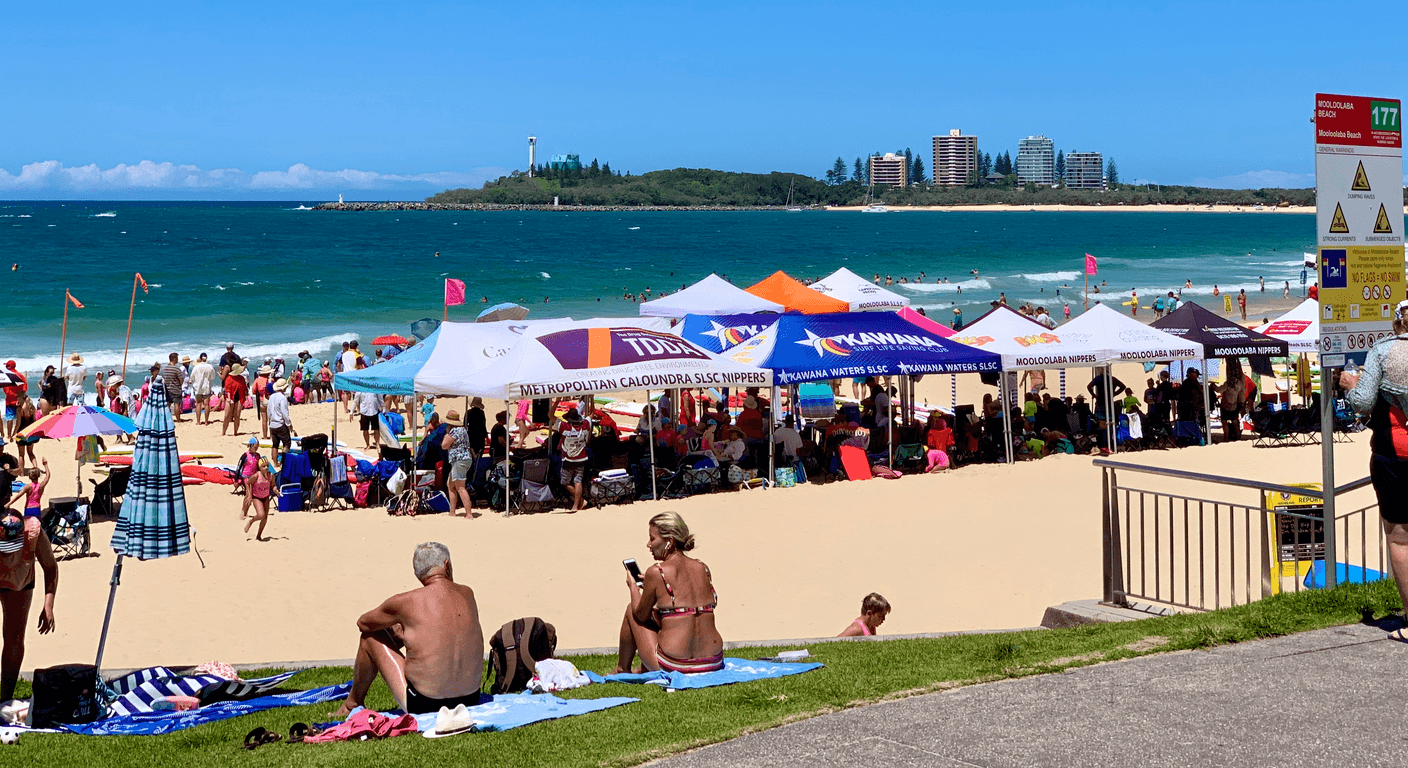
The Mooloolaba Esplanade runs along the beachfront and is one of the flatter, more accessible coastal walking paths on the Queensland coast. The main strip between the surf club end and the harbour spit is sealed, mostly level, and has regular bench seating and shaded areas. For travellers who find long stretches of unshaded coastal path uncomfortable or tiring, this matters. You can walk a section, sit, watch the surf patrol flags, and continue at whatever pace suits.
The beach itself is patrolled by Mooloolaba Surf Life Saving Club between the flags, which is one of the reasons it draws families and older visitors who want to swim without the unpredictability of unpatrolled stretches. The water inside the bay is generally calmer than open-ocean beaches, though conditions vary and the surf patrol flags should always be respected. Check patrol times on the Surf Life Saving Queensland site before you plan a swim.
Early morning is the most comfortable time to walk, particularly from around October through to March when Queensland's summer humidity can make midday movement genuinely draining. Starting by 7.30am gives you the esplanade largely to yourself, cooler air, and the particular light that comes off the water before the sun climbs. By 10am on a summer day, the humidity is noticeable and shade becomes a priority.
The spit loop walk — is it worth doing?
The Mooloolaba Spit is the narrow peninsula that separates the Mooloolah River from the ocean, and a loop walk around it adds a different character to the day. On one side you have the beach and surf; on the other, the calmer river and the working harbour with its trawlers. The contrast is part of what makes it interesting. The loop is not long — most walkers complete it in under an hour at a comfortable pace — but the path does have some uneven sections near the river side, so footwear with a bit of grip is sensible.
The harbour view from the spit is where you start to understand what makes Mooloolaba different from a purely tourist beach town. The trawlers are real working vessels, not decorative. On days when a fleet has come in, you can watch the unloading process from a distance, and the smell of fresh catch is unmistakable. It is the kind of thing that connects a place to its actual livelihood rather than just its postcard version.
For travellers with mobility considerations, the full spit loop may not be suitable depending on the day and path conditions. The esplanade portion alone is the more accessible option, and there is no obligation to do the full loop to have a worthwhile visit. The harbour area where prawns are sold is accessible without completing the loop walk.
Buying prawns off the trawlers — how does it actually work?
Mooloolaba Harbour is one of the Sunshine Coast's working commercial fishing ports, and buying fresh prawns here is one of the genuine pleasures of a visit. The Mooloolaba Fish Market on the harbour sells prawns and other fresh seafood, and depending on the season and what has come in, the range can be considerable. Banana prawns, tiger prawns, and school prawns are among what you might find. Prices are indicative and change with season and availability — around $20–$35 AUD per kilogram is a rough guide, but confirm at the market on the day.
The experience is straightforward: you go to the market, you see what is available, and you buy what looks good. There is no theatre to it, which is part of the appeal. Some visitors buy a bag and eat them at the picnic tables nearby with bread and a cold drink. Others take them back to accommodation. If you are a solo traveller, a smaller portion or a half-kilo is often possible — it is worth asking.
The freshness here is the point. Prawns bought at the harbour on the day a trawler has come in are noticeably different from supermarket product. For someone who grew up eating good seafood — as many Italian-Australian households did — this kind of direct connection to where food comes from has a particular satisfaction to it.
SEA LIFE Mooloolaba — is it worth visiting, and who is it for?
SEA LIFE Mooloolaba is a commercial aquarium on the esplanade and is probably the town's most prominent paid attraction. It is well-suited to visits with grandchildren and is a reasonable wet-weather option if a summer storm rolls in. The aquarium covers local and international marine species, has interactive displays, and moves at a pace that works for both children and adults who want to take their time.
Adult entry is roughly in the range of $35–$45 AUD at time of writing, though prices change and online booking is consistently cheaper than door prices. The SEA LIFE website at visitsealife.com/mooloolaba is where to check current pricing and book. Concession rates may apply — confirm directly. The aquarium is indoors and air-conditioned, which on a humid Queensland day is not an insignificant detail.
For a solo traveller without grandchildren in tow, the aquarium is pleasant but not essential — the outdoor harbour and beach experiences are the stronger draw for most adults. That said, if marine life is a genuine interest, it is a well-run facility and the seahorse and turtle sections in particular are quietly absorbing. Allow around 90 minutes to move through at a comfortable pace.
Practical notes on timing, weather, and making the day work
Queensland's summer runs roughly November through February, and Mooloolaba in this period is warm, often very humid, and prone to afternoon thunderstorms. The heat and humidity are real considerations for travellers who have come from Victoria's cooler climate. The body takes a few days to adjust. An early start — on the esplanade by 7.30am, harbour by 9am, aquarium or a long lunch in shade by late morning — structures the day so that the hottest and most humid hours are spent indoors or resting.
Winter in Queensland, roughly June through August, is the other obvious time to visit. Temperatures are mild, humidity is low, and the Sunshine Coast in winter has a particular ease to it. The beach is swimmable for those who find the water temperature acceptable, though it will feel cold compared to summer. Winter is also peak season for southern visitors, so accommodation and popular restaurants book up and prices reflect this.
Sunscreen, a hat, and a light long-sleeved layer for air-conditioned spaces are the practical kit for any time of year. The esplanade has drinking fountains at intervals, but carrying water is sensible in summer. If you are travelling solo and want to sit and eat prawns at the harbour without feeling conspicuous, a book or a notebook is good company, and nobody at Mooloolaba Harbour is going to make a solo diner feel out of place.
Quick planning guide
| Ideal pace | Slow and unhurried, with flexibility for a half-day or full day |
|---|---|
| Best months | June–August for mild, low-humidity weather; October–March mornings before 7.30am if visiting in summer |
| Suggested stay | Half-day to full day |
| Mobility level | Easy along the flat, shaded esplanade; the spit loop has some uneven sections and may not suit all mobility levels |
| Cost level | Budget-friendly overall, with prawns priced by weight and SEA LIFE aquarium entry around $35–$45 AUD |
| Comfort level | High — sealed paths, bench seating, shade, and a patrolled swimming beach |
| Best for | Solo travellers, older visitors, and families wanting a gentle coastal day out |
| Main planning consideration | No direct train to Mooloolaba — plan Translink bus connections via Maroochydore or Nambour/Landsborough and consider a Go Card for cheaper fares |
Key takeaways
- Mooloolaba's esplanade is flat, shaded in sections, and genuinely walkable for travellers who prefer a slower pace.
- Fresh prawns sold at Mooloolaba Harbour come directly from working trawlers — prices vary by season, so confirm at the market on the day.
- SEA LIFE Mooloolaba adult entry is roughly $35–$45 AUD, with online booking consistently cheaper than door prices — confirm current pricing before you go.
- There is no direct train to Mooloolaba; Translink buses from Maroochydore connect the town to the broader Queensland rail and bus network.
- Summer visits reward an early start by 7.30am — Queensland humidity from October to March makes midday outdoor activity noticeably more tiring.
- The spit loop walk takes under an hour at a comfortable pace and gives you both the ocean beach and the working harbour in one circuit.
Recommended partners and links
Indicative prices only — always confirm with the operator before booking.
Frequently asked questions
How do you get to Mooloolaba from Brisbane without a car?
Queensland's rail network does not run directly to Mooloolaba. The practical route is train to Nambour or Landsborough, then a Translink connecting bus toward the coast, or a direct bus service from Maroochydore. From Maroochydore, buses to Mooloolaba take roughly 20–30 minutes. Check current timetables and fares at translink.com.au before you travel.
Is Mooloolaba beach safe for solo swimmers?
Mooloolaba beach is patrolled by Surf Life Saving Queensland between the flags, making it one of the safer swimming beaches on the Sunshine Coast. Always swim between the flags and check patrol times before you go. Conditions vary by season and weather, and the surf patrol flag system should be respected regardless of how calm the water looks.
Where can you buy fresh prawns at Mooloolaba Harbour?
The Mooloolaba Fish Market on the harbour is the main place to buy fresh prawns and other local seafood. Availability depends on what the trawlers have brought in. Prices are indicative and seasonal — roughly $20–$35 AUD per kilogram is a general guide, but confirm at the market on the day. The website mooloolabafishmarket.com.au has current information.
Is SEA LIFE Mooloolaba worth it for adults visiting without children?
SEA LIFE Mooloolaba is a well-run aquarium that works as a wet-weather option or for adults with a genuine interest in marine life. For most solo adult visitors, the outdoor harbour and beach experiences are the stronger draw. If you do visit, booking online at visitsealife.com/mooloolaba is cheaper than paying at the door — confirm current adult and concession pricing before you go.
What is the best time of year to visit Mooloolaba from Victoria?
Winter — June through August — offers mild temperatures, low humidity, and comfortable walking conditions, though it is peak season for southern visitors so accommodation prices are higher and popular spots book up. Summer visits are possible and the beach is at its most active, but Queensland humidity from November to February is significant for travellers arriving from Victoria's cooler climate. An early start is essential in summer.