For most Australians over 60, New Zealand works best as a slow trip combining a short self-drive or coach leg with one scenic train, rather than one mode throughout. Allow roughly two weeks for both islands, travel in the shoulder months, and confirm rail status first. Mobility: Moderate. Australian citizens usually need no visa or NZeTA; permanent residents normally need an NZeTA unless they hold a valid New Zealand visa.
Which is best for over-60s: coach tour, self-drive or rail?
There's no single winner. A coach tour suits those who want logistics handled and company. Self-drive suits confident drivers who like their own timetable. Rail suits anyone who wants the scenery without the steering wheel, but it only covers a few lines.
Most seasoned travellers end up mixing them. Take a train for the showpiece leg, hire a car for a regional stretch, and join a day tour where parking and narrow roads are a hassle. That mix keeps costs and fatigue in check.
This guide is independent and takes no commission. Prices and timetables change, so treat everything here as a starting point and confirm with the operator.
Who does each style suit, and who should skip it?
Coach tours suit first-timers, solo travellers who want built-in company, and anyone who'd rather not drive on the left on unfamiliar mountain roads. They suit less well if you dislike early starts, fixed itineraries or long days seated. Ask each operator for daily driving hours and how many hotel changes there are.
Self-drive suits people who are comfortable on winding, often narrow roads and can manage luggage alone. It's a poor fit if night driving worries you, or if your travel partner can't share the load. Rental terms, licence rules and insurance excess vary, so check the New Zealand Transport Agency (NZTA) site and your hire company before you go.
Rail suits those who value the view and a relaxed pace. It's limited by routes and days of operation, so it works as part of a trip rather than all of it.
A solo traveller's perspective
Solo travellers face the single supplement on most tours and a full-price room in most hotels. Some operators charge a steep premium for solo occupancy, while others offer share-match or solo departures. No operator pricing was verified for this guide, so ask each one in writing for the solo total, not the per-person twin rate.
Self-drive spreads the cost of a car across one person, which stings. A coach tour with a low supplement can beat it on price. A couple's perspective is different: two people split the hire car and the room, so self-drive often looks cheaper on paper, though fuel, parking and tolls add up. Compare totals for your own situation.
North Island or South Island?
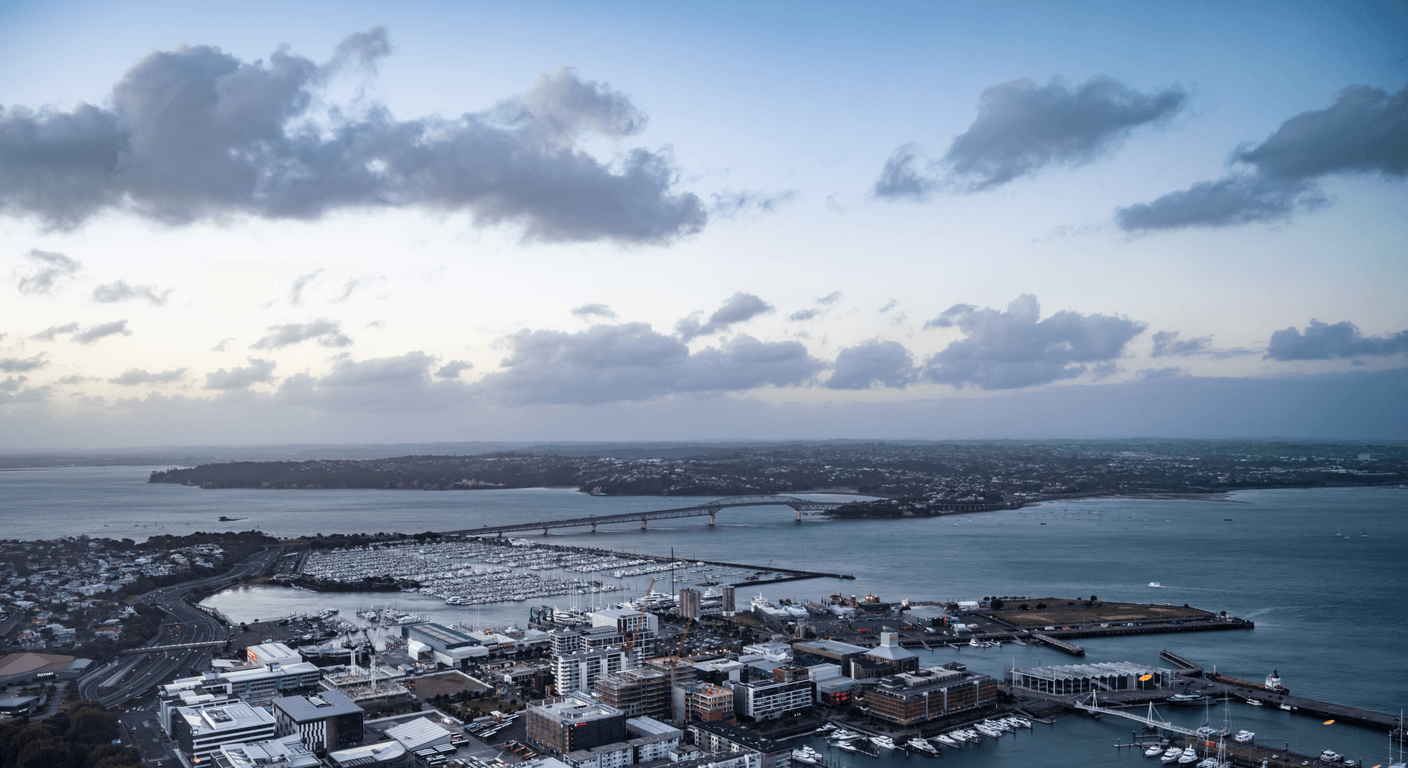
The North Island is generally the easier first trip for pacing, with Auckland, the Bay of Islands, Rotorua and Wellington within a manageable network. It has geothermal sights, Māori cultural experiences and a good spread of accommodation. The Northern Explorer train links Auckland and Wellington, though operating days and times need confirming on the Great Journeys site.
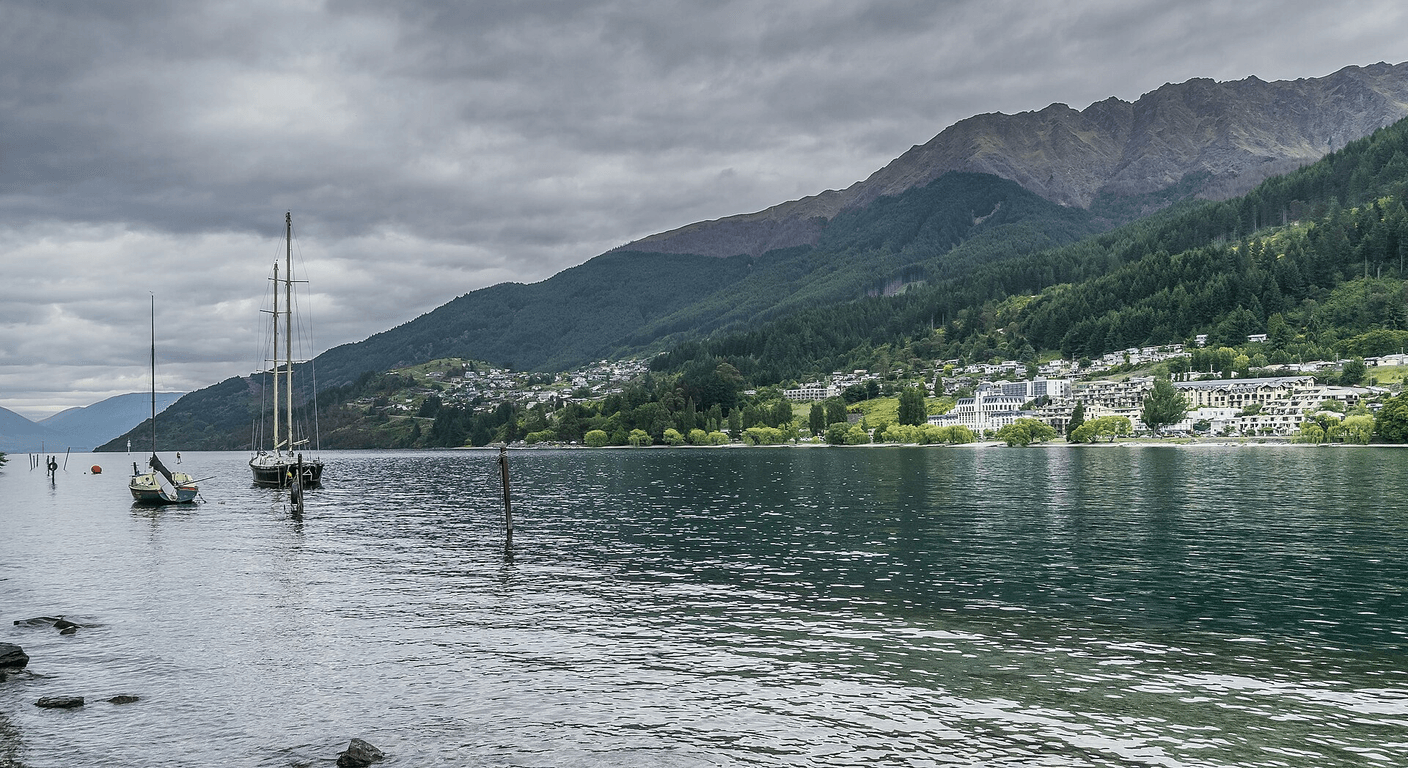
The South Island has the dramatic mountain and lake scenery, but distances between centres are longer and weather can change plans. It rewards slower travel with fewer stops. Official driving times weren't verified here, so check NZTA or your hire company's route planner before fixing an itinerary.
If you have ten days or fewer, choose one island and do it properly. Covering both in under two weeks usually means too many transfers.
What does a rail day look like, and what's the current status?
Great Journeys New Zealand runs three scenic trains: the Northern Explorer, the Coastal Pacific and the TranzAlpine. Until 30 November, the TranzAlpine is running between Christchurch and Arthur's Pass, with a bus connection to Greymouth while track damage is repaired. Full-route resumption after that date wasn't confirmed, so check greatjourneysnz.com before you plan around it.
Departure times, journey lengths and fares weren't verified, so don't build a day around figures from third-party sites. As a rule of thumb, treat any scenic train day as a full day: get to the station early, allow time for meals, and ask about carriage access if mobility is a concern. The track-damage disruption may affect other services too, so check live status before booking.
Seasons, pacing and driving distances
Seasons are reversed from northern-hemisphere assumptions but broadly match Australia's. Shoulder months usually give milder weather and thinner crowds, but check Tourism New Zealand for current seasonal guidance, as it wasn't verified here.
A sensible pace is two to three nights per base, with at most one big travel day in three. Driving distances look short on a map but take longer on winding roads, and scenic stops add hours. Plan conservatively and add a rest day after the trans-Tasman flight if you're hiring a car.
Ferry crossings between the islands are run by Interislander and Bluebridge. Sailing times and fares weren't verified, so check each operator's own site and book vehicles early in busy periods.
Entry rules, insurance and what to confirm
Australian citizens can usually live, work and study in New Zealand without applying for a visa or New Zealand Electronic Travel Authority (NZeTA) before they come. Australian permanent residents will normally need an NZeTA before travelling, unless they hold a valid New Zealand visa. Residents who aren't citizens should check their own status on immigration.govt.nz.
Citizens and permanent residents are typically granted a residence visa on arrival, which expires when they leave. If your Australian passport expires while you're in New Zealand, you can keep staying but can't travel out until you have a new one. Check passport validity well before departure.
Buy travel insurance regardless. New Zealand's accident-cover scheme doesn't replace medical, cancellation or repatriation cover, and its details weren't verified here, so read the scheme's official page. Declare pre-existing conditions. Check Smartraveller for current advice, and ask about any visitor levy before you pay.
Quick planning guide
| Ideal pace | Two to three nights per base, with no more than one long travel day in three |
|---|---|
| Best months | Shoulder seasons are usually the sensible choice; confirm seasonal conditions on newzealand.com |
| Suggested stay | Roughly two weeks for both islands, or around ten days for one island done well |
| Mobility level | Easy on coaches and trains; Moderate on self-drive with luggage, steps and long sitting days |
| Cost level | Varies widely by mode; get written quotes including single supplements and compare the total, not the headline fare |
| Comfort level | Highest on a guided coach tour, flexible on self-drive, scenic on rail but limited to the lines |
| Best for | Independent retirees, couples, and solo travellers who want a sensible pace and easy trans-Tasman access |
| Main planning consideration | Matching the mode to your stamina and confidence driving, and checking live rail status before you book |
Key takeaways
- Most over-60s do best mixing modes: rail for the scenery, a car or coach for the rest.
- Australian citizens usually need no visa or NZeTA; permanent residents normally need an NZeTA unless they hold a valid New Zealand visa.
- The TranzAlpine runs Christchurch to Arthur's Pass with a bus to Greymouth until 30 November; confirm later status.
- Great Journeys New Zealand runs three scenic trains: Northern Explorer, Coastal Pacific and TranzAlpine.
- Compare the solo total, including any single supplement, not the per-person twin rate, before booking.
- Choose one island if you have ten days or fewer.
Recommended partners and links
Indicative prices only — always confirm with the operator before booking.
Frequently asked questions
Do Australians need a visa for New Zealand?
Australian citizens can usually travel to New Zealand without a visa or NZeTA. Australian permanent residents will normally need an NZeTA before travelling, unless they already hold a valid New Zealand visa. Check your status on immigration.govt.nz.
Is a coach tour or self-drive better for seniors in New Zealand?
A coach tour suits those wanting logistics handled and company, while self-drive suits confident drivers who want flexibility. Many travellers combine both. Compare total costs, including any single supplement, before deciding.
Is the TranzAlpine running to Greymouth?
Until 30 November, the TranzAlpine runs between Christchurch and Arthur's Pass, with a bus connection to Greymouth while track damage is repaired. Check greatjourneysnz.com for the status after that date.
Which New Zealand scenic trains are available?
Great Journeys New Zealand offers three scenic trains: the Northern Explorer, the Coastal Pacific and the TranzAlpine. Check the official site for operating days, times and fares.
Should I get travel insurance for New Zealand?
Yes. Accident cover in New Zealand doesn't replace medical, cancellation or repatriation insurance. Declare pre-existing conditions and read the policy wording before you buy.
Want the next guide like this?
Choose your state, the subjects you care about, or both. We will let you know when a new guide lands. Email once a week at most, or a quiet phone notification on the day it publishes. No advertising, no sponsored content, and we never pass your details to anyone.