Outback station stays across South Australia's Flinders Ranges, western Queensland and the Northern Territory offer older travellers genuine rural immersion, from shared shearers' quarters to private cottages. April to June brings the most comfortable temperatures and best availability, with stays typically running a few nights. Mobility is moderate: homesteads are often accessible, but reaching them means long self-drives on sealed or unsealed roads, or flying into Longreach, Alice Springs or Darwin then hiring a car.
What exactly is a station stay, and is it right for you?
A station stay means sleeping on a working property — a sheep or cattle run that measures not in hectares but sometimes in thousands of square kilometres. The homestead, or part of it, is open to guests. You might eat dinner at a long timber table with the station family, or you might have your own self-contained cottage and come and go as you please. Some stations offer structured activities: mustering on horseback or quad bike, wool classing demonstrations, or a guided walk to a waterhole. Others simply offer a quiet room, a verandah, and the sound of nothing much at all.
For travellers in their sixties and seventies, the appeal is layered. There is a genuine sense of place that no resort can manufacture. The food tends to be honest and generous. The pace is set by the land and the season, not by a tour itinerary. And for a solo female traveller who wants to feel safe in remote country, a hosted homestead room — where you are known by name and checked on at mealtimes — can feel considerably more comfortable than a roadside motel in an unfamiliar town.
The honest caveat: this is not resort travel. Rooms are often simply furnished. Air conditioning exists on most properties but it is not guaranteed to be powerful in extreme heat. Mobile coverage is patchy to non-existent on many stations, and the nearest hospital may be a two-hour drive or more. If you need reliable daily medical access, proximity to a pharmacy, or consistent internet for health monitoring devices, a remote station stay needs careful pre-planning — but it is not out of reach for older travellers who prepare well.
Where are the best regions for a station stay in Australia?
South Australia's Flinders Ranges is the most accessible outback station region for Victorian travellers. The drive from Melbourne via the Princes Highway and then north through Burra and Hawker is around 650 kilometres to the heart of the ranges — a serious day's drive, but sealed all the way. Properties in the Flinders offer rooms and cottages with views of ancient quartzite ridges and red-gum creek beds. The town of Hawker acts as a modest service hub, and Wilpena Pound Resort (operated by the Adnyamathanha community) anchors the southern Flinders as a comfortable base. Smaller private stations nearby take guests who want a quieter, more personal experience.
Western Queensland's Channel Country and the Longreach district offer a different proposition: vast, flat gibber plains, enormous sky, and the deep cultural heritage of the droving era. Properties around Longreach, Barcaldine and Charleville have been hosting travellers for decades. The drive from the Queensland coast is long, and most travellers fly into Longreach (via Qantas Link from Brisbane) and hire a vehicle locally. The Australian Stockman's Hall of Fame in Longreach provides excellent context before you head out to a working property.
The Northern Territory presents the most dramatic station landscapes — red earth, termite towers, dry riverbeds, and the immensity of the Top End and Red Centre. Stations around Alice Springs, the Barkly Tablelands and the Victoria River district take guests, though distances between properties and services are greater than anywhere else in Australia. Flying into Alice Springs or Darwin and self-driving from there is the most sensible approach for older travellers. The NT government's tourism arm maintains a useful listing of accredited accommodation, and it is worth cross-checking any property against their current listings.
What does a typical station stay include — and what should you not assume?
Inclusions vary considerably between properties, and reading the fine print before you book matters. At the generous end, you might find all meals included, a welcome drink on the verandah at sunset, a guided property tour in the morning, and a packed lunch if you are heading out for the day. At the simpler end — shearers' quarters, for instance — you get a bed, shared bathrooms, and use of a communal kitchen. Both have their place, and neither is better than the other; it depends entirely on what kind of company and comfort you want.
Most homestead-style stays include at least breakfast, and many include dinner. Lunch is often self-catered or optional. Ask specifically whether dietary requirements — including the kinds of low-sodium, low-fat or diabetic-friendly preferences common among older travellers — can be accommodated. Most station hosts are practical, capable people who cook from scratch and can adapt; they just need advance notice rather than a surprise on arrival.
Do not assume reliable Wi-Fi, mobile coverage, or the ability to stream video. Satellite internet is increasingly common on remote stations, but it is often shared and slow by city standards. Bring downloaded podcasts, audiobooks, or a paperback. Do not assume a swimming pool, though some properties have one. Do not assume the road to the property is sealed — even in the Flinders Ranges, the last ten kilometres to a homestead might be a well-graded dirt track that becomes impassable after rain. Ask about road conditions and your vehicle's suitability before departure.
How should you think about health, safety and medical access in remote areas?
This is the section that deserves the most honest attention. Remote and very remote Australia is classified by the Australian Institute of Health and Welfare according to distance from health services, and many station properties sit in those outer categories. The Royal Flying Doctor Service (RFDS) operates across all these regions and is an extraordinary resource — but it is not an ambulance at the end of your street. In a genuine medical emergency, response times are measured in hours, not minutes. If you have a cardiac history, poorly controlled blood pressure, insulin-dependent diabetes, or any condition that requires rapid medical intervention, talk to your GP specifically about outback travel before you commit to a remote station booking.
Heat is the most underestimated risk. In the Flinders Ranges, temperatures above 40 degrees Celsius are common from November through February. In western Queensland and the NT, the heat is sustained and relentless from October to March. Heat stroke in older adults can escalate very quickly, and the combination of dehydration, exertion and remote distance from care is genuinely dangerous. The practical response is simple: travel in shoulder season, drink water consistently (not just when thirsty), rest during the hottest hours of the day, and never underestimate how fast things can go wrong in dry heat.
Carry a personal first aid kit suited to your own medical needs, including any prescription medications in quantities that cover the full trip plus several extra days. A personal locator beacon (PLB) is worth serious consideration for any traveller spending time in remote country — they are available to hire or purchase from outdoor equipment retailers. The Australian Emergency Management Institute recommends registering your PLB with the Australian Maritime Safety Authority (AMSA) before travel. Let someone at home know your itinerary, your expected check-in points, and what to do if they do not hear from you by a specific time.
Is self-driving the outback realistic for a solo older traveller?
For many travellers in their sixties and early seventies, self-driving is both realistic and genuinely enjoyable — with preparation. The key variables are your vehicle, your driving experience on unsealed roads, your physical stamina for long days at the wheel, and your comfort with navigating without reliable mobile maps. A standard sedan is adequate for most Flinders Ranges station roads in dry conditions. For western Queensland and the NT, a high-clearance 4WD is often necessary and sometimes essential — check with each property and with state road authorities before you go.
Fuel planning is non-negotiable. In remote areas, fuel stops can be 200 kilometres or more apart, and not all roadhouses operate seven days a week. Before leaving any town, fill the tank completely and carry a jerry can as a backup. The NRMA, RAA and RACQ all provide outback travel checklists that are worth downloading before departure — they cover water, food, communications, tyre changing, and what to do if you break down. Do not rely on Google Maps for real-time conditions in remote areas; the Hema Explorer app and paper Hema maps are trusted tools among experienced outback travellers.
Solo driving is fine, but solo driving without a communication plan is not. A satellite communicator device — such as a Garmin inReach — allows two-way text messaging and SOS capability from anywhere, without mobile coverage. For a solo female traveller spending nights on remote stations, the combination of a PLB, a satellite communicator, and a pre-agreed check-in schedule with someone at home covers most scenarios. Station hosts are also typically very aware of their guests' whereabouts and will raise the alarm if someone does not return from a day trip.
Why shoulder season is the practical choice — and what that means for timing
April through early June is widely regarded as the best window for outback station travel across southern and central Australia. Daytime temperatures in the Flinders Ranges in May average around 18–22 degrees Celsius. Wildflowers are often present after winter rains. Creeks may still be running. The light in the late afternoon is extraordinary — low and golden and very long. This is the season that experienced outback travellers protect and return to.
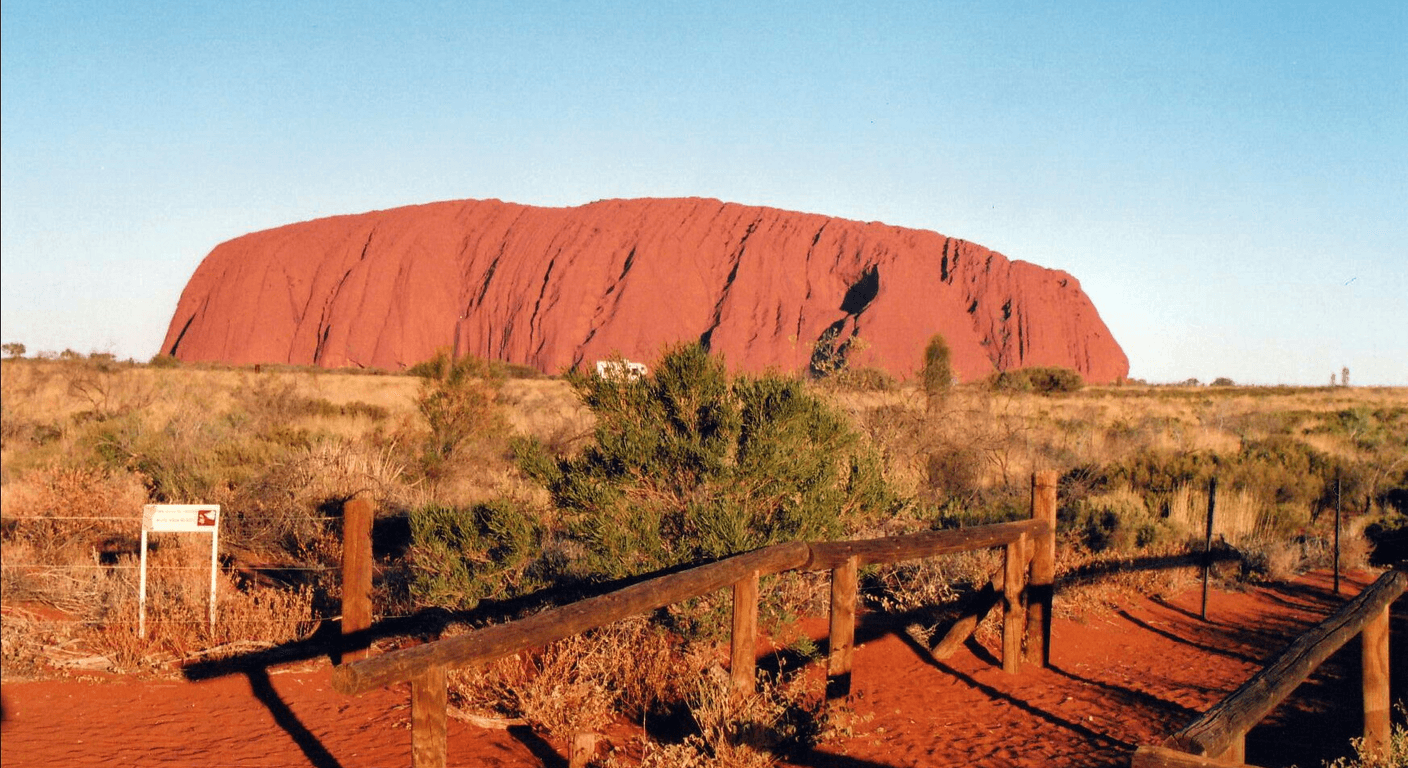
August and September are also popular, particularly for the NT and western Queensland, where the dry season brings clear skies and cooler nights. The trade-off is that these months attract the highest visitor numbers at iconic sites like Uluru and the Flinders, which means some properties book out well in advance. For station stays specifically, the shoulder window of April–June tends to offer more availability, more personal attention from hosts, and a more genuine sense of the station's working rhythms — shearing often falls in autumn and spring, and watching a shearing team work through a mob is one of the memorable experiences of outback travel.
Winter in the outback — July and August — can be cold at night, particularly in the Flinders Ranges and the Red Centre, where overnight temperatures can drop below five degrees Celsius. Stations are generally well-heated, but if you plan any dawn walks or early-morning activities, pack layers that you would not feel silly wearing in a Melbourne winter. The shoulder seasons avoid both the extreme cold of mid-winter and the dangerous heat of summer, and for older travellers managing their energy carefully, that balance matters.
Practical planning: what to sort before you leave Victoria
Book accommodation directly with each station where possible, or through official state tourism platforms. Direct booking allows you to ask specific questions — about road conditions, dietary needs, accessibility of rooms, and whether steps or uneven ground are involved in reaching your accommodation. Many homesteads are single-storey and genuinely accessible; some have bathrooms that have not been updated since the 1980s. Asking directly saves surprises.
Travel insurance that covers remote medical evacuation is essential, not optional. Standard domestic travel insurance may not cover helicopter or RFDS evacuation, so read the product disclosure statement carefully and look specifically for 'emergency evacuation' and 'remote area' clauses. Several Australian insurers offer policies specifically designed for older travellers, including those with pre-existing conditions — compare options through a licensed broker or a comparison platform, and disclose your medical history accurately.
If you are flying to reach your starting point — into Longreach, Alice Springs, or Darwin — book flights through the airline directly and confirm baggage allowances for any specialised gear (a small folding walking stick, a CPAP machine for sleep apnea, extra medication). Qantas and Rex Airlines both service regional outback centres, and Qantas Link connects major capitals to outback Queensland hubs. Allow a buffer day on each end of your trip; outback travel runs on its own schedule, and a dust storm, a flooded road or a mechanical issue is not a crisis if you have not booked a flight home for the morning after your last night on the station.
Quick planning guide
| Ideal pace | Slow-paced, set by the station's own rhythms rather than a fixed itinerary |
|---|---|
| Best months | April to June (shoulder season); August–September also popular in the NT and western Queensland |
| Suggested stay | A few nights on one property to settle into the pace and activities |
| Mobility level | Moderate — many homesteads are single-storey and accessible, but getting there involves long self-drives on sealed or unsealed roads |
| Cost level | Varies widely — from simple shared shearers' quarters to full-board homestead rooms |
| Comfort level | Simple and genuine rather than resort-style; air conditioning and Wi-Fi are not guaranteed |
| Best for | Older travellers wanting authentic rural immersion, and solo travellers who feel safer in a hosted homestead setting |
| Main planning consideration | Remote medical access, extreme heat, and preparing your vehicle, fuel and communication plan in advance |
Key takeaways
- The Flinders Ranges is the most accessible outback station region for Victorian travellers — sealed roads all the way, with genuine station character.
- Shoulder season — April to June — offers the best combination of comfortable temperatures, working station activity and accommodation availability.
- A personal locator beacon (PLB) and a satellite communicator are practical, not paranoid, for any solo traveller in remote Australia.
- Travel insurance must specifically cover remote medical evacuation — standard domestic policies often do not.
- Ask each station directly about road conditions, accessibility and dietary needs before you book, not after you arrive.
- Fuel planning is non-negotiable in remote areas: fill up completely at every opportunity and carry a backup jerry can.
Recommended partners and links
Indicative prices only — always confirm with the operator before booking.
Frequently asked questions
Do I need a 4WD to reach most outback station stays?
It depends on the region and the specific property. Most Flinders Ranges stations are reachable by conventional vehicles on well-graded dirt roads in dry conditions. In western Queensland and the Northern Territory, a high-clearance 4WD is often necessary and sometimes essential. Always ask the station directly about the last section of road to their property, and check current road conditions with the relevant state road authority before you depart.
What is the best time of year for an outback station stay if you are sensitive to heat?
April through early June is the most comfortable window across most outback regions, with mild daytime temperatures and lower tourist numbers than the peak July–August dry season. August and September are also viable, particularly in the Northern Territory. Avoid November through March across all regions — temperatures regularly exceed 40 degrees Celsius and heat-related illness is a serious risk for older travellers.
How do station stays accommodate travellers with mobility limitations?
Accommodation varies widely. Many homestead rooms are single-storey with straightforward access, but some older properties have steps, uneven verandahs or bathrooms that predate modern accessibility standards. The most reliable approach is to contact each station directly before booking and describe your specific needs — most hosts are straightforward about what they can and cannot offer, and some have made deliberate upgrades for older guests.
Is it safe to travel solo as an older woman to remote station stays?
Station stays are generally considered safe for solo female travellers — you are on a working property with a host family or staff, known by name, and checked on regularly. The risks that require planning are environmental: heat, distance from medical care, and road conditions. Carrying a personal locator beacon, registering your itinerary with someone at home, and choosing shoulder season travel addresses most of those risks practically.
What should I expect in terms of mobile phone coverage at a remote station?
Expect very limited to no mobile coverage on most remote stations. Telstra has the broadest network reach in outback Australia, but even Telstra coverage drops out well beyond major towns. Many stations now have satellite internet for guests, but speeds are slow compared to city standards. A satellite communicator device — such as a Garmin inReach — is a reliable alternative for staying in contact when mobile networks are unavailable.