Prague suits an unhurried week-long visit, ideally in May–June or September–October when temperatures sit between 15–22°C and crowds thin out. The defining experience is early-morning Old Town Square and Charles Bridge before the tour groups arrive, paired with a half-day at Prague Castle (reached by tram rather than the steep climb) and a day trip to Český Krumlov. Mobility demands are moderate due to uneven cobblestones, and Australians should expect roughly 22–24 hours of flying via one stopover, with no direct service to Prague.
Getting There: The Long Haul from Australia
From Melbourne or Sydney, Prague is roughly 22–24 hours of flying, almost always with one stopover — Dubai, Doha, Singapore, or Frankfurt are common hubs. There's no direct service from Australia to Prague's Václav Havel Airport, so factor in a connection. The good news is that business-class upgrades on this route are genuinely worth considering for a group trip: arriving rested matters more at 66 than it did at 36.
Jet lag from Australia to Central Europe is real. Prague sits roughly seven to nine hours behind eastern Australian time in European summer, so your body clock will be running on a schedule that has you sharp at 3am and drowsy by mid-afternoon. The sensible move — and it's a smart one, not a cautious one — is to book your first night in Prague as a recovery night. Don't schedule anything. Sleep when you can, walk to a nearby café, and let the city arrive at its own pace.
Travel insurance is non-negotiable on a trip of this length, and for travellers over 50 with any pre-existing conditions, the policy details matter. Confirm that your insurer covers your specific health history before you book flights. The Australian government's Smartraveller website (smartraveller.gov.au) carries current entry requirements for the Czech Republic, including any Schengen zone digital travel authorisation rules that may apply to Australian passport holders — check this closer to departure, as requirements have been subject to change.
When to Go: Seasons Are Reversed from Australia
When Australians are sweltering through January, Prague is in the grip of a Central European winter — think grey skies, temperatures around zero, and very short days. That's not the Prague you're after. The sweet spots are May to June and September to October, when daytime temperatures sit comfortably between 15 and 22°C, the city's famous linden trees are either flowering or turning gold, and the tourist crush — while still present — is noticeably lighter than July and August.
Shoulder season travel in September is particularly pleasant for a group. The summer school holidays have cleared, outdoor tables are still in use, and the light in the late afternoon turns the sandstone buildings on Charles Bridge a warm amber that no photograph quite captures. Early October can bring crisp mornings and the occasional shower, so a light packable jacket earns its place in the luggage.
Australian winter — June and July — aligns with Prague's high summer. It's entirely doable, and the long daylight hours (up to 16 hours of light) are a genuine bonus for sightseeing. The trade-off is crowds at the major sites, particularly Old Town Square and the castle district, which can feel overwhelming at peak midday. The solution is simple: go early.
Old Town Square and Charles Bridge: The Art of the Early Morning
Old Town Square is Prague's great civic stage, framed by Gothic and Baroque architecture and anchored by the medieval Astronomical Clock — the Orloj — which performs a modest mechanical procession on the hour. The square can feel chaotic by 10am in peak season, with tour groups and selfie sticks competing for the same sightlines. At 7.30am, it's a different city entirely. The light is soft, the cafés are just opening, and the cobblestones are yours.
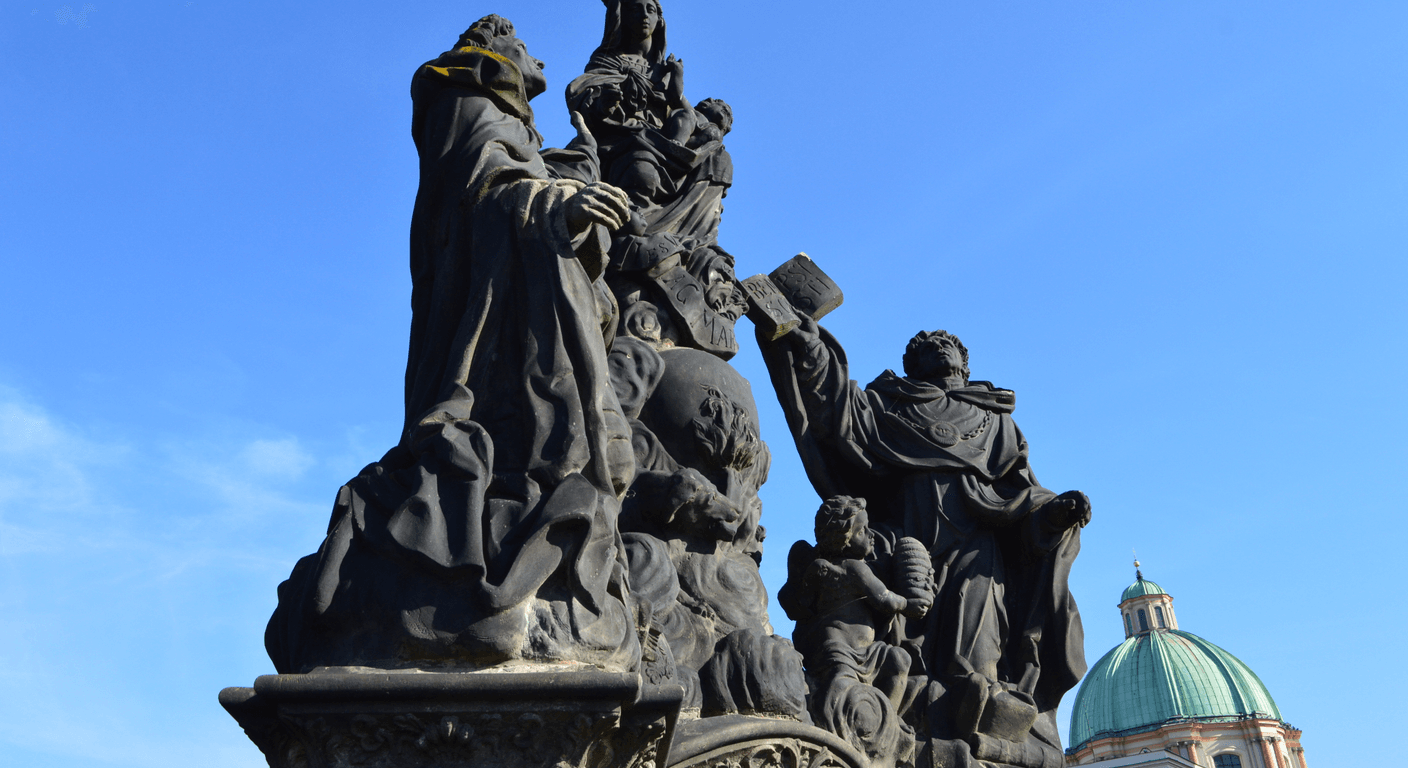
Charles Bridge, a 14th-century stone crossing over the Vltava River lined with 30 Baroque statues, follows the same rule. Walk it before 8am and you'll share it with a handful of photographers and the occasional local cyclist. By mid-morning, it's shoulder-to-shoulder. The statues are extraordinary up close — worn smooth by centuries of hands, each one with a story attached. The bridge connects Old Town to Malá Strana (Lesser Town) and the castle district beyond.
A practical note on footwear: Prague's cobblestones are historic and uneven, and they will end a good pair of ballet flats in two days. Supportive walking shoes with a low heel are the sensible choice, and nobody in this city will think less of you for them. The Jewish Quarter — Josefov — sits just north of Old Town Square and is one of the best-preserved historic Jewish districts in Europe, with six synagogues and an evocative old cemetery. Entry fees apply; confirm current pricing at prague.eu before you go.
Prague Castle: How to Get Up the Hill Without the Climb
Prague Castle — Pražský hrad — is the largest ancient castle complex in the world by area, sitting high above the city on the left bank of the Vltava. The view from the castle gardens back over the red-roofed city is the image most people associate with Prague, and it earns every postcard it appears on. The challenge is the hill itself, which rises steeply from Malá Strana.
Tram line 22 is the practical solution and a genuine pleasure. It runs from the centre of the city up through Malá Strana and terminates at Pohořelec, just a short and relatively flat walk from the castle's western entrance. This spares the steepest part of the ascent entirely. Within the castle complex, the terrain is more manageable — largely flat or gently sloped — though some areas involve steps. St Vitus Cathedral, which dominates the complex, is extraordinary: a Gothic structure begun in 1344 and not completed until 1929. The interior is vast and cool, with stained glass by Alfons Mucha among its highlights.
The castle complex is large enough to fill a half-day comfortably. A combined ticket covers multiple sites within the grounds; confirm current ticket options and prices at hrad.cz before you go. The castle gardens, open in warmer months, offer a quieter retreat from the main tourist flow and fine elevated views. Allow time to simply sit. That's not wasted time — it's the point.
A Day in Český Krumlov: The Smaller Town Worth the Journey
About three hours south of Prague by coach, Český Krumlov is a small medieval town on a horseshoe bend of the Vltava River in southern Bohemia. It's a UNESCO World Heritage site, and unlike some heritage designations, that status here is immediately obvious — the town's old core has remained almost entirely intact, its castle tower visible from most streets, the river wrapping around it like a moat. It's a place that makes you slow down without trying.
Comfortable coach transfers run from Prague, and several reputable operators offer day-trip packages that include transport and a guided walk. Confirm current operators and pricing through prague.eu or your hotel's concierge. The town itself is compact and walkable, with the castle complex — Český Krumlov Castle — sitting above the old town on a rocky promontory. The castle interiors, accessible by guided tour, are furnished in remarkable period detail; the Baroque theatre within the castle is one of the best-preserved in Europe. Confirm tour availability and booking requirements at zamek.ckrumlov.cz.
The town has a good selection of riverside restaurants, and lunch here — perhaps trout from local waters, with a Czech pilsner that costs roughly half what you'd pay in Prague — is one of those quiet pleasures that a well-paced trip delivers. For a group of friends, Český Krumlov has a natural sociability to it: small enough to wander independently and reunite for lunch, interesting enough that everyone finds their own reason to linger.
Where to Stay and What Things Roughly Cost
Prague's Old Town and Malá Strana neighbourhoods put you within walking distance of the major sites, though accommodation here commands a premium. A well-regarded 4-star hotel in Old Town runs indicatively around AUD $250–$400 per night; confirm current rates directly with hotels or through your preferred booking platform. The neighbourhood around Náměstí Republiky (Republic Square), just east of Old Town, offers slightly more competitive pricing with easy tram access to everywhere you need.
Dining in Prague is genuinely good value by Australian standards. A sit-down lunch with wine at a mid-range restaurant — not a tourist trap on the square, but a proper Czech kitchen a street or two back — runs indicatively around AUD $30–$50 per person. Czech cuisine is hearty: svíčková (braised beef in cream sauce with bread dumplings) is a national dish worth ordering at least once, and Czech pilsner is among the finest beer in the world. Coffee culture is strong, and the city's café scene rewards an unhurried afternoon.
Overall, a week in Prague for two people — flights, 4-star accommodation, meals, museum entries, tram passes and the Český Krumlov day trip — might run indicatively from AUD $7,000–$12,000 depending on flight class, season and accommodation choices. These are rough planning figures only; confirm all costs before booking. The Czech koruna (CZK) is the local currency; euro is not universally accepted, so carry some local cash or use a no-foreign-fee travel card.
Practical Matters: What to Sort Before You Fly
The Czech Republic is a Schengen zone member, which means Australian passport holders are subject to Schengen short-stay rules — currently 90 days within any 180-day period, though entry requirements and any digital travel authorisation systems should be confirmed at smartraveller.gov.au close to your departure date. Register your travel plans on Smartraveller while you're there; it takes minutes and is genuinely useful if anything goes wrong overseas.
Travel insurance for a trip of this nature — long-haul, multi-country if you extend the itinerary, and for travellers who may have pre-existing health conditions — requires careful attention. Don't default to the cheapest policy. Read the pre-existing conditions clauses, confirm medical evacuation cover, and keep a digital and physical copy of your policy number and the emergency contact number. A good travel agent who specialises in senior travel can help you work through this.
For a group of friends travelling together, a few logistics are worth sorting early: adjoining or same-floor rooms if mobility or late-night check-ins matter, a shared itinerary document everyone can access on their phones, and agreement on a daily pace that suits the least energetic member of the group on any given day. Prague rewards flexibility. There's no shame in one person staying at the café while another climbs the tower — that's not compromise, that's good travel.
Quick planning guide
| Ideal pace | Slow and unhurried, built around early mornings and long lunches |
|---|---|
| Best months | May–June and September–October |
| Suggested stay | About a week, including a day trip to Český Krumlov |
| Mobility level | Moderate — historic cobblestones and a hill climb to the castle, eased by tram 22 |
| Cost level | Mid-range to premium, indicatively AUD $7,000–$12,000 for two for a week |
| Comfort level | Good — quality 4-star accommodation and strong dining value for the price |
| Best for | Groups of friends over 50 travelling at a relaxed, flexible pace |
| Main planning consideration | Long-haul flights with one stopover, jet lag recovery, Schengen entry rules and pre-existing condition cover on travel insurance |
Key takeaways
- Old Town Square and Charles Bridge are best before 8am — the crowds that arrive by mid-morning transform both sites entirely.
- Tram 22 handles the steepest part of the approach to Prague Castle, making the castle district accessible without a punishing climb.
- May–June and September–October are the optimal months for Australians visiting Prague — comfortable temperatures and thinner crowds than peak summer.
- Český Krumlov is a genuine half-day or full-day excursion from Prague, about three hours each way by coach, and worth every minute of the journey.
- Prague is significantly more affordable than Western European capitals — mid-range dining and accommodation offer strong value for Australian travellers.
- Confirm Schengen entry requirements and travel insurance pre-existing condition clauses at smartraveller.gov.au well before departure.
Recommended partners and links
Indicative prices only — always confirm with the operator before booking.
Frequently asked questions
How long is the flight from Australia to Prague?
Flights from Melbourne or Sydney to Prague take roughly 22–24 hours total, almost always with one stopover in a hub such as Dubai, Doha, Singapore or Frankfurt. There is no direct service from Australia to Prague's Václav Havel Airport. Plan a recovery night on arrival before starting sightseeing.
Is Prague suitable for travellers with mobility concerns?
Prague is rated Moderate for mobility. The Old Town's cobblestone streets are uneven, and Prague Castle sits on a hill. However, tram line 22 covers most of the ascent to the castle, and the major sites are otherwise manageable at a slow pace. Supportive, flat-soled walking shoes are strongly recommended.
Do Australians need a visa to visit the Czech Republic?
The Czech Republic is part of the Schengen zone, and Australian passport holders are currently permitted short stays without a visa under Schengen rules. Entry requirements and any digital travel authorisation obligations can change, so confirm current requirements at smartraveller.gov.au before booking.
What is the best way to get from Prague to Český Krumlov?
Comfortable coach services and day-trip packages operate from Prague to Český Krumlov, with a journey time of approximately three hours each way. Several operators offer guided day trips that include transport and a walking tour. Confirm current operators and pricing through prague.eu or your hotel concierge.
What time of year should Australians visit Prague?
May–June and September–October offer the best balance of comfortable temperatures (roughly 15–22°C), manageable crowds and long daylight hours. Australian winter (June–July) aligns with Prague's high summer — busy but very workable if you visit major sites early in the morning. Czech winters are cold, grey and short on daylight.
- Prague City Tourism – official visitor information
- Smartraveller – Czech Republic travel advice (Australian Government)
- Prague Castle official site (hrad.cz)
- Český Krumlov Castle official site
- Prague Public Transit (DPP) – tram and transport information
- Český Krumlov Tourism – official regional information