Tallinn's walled Old Town is best visited in May, June or August–September, when daylight is long and crowds manageable. A stay of four to five nights suits its compact, kilometre-wide medieval layout, with the fifteenth-century walls, Toompea hill and Raekoja plats as the defining draw. Mobility is moderate — cobbles and steep lanes demand sturdy shoes — while access from Australia requires roughly 26–30 hours via a European hub such as Helsinki, ideally with a recovery night before sightseeing begins.
Why Tallinn works so well for the unhurried traveller
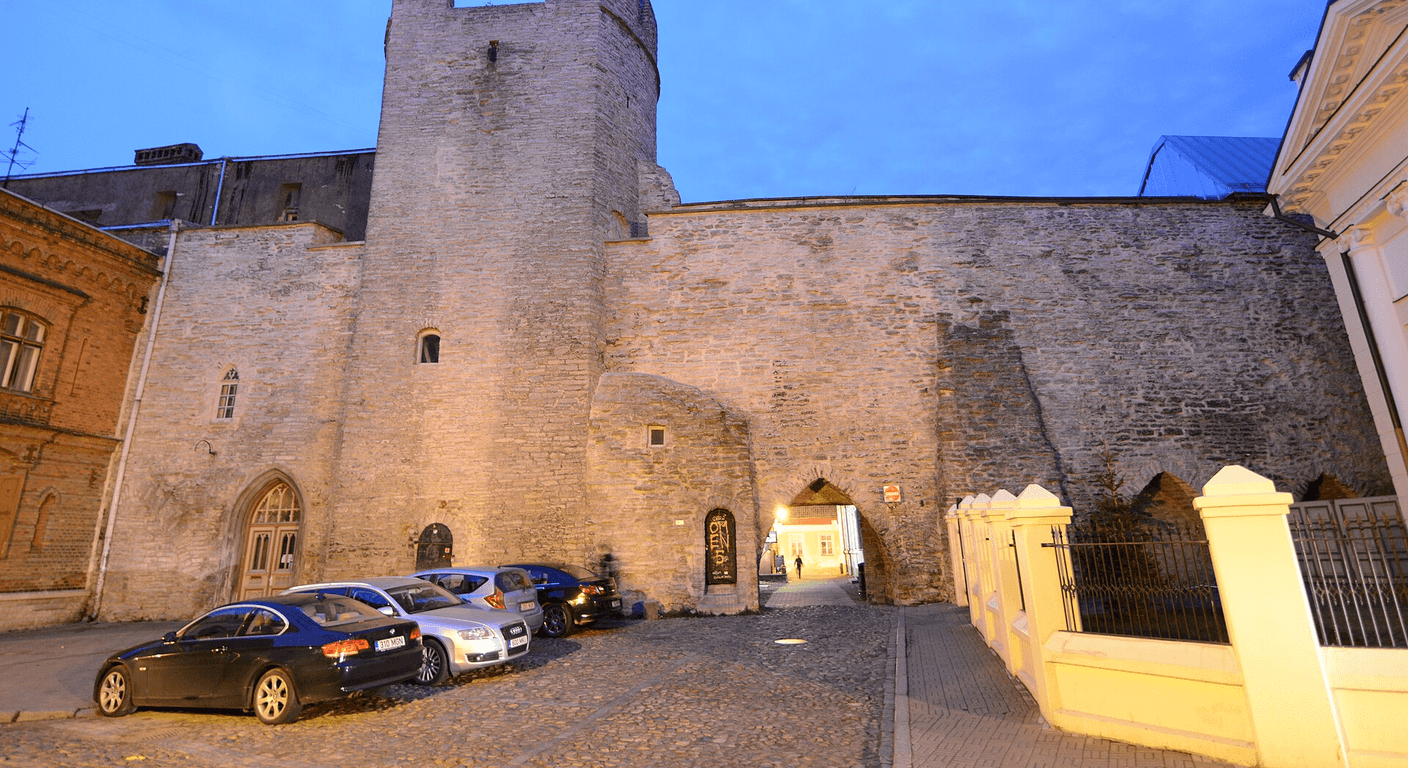
Most European medieval centres ask you to work for them — long transfers, sprawling layouts, relentless crowds. Tallinn is different. The Old Town sits on a low hill above the Baltic coast, enclosed by a limestone wall that hasn't changed much since the fifteenth century. From one edge to the other is roughly a kilometre. You could cover it in an hour if you were in a hurry. The point is that you won't be.
For a solo traveller from Victoria arriving after a long-haul flight, the city's compact scale is genuinely practical. You can base yourself in a single hotel for four or five nights, leave your bag each morning, and return for an afternoon rest without losing time to logistics. There are no metro lines to decode, no bus passes to buy. The Old Town is simply walked.
That said, 'walkable' doesn't mean flat. Tallinn has two distinct zones — the Lower Town (Vanalinn) at street level and the Upper Town (Toompea) on the hill above — connected by a handful of steep lanes and stairways. A 69-year-old with steady knees will manage it comfortably at a measured pace. If steep inclines are a concern, Toompea is also accessible by road, and taxis are cheap and plentiful. The honest version: plan your mornings for the hills, not your afternoons.
Getting there from Australia — what the routing actually looks like
There are no direct flights from Australia to Estonia. The standard approach from Melbourne or Sydney is a flight to a European hub — Helsinki, Frankfurt, Amsterdam or Copenhagen are the most logical — followed by a short onward connection. Helsinki is the obvious choice: the flight from Melbourne via Singapore or a Gulf carrier runs around 21–23 hours to Helsinki, then it's either a 2-hour flight or, more pleasingly, a 2.5-hour ferry across the Gulf of Finland. Total door-to-door from Melbourne: roughly 26–30 hours depending on the connection.
Jet lag at this distance is real and should be planned for honestly. A recovery night in Helsinki or at your Tallinn hotel before sightseeing begins is not wasted time — it's the difference between enjoying the first few days and enduring them. Book a hotel that allows early check-in or at least luggage storage, and resist the urge to fill day one with sights.
Fares from Melbourne or Sydney to Helsinki or Tallinn (via a hub) typically run anywhere from around AUD 2,000 to AUD 4,500 or more return in economy, depending on airline, season and how far in advance you book. These are indicative figures only — confirm current fares with your airline or travel agent. Business class, which makes a genuine difference on a 13-hour leg, is considerably more. If budget allows and your back objects to economy, it's worth pricing.
Entry rules, Schengen and what to sort before you leave Australia
Estonia is a member of the Schengen Area. Australian passport holders can enter for up to 90 days within any 180-day period without a visa — but the European Union's ETIAS travel authorisation system is expected to come into effect for Australians in the near future. Check smartraveller.gov.au well before booking, as requirements can change and this guide cannot substitute for official advice.
Travel insurance is non-negotiable at any age, and at 69 the policy needs careful reading. Many standard policies exclude or limit cover for pre-existing medical conditions unless they're declared and accepted at the time of purchase. Compare policies that specifically cover pre-existing conditions — Cover-More, Allianz and nib are among the established Australian providers worth comparing, though this is not an endorsement. Read the product disclosure statement before you buy.
Estonia uses the euro. ATMs are reliable in the Old Town and surrounding streets. Card payments are almost universal — Estonia is one of the most digitally advanced countries in Europe and many smaller cafés are card-only. Carry a small amount of cash for the occasional market stall, but don't stress about it.
Moving around the Old Town — what to expect underfoot
The cobblestones in Tallinn's Old Town are not decorative. They are original, uneven, and slippery when wet. Comfortable, well-soled walking shoes with ankle support are essential — not a suggestion made out of caution but a practical observation from anyone who's turned an ankle on the stones near Raekoja plats (Town Hall Square) on a drizzly morning. Leave the fashion trainers in the bag.
The main pedestrian artery, Viru Street, is relatively smooth and manageable. The steeper lanes climbing to Toompea — Pikk jalg (Long Leg) and Lühike jalg (Short Leg) — are the ones to treat with respect. Pikk jalg is the gentler gradient of the two and is the better choice for anyone with knee concerns. Once on Toompea, the hilltop platforms at Kohtuotsa and Patkuli offer sweeping views over the Lower Town's terracotta rooflines and church spires — the kind of view that earns the climb.
If a full day on cobblestones is more than comfortable, Tallinn rewards a different rhythm: one focused area per morning, a long lunch, and the afternoon spent in a courtyard café or the hotel. The city doesn't punish you for going slowly. That's rather the point.
What to do and see — the Old Town's actual highlights
Raekoja plats, the Gothic Town Hall Square at the heart of the Lower Town, is where most mornings begin naturally. The town hall itself dates to the fifteenth century and is open seasonally for visits — confirm hours at visittallinn.ee. Around the square, the lanes fan out to merchant houses, guild buildings and the occasional courtyard that feels genuinely unchanged. St Olaf's Church (Oleviste kirik) on Pikk Street offers a tower climb for those confident on narrow medieval stairs — the views are considerable, the stairs are not for the faint-hearted.
The Estonian History Museum has two locations: the main branch at Maarjamäe Palace (a short taxi ride from the Old Town) and the Great Guild Hall on Pikk Street, which is more convenient. The Kumu Art Museum — Estonia's national art gallery, about three kilometres from the Old Town — is worth the taxi fare for anyone interested in twentieth-century Baltic art. It's a serious, well-designed institution, not a tourist attraction. The Estonian Open Air Museum at Rocca al Mare, further out, requires a taxi or bus but offers a genuine change of pace: traditional farm buildings spread across a coastal forest.
For a solo traveller who prefers his own company over group tours, Tallinn's café culture is a quiet pleasure. The Old Town has no shortage of places to sit with a coffee and a book — Maiasmokk on Pikk Street, Estonia's oldest café, has been operating since 1864 and remains unpretentious. Lunch at one of the Old Town's cellar restaurants — elk, wild boar and Baltic herring appear regularly on menus — is the kind of meal that justifies the journey.
The Helsinki ferry — a day trip worth taking
One of Tallinn's most practical quirks is its ferry connection to Helsinki. Tallink Silja and Eckerö Line operate regular crossings across the Gulf of Finland — the journey takes roughly 2 to 2.5 hours on the fast ferries, and the views of both city skylines from the water are genuinely good. For a solo traveller with five days in Tallinn, a day in Helsinki makes a natural addition: a different scale, a different language, the same grey Baltic light.
Ferries depart from Tallinn's D-terminal, a short taxi ride from the Old Town. Indicative standard passenger fares run around AUD 30–80 each way depending on departure time and how far ahead you book — confirm current prices directly with Tallink Silja at tallinksilja.com. The terminal is accessible and the vessels are large, modern ships with comfortable seating areas and cafés. It's a relaxed crossing, not an adventure.
If the Helsinki connection is part of the travel plan from Australia, the ferry can serve as the final leg of the outbound journey — fly into Helsinki, spend a night recovering, then take the morning ferry to Tallinn. On the return, reverse it. It adds a pleasing logic to the routing and avoids a second long-haul departure day from a city you've just arrived in.
Practical matters — costs, staying comfortable, and when to go
May, June and August–September are the months that balance long daylight hours with manageable visitor numbers. July is the peak of Baltic summer and the Old Town fills with cruise passengers and European tourists — it remains enjoyable but noticeably busier. October brings a quieter, colder city with low amber light and fewer queues; some outdoor cafés close, but the museums stay open and the atmosphere shifts to something more local and unhurried. November through March is cold, dark and suited to travellers who enjoy that kind of thing.
Accommodation in or just outside the Old Town walls ranges widely. A comfortable mid-range hotel — private bathroom, decent breakfast, reliable Wi-Fi — runs roughly AUD 150–250 per night at indicative current rates; boutique properties within the medieval walls can be higher. These figures are indicative only — confirm current rates when booking. The Old Town is compact enough that staying just outside the walls (in the Kalamaja or Telliskivi districts, a short taxi ride away) can offer better value and a more neighbourhood feel.
Daily costs are moderate by Western European standards but have risen in recent years, particularly in Old Town restaurants. Lunch at a sit-down restaurant runs roughly AUD 20–40; dinner with wine, AUD 60–100 or more at a better establishment. Public transport within Tallinn is cheap and efficient for reaching outlying museums, though the Old Town itself requires no transport at all. A realistic daily budget for a comfortable solo traveller — accommodation, meals, entry fees and the occasional taxi — sits roughly in the AUD 200–350 range, all indicative and subject to current exchange rates.
Quick planning guide
| Ideal pace | Slow-paced — one area per morning, long lunches, unhurried afternoons |
|---|---|
| Best months | May, June, and August–September for daylight and lighter crowds; July is busier, October quieter and colder |
| Suggested stay | Four to five nights based in a single Old Town hotel |
| Mobility level | Moderate — uneven cobblestones and steep lanes to Toompea, manageable at a measured pace with good shoes |
| Cost level | Moderate, roughly AUD 200–350 a day all-in for a comfortable solo traveller |
| Comfort level | Comfortable mid-range hotels widely available in or near the Old Town |
| Best for | Solo senior travellers who prefer walking, cafés and museums over group tours |
| Main planning consideration | Long routing from Australia (26–30 hours via a hub like Helsinki) makes a jet-lag recovery night before sightseeing genuinely worthwhile |
Key takeaways
- Tallinn's Old Town is roughly one kilometre across — the entire medieval centre is walkable without a car, bus or map app.
- The routing from Melbourne or Sydney runs approximately 26–30 hours via a European hub; a recovery night before sightseeing is genuinely advisable.
- Cobblestones and inclines are real and uneven — well-soled, ankle-supporting shoes are essential, not precautionary.
- Australian passport holders enter Estonia under Schengen rules; check current ETIAS requirements at smartraveller.gov.au before booking.
- A Tallink Silja ferry to Helsinki takes around 2–2.5 hours and integrates naturally into the outbound or return journey from Australia.
- Travel insurance must cover pre-existing medical conditions — read the product disclosure statement carefully before purchasing.
Recommended partners and links
Indicative prices only — always confirm with the operator before booking.
Frequently asked questions
How long does it take to fly from Australia to Tallinn?
There are no direct flights from Australia to Estonia. From Melbourne or Sydney, the journey runs approximately 26–30 hours via a European hub such as Helsinki, Frankfurt or Amsterdam, including the connection. Helsinki is the most logical hub if you plan to take the ferry to Tallinn, as the crossing takes around 2–2.5 hours and avoids a separate domestic flight.
Do Australians need a visa to visit Estonia?
Australian passport holders can enter Estonia — and the broader Schengen Area — for up to 90 days within any 180-day period without a visa. However, the EU's ETIAS travel authorisation system is expected to apply to Australians in the near future. Check the current requirements at smartraveller.gov.au before booking, as rules can change.
Is Tallinn's Old Town suitable for travellers with mobility concerns?
Tallinn's Old Town is rated Moderate for mobility. The streets are original medieval cobblestone — uneven, occasionally steep, and slippery when wet. The main lanes are manageable at a slow pace with good footwear, but the climb to Toompea (the Upper Town) involves a noticeable incline. Toompea is also accessible by road and taxi. Travellers with significant knee, hip or balance concerns should factor this in when planning daily itineraries.
What is the best time of year to visit Tallinn?
May–June and August–September offer the best balance of long daylight hours, mild temperatures and manageable visitor numbers. July is the busiest month. October is quieter and atmospheric but cooler, with some outdoor venues closing. Winter months are cold and dark — suited to travellers who enjoy that, and not recommended for those prioritising outdoor walking.
How do you get from Tallinn to Helsinki by ferry?
Tallink Silja and Eckerö Line operate regular ferry crossings between Tallinn's D-terminal and Helsinki, taking approximately 2 to 2.5 hours on the fast ferries. Indicative standard passenger fares run around AUD 30–80 each way depending on timing and advance booking — confirm current prices at tallinksilja.com. The D-terminal is a short taxi ride from the Old Town and the vessels are modern and accessible.