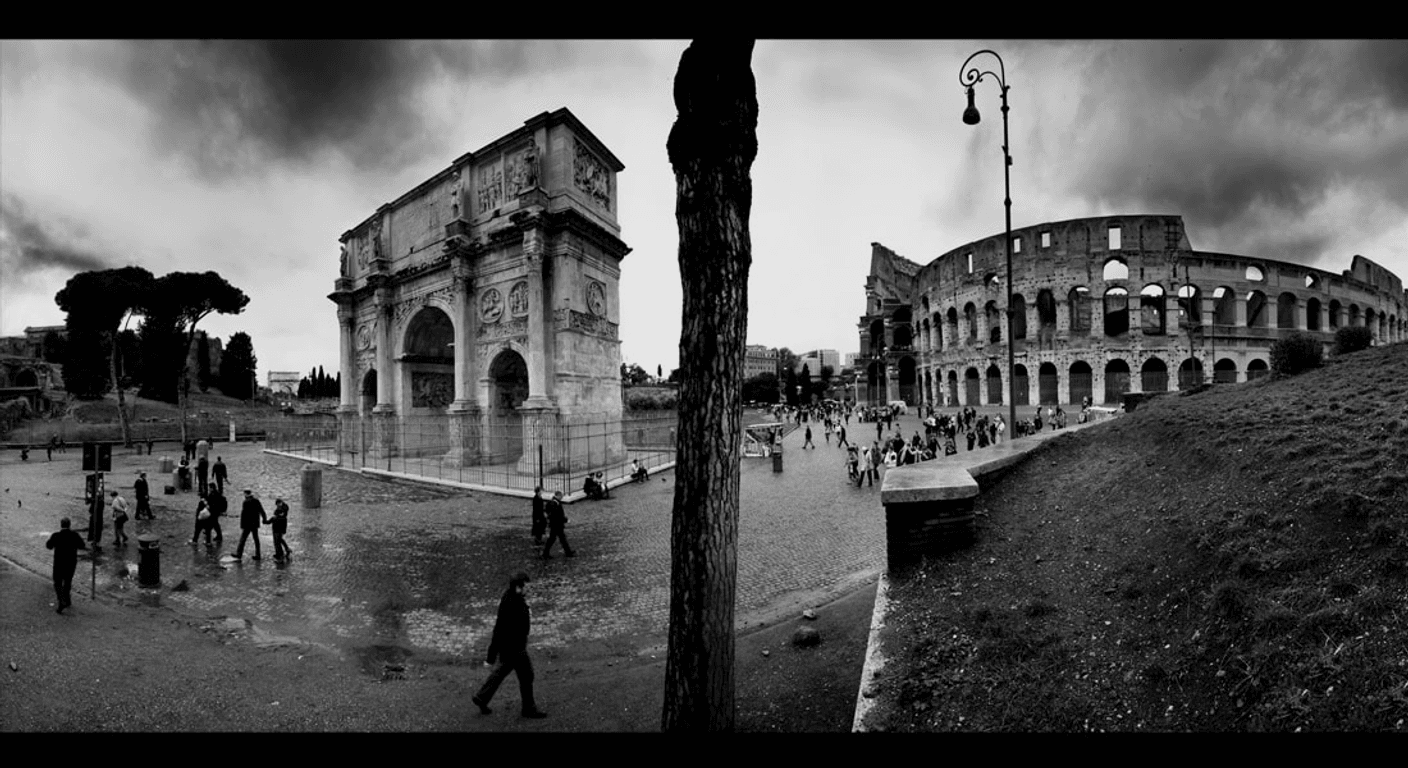
Rome suits a slow, unhurried visit, best timed for April–May or September–October when temperatures sit between 18–26°C and crowds ease from midsummer peaks. A stay of several days works well, built around one pre-booked major site per day — the Colosseum or Vatican — followed by a long lunch and evening passeggiata. Mobility is moderate, since Rome's uneven sampietrini cobblestones demand flat, firm-soled shoes. There are no direct flights from Australia; expect a 22–28 hour journey via Dubai, Singapore, Doha or Abu Dhabi.
Why Rome Rewards the Slower Traveller
There is a particular kind of traveller Rome was made for: someone who has stopped competing with a clock. The city's greatest pleasures — a conversation with a barista, the way afternoon light falls across the Pantheon's oculus, a plate of cacio e pepe eaten without looking at the time — are not things you rush toward. They arrive when you stop rushing.
For Australians over 50, especially those with Italian or Latin heritage, Rome can feel like a homecoming of sorts, even on a first visit. The cadence of daily life — the long lunch, the early-evening stroll, the espresso taken standing at a bar — maps naturally onto a pace that suits travellers who have earned the right to take their time. The city's chaos is real. So is its generosity.
The practical argument for slowing down is also plain: Rome's historic centre is largely paved in sampietrini, those small, rounded basalt cobblestones that look romantic in photographs and behave very differently underfoot. One major site per day, well chosen and pre-booked, is not a compromise. It's the correct way to see Rome if you want to remember what you saw.
Getting There: The Long-Haul Reality from Australia
Rome's Leonardo da Vinci–Fiumicino Airport (FCO) is not served by direct flights from Australia. From Sydney, Melbourne or Brisbane, the most common routes connect through Dubai (with Emirates), Singapore (with Singapore Airlines or Qantas codeshare), Doha (with Qatar Airways) or Abu Dhabi (with Etihad). Total travel time, including the stopover, runs to roughly 22–28 hours depending on the connection. That is a long time in a pressurised cabin, and it deserves honest planning.
Book a business or premium economy seat if the budget allows — the difference in how you feel on arrival is not trivial. Regardless of cabin class, compression socks, regular movement every couple of hours, and hydration are non-negotiable on a flight this length. Build in a full recovery night at your Rome hotel before any serious sightseeing. Arriving on a Wednesday and spending Thursday simply walking the neighbourhood, eating well and sleeping early is not wasted time — it is the foundation on which the rest of the trip stands.
Jet lag on the Rome–Australia route runs to a roughly eight-hour time difference (less during European summer). Most travellers find the eastward return journey harder; some choose a brief stopover in Singapore or Dubai on the way home to soften the transition. Travel insurance that covers pre-existing medical conditions is essential — compare policies carefully, as standard policies often exclude conditions that are common in the over-50 age group. Check the government's Smartraveller website for current visa requirements, including any ETIAS authorisation that may apply.
When to Go: Shoulder Season Is Not a Consolation Prize
April, May, September and October are the months that experienced Rome travellers protect fiercely. Daytime temperatures sit comfortably between 18°C and 26°C, the tourist volumes at major sites — while never low — are significantly more manageable than July and August, and the light in the late afternoon has a quality that is simply not available in the flat heat of midsummer.
July and August in Rome are genuinely taxing for anyone, but particularly for travellers who are not acclimatised to 35°C-plus heat and 80 per cent humidity. The cobblestones radiate heat from below; the crowds press in from all sides; and the city's famous drinking fountains — the nasoni, small iron spigots found throughout the historic centre — become lifelines rather than curiosities. If a summer visit is unavoidable, plan all sightseeing before noon and after 5pm, and treat the midday hours as a non-negotiable siesta.
November and early March are quieter still, and prices for accommodation often drop noticeably. The trade-off is shorter days and a real chance of rain. For a first visit, April–May remains the most reliable window: the wisteria is flowering on the Aventine Hill, the queues at the Colosseum are manageable with a pre-booked ticket, and a cardigan in the evening feels like a relief rather than a burden.
The Cobblestone Question — and Other Foot Matters
Sampietrini are the defining surface texture of Rome's historic centre, and they deserve a direct conversation. They are irregular, often slightly slick, and designed for cart wheels rather than modern soles. A rolled ankle is not a dramatic risk if you are paying attention, but it is a genuine one if you are wearing heeled sandals or anything with a thin, flexible sole. The right shoe for Rome is flat, with a firm sole and real ankle support — a quality walking shoe or low hiking boot, broken in before you leave home.
Several major sites have smoother internal surfaces — the Vatican Museums' main gallery corridors, for instance, are marble-floored and manageable — but the streets between sites are another matter. The Spanish Steps, the area around the Trevi Fountain and the lanes of Trastevere are all cobblestoned. This is not a reason to avoid them; it is a reason to wear the right shoes and, where the terrain becomes uneven, to slow down.
Rome also has a complicated relationship with wheelchair and mobility-aid access. Some sites have invested in ramps and lifts — the Vatican Museums have made genuine improvements — while others, including parts of the Roman Forum, remain difficult for anyone with significant mobility limitations. If mobility is a primary concern, research individual sites through their official websites before booking, and consider a specialist accessible-travel operator for guided options.
One Site a Day: How to Pre-Book the Big Two
The Colosseum and the Vatican are Rome's two most significant and most crowded sites. Both now operate timed-entry systems, and both can be booked through their official channels well before departure. For the Colosseum and the adjacent Roman Forum and Palatine Hill — which are covered by a single ticket — booking is done through the CoopCulture website (coopculture.it). For the Vatican Museums and Sistine Chapel, the official Vatican Museums site (museivaticani.va) handles reservations. Do not buy through third-party resellers if you can avoid it; the official sites are reliable and the markup on reseller tickets can be significant.
Indicative costs run to roughly AUD 30–50 for the Colosseum complex and AUD 40–60 for the Vatican Museums, though pricing changes regularly and exchange rates fluctuate — confirm current figures before booking. Both sites offer reduced rates for certain age groups; check the relevant site for current eligibility. A morning start (first or second entry slot) means cooler temperatures, fewer crowds and better light for photographs. By noon, both sites are at their busiest.
One major site per day is a rhythm, not a restriction. The Colosseum in the morning, followed by a long lunch in the Testaccio neighbourhood — Rome's old slaughterhouse quarter, now its most honest food precinct — and an evening walk along the Tiber is a complete and deeply satisfying day. The Vatican in the morning, then an afternoon in the Prati neighbourhood's cafes and shops, is another. The Borghese Gallery (booking essential, always, via galleriaborghese.it) is a third anchor, smaller in scale and all the richer for it.
Taxis, Nasoni and the Art of the Long Lunch
Rome's taxi culture is a legitimate travel tool, not a sign of defeat. The city's official taxis are white, metered, and can be hailed at designated ranks or called via the itTaxi app. Electric taxis have been expanding through the fleet. A ride from the Colosseum to the Vatican runs to roughly AUD 20–35 at indicative rates — confirm current fares — and saves the 40-minute walk across a city that does not believe in flat ground. Take taxis freely, especially in the heat of the afternoon or when legs are tired after a morning of sightseeing. There is no virtue in suffering.
Rome's drinking fountains — the nasoni — are one of the city's practical gifts to summer visitors. These small iron spigots, fed by the city's ancient aqueduct system, dispense cold, clean, potable water continuously throughout the historic centre. In summer, carry a refillable bottle and learn to find them by the small puddle of overflow at their base. They appear on most tourist maps and on the Roma Capitale website. Staying hydrated in Roman heat is not optional; it is the difference between a good afternoon and a very bad one.
The long lunch is Rome's most underrated offering for travellers who are not in a hurry. A proper trattoria lunch — antipasto, a pasta course, a secondo, wine, water, coffee — unfolds over two hours without any pressure to leave. This is not indulgence; it is the correct cultural rhythm. Lunch between 1pm and 3pm, followed by a rest at the hotel, positions you perfectly for the passeggiata: the early-evening stroll, roughly 6pm to 8pm, when Romans emerge from the heat, the piazzas fill with conversation, and the light turns every facade into something worth looking at. This is Rome at its most itself.
Staying Well and Staying Safe: Practical Notes for Australian Travellers
Travel insurance for Italy should be arranged before departure and should explicitly cover pre-existing medical conditions. Standard policies vary enormously in what they include — read the product disclosure statement carefully and, if in doubt, speak to a specialist travel insurance broker. Medicare does not extend to Italy. The European Health Insurance Card is not available to Australians. Out-of-pocket medical costs in Italy can be substantial without coverage.
Smartraveller (smartraveller.gov.au) is the Australian government's official travel advice service and should be checked before booking and again before departure. Italy's advice level, visa requirements, and any ETIAS authorisation requirements may have changed — the Smartraveller page for Italy is the only source that is current and authoritative. Register your trip through Smartraveller so the Australian embassy in Rome can contact you if needed.
Rome's petty theft rate in tourist areas is real and worth acknowledging without drama. Pickpockets operate on the 64 bus route (Vatican to Termini), around the Trevi Fountain, and in the Metro. A cross-body bag worn at the front, a money belt for cards and passport, and basic situational awareness are adequate precautions. Solo female travellers generally report feeling safe in Rome's central neighbourhoods after dark; the passeggiata culture means streets are populated and lively well into the evening.
Quick planning guide
| Ideal pace | Slow and unhurried — one major site per day |
|---|---|
| Best months | April–May and September–October (shoulder season) |
| Suggested stay | Several days, including a recovery day after the long-haul flight |
| Mobility level | Moderate — uneven sampietrini cobblestones and some sites without full wheelchair access |
| Cost level | Mid-range — indicative AUD 30–60 per major site plus taxi transfers |
| Comfort level | Comfortable with planning — flat supportive shoes, taxis, and midday breaks recommended |
| Best for | Older travellers who prefer depth and rhythm over a packed checklist |
| Main planning consideration | Pre-booking timed entries and managing cobblestones, heat and jet lag |
Key takeaways
- April–May and September–October are the ideal months for over-50 travellers: manageable heat, real crowds but not peak chaos, and the best light.
- Pre-book timed entries for the Colosseum (coopculture.it) and Vatican Museums (museivaticani.va) before leaving Australia — walk-up queues at both sites can run to several hours.
- One major site per day, with a long lunch and an evening passeggiata, is not a reduced itinerary — it is how Rome is meant to be experienced.
- Sampietrini cobblestones require flat, firm-soled shoes broken in before departure; heels and thin-soled sandals are a genuine injury risk on Rome's streets.
- Rome's nasoni drinking fountains provide free, cold, potable water throughout the historic centre — carry a refillable bottle in summer and use them freely.
- Travel insurance covering pre-existing conditions is essential; check smartraveller.gov.au for current Italy visa and ETIAS requirements well before booking.
Recommended partners and links
Indicative prices only — always confirm with the operator before booking.
Frequently asked questions
Do Australian travellers need a visa to visit Rome in 2025–2026?
Australian passport holders have historically been able to visit Italy visa-free for short stays within the Schengen Area, but the European Travel Information and Authorisation System (ETIAS) is being rolled out for travellers from visa-exempt countries. Check the current requirements at smartraveller.gov.au before booking, as the rules and timelines have changed and may change again.
How far in advance should you book Colosseum and Vatican tickets?
In peak season (June–August) and over Easter, timed-entry slots for both the Colosseum and Vatican Museums can sell out weeks or even months in advance. In shoulder season (April–May, September–October), booking 2–4 weeks ahead is generally sufficient, though earlier is always safer. Book directly through coopculture.it for the Colosseum and museivaticani.va for the Vatican.
Is Rome accessible for travellers with limited mobility?
Rome is Moderate in mobility terms. The Vatican Museums have invested in accessible routes, and taxis reduce the need for long walks between sites. However, the historic centre's sampietrini cobblestones, uneven kerbs and limited lift access at some Metro stations create real challenges for wheelchair users or travellers with significant mobility limitations. Research individual sites through their official websites and consider a specialist accessible-travel operator if needed.
What is the best neighbourhood to stay in Rome for an over-50 traveller?
The Prati neighbourhood (near the Vatican), the area around the Pantheon, and Trastevere all offer central locations with good restaurant and cafe access. Prati tends to be quieter and slightly less cobblestoned than the ancient centre. Staying central reduces the need for long taxi or Metro trips and puts the passeggiata culture within easy walking distance each evening.
How bad is jet lag travelling from Australia to Rome?
The time difference between eastern Australia and Rome is roughly seven to nine hours depending on daylight saving in both countries. Most travellers find the westward journey to Rome manageable with a good overnight flight and a recovery day on arrival. The eastward return to Australia is typically harder. A brief stopover in Singapore or Dubai on the way home can help ease the transition.