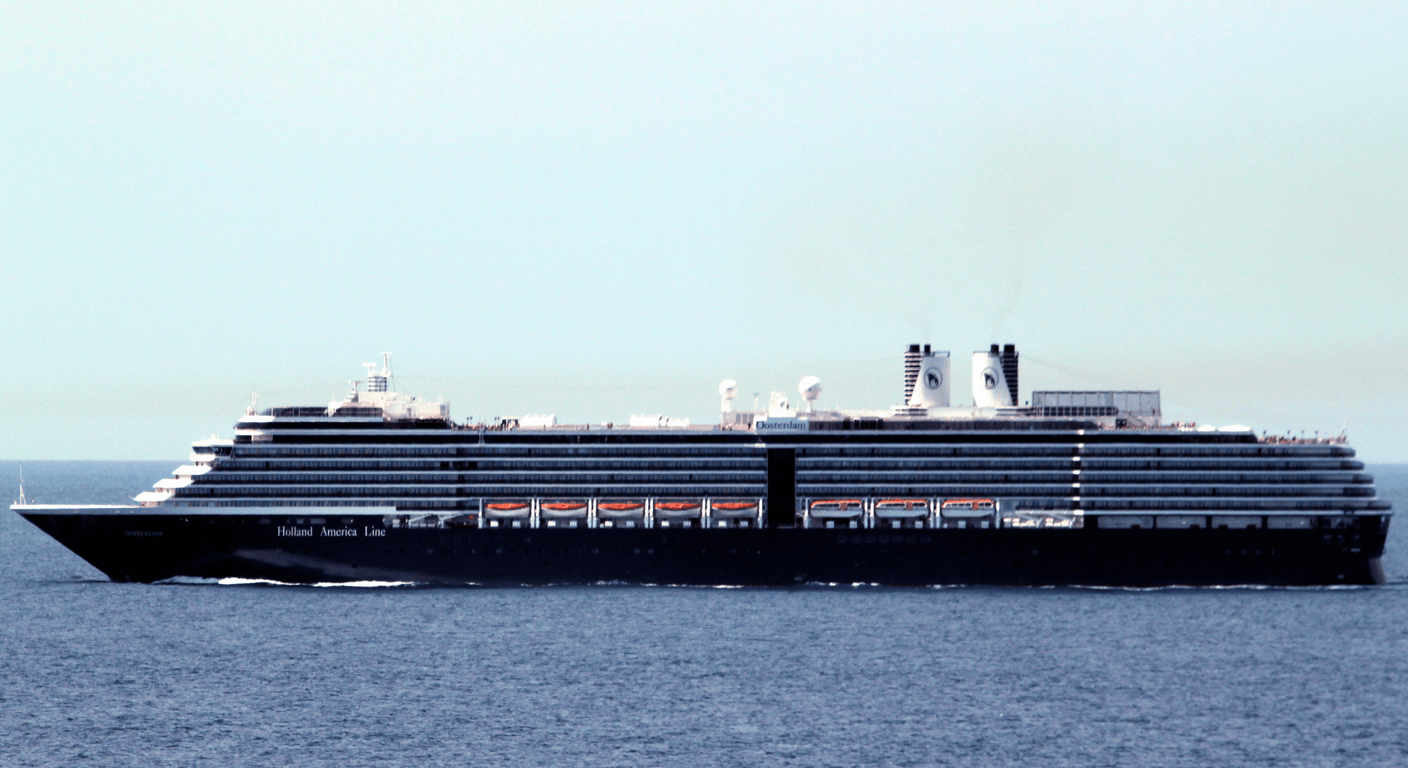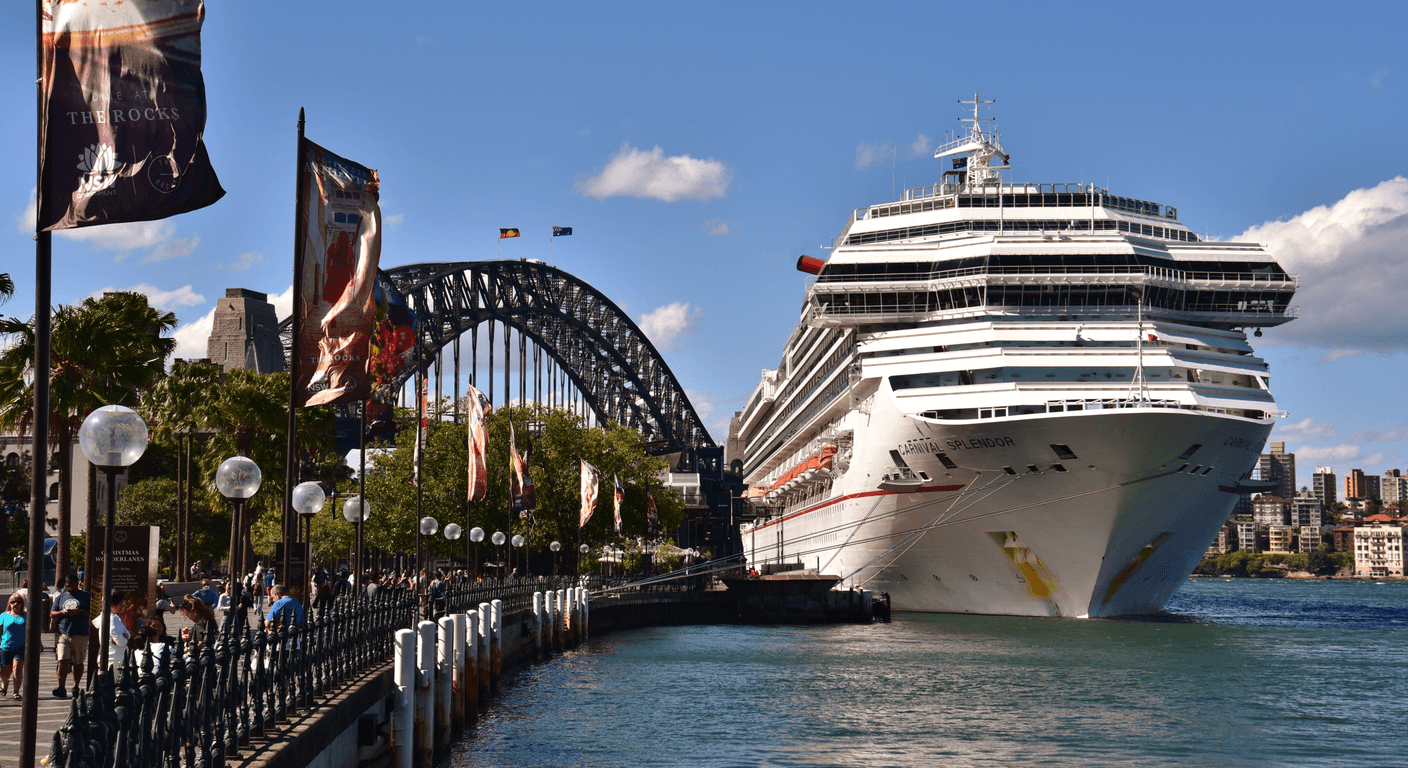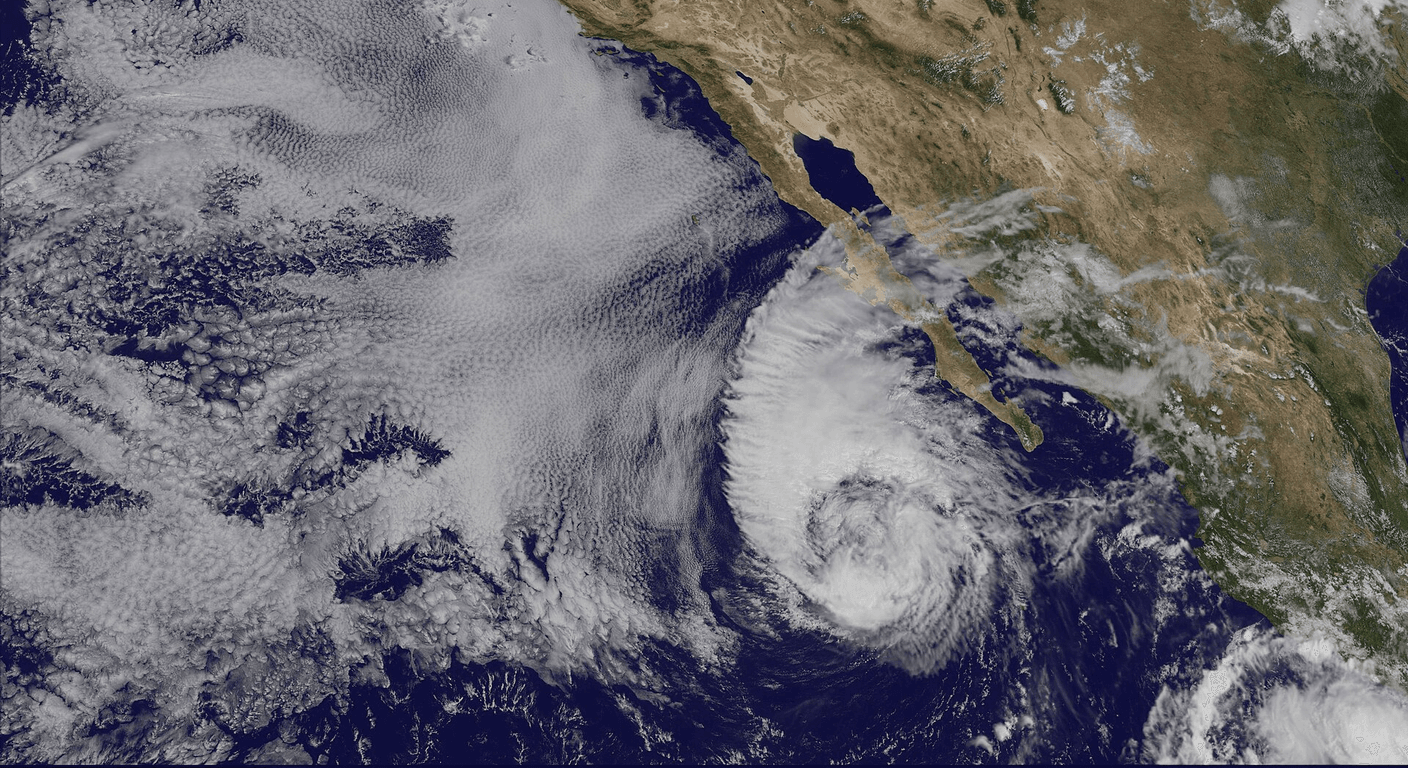
South Pacific cruises are best timed for May–June or September–October, avoiding the November–April cyclone season that peaks January–March. A 14-night itinerary suits the region's slower pace, covering ports like Noumea, Fiji and Vanuatu. Mobility is moderate — some ports offer flat, accessible tenders while others require step-climbing. Most sailings depart from Sydney or Brisbane, so Melbourne travellers typically need a short flight or overnight stay beforehand.
What is the South Pacific cyclone season and when does it actually peak?
The South Pacific cyclone season officially runs from 1 November through to 30 April. That six-month window covers the Southern Hemisphere summer and early autumn, when warm sea-surface temperatures in the Coral Sea and the western South Pacific generate the conditions that allow tropical cyclones to form and intensify. The peak of activity — when the most powerful and frequent systems tend to occur — falls between January and March.
The region most directly affected includes Vanuatu, Fiji, Tonga, the Solomon Islands, and parts of New Caledonia. These are, not coincidentally, the most popular ports of call for Australian cruise itineraries. That overlap is not a reason to avoid the South Pacific — it is simply a reason to understand the calendar before you book.
It is worth noting that cyclone season does not mean every day between November and April carries equal risk. Early November and mid-to-late April are statistically quieter. But the season's boundaries are averages, not guarantees. A late-season cyclone in early May is rare but not unknown. That uncertainty is precisely why the shoulder months on either side of summer have become the preferred window for travellers who want warm weather without the meteorological lottery.
Why shoulder season sailings — May to June and September to October — make sense
The months of May through June and September through October sit in that useful zone where the Pacific is warm enough to be genuinely pleasant, the cyclone risk is low to negligible, and the sea conditions are generally more settled. Daytime temperatures across Fiji, Vanuatu and New Caledonia in these months typically range from the low to mid-20s Celsius — comfortable for walking around port towns, exploring markets, and taking a tender ashore without arriving drenched.
For couples travelling together, the shoulder season also tends to mean slightly less crowded ports. School holiday peaks in Australia align with December–January and July, so a May or October sailing often finds the islands operating at a steadier pace. Local guides are more available, resort day-pass prices are sometimes more negotiable, and the general atmosphere is calmer.
September and October have an additional advantage: they follow the dry season across much of Melanesia, so the lush island landscapes are at their best without the wet-season humidity. For anyone who finds the heavy tropical air of January difficult — and many people over 60 do — the October version of the same itinerary is a meaningfully different physical experience. Cooler mornings, lower humidity, and evenings on deck that are genuinely enjoyable rather than something to endure.
How cruise lines handle cyclones when they develop mid-voyage
Cruise lines operating in the South Pacific monitor weather systems continuously through their own meteorological teams and national weather services including the Australian Bureau of Meteorology and the Fiji Meteorological Service. When a tropical depression begins to organise into a potential cyclone, the ship's captain and the company's fleet operations team assess the track forecast and make routing decisions well in advance of any dangerous conditions.
In practice, this usually means one of three things: a port substitution, where the ship calls at an alternative destination that is not in the system's projected path; a reordering of the itinerary, where the ship visits later ports first to give the cyclone time to pass or dissipate; or, in rare cases, a delay to departure or a return to the home port. Cruise lines do not generally publicise every routing adjustment they make — many happen seamlessly and passengers only realise the change when the daily programme reflects a different port.
Communication to passengers typically comes through the ship's daily newsletter slipped under cabin doors the night before, an announcement from the captain in the morning, and — if the change is significant enough to affect pre-booked shore excursions — a direct notification from the guest services desk. If you have pre-booked excursions through the cruise line at an affected port, refunds or credits are generally handled automatically. Independent excursions booked directly with local operators are a different matter, which is one reason many experienced Pacific cruisers book through the ship, at least at ports they know less well.
Travel insurance and cyclone cover: what to look for and why it matters
Travel insurance for a South Pacific cruise during or near cyclone season is not optional — it is the document that determines whether a disrupted itinerary costs you money or merely costs you a day's plans. The key is understanding what cyclone-related cover actually includes, because policies vary significantly in how they define and limit this.
At minimum, look for a policy that covers trip cancellation or amendment due to a cyclone or severe weather event, including situations where your cruise line has rerouted and you've missed a port you specifically booked the cruise to visit. Some policies also cover additional accommodation and travel costs if you're delayed getting home because of a cyclone affecting your disembarkation port. Missed port cover — a specific benefit that compensates you when a scheduled port is skipped due to weather — is worth checking for explicitly.
For travellers over 70, and especially for those with pre-existing conditions, the single most important step is declaring every relevant medical condition honestly when purchasing the policy. Cover-More, Allianz, and NIB Travel Insurance are among the established Australian providers that offer cruise-specific policies with pre-existing condition assessment. The premium will reflect the risk honestly, and that is far preferable to a claim being declined at the worst possible moment. Confirm with your chosen insurer exactly what their cyclone and weather disruption provisions cover before paying.
What happens to your itinerary if a cyclone develops before you depart?
If a significant cyclone is active or forecast to affect your itinerary at the time of departure, cruise lines will generally communicate directly with booked passengers via email, through travel agents, and through the cruise line's app. The company may offer an amended itinerary with substitute ports, a future cruise credit if you choose not to travel, or — depending on the severity — a full cancellation with refund. The exact entitlements depend on the cruise line's own conditions of carriage, which are worth reading before you book rather than after.
This is where booking through a travel agent rather than directly online has practical value. A good agent who specialises in cruising — particularly one familiar with the South Pacific — will monitor developments, communicate changes clearly, and advocate on your behalf if the cruise line's initial offer doesn't match what you're entitled to under your fare class. For a couple travelling together, having that single point of contact when something changes is genuinely useful.
One practical note: if you have booked pre-cruise accommodation in Sydney or Brisbane, or post-cruise flights home, factor in some buffer time. A sailing that departs a day late, or returns a day early because of rerouting, can cascade into accommodation and flight complications if your arrangements are tightly timed. A recovery night at each end of the cruise is good practice regardless of season — it is simply more important when weather variability is part of the picture.
Planning a South Pacific cruise from Melbourne or regional Victoria
Most South Pacific cruises depart from Sydney's Overseas Passenger Terminal at Circular Quay or from the Brisbane Cruise Terminal at Portsmith. For couples based in Melbourne, this means a short domestic flight or an overnight stay in Sydney before embarkation — a reasonable addition to the trip that also removes the stress of a rushed embarkation morning. Qantas, Virgin Australia and Rex all operate Melbourne–Sydney routes, and trains from Southern Cross to Southern Cross are an option if you prefer not to fly.
Some itineraries do depart from Melbourne's Station Pier, though these are less frequent for Pacific routes and tend to add sea days at the beginning and end of the voyage as the ship transits Bass Strait and heads north. For some travellers those extra sea days are a pleasure; for others they feel like time that could be spent in port. Worth considering when comparing itineraries.
Turnaround cruises — where the ship departs and returns to the same Australian port — are the simplest option logistically and remain the dominant model for South Pacific itineraries. Fly-cruise options exist too, typically flying into Fiji or New Caledonia and joining the ship there, which can shorten overall travel time if you are conscious of the cumulative fatigue of a long cruise. Either way, the shoulder season timing principle applies equally: the further you are from the January–March peak, the more predictable your experience is likely to be.
Making the most of a South Pacific cruise over 50: pacing and port priorities
The South Pacific rewards a slower pace, and a cruise delivers that naturally. Sea days between ports are not wasted days — they are when you actually rest, read, eat well, and absorb where you are. A 14-night itinerary covering Noumea, Lifou, Port Vila, Luganville, and Suva gives enough time in each place without the relentless turnover of a shorter sailing.
Accessibility varies considerably between ports. Noumea and Suva have reasonable infrastructure for travellers with limited mobility, with flat waterfront areas and accessible tenders or gangways at the main cruise berths. Smaller island ports — Lifou in the Loyalty Islands, for example — require a tender (a small boat from ship to shore) and can involve some step-climbing. Cruise lines list tender ports in their shore excursion descriptions; if balance or mobility is a consideration, this is worth checking before booking specific excursions.
The cultural dimension of the South Pacific is something that repays a little preparation. Vanuatu's extraordinary linguistic diversity — over 100 languages across a chain of islands — and Fiji's Indo-Fijian history give each port a genuinely distinct character. For someone with a background in Mediterranean culture, where community, food, and hospitality are woven into daily life in ways that tourists often miss, the South Pacific has recognisable warmth in different registers. A local market visit, a kava ceremony in Fiji, or a colonial-era museum in Noumea will leave more of an impression than any number of beach days, though the beaches are there too if that is what you want.
Quick planning guide
| Ideal pace | Slow-paced, with sea days built in for rest between ports |
|---|---|
| Best months | May–June and September–October, outside the cyclone season's January–March peak |
| Suggested stay | Around 14 nights, enough for multiple ports without rushed turnover |
| Mobility level | Moderate — some ports (Noumea, Suva) are flat and accessible; smaller island ports require tenders and some step-climbing |
| Cost level | Moderate, with shoulder season sometimes bringing more negotiable local prices |
| Comfort level | Warm and comfortable, low to mid-20s°C, with lower humidity in shoulder months |
| Best for | Couples and travellers over 50 seeking a slower pace and distinct island cultures |
| Main planning consideration | Timing around cyclone season and arranging travel insurance with cyclone and missed-port cover |
Key takeaways
- The South Pacific cyclone season runs from November to April, peaking January to March — shoulder months either side offer the most reliable conditions.
- May–June and September–October sailings sit outside the cyclone peak and typically offer settled seas, lower humidity, and quieter ports.
- Cruise lines reroute or substitute ports when cyclones develop; passengers are notified through daily newsletters, captain announcements, and guest services.
- Travel insurance covering cyclone-related itinerary changes, missed ports, and trip cancellation is essential for any South Pacific cruise booked near or during the cyclone season.
- Travellers over 70 with pre-existing conditions must declare all relevant health information when purchasing travel insurance to ensure claims are not later rejected.
- Most South Pacific cruises depart from Sydney or Brisbane, making a pre-cruise overnight stay a practical buffer for Melbourne-based travellers.
Recommended partners and links
Indicative prices only — always confirm with the operator before booking.
Frequently asked questions
When is the safest time to cruise the South Pacific to avoid cyclones?
The safest months to cruise the South Pacific are May through June and September through October. These shoulder periods sit outside the official cyclone season, which runs from November to April and peaks between January and March. Conditions during the shoulder months are warm, generally settled, and carry a low cyclone risk compared to the summer peak.
What does a cruise line do if a cyclone develops while the ship is at sea?
Cruise lines monitor tropical weather systems continuously. If a cyclone threatens the planned route, the captain and fleet operations team will substitute ports, reorder the itinerary to avoid the system's path, or in rare cases delay or curtail the voyage. Passengers are informed through the ship's daily programme, captain's announcements, and the guest services desk. Shore excursions booked through the cruise line at affected ports are typically refunded or credited automatically.
Does travel insurance cover missed ports due to a cyclone on a South Pacific cruise?
Some travel insurance policies include missed port cover, which compensates you when a scheduled port is skipped due to severe weather including cyclones. Not all policies include this benefit automatically, so it is important to check the product disclosure statement before purchasing. Policies also vary in how they cover trip cancellation, additional accommodation costs, and delays caused by cyclone activity. Compare policies carefully and confirm coverage before booking.
Can Australians over 70 with pre-existing conditions get travel insurance for a South Pacific cruise?
Yes, Australians over 70 with pre-existing conditions can obtain travel insurance for a South Pacific cruise, though the process requires honest declaration of all relevant medical conditions at the time of purchase. Established Australian providers including Cover-More, Allianz, and NIB Travel Insurance offer cruise-specific policies with pre-existing condition assessments. Premiums will reflect the individual risk profile. Failing to declare conditions accurately risks having a claim rejected, so full disclosure is essential.
How long is a typical South Pacific cruise from Sydney or Brisbane?
Most South Pacific cruises from Sydney or Brisbane run between 10 and 18 nights, visiting combinations of ports in Vanuatu, Fiji, New Caledonia, and sometimes Tonga or Samoa. A 14-night sailing is a common and comfortable duration for travellers over 50, providing enough time in each destination without feeling rushed, while including several sea days for rest and relaxation.
- Australian Bureau of Meteorology — Tropical Cyclone Outlook
- Fiji Meteorological Service
- Carnival Cruise Line Australia (formerly P&O Cruises Australia) — South Pacific Cruises
- Princess Cruises Australia — South Pacific Itineraries
- Carnival Cruise Line Australia
- Cover-More Travel Insurance Australia
- Smart Traveller — Pacific Island Travel Advice (Australian Government)