Taiwan is best visited October to early December or March to April, avoiding summer's heat and typhoons. A two-week trip through Taipei, Sun Moon Lake, Tainan and Kaohsiung suits a slow pace, helped by high-speed rail linking Taipei to Kaohsiung in about ninety minutes. The highlight is this ease paired with restorative Beitou hot springs. Mobility is moderate, and Taipei is reached via direct or one-stop flights of nine to eleven hours from Australia.
Why Taiwan works so well for independent Australian travellers over 50
Taiwan is the destination that travellers tend to discover late and then wonder why they waited. For Australians in their 60s and 70s — particularly those who have explored Southeast Asia and want something that feels a little more organised without losing the sense of being somewhere genuinely different — it fits the brief almost perfectly. The island is compact, the infrastructure is world-class, and the Taiwanese are quietly, consistently helpful to visitors in a way that does not feel performative.
English appears on almost every metro station sign, bus display, menu and museum label. That single fact changes the experience enormously for travellers who are not confident with unfamiliar scripts. You do not need to memorise characters or rely on a translation app for every interaction. Combine that with a public transport network that runs on time and a healthcare system rated among the best in Asia, and the practical anxieties that sometimes accompany international travel for older visitors shrink considerably.
Costs are moderate by Australian standards. A comfortable mid-range hotel in Taipei runs roughly AUD 120–180 per night as an indicative figure — always confirm current rates. Local meals at night markets and neighbourhood restaurants are genuinely affordable. Taxis and the metro are honest and metered. Taiwan is not a budget-backpacker destination, but it is far from expensive for the quality and ease it delivers.
Getting there: flights and what to check before you book
From Melbourne, Sydney or Brisbane, direct or single-stop flights to Taipei Taoyuan International Airport take roughly nine to eleven hours depending on routing. China Airlines and EVA Air are the primary carriers, both operating modern long-haul aircraft. A stopover in Singapore or Hong Kong is another option if you prefer to break the journey — particularly sensible if long-haul flying is harder on your body than it used to be.
Before booking, visit smartraveller.gov.au and read the current advice for Taiwan. Australia's Department of Foreign Affairs and Trade maintains a live advisory page that covers entry requirements, any regional alerts — including advisories related to seismic activity on Taiwan's east coast — and health and safety information. Entry requirements can change; as of early 2026, Australian passport holders do not require a visa for short stays, but you should confirm this and check any health declaration requirements directly on the smartraveller page before you travel.
Travel insurance is essential and worth spending time on. Make sure your policy covers pre-existing conditions and, if you are travelling as a couple, check the single-traveller provisions in case plans change. The Taiwan Tourism Administration website at taiwan.net.tw carries practical visitor information in English and is a useful first stop for orientation.
The High Speed Rail: the backbone of an easy Taiwan itinerary
Taiwan's High Speed Rail (THSR) is the thread that makes a multi-city itinerary genuinely easy for older travellers. Running along the island's western corridor, it connects Taipei in the north to Zuoying station near Kaohsiung in the south in around ninety minutes. That is the length of the entire western coast, covered at over 300 kilometres per hour, with stops at Taichung, Chiayi and Tainan along the way. It is punctual, clean, air-conditioned and has wide seats with generous legroom in standard class.
Purchasing a THSR Foreign Visitor Pass before you leave Australia is worth considering if you plan to travel the corridor more than twice. It offers a set number of travel days and can be bought online through the THSR website at thsrc.com.tw. Indicative costs for a three-day pass run around AUD 90–110 — confirm current pricing before you purchase. Stations are well signed in English and have lifts to all platforms, making them manageable for travellers with reduced mobility or those carrying luggage.
A practical itinerary for a two-week trip might look like this: three or four nights in Taipei, a day trip to Beitou hot springs, the high-speed rail to Taichung as a base for Sun Moon Lake, then south to Tainan for its temples and food culture, finishing in Kaohsiung before flying home. That rhythm gives you time to settle into each place rather than rushing, which is exactly how Taiwan rewards you.
Taipei: the National Palace Museum, Beitou and the night markets
The National Palace Museum in Taipei houses one of the world's great collections of Chinese imperial art and artefacts — over 700,000 pieces, with a rotating selection on display. For a traveller with any interest in history, craft or culture, it is a serious half-day or full-day commitment. The museum provides audio guides in English, seating throughout the galleries and a café for rest breaks. It sits in the Shilin district and is easily reached by bus or taxi from central Taipei. Admission is around AUD 10–15 indicatively; confirm current pricing at npm.gov.tw.
Beitou, a hot spring district about thirty minutes from central Taipei on the MRT, offers a completely different register. The area developed as a resort during the Japanese colonial period and retains a relaxed, slightly nostalgic feel. Public hot spring baths are available at modest cost — a shared outdoor pool at a public bath runs roughly AUD 5–10 indicatively — while private room bookings at hot spring hotels provide more comfort and privacy, which many older travellers prefer. The water is naturally warm and sulphurous, and an hour soaking genuinely does ease travel-stiffened joints.
Night markets in Taipei — Shilin, Raohe and Ningxia among the most visited — tend to intimidate travellers who have heard stories of crowds and chaos. In practice, if you go at around six in the evening rather than nine at night, they are lively rather than overwhelming. Food stalls are labelled in English and Mandarin, vendors are patient, and the food — scallion pancakes, oyster vermicelli, pineapple cake — is worth the effort. Ningxia is smaller and calmer than Shilin, which suits travellers who prefer a less hectic atmosphere.
Sun Moon Lake and central Taiwan: a slower pace
Sun Moon Lake in Nantou County is Taiwan's largest body of water and the kind of place that earns its reputation without overpromising. The lake sits at around 760 metres above sea level, giving it a cooler, misty quality that feels restorative after city days. A slow walk along the lakeside path, a ferry crossing to the Lalu Island viewing platform, and tea at one of the local cafés using the region's high-mountain oolong is a very full and pleasant day.
Access from Taichung by bus or organised day tour is straightforward. Some bus services from Taichung HSR station run directly to Sun Moon Lake; the journey takes around an hour. Confirm current timetables through the Taiwan Tourism Administration or at the station on arrival. The lakeside walking paths are mostly paved and relatively flat, though some sections near temples involve steps. Electric bicycles are available for hire if walking the full circuit is more than your knees want to manage — an honest option worth knowing about.
The Aboriginal cultural heritage of the Thao people is present at the lake, including a visitor centre and cultural performances. Engaging with this respectfully — rather than as a backdrop for photographs — adds genuine depth to a visit. The lake area has a range of accommodation from simple guesthouses to mid-range hotels; staying overnight rather than doing a day trip lets you see the morning mist on the water, which is the version most worth experiencing.
Practical matters: weather, typhoon season and pacing yourself
Taiwan's climate is subtropical and seasonal. The most comfortable time to visit for travellers who prefer mild weather is October through to early December, or March through April. Summer — June through September — brings heat, high humidity and typhoon season. Typhoons are not a reason to never visit in summer, but they are a reason to have flexible bookings, travel insurance that covers cancellations, and the habit of checking weather forecasts daily. Smartraveller and the Taiwan Central Weather Administration both carry English-language alerts.
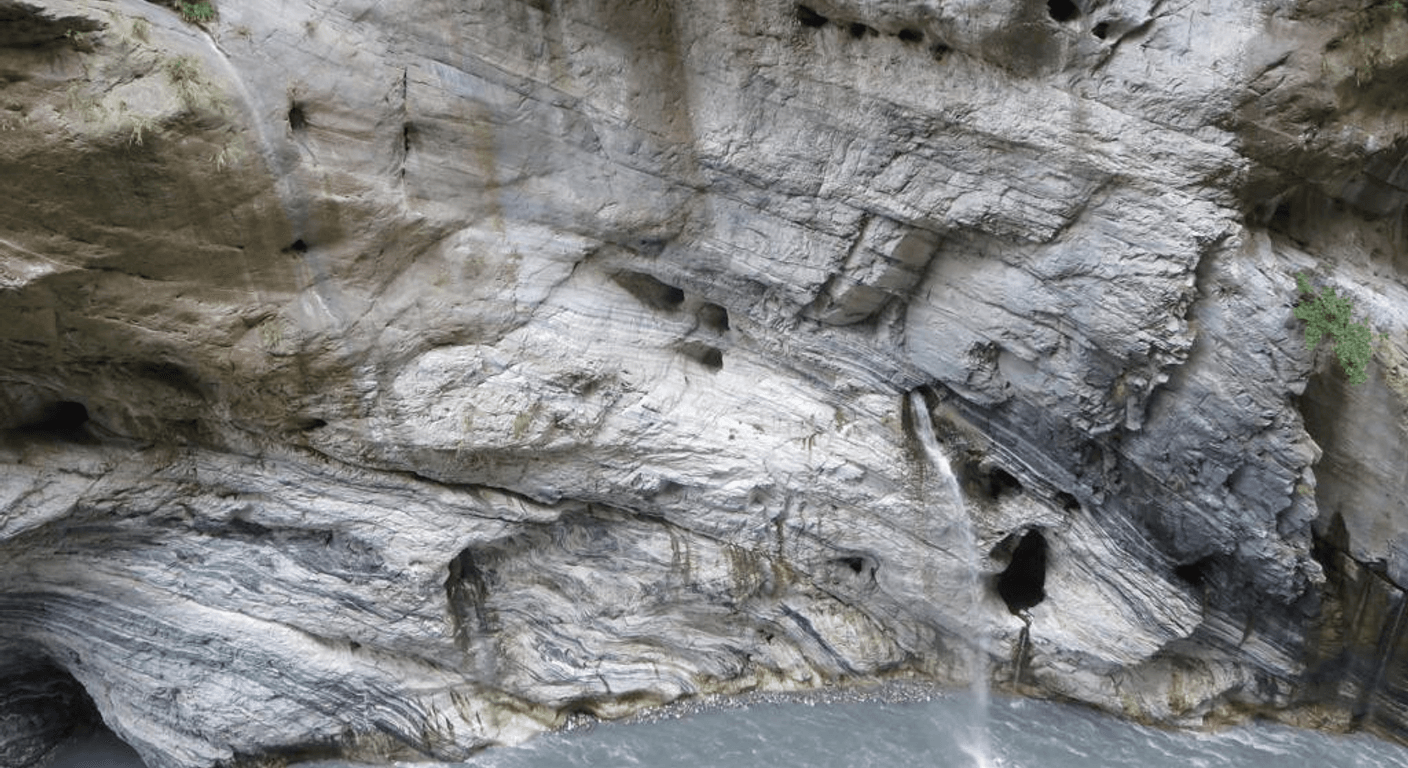
The east coast — the Hualien and Taroko Gorge area — is geologically active and has experienced significant earthquakes in recent years, including damaging events in 2024. Before visiting that part of Taiwan, check the current smartraveller advisory and look at local conditions at the time of your trip. The west coast corridor covered by the high-speed rail is generally less affected by these events, and most first-time visitors to Taiwan build their itinerary around the western cities anyway.
Pacing matters more than coverage. Taiwan is compact enough that it tempts travellers into fitting in too much. A two-week trip that covers Taipei, a hot spring day trip, Taichung, Sun Moon Lake, Tainan and Kaohsiung is full but manageable if you build in at least one full rest day mid-trip. Taiwanese culture is not pushy about tourism — you will not feel behind if you sit in a tea house for two hours instead of visiting a fourth temple. That quality is part of what makes it right for this stage of travel.
Is Taiwan accessible for travellers with mobility considerations?
Taiwan has invested significantly in accessibility infrastructure, particularly in its cities. Taipei's MRT is one of the most accessible metro systems in Asia, with lifts at all stations, tactile paving throughout, and priority seating that is genuinely respected. The high-speed rail stations are similarly well equipped. Footpaths in central Taipei and the main tourist districts are generally even, though older neighbourhoods and some temple precincts involve uneven stone and steps.
For travellers who use a walking stick, rollator or wheelchair, the key is to research individual sites in advance. The National Palace Museum has full wheelchair access. Sun Moon Lake's main lakeside path is manageable for most walkers. Hot spring facilities vary — some have step-free access to private rooms, others do not. Emailing or phoning accommodation and attractions ahead of time to ask specific questions is always worthwhile; Taiwanese hospitality staff tend to answer these questions honestly and helpfully.
If standing for long periods or walking significant distances is a concern, Taiwan's taxi network is an excellent supplement to public transport. Taxis are metered, reasonably priced by Australian standards, and drivers in major cities often have basic English or are accustomed to tourists showing a destination written in Chinese characters — which any hotel concierge can prepare for you on a card. Ride-hailing apps also operate in Taiwan and can be more comfortable for travellers who prefer to confirm the fare before entering the vehicle.
Quick planning guide
| Ideal pace | Slow and measured, with a rest day built into longer itineraries |
|---|---|
| Best months | October to early December or March to April |
| Suggested stay | Around two weeks for a multi-city itinerary |
| Mobility level | Moderate — excellent transit accessibility, but some uneven ground in old neighbourhoods and temple precincts |
| Cost level | Moderate — comparable to or cheaper than Australia for hotels, food and transport |
| Comfort level | High — reliable air-conditioned high-speed rail and consistent English signage |
| Best for | Independent travellers in their 60s and 70s wanting an easy, English-friendly Asian destination |
| Main planning consideration | Check smartraveller.gov.au for current entry requirements and east-coast seismic advisories before booking |
Key takeaways
- Taiwan's High Speed Rail connects Taipei to Kaohsiung in around ninety minutes, making a multi-city itinerary genuinely manageable for older independent travellers.
- English signage is consistent across Taipei's metro, major stations, museums and most tourist sites — a practical advantage that significantly reduces navigation stress.
- Beitou hot springs, reachable in thirty minutes on the MRT from central Taipei, offer natural thermal bathing that suits a slower, restorative travel style.
- Typhoon season runs June through September; travel insurance with cancellation cover and flexible bookings are essential if visiting during those months.
- Check smartraveller.gov.au for current entry requirements, visa status and any regional advisories — including east-coast seismic alerts — before booking.
- Taiwan's overall travel costs are moderate by Australian standards, with a comfortable mid-range hotel, good food and transport all available without premium pricing.
Recommended partners and links
Indicative prices only — always confirm with the operator before booking.
Frequently asked questions
Do Australians need a visa to visit Taiwan?
As of early 2026, Australian passport holders do not require a visa for short-stay visits to Taiwan, but entry requirements can change. Always confirm the current rules on smartraveller.gov.au and the Taiwan Tourism Administration website at taiwan.net.tw before you book.
Is Taiwan safe for older solo travellers or couples travelling independently?
Taiwan is consistently rated among the safest countries in Asia for independent travel. Crime rates are low, public spaces are well lit and maintained, and locals are generally helpful to visitors who appear uncertain. The main considerations for older travellers are weather-related — typhoons in summer — and seismic activity on the east coast, both of which are manageable with good preparation and current advice from smartraveller.gov.au.
How easy is it to get around Taiwan without speaking Mandarin?
Easier than most travellers expect. Metro stations, high-speed rail displays, airport signage and most major tourist sites use bilingual English and Mandarin signage. Menus in tourist areas frequently include English. Having your hotel's address written in Chinese characters on a card is a useful backup for taxis, but in cities many drivers are accustomed to tourists and manage basic English communication.
What is the best time of year for over-50 Australians to visit Taiwan?
October to early December and March to April offer the most comfortable temperatures and lower humidity, making them the best periods for older travellers who prefer mild weather and easier walking. Summer months bring heat, high humidity and typhoon risk, which requires more careful planning and flexible bookings.
Is Taiwan accessible for travellers with limited mobility?
Taiwan's major cities, particularly Taipei, have strong accessibility infrastructure including lifts at all MRT stations and step-free access at high-speed rail stations. Individual sites vary — the National Palace Museum has full wheelchair access, while some temple precincts involve steps. Researching specific sites in advance and asking accommodation providers directly about access arrangements is recommended.