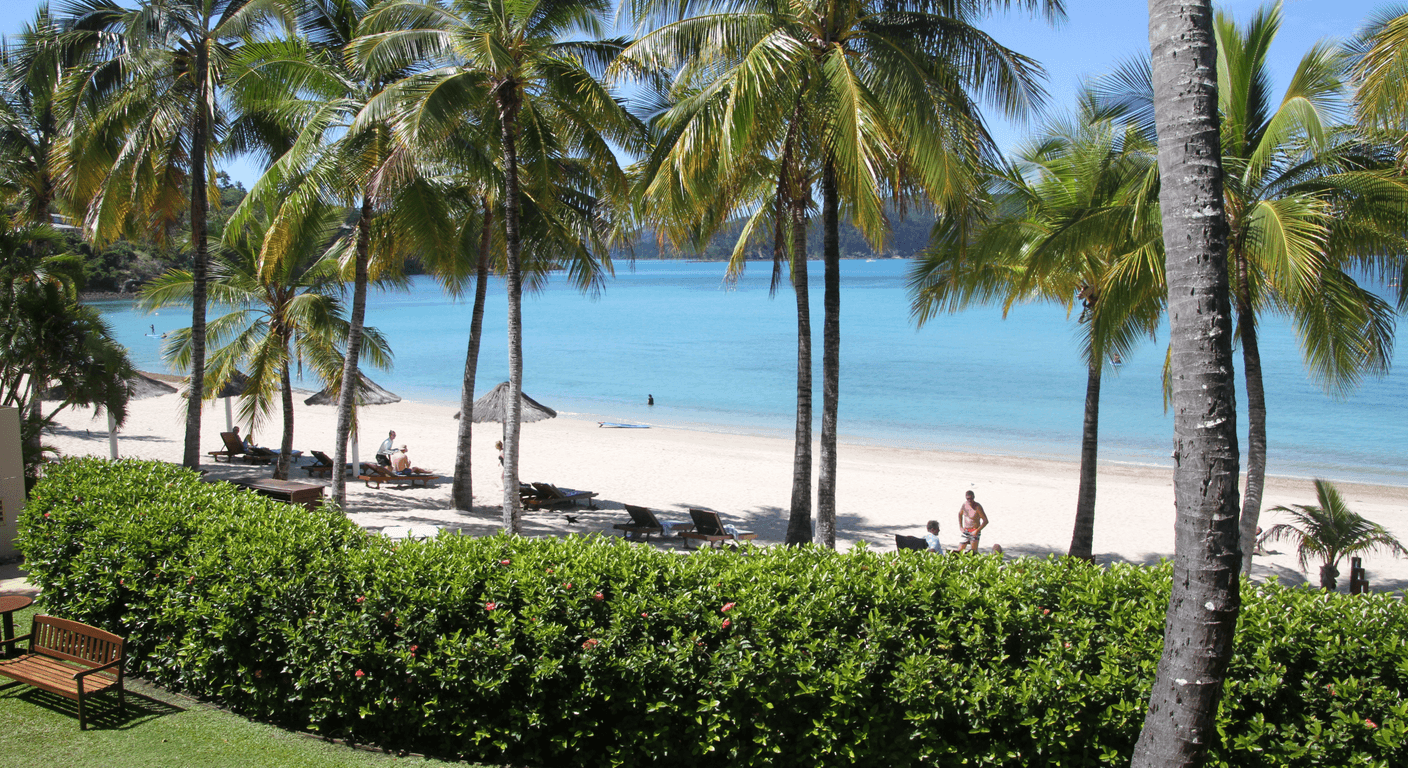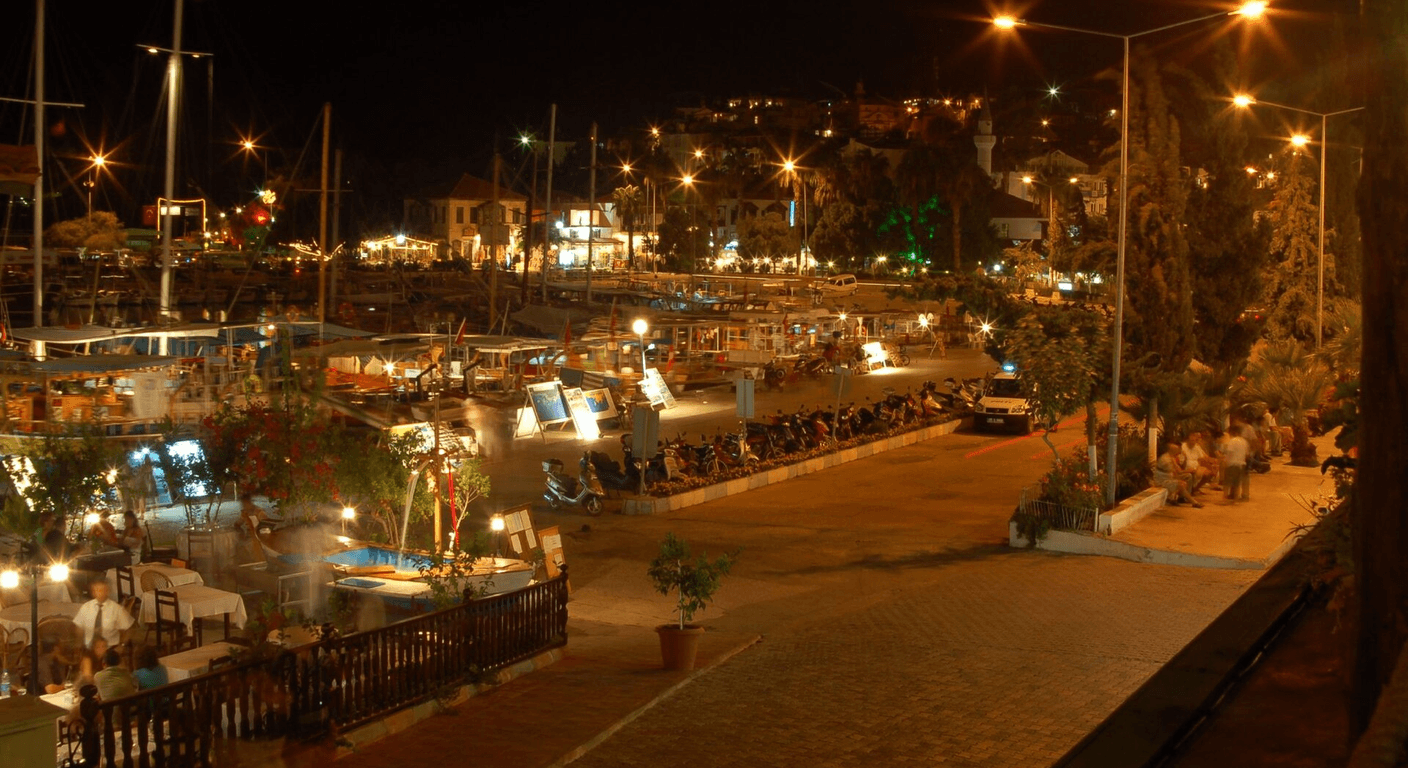
The Fethiye-to-Kas stretch of Turkey's Turkish Riviera suits over-50 Australian couples best between April–June or September–October, when heat is manageable and crowds are thinner. Allow 5–7 nights minimum across two or three base towns. The defining highlight is the combination of Lycian ruins, calm turquoise bays, and gulet day trips that replace clifftop walks with gentle swimming stops. Mobility rating: Moderate (cobblestones in old towns; gulet boarding requires care). No direct flights from Australia — connect via Istanbul, Doha or Dubai, with total travel around 22–28 hours.
Getting There From Australia: The Reality of 22–28 Hours
There are no direct flights from Australia to Turkey. Full stop. From Sydney or Melbourne, the most common route is a connection through Istanbul on Turkish Airlines, or through Dubai on Emirates, or Doha on Qatar Airways. Total door-to-door time — including check-in, connections and the drive from Fethiye airport — sits between 22 and 28 hours depending on your connection city and layover length. Perth travellers typically do slightly better on Middle Eastern connections, shaving an hour or two off the first leg.
A stopover night in Istanbul, Dubai or Doha is worth building into the budget, not just the calendar. Arriving into Fethiye or Dalaman Airport after 22 hours of flying and then trying to settle into a boutique hotel on a winding coastal road is a recipe for a miserable first impression. Istanbul in particular rewards an extra night — it's a destination in its own right, and a decent airport hotel (indicative AUD 150–250/night near Istanbul Airport) lets you arrive in Fethiye rested. Confirm current flight schedules and stopover options directly with your airline or a travel agent, as routes and layover times change seasonally.
Return economy fares from Australia to the Dalaman or Istanbul region run indicatively between AUD 1,800 and AUD 3,200 per person, with business class adding substantially to that. Shoulder season — April–May and September–October — can push fares toward the higher end as demand picks up. Book through the airline's official site or a licensed Australian travel agent and always cross-reference with Smartraveller's Turkey advisory (smartraveller.gov.au) before finalising plans. Jet lag on the westward return trip (Turkey to Australia via the Middle East) catches many travellers off guard — allow two or three quiet days at home before any major commitments.
Self-Drive or Private Driver? An Honest Assessment
The D400 coastal highway between Fethiye and Kas is genuinely beautiful and genuinely demanding. It winds along cliff edges, drops through hairpin bends, passes through small villages with no warning, and is barely lit after dark. Turkish driving culture is confident and fast. Hire-car GPS systems sometimes lag behind on the more rural sections. None of this is insurmountable, but it's worth being clear-eyed about before booking a rental at Dalaman Airport.
For couples who enjoy driving and have recent experience with European-style mountain roads, self-drive is manageable — particularly in daylight during the shoulder season when traffic is lighter. Turkish road signs are in Roman script, petrol stations are reasonably spaced between Fethiye and Kas, and parking in Kalkan and Kas (while occasionally chaotic) is findable. The honest caveat: driving at night on this road, especially after a long travel day or a generous Turkish dinner, is where the risk calculus shifts.
A private driver or small-group minivan is the smarter arrangement for most over-50 couples doing this stretch. Rates run roughly AUD 90–150 per day for a private driver with a comfortable vehicle, depending on distance covered and whether you're hiring for a full day or a point-to-point transfer. That buys you someone who knows where to pull over for the rock-cut Lycian tombs at Tlos, who can recommend the right seaside restaurant in Kalkan, and who isn't going to misjudge a cliff-edge overtake in the dark. Small-group shared minivan transfers between the main towns cost considerably less — confirm current rates with local operators or your accommodation, as pricing varies significantly by season and group size.
Pacing It Right: Why Five Nights Is the Minimum
The Fethiye-to-Kas stretch is roughly 120 kilometres by road. In a car, without stops, that's under two hours. Which is exactly why so many travellers do it in a day and then wonder why they feel vaguely cheated. The coast between these towns isn't designed for windscreen tourism — it's designed for sitting on a terrace above a bay for two hours watching the light change, then deciding whether to swim before or after lunch.
A sensible structure for couples: two nights in Fethiye (the largest town on this stretch, with good infrastructure, the Blue Lagoon at Ölüdeniz nearby, and a proper weekly market worth timing your arrival for), two nights in Kalkan (smaller, steeper, more atmospheric, with excellent rooftop restaurants), and two to three nights in Kas (the most relaxed of the three, with the best diving, good walking to Lycian ruins, and easy access to the Greek island of Meis by ferry). That's six to seven nights and keeps daily movement to a single transfer of under two hours.
Day trips from each base fill the gaps without exhausting anyone. From Fethiye: the ghost town of Kayaköy (a genuinely moving site — a deserted Greek village abandoned after the 1923 population exchange, and one that will resonate particularly with Greek-Australian travellers whose families lived through that history), or the Saklikent Gorge for those who want a short walk through cool water. From Kas: the sunken city of Kekova by boat, where Lycian ruins are visible beneath the surface of a shallow bay. None of these require marathon walking. Most can be done before noon, leaving the afternoon for shade and a long lunch.
What a Day on a Gulet Actually Looks Like
A gulet is a traditional Turkish wooden sailing vessel — broad, low, comfortable, with a shaded rear deck, sun mattresses at the bow, and a galley that produces better food than you'd expect. Day-trip gulets operate out of Fethiye, Kalkan and Kas harbours, typically departing between 9:30 and 10:30 in the morning and returning around 5:00 to 6:00 in the afternoon. The itinerary is almost always the same structure: motor to a series of bays (three to five, depending on the route), anchor for 30–45 minutes at each, swim, eat lunch on board, swim again, motor back. It's genuinely restful.
The accessibility reality is this: boarding a gulet from a harbour dock or a dinghy involves stepping down onto a moving deck, sometimes via a narrow gangplank or a short ladder. For travellers with steady balance and reasonable leg strength, it's fine with a hand offered. For anyone with significant knee or hip issues, or who uses a walking frame or stick, it warrants a direct conversation with the operator before booking — ask specifically how the boarding works at the marina and whether there's a step-free option at the boat's entry point. Most reputable day-trip operators are honest about this if you ask directly.
Costs for a shared gulet day trip run indicatively around AUD 60–120 per person, typically including lunch and non-alcoholic drinks. Private gulet hire (for just the two of you, or a small group of friends) costs considerably more — confirm current rates with Fethiye or Kas-based operators directly. The Flying The Nest YouTube channel (youtube.com/watch?v=qBz1TJI2IWE) offers a useful visual sense of what the gulet experience looks like on this stretch of coast, which helps set expectations before you book.
Accommodation: Comfort, Lifts and the Cobblestone Question
Fethiye has the widest range of accommodation on this stretch — from international-standard hotels near the marina to smaller boutique properties in the old town. Indicative rates for a comfortable double room with air-conditioning run AUD 150–350 per night, depending on property standard and season. Most mid-range and above hotels in Fethiye have lifts and flat or gently sloped access from the street. The marina area in particular is relatively flat and easy to walk.
Kalkan is where the cobblestone question becomes real. It's a steeply terraced old fishing village, and many of its most atmospheric small hotels and pensions are accessed by stepped laneways that would challenge anyone with knee pain or mobility aids. That said, several of the rooftop-terrace boutique hotels have installed small lifts or are built into the hillside in ways that mean your room is actually entered from a higher street — so the climb happens once, at check-in, rather than every time you go out. Ask the hotel directly: 'Is there a lift to the rooms, and how many steps are there from the street entrance?' before booking. Don't rely on photos.
Kas is the most manageable of the three for walkers with moderate mobility. The town centre is compact, the main streets are reasonably flat, and several comfortable aparthotels on the outskirts have car access and ground-floor options. Air-conditioning is non-negotiable in July and August, when temperatures regularly exceed 35°C — confirm it's in the room, not just the lobby. For the shoulder season (April–June, September–October), a sea-facing terrace is worth prioritising over a pool, since the water temperature is perfect for swimming and the light in the evenings is something else entirely.
Healthcare, Insurance and What Happens If Something Goes Wrong
Fethiye has private hospitals capable of handling most medical emergencies — the Fethiye Özel Hospital is the main private facility and is accustomed to treating international visitors. Kalkan and Kas have pharmacies and basic clinics, but for anything beyond a minor issue, you're looking at a transfer to Fethiye or, in a serious case, Antalya. That transfer can take 90 minutes to two hours on the coastal road. This isn't alarming, but it's the reality, and it's why travel insurance with medical evacuation cover is not optional on this trip — it's the baseline.
Australian travellers with pre-existing conditions need to declare everything when purchasing travel insurance, and read the fine print carefully. Policies vary enormously in how they treat conditions like cardiovascular disease, diabetes, or recent surgery — and the difference between a policy that covers a cardiac event and one that excludes it can be AUD 50,000 in out-of-pocket costs. Compare several policies through a licensed Australian broker and confirm what the insurer's 24-hour emergency line number is before you leave home. Cover-More, NIB Travel and Allianz Travel are established Australian providers worth comparing, but this is not a recommendation — get independent advice.
Turkey is not in Australia's Medicare reciprocal agreement, so there is no public health fallback. Private hospital treatment in Turkey is generally of reasonable standard in the major tourist centres and is substantially cheaper than equivalent treatment in Western Europe, but costs can still accumulate quickly without insurance. Keep a copy of your policy number, the insurer's emergency contact, and your GP's contact details in both your carry-on and on your phone. The Australian Embassy in Ankara and the Consulate-General in Istanbul can assist in emergencies — their contact details are on the Smartraveller website.
A Note for Solo Travellers: The Single-Supplement Sting
This guide is written primarily for couples, but the Fethiye-to-Kas stretch attracts solo over-50 travellers too — and the financial reality for them is worth naming plainly. Small-group guided tours covering this region routinely apply a single supplement of 20–50% on top of the per-person twin-share price. On a week-long tour priced at AUD 2,500 per person twin-share, that's an extra AUD 500–1,250 for the privilege of travelling alone. Some operators offer a share-match program (they pair you with another solo traveller of the same gender to share a twin room); others offer guaranteed single-room departures with a fixed supplement.
Ask any operator directly and specifically: 'What is the single supplement on this tour, is it waivable on any departure, and do you have a share-match option?' Operators who penalise solo travellers with supplements above 40% without a share-match alternative are worth noting — and worth choosing around. For independent self-drive or private-driver arrangements, the solo traveller pays the same accommodation and driver rates as one half of a couple, which often works out better value than a group tour supplement. The gulet day trips price per person regardless of whether you're solo or paired, so there's no penalty there.
Quick planning guide
| Ideal pace | 5–7 nights minimum; two or three base towns to keep daily travel under two hours |
|---|---|
| Best months | April–June and September–October |
| Suggested stay | 2 nights Fethiye, 2 nights Kalkan, 2–3 nights Kas |
| Mobility level | Moderate — old-town cobblestones and gulet boarding ladders require care; most boutique hotels have lifts |
| Cost level | Mid-range to comfortable — indicative AUD 150–350/night accommodation, AUD 90–150/day private driver |
| Comfort level | High if accommodation is chosen carefully; lower in historic old-town pensions with stairs |
| Best for | Couples seeking history, coast and culture without high-energy adventure |
| Main planning consideration | No direct flights from Australia; connection via Istanbul, Doha or Dubai adds a stopover night worth budgeting for |
Key takeaways
- There are no direct flights from Australia to Turkey — budget for 22–28 hours travel and a stopover night, with indicative return economy fares of AUD 1,800–3,200 per person.
- Five to seven nights across Fethiye, Kalkan and Kas is the minimum to actually enjoy this stretch rather than simply cover it.
- A private driver at roughly AUD 90–150 per day is the sensible choice for couples who'd rather not manage winding mountain roads and night driving in an unfamiliar country.
- Gulet day trips (indicatively AUD 60–120 per person) let you experience the coastline without clifftop walks, but boarding involves steps and balance — ask the operator about access before booking.
- Fethiye has private hospital facilities; Kas and Kalkan have only basic clinics — comprehensive travel insurance with medical evacuation is essential, not optional.
- Single supplements on small-group tours to this region run 20–50%; ask every operator directly about share-match options or guaranteed solo departures before committing.
Recommended partners and links
Indicative prices only — always confirm with the operator before booking.
Frequently asked questions
How long does it take to fly from Australia to the Fethiye–Kas region of Turkey?
There are no direct flights. From Sydney or Melbourne, travellers connect through Istanbul (Turkish Airlines), Dubai (Emirates) or Doha (Qatar Airways), with total door-to-door travel time typically 22–28 hours. A stopover night in the connection city is worth budgeting for. The nearest airport to Fethiye and Kas is Dalaman, roughly 45–60 minutes from Fethiye by road. Confirm current routes and schedules with your airline or travel agent.
Is it safe to self-drive the road between Fethiye and Kas?
The D400 coastal highway is driveable for experienced drivers in daylight, but it's winding, often poorly lit at night, and traverses mountain terrain. Many over-50 Australian couples find a private driver (roughly AUD 90–150 per day) a more relaxed and sensible arrangement, particularly for evening travel or after a long flight. Small-group shared minivan transfers between the main towns are a cheaper alternative.
What is the best time of year for Australian travellers to visit Fethiye, Kalkan and Kas?
April–June and September–October are the most comfortable months — temperatures are warm rather than extreme (mid-20s to low 30s Celsius), the sea is swimmable, crowds are manageable, and accommodation is easier to book than in peak July–August. July and August are hot (regularly above 35°C) and busy. Winter months see many smaller restaurants and boat operators close.
Are gulet day trips accessible for travellers with limited mobility?
Standard gulet day trips involve boarding from a harbour dock or dinghy via a gangplank or short ladder, which requires steady balance and reasonable leg strength. Travellers with significant knee, hip or balance issues should contact the operator directly before booking and ask specifically how boarding works at the departure marina. Most reputable operators will give an honest answer if asked directly.
What healthcare is available along the Fethiye-to-Kas stretch for Australian travellers?
Fethiye has private hospitals capable of handling most medical emergencies. Kalkan and Kas have pharmacies and basic clinics only — anything serious requires transfer to Fethiye (up to 90 minutes) or Antalya. Turkey has no reciprocal healthcare agreement with Australia, so comprehensive travel insurance with medical evacuation cover is essential. Declare all pre-existing conditions when purchasing your policy.