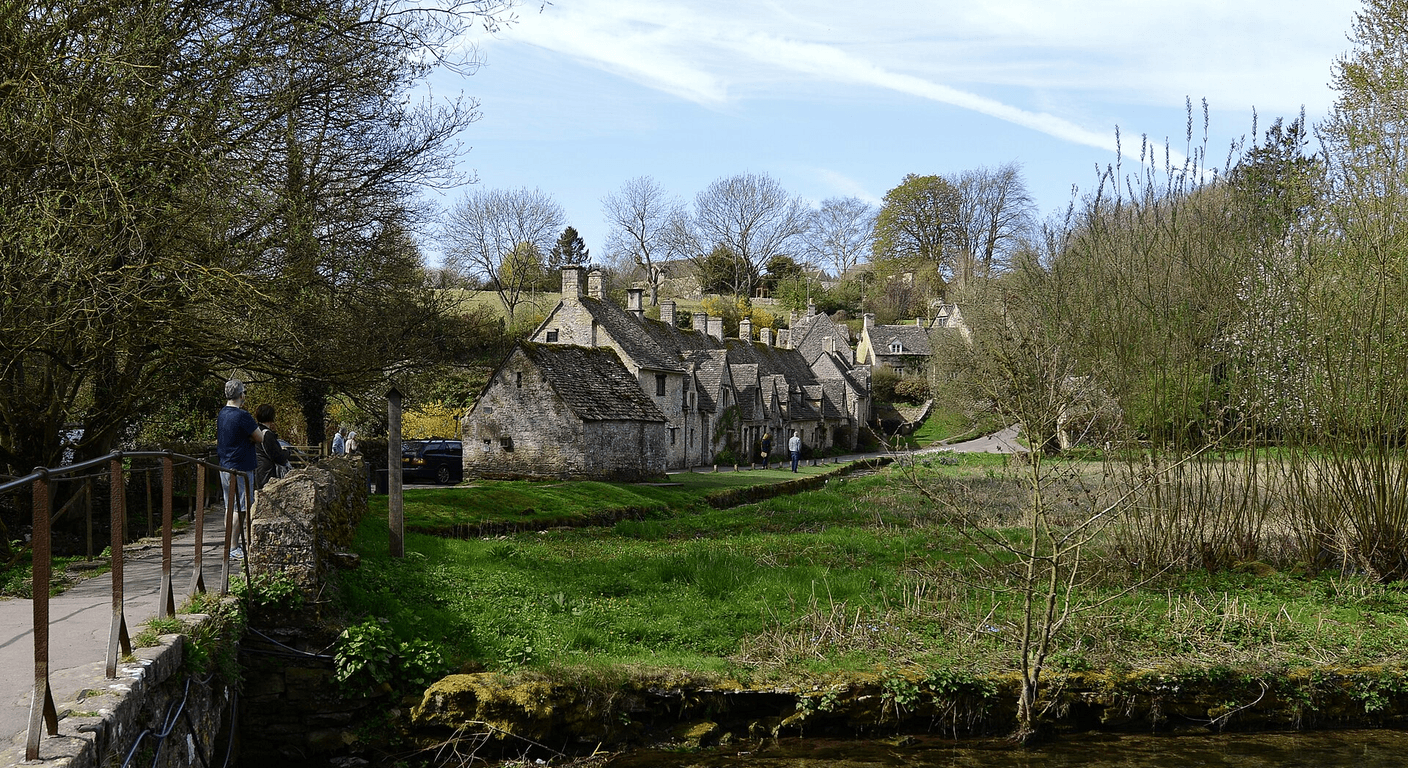
Pembrokeshire suits a visit from late May to early September, avoiding the July-August crowds, with about a week ideal for splitting time between Tenby in the south and St Davids in the north-west. The coast path's flexible day sections and Skomer Island's puffin colony are the defining highlights. Mobility is moderate — some stretches are flat, others involve steep climbs, so days can be matched to ability. Reaching it from Australia means a 23-to-27-hour flight to London plus a four-to-five-hour train to Tenby, best softened by a recovery night.
Why Pembrokeshire rewards a slower approach
The Pembrokeshire Coast Path runs 300 kilometres from Amroth in the south to St Dogmaels in the north. It is, on paper, a serious long-distance trail. In practice, it is also a series of utterly manageable day sections that can be strung together in any order, walked in either direction, and matched to whatever your legs feel like that morning. That flexibility is the whole point of coming here rather than somewhere with a single famous loop.
For a couple travelling from Victoria — perhaps one who's done the Grampians and the Great Ocean Walk and knows the satisfaction of a coastal path done at a sensible pace — Pembrokeshire offers something different: a genuinely ancient landscape, a language still spoken in the shops, and a quality of Atlantic light that photographers follow from across Europe. The towns are small and human-scaled. The pubs serve local ale. Nobody is rushing.
The two best bases are Tenby in the south and St Davids in the north-west. They are different enough to make a split stay worthwhile, and connected by a surprisingly useful network of coastal buses that also happen to be the key to walking one-way sections without a car.
Getting there from Australia: the honest version
From Melbourne or Sydney, the most common routes to London are via Singapore (Singapore Airlines, Qantas codeshare), Dubai (Emirates) or Doha (Qatar Airways). Total journey time, door to door, is typically 23 to 27 hours. That is not a casual undertaking at any age, and it deserves honest planning. A recovery night in London before heading west is not indulgence — it's the difference between arriving in Tenby fresh and arriving exhausted.
From London Paddington, Great Western Railway runs to Cardiff, and Transport for Wales continues south-west to Tenby and Pembroke Dock. The full rail journey from London to Tenby takes roughly four to five hours, depending on connections — check timetables on the Transport for Wales site and book in advance for better fares. For St Davids, the nearest train station is Haverfordwest; a local bus or taxi covers the final 26 kilometres.
UK entry rules for Australian passport holders can change. Check smartraveller.gov.au and the official UK government entry requirements page before booking. Travel insurance is non-negotiable on a trip of this length, and policies covering pre-existing conditions — standard advice for travellers in their seventies — require careful reading of the fine print. Don't leave that to the last week.
Tenby: the southern base
Tenby is a medieval walled town on a narrow headland, with beaches on three sides and a harbour that has been sending boats out to Caldey Island for centuries. It's compact enough to walk from guesthouse to harbour in ten minutes, which matters on days when the coast path can wait. The town walls are largely intact, the streets inside them are genuinely old, and the Georgian townhouses painted in faded pastels give the place a faintly Mediterranean quality — though the Atlantic wind soon corrects that impression.
Accommodation ranges from harbour-front hotels to well-run guesthouses on the quieter residential streets. Quality varies, so read recent reviews carefully. Tenby is popular in July and August — families, school holidays — and those months bring crowds that slightly diminish the town's charm. Late May, June or early September offer the same weather odds with a more relaxed atmosphere.
From Tenby, the coast path south to Saundersfoot is one of the gentler stretches: around five kilometres, mostly through woodland above the cliffs, with a few short climbs. North toward Manorbier is more demanding but rewards with extraordinary cliff scenery and the remarkable Norman castle that the medieval writer Gerald of Wales called the finest place in all of Wales. That might be hometown bias, but the castle is genuinely worth the detour.
The coastal bus network: walk one way, ride back
The Pembrokeshire Coast National Park runs a seasonal bus network — the Coastal Cruiser, Puffin Shuttle, Celtic Coaster and others — specifically designed to connect trailheads. The logic is elegant: walk a section in one direction, catch the bus from the far end back to your base. No car required, no retracing steps, no argument about who drove the furthest.
Services typically run from late May through September. Routes and timetables change each season, so download the current Pembrokeshire Green Ways map from the national park website before you go. A day rover ticket covers unlimited travel on the network and costs indicatively around £10 per person — confirm current pricing on the national park site. It's one of the best-value transport passes in Britain for walkers.
The bus system also solves a practical problem that often goes unmentioned: if the weather turns mid-walk — and in Wales, it will turn — you're never more than a kilometre or two from a stop. That kind of exit option changes the psychology of the day. You can commit to a walk without committing to finishing it in a gale.
St Davids and Britain's smallest city
St Davids has city status by virtue of its cathedral, not its size. The population is around 1,800. There is one main street, a handful of good restaurants, and a cathedral that has drawn pilgrims since the sixth century — two pilgrimages to St Davids was considered equivalent to one to Rome, which presumably saved a lot of people a very long walk. The cathedral sits in a hollow below the town, which is an unusual arrangement and a deliberately humble one: it was built low so Viking raiders scanning the coast couldn't spot it.
The coast around St Davids is wilder than the south. The headland at St Davids Head is a short walk from the city and offers views across to the Preseli Hills inland and, on clear days, the coast of Ireland. The section of path around Whitesands Bay is mostly accessible and well-marked, with the beach itself providing a flat alternative if the clifftop route feels too exposed. Ramsey Island sits just offshore; boat trips run from St Justinian's nearby.
For a traveller with Greek heritage, there's a quiet resonance in St Davids that's worth noting: a place where language, faith and landscape are inseparable, where the old tongue is still taught in schools and used in church, and where the landscape has shaped the culture rather than the other way around. Wales takes its identity seriously. That's not unwelcoming — it's interesting.
Skomer Island and the puffins: what you actually need to know
Skomer is a small island off the Marloes Peninsula, managed by the Wildlife Trust of South and West Wales. From mid-April to mid-July, it hosts one of the largest Atlantic puffin colonies in southern Britain — around 6,000 breeding pairs. The birds are entirely indifferent to visitors, which means you can sit at the cliff edge and watch them land, argue, and shuffle into burrows from close range. It is, by any measure, a remarkable thing to witness.
Day visits run from Martin's Haven near Marloes, with the first boat typically departing around 10am. Visitor numbers are capped to protect the colony — this is the critical point. Booking opens online through the Wildlife Trust weeks, sometimes months, in advance for the peak May and June period. If Skomer is on the itinerary, book it before you book flights. The landing fee is indicatively around £20 to £25 per adult; confirm the current figure and booking process at welshwildlife.org.
The crossing is short — about 15 minutes — but the sea around Skomer can be lively. Anyone with motion sickness concerns should take precautions. The island itself is largely flat grassland above dramatic cliffs, and the walking is not technically demanding. The challenge is remembering to watch where you step: puffin burrows are everywhere underfoot, and the Trust asks visitors to stay on the marked paths for that reason.
Practical notes: weather, kit, and pacing the days
Welsh coastal weather is famously changeable, and Pembrokeshire is no exception. A morning that starts clear and warm can turn grey and wet by early afternoon. That's not a warning to stay inside — it's an argument for layers, a lightweight waterproof, and comfortable walking shoes with ankle support rather than trail runners. The path surface varies from well-maintained gravel to muddy coastal grass; after rain, some sections become genuinely slippery.
The gradient question deserves honest treatment. Some sections of the Pembrokeshire Coast Path — around Marloes, St Davids Head, and the headlands north of Tenby — involve short, steep descents into coves and equally steep climbs out the other side. These are not dangerous, but they do require a level of knee confidence. Anyone with joint concerns should review the national park's path difficulty guides before committing to a section. The flatter stretches around Saundersfoot, Whitesands Bay, and the Daugleddau estuary offer full days without significant elevation.
A sensible daily rhythm might look like this: a morning walk of four to eight kilometres, lunch in a coastal village pub, an afternoon in town or at the cathedral, and an early dinner. That's not a compromised version of travel — it's the version that leaves you feeling well at the end of the week rather than ground down. The coast path will still be there the next morning.
Quick planning guide
| Ideal pace | Slow-paced, one coast path section per day with rest afternoons |
|---|---|
| Best months | Late May, June or early September; mid-April to mid-July for Skomer's puffins |
| Suggested stay | About a week, split between Tenby and St Davids |
| Mobility level | Moderate — flat sections available, but some short steep climbs and descents |
| Cost level | Mid-range (coastal bus day rover around £10, Skomer landing fee around £20–25) |
| Comfort level | Comfortable with proper walking shoes, layers and a waterproof for changeable weather |
| Best for | Older couples or walkers who want a coastal path experience without needing a car |
| Main planning consideration | Book Skomer Island puffin trips well ahead, and confirm UK entry rules and travel insurance before departure |
Key takeaways
- Split a week between Tenby in the south and St Davids in the north-west to experience two distinct sides of the Pembrokeshire coast.
- The national park's seasonal coastal buses allow one-way walks with a comfortable ride back — no car needed and no retracing steps.
- Book Skomer Island puffin day trips through the Wildlife Trust of South and West Wales well before you book your flights; they fill weeks ahead in May and June.
- Coast path sections range from flat harbour walks to steep headland climbs — the national park website grades each section, so check before committing to a day's route.
- A recovery night in London after the 23-to-27-hour flight from Australia is a practical necessity, not a luxury.
- Check smartraveller.gov.au for current UK entry requirements and ensure travel insurance covers pre-existing conditions before departure.
Recommended partners and links
Indicative prices only — always confirm with the operator before booking.
Frequently asked questions
Do you need to walk the whole Pembrokeshire Coast Path to enjoy it?
No. The 300-kilometre Pembrokeshire Coast Path is designed to be walked in sections over many visits. Most over-50 travellers choose four to six self-selected day walks — each between four and ten kilometres — matched to their fitness and the day's conditions. The coastal bus network makes one-way walks easy, so there's no pressure to retrace steps or complete any particular section.
When is the best time to visit Pembrokeshire for puffins and good weather?
Late April to mid-July is the window for Atlantic puffins on Skomer Island, with May and June offering the most reliable sightings as the birds are actively nesting. For general coast path walking and warm weather, late May, June, and early September offer the best balance of conditions and fewer summer crowds. July and August are popular with families and can feel busy in Tenby.
How do Australian travellers get to Pembrokeshire from London?
From London Paddington, take a Great Western Railway train to Cardiff, then a Transport for Wales service south-west to Tenby or Pembroke Dock. The full journey from London to Tenby takes roughly four to five hours. For St Davids, the nearest station is Haverfordwest, with a local bus or taxi for the final 26 kilometres. Book rail tickets in advance through Transport for Wales for better fares.
Is Pembrokeshire suitable for travellers with mobility considerations?
Pembrokeshire suits travellers with moderate fitness who can manage some uneven terrain and occasional short climbs. The coast path ranges from flat, well-surfaced sections around Saundersfoot and Whitesands Bay to steep, exposed headland stretches near Marloes and St Davids Head. The national park website grades each section by difficulty. St Davids city centre is compact and walkable, and Tenby's old town involves some cobbled streets and steps.
What do Australian travellers need to know about entering the UK?
Australian passport holders can currently visit the UK without a visa for stays up to six months, but entry requirements can change. Always check the current rules on smartraveller.gov.au and the official UK government website before booking. Travel insurance covering pre-existing medical conditions is strongly advised for travellers in their sixties and seventies — read the policy carefully before purchasing.
- Visit Pembrokeshire — official tourism information
- Pembrokeshire Coast National Park Authority — coast path and coastal buses
- Wildlife Trust of South and West Wales — Skomer Island visits
- Transport for Wales — rail services to Tenby and Haverfordwest
- Smartraveller — United Kingdom travel advice for Australians