Washington DC suits solo over-50 travellers best in April (outside peak cherry blossom weeks), September or October. Budget at least five full days after a 20-plus-hour flight from Sydney or Melbourne via Los Angeles or Dallas, plus a domestic leg or Amtrak connection to DC. The Smithsonian museums are free, largely accessible, and genuinely world-class. Mobility rating: Moderate — long flat distances between monuments, summer heat, and some cobblestones in Georgetown. Access from Australian capitals requires at least one US transit stop; no direct flights exist.
Getting There: The Honest Flight Picture from Australian Cities
There is no direct flight from anywhere in Australia to Washington DC. That's the first thing to settle in your mind before you start comparing fares. From Melbourne or Sydney, you're looking at a connection through Los Angeles, San Francisco, Dallas-Fort Worth, or Chicago — and then either a domestic flight to Reagan National (DCA) or Dulles (IAD), or an Amtrak train from New York if you've transited through JFK. Total door-to-door travel time from Melbourne or Sydney runs to around 22-26 hours in the air, not counting airport layovers. From Brisbane, add a couple of hours. From Perth, the routing through an Asian hub to a US West Coast gateway can push the journey past 28 hours elapsed time.
Economy return fares from Sydney or Melbourne hover around AUD $1,800-$2,600 in shoulder season, and can climb to $3,000-$3,500 or beyond in peak periods — particularly around the late-March cherry blossom window, which has become a genuine booking scramble. Business class on the trans-Pacific leg alone can add $4,000-$8,000 to the return fare, which is worth considering for anyone with a back condition or who simply can't sleep upright. Always confirm current fares with your airline or a travel agent; these bands shift significantly with fuel surcharges and demand. Whatever you book, do not fly into DC and start sightseeing the next morning. Budget a full recovery day — a real one, not an optimistic half-day. Jet lag from a westbound trans-Pacific crossing hits differently to eastbound travel, and most people aged 50 and over find it takes two to three days to feel genuinely sharp.
A practical routing many Australians use: fly Sydney or Melbourne to Los Angeles, connect to Reagan National (DCA), which deposits you directly onto the Metro system and is closer to central DC than Dulles. Dulles is larger and has more flight options but requires a shuttle or rideshare into the city — budget around AUD $45-$70 for that transfer. If you're adding New York to the itinerary, the Amtrak from Penn Station to DC Union Station is around two hours 45 minutes on the Acela (faster, pricier) or three to three-and-a-half hours on the Regional — a civilised, seated journey that feels nothing like a domestic flight. Confirm visa requirements (ESTA for Australians, currently around AUD $30, valid for multiple entries over two years) and check the Smartraveller advisory at smartraveller.gov.au before finalising plans.
The Solo Supplement Reality and Where to Stay
Solo travellers in Washington DC face the same structural penalty that applies across most of the travel industry: hotel rooms priced for two people, with no discount for one. Mid-range hotels in central DC — think the Dupont Circle neighbourhood, Capitol Hill, or Penn Quarter — run roughly AUD $250-$420 per night in shoulder season for a standard room. That's the full room rate whether you're one person or two. It's not a surcharge; it's just the pricing model. Budget accordingly. There's no share-match programme at a hotel; you pay for the room.
For solo travellers booking any organised tour component — a guided Smithsonian tour, a day trip to Annapolis or Mount Vernon, a small-group history walk — ask directly whether the operator charges a single supplement. Many do, typically adding 15-30% to the per-person tour cost. Some smaller specialist operators in DC run genuinely solo-friendly pricing, particularly walking tour companies that charge per person regardless of group composition. It's worth reading the fine print before you book, and worth calling the operator rather than just booking online if the supplement question isn't clearly answered on their site.
Neighbourhood matters more than star rating for a solo traveller. Dupont Circle is walkable, has good café culture, Metro access, and feels safe and lively without being overwhelming. Capitol Hill puts you within easy reach of the Mall and has a residential, less touristy character. Georgetown is charming but involves cobblestones — more on that shortly — and is not on the Metro line, so you'll be relying on buses or rideshares. For a first visit, Dupont Circle or Penn Quarter (near the National Portrait Gallery) are the most practical bases.
What Does a Gentler Day Actually Look Like? (A Shape-of-the-Day Guide)
Here's what a well-paced day on the National Mall looks like for a solo traveller who isn't trying to sprint between monuments. Breakfast at your hotel or a nearby café — aim to be out by 9:00am, which beats the school groups that arrive in force by 10:00. Walk or Metro to the Mall's western end (Foggy Bottom Metro station for the Lincoln Memorial, or Smithsonian station for the middle of the Mall). From 9:00 to 11:30, visit one or two monuments: Lincoln Memorial and the Vietnam Veterans Memorial Wall are close together and profoundly affecting. The Wall in particular stops people. Allow 45 minutes there alone.
By 11:30 the sun is climbing and the Mall offers almost no shade. This is the natural pause point. Find a bench or head into the National Museum of Natural History (Constitution Avenue entrance, step-free, wheelchairs available at the information desk inside) for the air conditioning and the café on the ground floor. Lunch from around noon to 1:15. The museum café is functional rather than memorable — around AUD $18-$25 for a sandwich and drink — but it's cool, seated, and right there. From 1:30 to 3:30, one Smithsonian museum, chosen in advance, done properly: not a lap of the whole building but two or three galleries you actually want to see. The National Museum of African American History and Culture requires a timed-entry pass booked online in advance — do not skip this step, as walk-up entry is extremely limited. By 3:30, the afternoon heat is peaking in summer; this is when many people make the mistake of pushing on. Don't. Return to the hotel by 4:00, rest, then go out again around 6:00pm for dinner. DC has excellent Ethiopian restaurants (the U Street corridor), Italian, and modern American dining. Dinner for one at a mid-range restaurant runs around AUD $55-$90 including a glass of wine and tip.
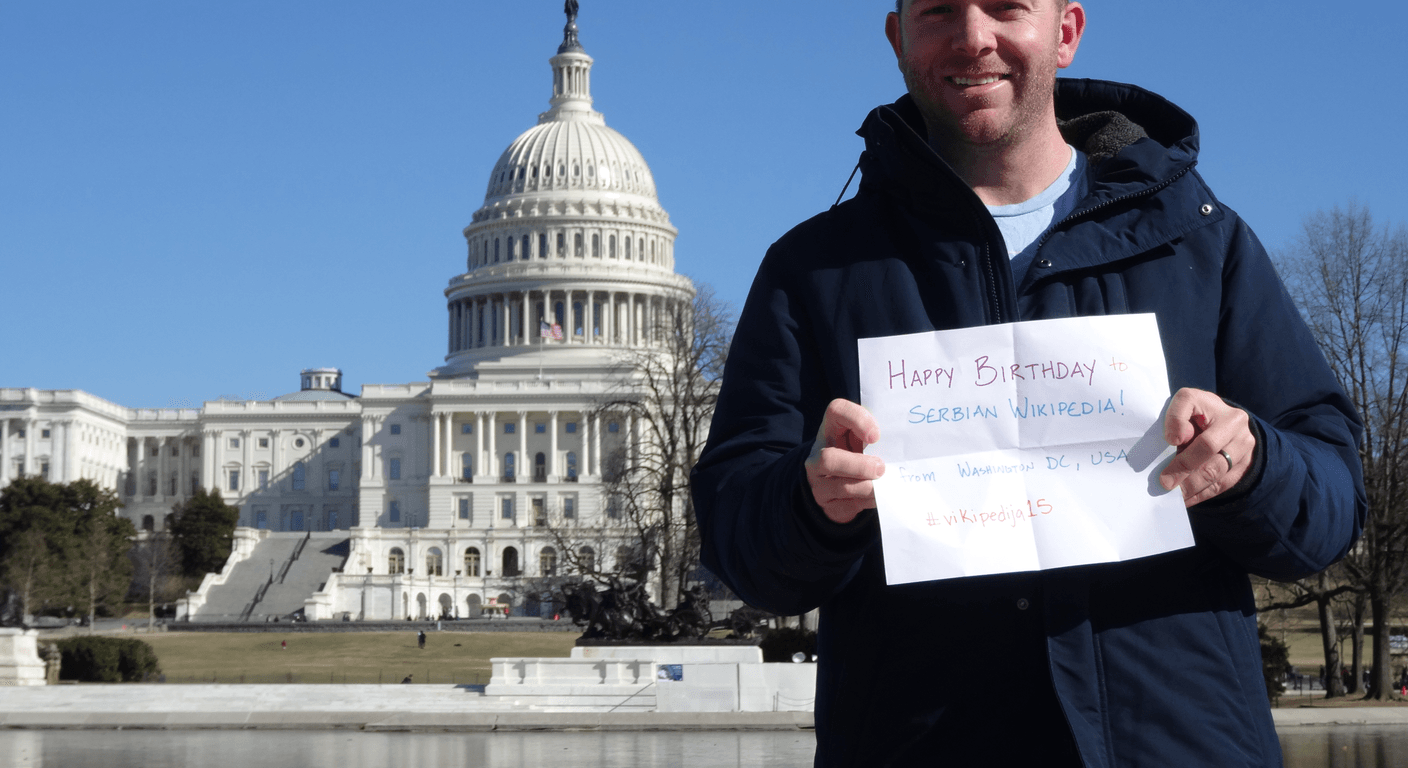
What's skippable, and what to do instead: the Washington Monument interior requires a timed ticket and involves a lift to the top (accessible, but the queuing is significant in peak season). If the queue looks long or the heat is bad, skip it — the exterior view from the reflecting pool is the classic image anyway. The Jefferson Memorial involves a walk around the Tidal Basin and is lovely at dusk; if midday heat is a concern, this is an evening walk, not a morning one. The Capitol Building tours are free but require advance booking through your representative's office (for Australians, this means booking through the Capitol Visitor Center website directly — confirm the process at visitthecapitol.gov). If you opt out of the Capitol tour, the Library of Congress, directly across the street, is one of the most beautiful interiors in the city and requires no advance booking.
The Smithsonian Museums: Free, Accessible, and Worth More Than a Lap
The Smithsonian Institution operates 19 museums and galleries in Washington DC, all free to enter. For a solo traveller over 50 who genuinely loves history, art, or culture, this is one of the great travel windfalls anywhere in the world — and there's no pressure to rush, because there's no ticket price creating a sunk-cost urgency. Pick two or three institutions and go deep, rather than ticking off seven in a day. The National Air and Space Museum draws enormous crowds and is genuinely spectacular, but the National Museum of American History is quieter, more reflective, and in 2026 has significant new permanent exhibition content tied to the US semiquincentennial. The Freer Gallery of Art and the Sackler Gallery (now collectively the Smithsonian's National Museum of Asian Art) are among the most peaceful rooms in Washington — calm, beautifully lit, and rarely overcrowded.
Accessibility across the Smithsonian campus is generally good. Most museums have step-free entrances or ramps, lifts between floors, and wheelchair loan desks at or near the main entrance — no booking required for the wheelchairs, though availability varies. The National Museum of African American History and Culture has the most comprehensive accessibility infrastructure of any building on the Mall. A few of the older buildings on the Mall have narrower corridors in some gallery sections; if this is a consideration, it's worth checking the individual museum's accessibility page at si.edu before you go. The Smithsonian's main site lists accessibility details by museum, and the information is reasonably current.
One practical note: the Mall museums are spread across a considerable distance. From the Natural History Museum at one end to the Hirshhorn Sculpture Garden at the other is roughly a 15-minute walk on flat ground — fine in mild weather, genuinely tiring in July or August heat. The hop-on-hop-off trolley (around AUD $65-$85 for a day pass) stops at or near most of the major museums and monuments and is a legitimate time and energy saver, not a tourist cliché. The DC Circulator bus (a flat fare of around AUD $2-$3) also runs along the Mall and is what locals use. The Metro's Blue, Orange, and Silver lines serve Smithsonian station at the Mall's centre — but check the elevator status before you travel, as WMATA's lifts have a history of being out of service with limited notice. The WMATA website has a real-time elevator status tool; use it the morning of travel.
Georgetown, Cherry Blossoms, and When Not to Go
Georgetown is the neighbourhood that photographs best and walks hardest. The streets between M Street and the waterfront are partly brick-paved and uneven — manageable for most people but worth knowing before you commit to an afternoon there in flat sandals or with any ankle sensitivity. The Georgetown Waterfront Park itself is flat, pleasant, and good for a slow riverside walk. The shopping and café strip on M Street is lively without being exhausting. Getting there is the other consideration: Georgetown has no Metro station. You take a bus from Foggy Bottom station (about ten minutes) or a rideshare (around AUD $15-$20 from central DC). Not difficult, just not seamless.
The cherry blossom season around the Tidal Basin is genuinely beautiful and genuinely overcrowded. Peak bloom typically falls in the last week of March or first week of April — the National Park Service publishes bloom predictions at nps.gov/cherry as the season approaches, and they're reasonably accurate. At peak, the Tidal Basin path is packed to the point of being unpleasant for anyone who doesn't want to be jostled. If you want the blossoms without the crowds, arrive a week before peak (early bloom is still lovely and far quieter) or visit on a weekday morning before 9:00am. The weeks immediately after peak — when the petals are falling — are among the prettiest and least visited. For a solo traveller who values a reflective pace, mid-April after the blossom peak is a genuinely excellent time to be in DC.
Summer (June through August) is hot and humid in ways that Australians from Melbourne or Adelaide may underestimate. Temperatures regularly hit 35°C with high humidity, and the Mall's lack of shade becomes a real issue by midday. September and October are the most comfortable months for extended outdoor walking — warm, drier, and with the added benefit of autumn colour beginning in late October. Winter is cold (0-8°C in January and February) but the museums are quiet and the monuments are dramatic in low light. If cold doesn't bother you, a January visit is one of the most peaceful ways to see DC.
A Day Trip Worth Taking: Mount Vernon or Annapolis
After three or four days on the Mall, a day out of the city resets the pace entirely. Mount Vernon — George Washington's estate on the Potomac River, about 25 kilometres south of DC — is one of the more satisfying half-day excursions in the region. The grounds are extensive and largely flat, the house tour is guided and well-paced (around 45 minutes), and the views over the river are genuinely lovely in morning light. Entry runs around AUD $35-$45 for adults; confirm current pricing at mountvernon.org. Getting there independently requires a car or rideshare (around AUD $45-$55 each way) or a seasonal boat service from the waterfront — the Potomac Riverboat Company runs a scenic cruise from the wharf near the National Mall, which is by far the most pleasant option if it's operating. Check current schedules at potomacriverboatco.com.
Annapolis, Maryland — about an hour from DC by car or shuttle — is a different kind of day. It's a small colonial-era port city with a walkable historic centre, a working harbour, and a genuinely good seafood culture. The Maryland State House is the oldest US state capitol still in continuous legislative use and is free to enter. The streets are partly cobbled, similar to Georgetown, so the same footwear caveat applies. Several tour operators run day trips from DC to Annapolis; prices vary widely, and solo supplements apply on some group tours, so ask before booking. A self-managed day by car (rideshare or rental) gives you more control over pace and timing.
YouTuber Jodentually's video on Washington DC (youtube.com/watch?v=XYdXKmrfuHA) offers a useful first-person perspective on the city's pace and layout, and is worth watching before you finalise your itinerary — particularly for a sense of how the distances between monuments feel on foot, which maps tend to understate.
Travel Insurance, Healthcare, and the Costs You Can't Ignore
US healthcare costs are among the highest in the world for uninsured or under-insured travellers. A single night in a Washington DC hospital can cost AUD $10,000-$30,000 before treatment costs are added. This is not an exaggeration and it's not a remote risk — a chest infection, a fall, a cardiac event. Comprehensive travel insurance with medical evacuation cover is essential for any Australian travelling to the United States, and for travellers over 50 with pre-existing conditions, this means reading the policy carefully rather than just ticking a box. Many standard travel insurance policies exclude or cap cover for pre-existing conditions; some require a medical assessment or additional premium. Do this before you book flights, not the week before departure.
The main hospitals near central DC include George Washington University Hospital (in Foggy Bottom, near the Mall) and MedStar Georgetown University Hospital. Both are major facilities with emergency departments. For non-emergency issues, urgent care clinics are widely available and less expensive than emergency rooms — your hotel concierge can direct you to the nearest one. Pharmacies (CVS and Walgreens have multiple locations near the Mall and Dupont Circle) are well-stocked and open long hours. Bring a sufficient supply of any prescription medication, as Australian prescriptions are not directly transferable to US pharmacies.
Holders of a Victorian Seniors Card should check with their travel insurance provider whether any concession or loyalty arrangement applies — some Australian insurers have senior-specific policies worth comparing. The Australian Government's Smartraveller service (smartraveller.gov.au) maintains a current advisory for the United States; register your travel there so someone knows where you are. It takes three minutes and costs nothing. The ESTA (Electronic System for Travel Authorisation) is required for Australian passport holders visiting the US and currently costs around AUD $30; apply through the official US government site at esta.cbp.dhs.gov, not through third-party sites that charge additional fees.
Quick planning guide
| Ideal pace | 5 full days minimum after arrival recovery night; 7 days is more comfortable |
|---|---|
| Best months | Late March (pre-blossom crowds), April, September, October |
| Suggested stay | 6-8 nights total in DC, including one recovery day on arrival |
| Mobility level | Moderate — flat Mall walking, some cobblestones, stairs optional at most sites |
| Cost level | High — AUD $250-$420/night mid-range accommodation; US dining and transport add up quickly |
| Comfort level | High, if you pace it properly and choose the right neighbourhood |
| Best for | Culturally curious solo travellers, history lovers, museum enthusiasts, those comfortable self-managing in a major city |
| Main planning consideration | No direct flights from Australia; expect 22-28 hours total travel time, mandatory US transit, and at least one full recovery day before sightseeing begins |
Key takeaways
- There are no direct flights from Australia to Washington DC; expect at least 22-26 hours of travel via a US gateway city, plus a mandatory recovery day before sightseeing.
- All 19 Smithsonian museums in DC are free to enter, most have step-free access and wheelchair loan desks — two or three museums done properly beats a rushed circuit of seven.
- Mid-range DC hotels run roughly AUD $250-$420 per night for a solo traveller paying the full room rate, with no single-supplement discount; ask tour operators about solo supplements before booking any guided component.
- The National Mall's distances are longer than they look on a map, shade is limited in summer, and the hop-on-hop-off trolley or DC Circulator bus is a sensible energy-saving tool, not a concession.
- US medical costs are extraordinarily high; comprehensive travel insurance with medical evacuation cover is non-negotiable, and pre-existing conditions must be declared and covered before departure.
- The weeks just after peak cherry blossom in mid-April, and September-October, offer the best balance of pleasant weather, manageable crowds, and comfortable walking conditions on the Mall.
Recommended partners and links
Indicative prices only — always confirm with the operator before booking.
Frequently asked questions
How long should an Australian over 50 spend in Washington DC?
A minimum of five full sightseeing days after a recovery day on arrival is realistic. Seven to eight nights total in DC gives you a comfortable pace, time for a day trip, and the ability to revisit a favourite museum without feeling rushed. Attempting DC in two or three days after a 22-plus-hour flight is possible but rarely satisfying.
Are the Smithsonian museums in Washington DC accessible for people with mobility considerations?
Yes, generally well. Most Smithsonian museums have step-free entrances or ramps, lifts between floors, and wheelchair loan desks near the main entrance at no charge. The National Museum of African American History and Culture has particularly thorough accessibility infrastructure. Check individual museum accessibility details at si.edu before your visit, as some older buildings have narrower gallery sections.
What is the best time of year to visit Washington DC as an older Australian traveller?
September and October offer the most comfortable outdoor conditions — warm, lower humidity, and beginning autumn colour. Mid-April (after the peak cherry blossom crowds have cleared) is also excellent. Avoid July and August if heat and humidity are a concern, as temperatures regularly exceed 35°C with high humidity and the National Mall has very limited shade.
Do I need a visa to visit the United States as an Australian?
Australian passport holders do not need a traditional visa for short stays in the US but must obtain an ESTA (Electronic System for Travel Authorisation) before travel. The ESTA currently costs around AUD $30 and is valid for multiple entries over two years. Apply through the official US government site at esta.cbp.dhs.gov — third-party sites charge additional fees for the same application. Always confirm current requirements at smartraveller.gov.au before booking.
Is the Washington DC Metro accessible for travellers with mobility needs?
Most Metro stations have lifts, but the WMATA elevator system has a documented history of outages, sometimes with limited notice. Check the real-time elevator status tool on the WMATA website (wmata.com) on the morning of each journey. The DC Circulator bus and hop-on-hop-off trolley services provide surface-level alternatives that avoid the lift dependency entirely.
- Smithsonian Institution — Plan Your Visit and Accessibility Information
- Washington Metropolitan Area Transit Authority (WMATA) — Elevator Status
- National Park Service — Cherry Blossom Bloom Predictions
- Mount Vernon — George Washington's Estate, Visitor Information
- US Capitol Visitor Center — Tours and Accessibility
- Australian Government Smartraveller — United States Travel Advisory
- ESTA — US Electronic System for Travel Authorisation (Official US Government Site)
- Jordentually — Washington DC Travel Video (YouTube)
- Potomac Riverboat Company — Seasonal Cruises to Mount Vernon
- Old Town Trolley Tours Washington DC