Australia's whale watching season runs from May to November, with humpbacks migrating along the east and west coasts and southern right whales sheltering in bays such as Victor Harbor. Hervey Bay stands out for close, resting encounters on guided boat tours (roughly $100–$180 per person), while free clifftop lookouts suit those who prefer solid ground. Mobility is generally easy to moderate, with paved lookouts common and boat access varying by operator, and most destinations reachable by road or a short flight.
Why Australia Is One of the World's Most Reliable Whale Watching Destinations
Australia's long coastline creates a natural corridor for two distinct whale species — humpbacks migrating along the east and west coasts, and southern right whales returning each year to sheltered southern bays. Unlike some destinations where sightings are hit-and-miss, Australia's seasonal patterns are well established, which means that if you plan your trip around the right months for the right location, you have a genuinely good chance of seeing whales. That said, no reputable operator or guide will guarantee a sighting — weather, sea conditions, and the whales themselves all have a say.
For travellers in their sixties and seventies, the variety of options is particularly useful. You can spend nothing and stand on a headland watching from solid ground, or you can book a comfortable tour vessel with seating, shelter, and a marine naturalist on board. The key is matching the experience to your preferences around motion sickness, mobility, and how much time you want to spend at sea. This guide works through the main destinations so you can make that call with clear information.
One thing worth knowing upfront: the species matter. Humpbacks are acrobatic and often breach dramatically. Southern right whales tend to be slower, calmer, and more inclined to linger near shore — which makes them particularly well suited to land-based viewing. Both are extraordinary to observe, just in different ways.
The East Coast Humpback Highway: May to November
Each year, tens of thousands of humpback whales travel northward along Australia's east coast from around May, heading to the warm waters of Queensland to breed and calve, then return south from around August through to November. This migration route — sometimes called the Humpback Highway — runs close enough to shore at several points that you do not need a boat to see it. Headlands from Eden in New South Wales through to the Sunshine Coast in Queensland offer genuine vantage points, particularly during the northward and southward peaks.
Key land-based spots on the east coast include Barrenjoey Headland at Palm Beach in Sydney's north, Cape Byron (the most easterly point of mainland Australia, accessible via a well-maintained walking track), and Point Danger at Coolangatta on the Gold Coast. In Victoria, Cape Otway and Aireys Inlet along the Great Ocean Road offer excellent clifftop viewing with no cost involved. The Great Ocean Road lookouts managed by Parks Victoria are largely accessible by car, and some have paved viewing areas suitable for travellers with limited mobility.
If you are based in Victoria and looking for a manageable day trip or short break, the stretch between Torquay and Apollo Bay during August to October is worth planning around. Whales pass relatively close to shore here, and the Great Ocean Road itself makes for a comfortable, scenic drive. For a longer east coast trip, Eden in southern New South Wales has a strong whale-watching heritage and the Killer Whale Museum adds genuine historical context to the experience.
Hervey Bay, Queensland: The Resting Ground That Sets It Apart
Hervey Bay, roughly four hours north of Brisbane by road or a short flight, occupies a unique position in Australia's whale watching calendar. The bay sits behind Fraser Island (K'gari), and its sheltered, shallow waters attract humpbacks travelling south from around late July to early November. Rather than passing through, many whales — particularly mothers with calves — pause here to rest. That changes the quality of the encounter significantly. Boats can sit quietly near resting groups, and curious whales sometimes approach vessels on their own terms.
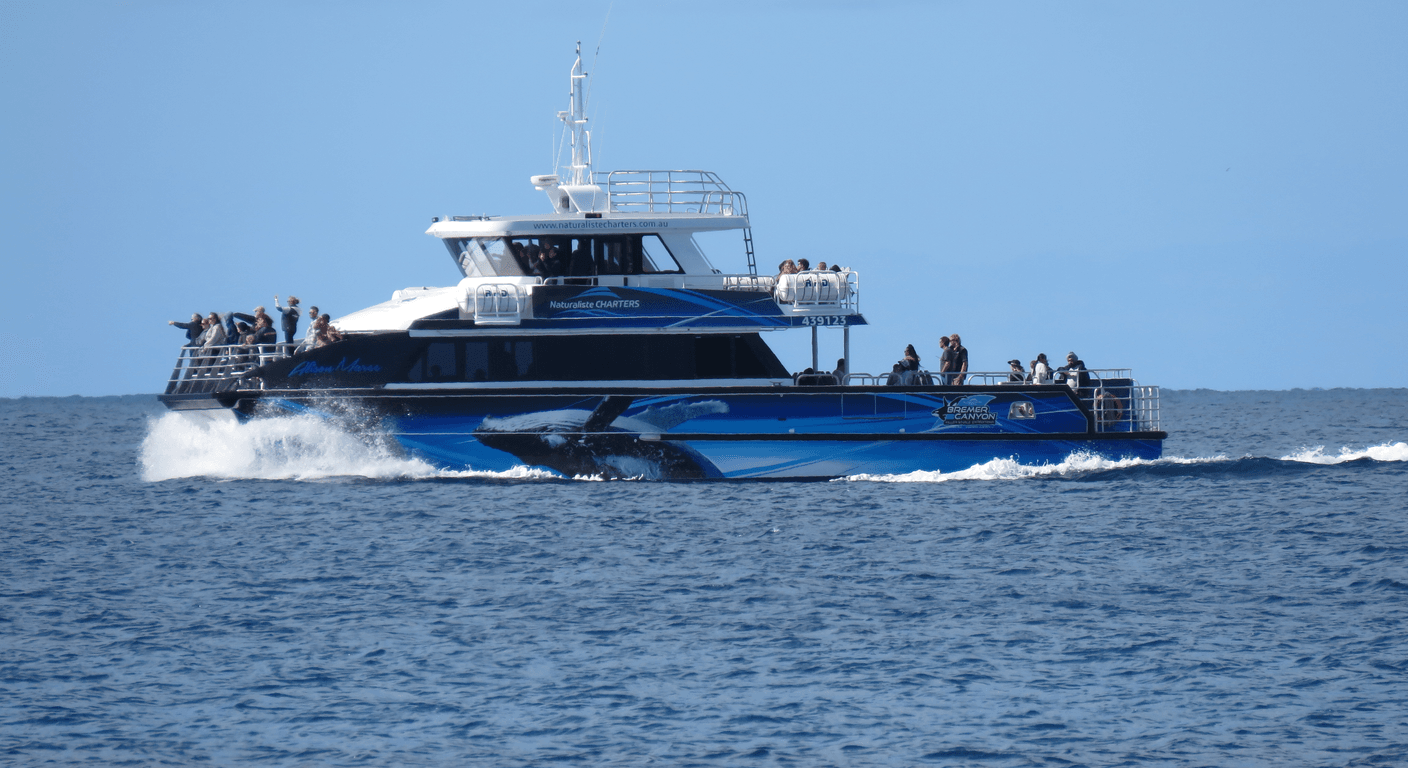
Hervey Bay is well established as a tour destination, with multiple operators running half-day and full-day trips from Urangan Harbour. Indicative prices for a half-day trip sit roughly in the $100–$160 range per person, though you should confirm current pricing directly with operators, as costs and inclusions vary. Most vessels have indoor seating, toilets, and some shade, which matters when you are spending three to four hours on the water. Check with individual operators about step access, handrails, and seating arrangements if you have specific mobility needs — standards differ between vessels.
The town itself is easy to navigate, relatively flat, and has a calm, unhurried character that suits travellers who prefer not to rush. Accommodation ranges from budget motels to waterfront options, and the town is well connected by air and road from Brisbane. If you are travelling as a couple, Hervey Bay has enough to fill two or three days comfortably, with the whale tours as the centrepiece.
Victor Harbor and South Australia: Southern Right Whales Close to Shore
Southern right whales were hunted almost to extinction and their recovery has been one of conservation's genuine success stories. Each year from around May to October, they return to the sheltered waters of Encounter Bay near Victor Harbor, about 80 kilometres south of Adelaide, to calve and nurse. Because southern rights are naturally slow-moving and coastal in their habits, Victor Harbor offers some of the best land-based whale watching in the country — often within a few hundred metres of the foreshore.
The Bluff at Rosetta Head is the classic viewing point: a short but moderately steep walk (or a horse-drawn tram across the causeway to Granite Island, which is flat and easy) puts you at a height where you can look directly down into the bay. On a good day in July or August, it is not unusual to count a dozen or more whales from a single vantage point. The Victor Harbor Whale Centre provides context, with information on the species and the season, and is worth a visit before or after your time on the headland.
The Great Australian Bight, further west along the South Australian coastline near the Nullarbor, is another significant southern right whale nursery. The Bunda Cliffs viewing platform (managed by Parks Australia) sits above a protected marine park where mothers and calves congregate from June to October. Getting there requires either a long drive along the Eyre Highway or a stop on a road trip between Adelaide and Perth — it is remote, but the viewing platform is free, paved, and genuinely accessible. Confirm current road and facility conditions with Parks Australia before travelling.
Western Australia: A Long Season and a Spread of Options
Western Australia benefits from a particularly long whale watching season, running roughly from June through to November depending on location. Humpbacks travel up the west coast to the warmer waters of the Kimberley and Exmouth Gulf, and southern rights appear in bays around Esperance, Augusta, and the Albany area. The spread of options means that if you are making a longer trip to WA, whale encounters can be woven into an itinerary rather than being the sole purpose of a visit.
Albany, on the south coast, has a historically significant connection to whales — it was the site of Australia's last whaling station, which operated until 1978. Today, Whale World (now part of Cheynes Beach) is a museum built around the former station, and the town runs boat-based tours during the season. Whale Watch Western Australia operates from Albany and is one of the more established operators on the south coast. Indicative prices are roughly in the $120–$180 range; confirm directly with the operator. Rottnest Island, accessible by ferry from Perth, also offers reliable humpback sightings during the migration, with land-based viewing from its clifftops.
Exmouth and Ningaloo Reef on the mid-north coast attract humpbacks from around July to October, and the calm, clear waters make for particularly good visibility on boat tours. For travellers combining a reef experience with whale watching, this stretch of coast is worth serious consideration. The town of Augusta, near Cape Leeuwin, is another southern right whale location with clifftop viewing that requires minimal effort.
Boat Tours Versus Land-Based Viewing: An Honest Comparison
The honest answer is that neither is definitively better — they are different experiences, and the right choice depends on you. A boat tour puts you at water level, which means you feel the scale of a whale's size in a way that is genuinely different from watching from a cliff. You may also see behaviour — spy-hopping, tail slapping, breaching — from angles that are simply not possible from shore. Reputable operators carry marine naturalists who add genuine knowledge to what you are seeing. The tradeoff is cost (roughly $100–$180 per person for most tours), time at sea, and the real possibility of seasickness.
Land-based viewing is free, requires no booking, and gives you control over how long you stay. On a calm, clear day with whales passing close to shore — which is genuinely common at Victor Harbor, Cape Byron, and the Great Australian Bight — it can be as memorable as any boat trip. Binoculars help considerably; a pair with 8x or 10x magnification and image stabilisation is worth packing. The limitation is that you cannot follow the whales, so some patience is required, and rough weather or poor visibility can make a clifftop feel exposed.
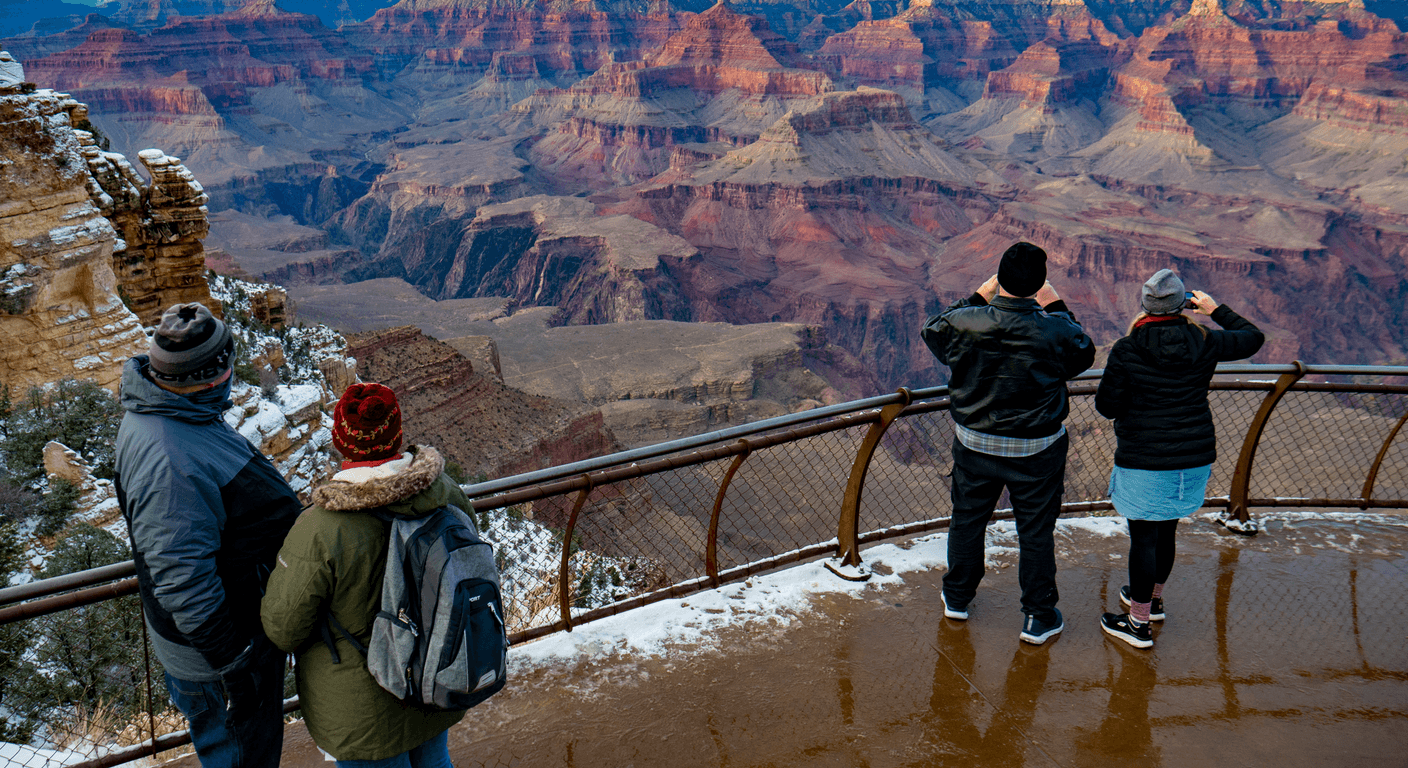
For travellers with limited mobility, land-based viewing is often the more practical option. Many of the best clifftop spots are accessible by car and have paved areas or low-gradient paths. On the boat side, accessibility varies considerably between vessels — some have wide gangways, indoor seating areas, and minimal step access; others do not. Always contact the operator directly before booking to ask specific questions about boarding access, seating, and onboard facilities.
Seasickness, Pacing, and Practical Considerations for Older Travellers
Seasickness is worth taking seriously rather than hoping for the best. Many whale watching tours operate in open water where swell is present, and even a moderate sea state can be uncomfortable if you are susceptible. If you have not been on a boat in some years, it is worth thinking honestly about your history with motion. Preventative medication — such as over-the-counter options like Travacalm or Kwells, or prescription patches — works far better when taken before boarding than after symptoms start. Speak with your GP before the trip, particularly if you are on other medications.
Choose the calmest conditions you can. Many operators allow same-day rebooking if conditions are poor, though policies vary — check before you commit. Morning departures often have calmer seas than afternoon trips. Sitting outside, near the middle of the vessel, and keeping your eyes on the horizon are practical strategies that genuinely help. Eating a light meal beforehand (not a large one) is sensible. Ginger in tablet or biscuit form is a mild but real aid for some people.
Pack layers even in summer — the temperature on the water is always cooler than on shore, and a breeze can make an open deck feel cold quickly. Sunscreen, a hat, and sunglasses are non-negotiable. Comfortable, non-slip footwear is important on a moving deck. If you are travelling as a couple, discuss beforehand whether one of you might prefer to wait on shore rather than push through discomfort — that is a completely reasonable choice, and the land-based experience at most of these locations is genuinely worthwhile.
Quick planning guide
| Ideal pace | Relaxed and self-paced, or structured around a half-day guided tour |
|---|---|
| Best months | May to November, timing varies by region and species |
| Suggested stay | A few hours at a clifftop lookout, or two to three days if combining with a boat tour |
| Mobility level | Moderate — many lookouts are paved and flat, but some walks are moderately steep and boat access varies by vessel |
| Cost level | Free for land-based viewing; roughly $100–$180 per person for boat tours |
| Comfort level | Variable — land viewing is comfortable and unhurried, boat tours carry a real risk of seasickness |
| Best for | Older travellers and couples who want flexible, low-cost viewing or a closer guided encounter |
| Main planning consideration | Matching land-based or boat viewing to your mobility and motion-sickness tolerance, and confirming operator accessibility and season timing directly |
Key takeaways
- Australia's whale watching season runs from May to November depending on location and species, with humpbacks on the move and southern rights lingering in sheltered bays.
- Hervey Bay is the standout destination for calm, close encounters because humpbacks rest there rather than simply pass through.
- Victor Harbor and the Great Australian Bight offer some of Australia's best free, land-based southern right whale viewing from May to October.
- Land-based clifftop viewing costs nothing and is often the most accessible option for travellers with mobility considerations.
- Boat tour prices are indicative in the $100–$180 per person range depending on operator and location — always confirm current pricing directly.
- Sightings on any given day are likely during peak season but never guaranteed — weather, sea conditions, and the whales themselves all determine the outcome.
Recommended partners and links
Indicative prices only — always confirm with the operator before booking.
Frequently asked questions
When is the best time of year to see whales in Australia?
The east coast humpback migration runs from around May to November, with peak activity in July and August heading north and September to October heading south. Southern right whales appear at Victor Harbor and the Great Australian Bight from around May to October. Western Australia has a similarly long season from June to November. The specific month that suits you best depends on which location you are visiting.
Is land-based whale watching in Australia actually worth it, or do you need a boat?
Land-based whale watching at the right locations is genuinely rewarding and costs nothing. Victor Harbor, Cape Byron, the Bunda Cliffs at the Great Australian Bight, and Great Ocean Road headlands all offer reliable clifftop viewing during peak season. Binoculars improve the experience considerably. A boat tour offers a different perspective at water level, but it is not necessary for a memorable sighting.
How much does a whale watching boat tour cost in Australia?
Indicative prices vary by operator and location. Half-day tours at Hervey Bay are roughly in the $100–$160 per person range. Tours out of Albany in Western Australia are indicatively around $120–$180 per person. These are approximate figures only — always confirm current pricing directly with the operator before booking.
What should seniors with limited mobility know before booking a whale watching boat tour?
Vessel accessibility varies significantly between operators. Some boats have wide boarding gangways, indoor seating, and minimal steps; others involve steep stairs and exposed decks. Contact the operator directly before booking and ask specifically about step access, handrails, indoor seating availability, and toilet facilities. Land-based viewing at most major sites is accessible by car and often involves paved or low-gradient paths.
Are whale sightings guaranteed on a tour?
No reputable operator guarantees a sighting. Whales are wild animals and their movements depend on weather, sea conditions, and factors that cannot be predicted. That said, during peak season at well-chosen locations — particularly Hervey Bay and Victor Harbor — sightings are common. Many operators offer a return trip or partial refund if no whales are seen; check the individual operator's policy before booking.