July is Australia's dry-season sweet spot: the tropical north and Red Centre turn warm and rain-free, while Victoria's High Country and NSW Snowy Mountains offer snow without European extremes. A week suits either region, with Uluru's base walk and Kakadu's Yellow Waters Billabong among the highlights. Mobility ranges from easy waterfront strolls to moderate-to-active outback walks, and access depends on scheduled flights, sealed roads or, in remoter areas, 4WD tracks and light aircraft.
Why July Works So Well for Over-50 Travellers
Australia's winter is, frankly, one of the country's best-kept seasonal secrets. While the northern hemisphere is sweltering through summer and popular European destinations are at their most crowded, Australia splits into two distinct travel moods in July: the tropical north and the arid interior become genuinely pleasant — warm days, cool nights, almost no rain — while the south offers the novelty of snow country without the extremes of a European winter.
For travellers over 50, the rhythm suits well. The days are long enough to do something meaningful, but the heat in the north is no longer punishing. Humidity, which makes Darwin and Cairns uncomfortable from November through to April, is largely gone. In the outback, July temperatures can drop to single digits overnight — a sleeping bag matters — but afternoons are perfect for walking. It's the kind of travel that rewards those who take their time.
The one honest caveat: school holidays. Most Australian states run their July school break across roughly two weeks in mid-July, though exact dates vary by state and year — always confirm with the relevant state education department before booking. Accommodation in Darwin, Uluru and Cairns fills quickly, and prices reflect that. Travel the first week of July or the week after schools return and you'll find the same destinations notably quieter and often cheaper.
The Tropical North: Darwin and Kakadu in Dry Season
Darwin in July is a different city from Darwin in January. The markets are running, the waterfront is alive after dark, and Kakadu National Park — about three hours south-east by sealed road — is accessible in a way it simply isn't during the wet season. Yellow Waters Billabong at Cooinda is one of those places that earns its reputation honestly: saltwater crocodiles on the banks, jabiru storks picking through the shallows, and a light in the late afternoon that turns the whole thing amber. Boat cruises run morning and afternoon; the early one is cooler and often better for bird activity.
Darwin itself is more walkable than many Australians realise. The Darwin Waterfront Precinct has flat, well-maintained paths, good cafes and the Wave Lagoon if grandchildren happen to be in tow. The Museum and Art Gallery of the Northern Territory (MAGNT) on Conacher Street holds one of the country's finest collections of Aboriginal and Torres Strait Islander art, as well as a sobering Cyclone Tracy exhibition — it's free to enter and worth a solid two hours. The Indo-Pacific Marine Exhibition, adjacent to the waterfront, is small but genuinely engaging for anyone interested in marine ecosystems.
For solo travellers, Darwin has a sociable, easy energy. The Mindil Beach Sunset Market runs Thursday and Sunday evenings during the dry season — confirm current dates at mindil.com.au before visiting. The crowd is mixed-age, the food is genuinely multicultural (the laksa is a Darwin institution), and watching the sun drop into the Timor Sea over a bowl of noodles is exactly the kind of low-key pleasure that makes travelling alone feel like a luxury rather than a compromise. Mobility: Easy. Most Darwin attractions are flat and accessible.
The Red Centre: Uluru and Alice Springs When the Heat Finally Relents
There's a reason the Red Centre features on so many bucket lists, and July is when visiting it actually makes physical sense. Daytime temperatures around Uluru and Kata Tjuta hover in the high teens to low twenties — cool enough for the Valley of the Winds walk at Kata Tjuta, which in summer would be closed by mid-morning due to heat. The Valley of the Winds is a 7.4-kilometre loop with some uneven terrain and a moderate climb; there's a shorter option to the first lookout that suits those who prefer a gentler pace. Check current track conditions with Parks Australia at parksaustralia.gov.au before you go.
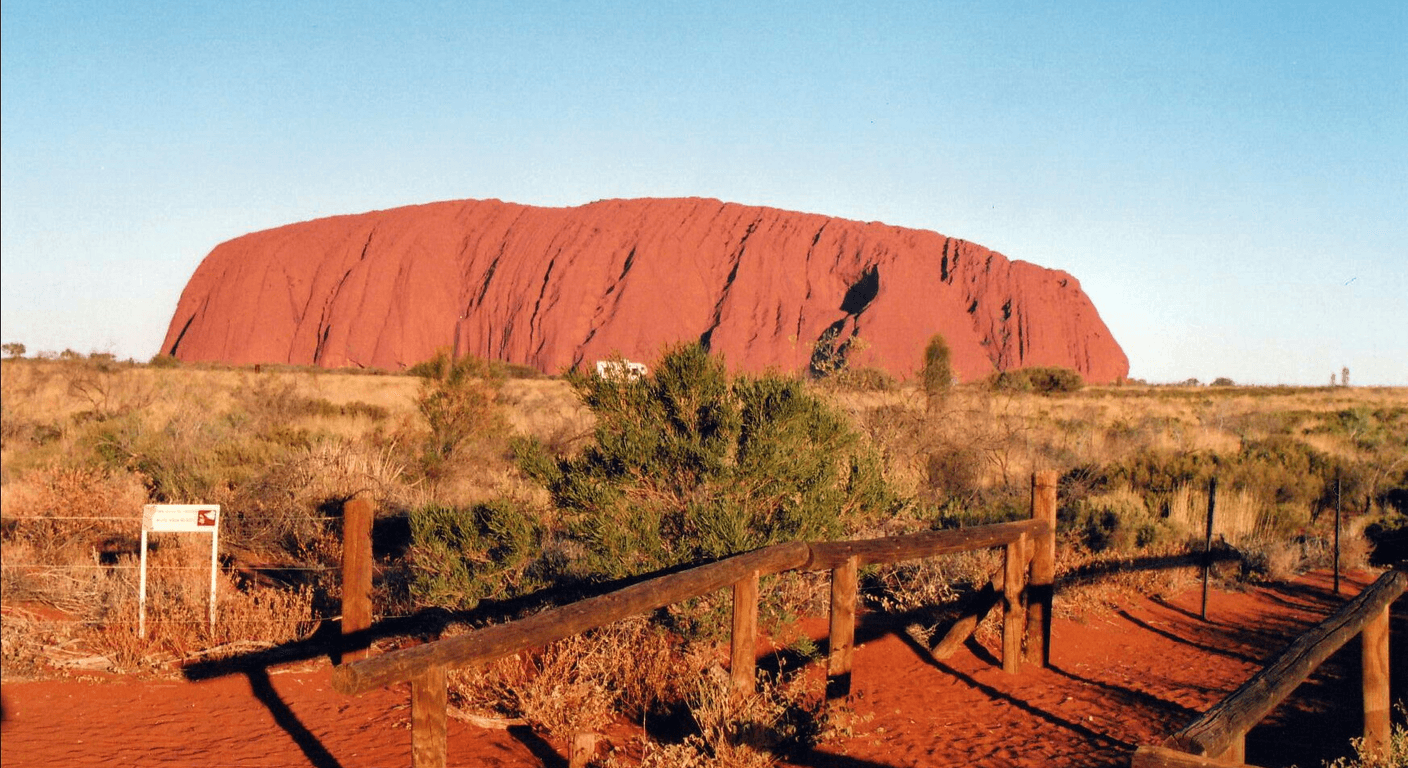
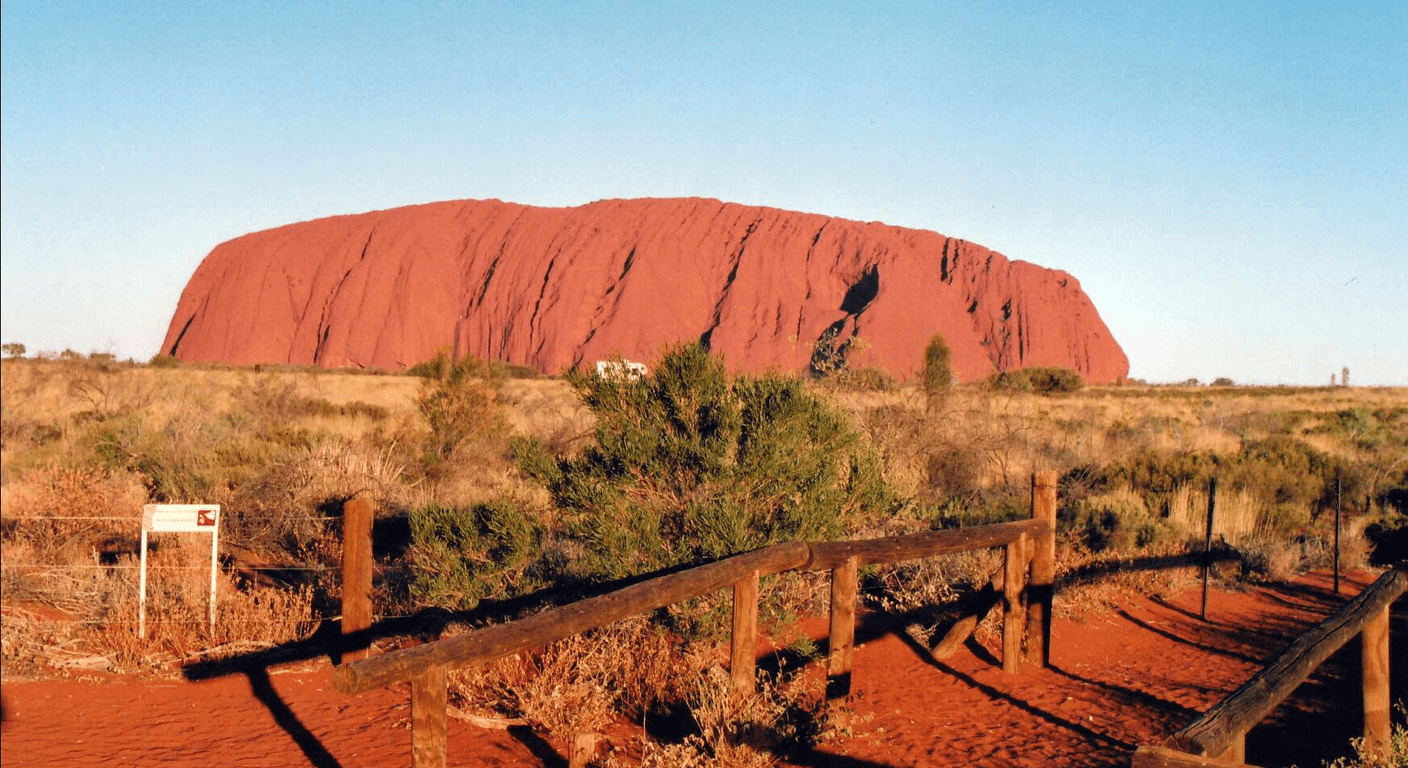
Uluru itself is, of course, not climbed — and hasn't been since 2019. The base walk is 10.6 kilometres around the rock and is flat on sealed path for much of its length, though the full loop takes three to four hours and requires decent footwear and water. The Mala Walk, guided by Anangu rangers and focusing on the cultural significance of specific sites on the rock's northern face, is shorter and one of the most genuinely moving experiences the park offers. It's free with park entry.
Alice Springs warrants a day or two on either side of an Uluru visit. The Alice Springs Desert Park on Larapinta Drive is an underrated introduction to Central Australian ecosystems — the nocturnal house alone is worth the entry fee. The town is blunt and real; it doesn't perform for tourists, which is part of its appeal. Indicative park entry fees apply at Uluru-Kata Tjuta National Park — confirm current costs at parksaustralia.gov.au. Flights connect Alice Springs to Melbourne, Sydney, Adelaide and Brisbane; confirm current routes with Qantas or Rex before booking.
The Kimberley, WA: Remote but Rewarding in July
Western Australia's Kimberley region is vast, ancient and, in July, at its most navigable. The Gibb River Road — roughly 660 kilometres of mostly unsealed track between Derby and Kununurra — becomes passable for conventional 4WDs in the dry season, though sections vary and conditions should be confirmed with Main Roads WA at mainroads.wa.gov.au before any self-drive attempt. For those who'd rather leave the driving to someone else, small-group guided tours depart from Broome and Kununurra and handle the logistics entirely.
Broome is the natural gateway. Cable Beach at low tide, with its long red sand and pale sea, is the kind of place that stops a conversation. The town itself has good restaurants, a strong pearling history told well at the Broome Historical Museum, and a cinema — Sun Pictures on Carnarvon Street — that claims to be the world's oldest operating outdoor picture garden, which may or may not be strictly true but makes for a pleasant evening regardless. Broome is genuinely accessible: flat, compact, and easy to navigate on foot or by local bus.
Further east, the Bungle Bungle Range in Purnululu National Park is one of Australia's most distinctive geological formations — striped orange-and-black beehive domes rising from the plain. Access requires a high-clearance 4WD on a rough track, or a scenic flight from Kununurra or Halls Creek; the flights are the practical choice for most travellers and offer perspectives unavailable from the ground. Confirm current flight operators and prices through Tourism Western Australia at westernaustralia.com. Mobility: Moderate to Active depending on how much ground walking you do.
Alpine Victoria and the Snowy Mountains: Snow Without the Extremes
Victoria's High Country and the Snowy Mountains in New South Wales offer something genuinely novel for Australians who've never seen snow in their own country — and for those who have, a return visit in midlife carries a different pleasure. Falls Creek, Mount Hotham and Mount Buller in Victoria, and Thredbo and Perisher in NSW, all typically have snow on the ground by July, though snowfall varies year to year. Ski resort conditions are published daily during the season; check ski.com.au or individual resort sites for current conditions before booking.
Skiing and snowboarding are options, but so is simply being in the landscape. Snowshoe walks, resort village dining, spa treatments and the particular quiet of a snow-covered forest are available to anyone. Falls Creek and Thredbo both have accessible village centres with good accommodation, and shuttle services run from nearby towns for those who'd rather not drive in snow conditions. A return drive from Melbourne to Falls Creek takes around four hours; Thredbo from Sydney is around six hours or there are coach options — confirm with operators.
July school holidays make the resorts their busiest and most expensive. The week before and the week after the school break are notably quieter and often cheaper — and the snow is usually just as good. For solo travellers, resort villages have a social ease to them; dining alone at a fireplace table is not unusual, and many smaller lodges have shared lounges that make conversation natural rather than forced. Mobility: Moderate in village areas; Active for ski runs and longer snowshoe trails.
Whale Watching: East and West Coasts in July
Humpback whales migrate northward along both the east and west coasts of Australia from around June through to October or November, with July typically offering reliable sightings along much of both coastlines. On the east coast, Hervey Bay in Queensland is particularly well regarded — the bay's sheltered waters mean whales often linger rather than simply pass through, and operators there have a long history of respectful, well-managed tours. Confirm current tour schedules and departure points through Hervey Bay operators or Tourism Queensland at queensland.com.
On the west coast, Bremer Bay — about five hours south-east of Perth — has developed a reputation for orca (killer whale) encounters between January and April, while humpbacks move through the broader south-west region from around June. Augusta, at the tip of the Cape to Cape region, is a well-established whale-watching spot with lookout points accessible from the shore. The Discovery Bay coastline in far south-west Victoria also sees southern right whales from around May through to October.
Whale watching from land is free, genuinely rewarding and accessible for any mobility level — a good pair of binoculars and patience are the main requirements. Boat tours offer closer encounters; choose operators who are members of a recognised whale-watching code of conduct. Seasickness is worth considering honestly — a patch or tablet taken the night before makes a significant difference for those prone to motion sickness.
One Overseas Option: Japan in July — With Eyes Open
Japan in July is not without its challenges, and it's worth saying so plainly. The first half of the month — typically through to around mid-July — coincides with the rainy season (tsuyu) across most of Honshu, including Tokyo and Kyoto. Humidity is high and rain is frequent. The second half of July brings intense summer heat, particularly in the cities. That said, Japan in July has real advantages for travellers who choose their destinations carefully.
Hokkaido, Japan's northernmost main island, sits largely above the worst of the summer heat and humidity. Sapporo in July is genuinely pleasant — mid-twenties, low humidity, and the city's parks and beer gardens are at their most appealing. The lavender fields of Furano, about two hours south of Sapporo by train or bus, peak in mid-July and are extraordinary in a way that doesn't require embellishment. The Furano area is accessible and flat; the train journey through central Hokkaido is itself worth the fare.
Direct flights from Australian cities to Tokyo (Narita or Haneda) take roughly nine to ten hours from Sydney or Melbourne, with some routing via a single stopover depending on the carrier — confirm current routes with Qantas, Japan Airlines or ANA. A recovery night in Tokyo or Sapporo before sightseeing is sensible given the time difference. Australian passport holders do not require a visa for Japan for stays under 90 days as of 2025, but entry requirements can change — confirm with the Japanese embassy or official government sources before travel. Travel insurance covering pre-existing medical conditions is essential; confirm policy details before purchasing.
Quick planning guide
| Ideal pace | Slow to moderate, allowing time to acclimatise and explore each region properly |
|---|---|
| Best months | July — dry season in the tropical north and Red Centre; snow season in alpine Victoria and NSW |
| Suggested stay | A week or more per region, e.g. a day or two in Alice Springs either side of an Uluru visit |
| Mobility level | Easy in Darwin, Broome and resort villages; Moderate to Active for outback walks, ski runs and Kimberley terrain |
| Cost level | Higher during mid-July school holidays; noticeably cheaper the week before or after |
| Comfort level | High — mild, dry days in the north and outback, with cold but manageable conditions in the alpine south |
| Best for | Over-50 travellers wanting reliable dry-season weather up north or a snow experience without leaving Australia |
| Main planning consideration | Book around mid-July school holidays, when accommodation in Darwin, Uluru, Cairns and alpine resorts fills fastest and costs most |
Key takeaways
- July is peak dry season in tropical northern Australia — Darwin, Kakadu and the Kimberley are at their most accessible and comfortable.
- The Red Centre in July offers cool walking temperatures; the Valley of the Winds at Kata Tjuta and the Mala Walk at Uluru are genuinely rewarding at this time of year.
- School holidays fall in mid-July nationally — travel the first or last week to avoid peak crowds and higher prices at popular destinations.
- Humpback whales migrate along both Australian coasts in July; Hervey Bay on the east coast and the south-west WA coastline are well-established viewing areas.
- Victoria's High Country and the NSW Snowy Mountains offer snow experiences without international airfares — resort villages are accessible and social.
- Hokkaido in Japan is the most comfortable part of the country in July — cooler, less humid, and home to the famous Furano lavender season.
Recommended partners and links
Indicative prices only — always confirm with the operator before booking.
Frequently asked questions
Is July a good time to visit Australia's Top End?
Yes. July falls in the dry season for Darwin and the Northern Territory, which runs roughly from May to October. Humidity is low, rainfall is minimal, and Kakadu National Park is fully accessible. It's the most comfortable time of year to visit the region, though accommodation books out during school holidays — plan ahead.
How cold does Uluru get in July?
Nights around Uluru in July can drop to single digits Celsius, occasionally below, so warm layers and a decent sleeping bag matter if you're camping. Daytime temperatures are typically in the high teens to low twenties — ideal for walking. It's a significant contrast to the 40-plus-degree summers that make the same walks dangerous.
When exactly are school holidays in July 2026?
School holiday dates vary by state and year. As a general guide, most Australian states run their July school break across roughly two weeks in mid-July, but exact dates differ — Queensland, Victoria, NSW, WA and SA don't always align. Check the relevant state education department website for confirmed 2026 dates before booking.
Is Japan suitable for older Australian travellers in July?
Hokkaido is the most practical choice for Australian travellers over 50 visiting Japan in July. The island avoids the worst of the summer heat and humidity that affects Tokyo and Kyoto in that month. Sapporo is easy to navigate, has good infrastructure, and the Furano lavender fields are a short train journey away. The main Honshu cities are manageable but require preparation for heat and humidity.
What should solo female travellers know about travelling in July in Australia?
Australia's major July destinations — Darwin, Cairns, Alice Springs, Broome and the alpine resorts — are all considered safe and well-serviced for solo travellers. Darwin and Broome have a particularly easy, social energy in the dry season. Most tour operators in these regions run small-group formats that suit solo travellers well, and accommodation ranging from boutique hotels to resort-style lodges is widely available.
- Tourism Australia – Official Travel Information
- Tourism NT – Dry Season Travel Guide
- Parks Australia – Uluru-Kata Tjuta National Park
- Museum and Art Gallery of the Northern Territory (MAGNT)
- Tourism Western Australia
- Parks and Wildlife Service WA – Purnululu National Park
- Visit Victoria – High Country and Alpine Region
- Mindil Beach Sunset Market
- Main Roads Western Australia – Road Conditions
- Tourism Queensland – Hervey Bay Whale Watching