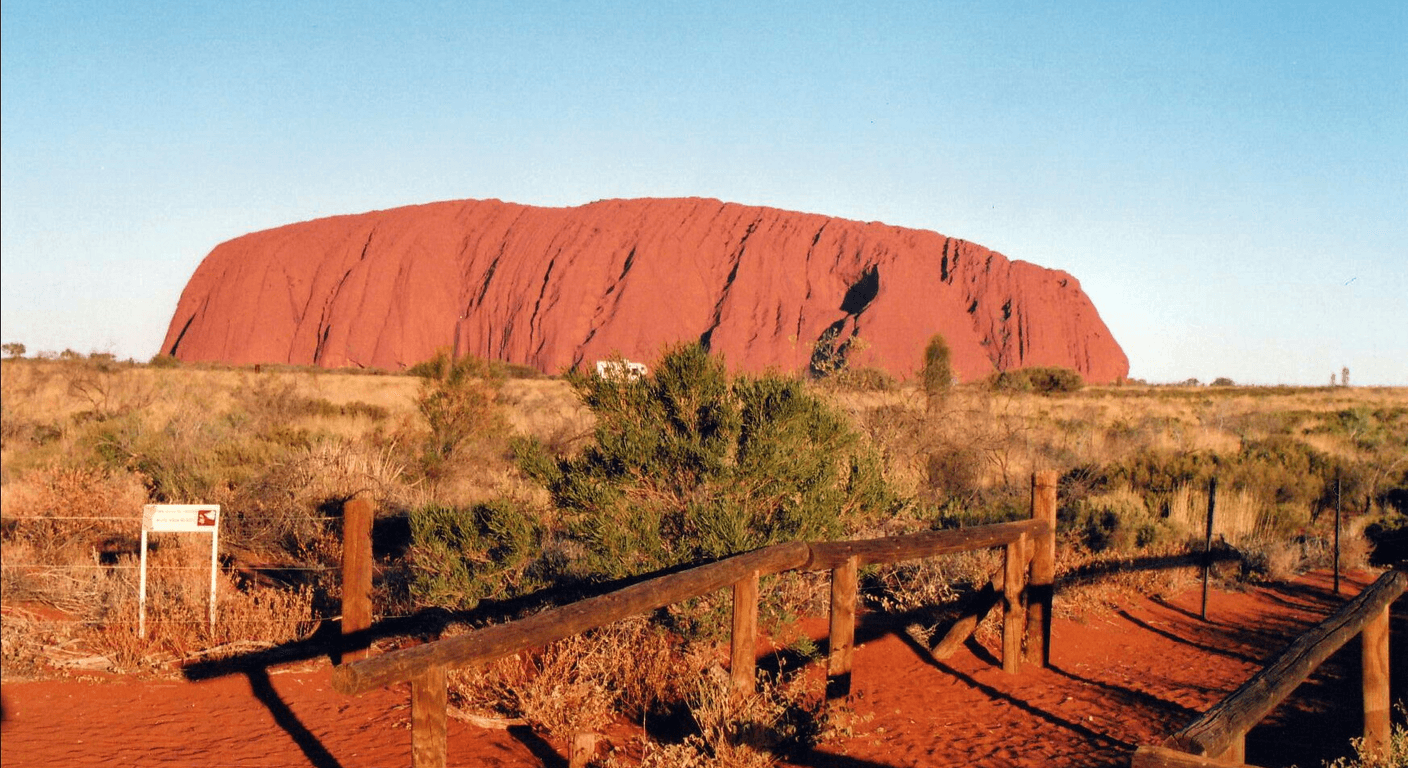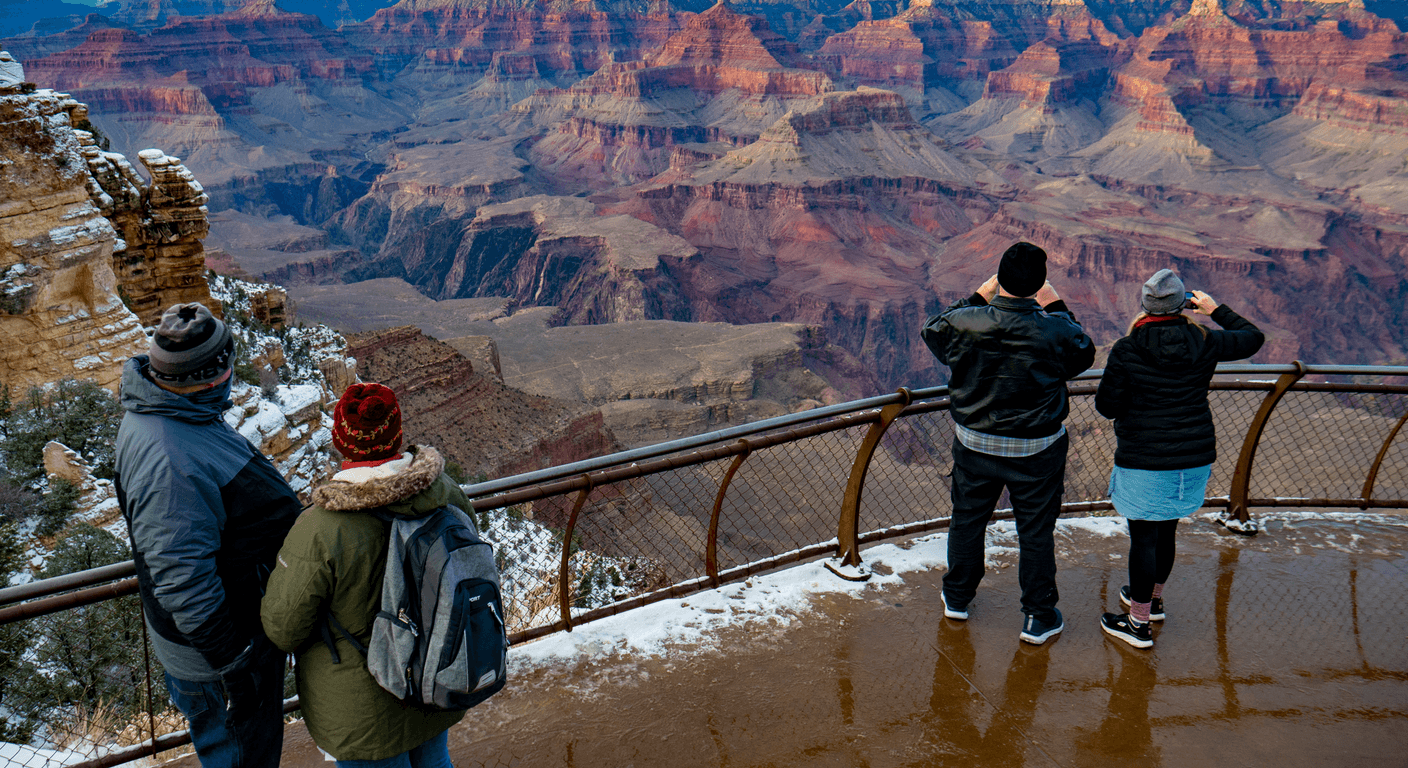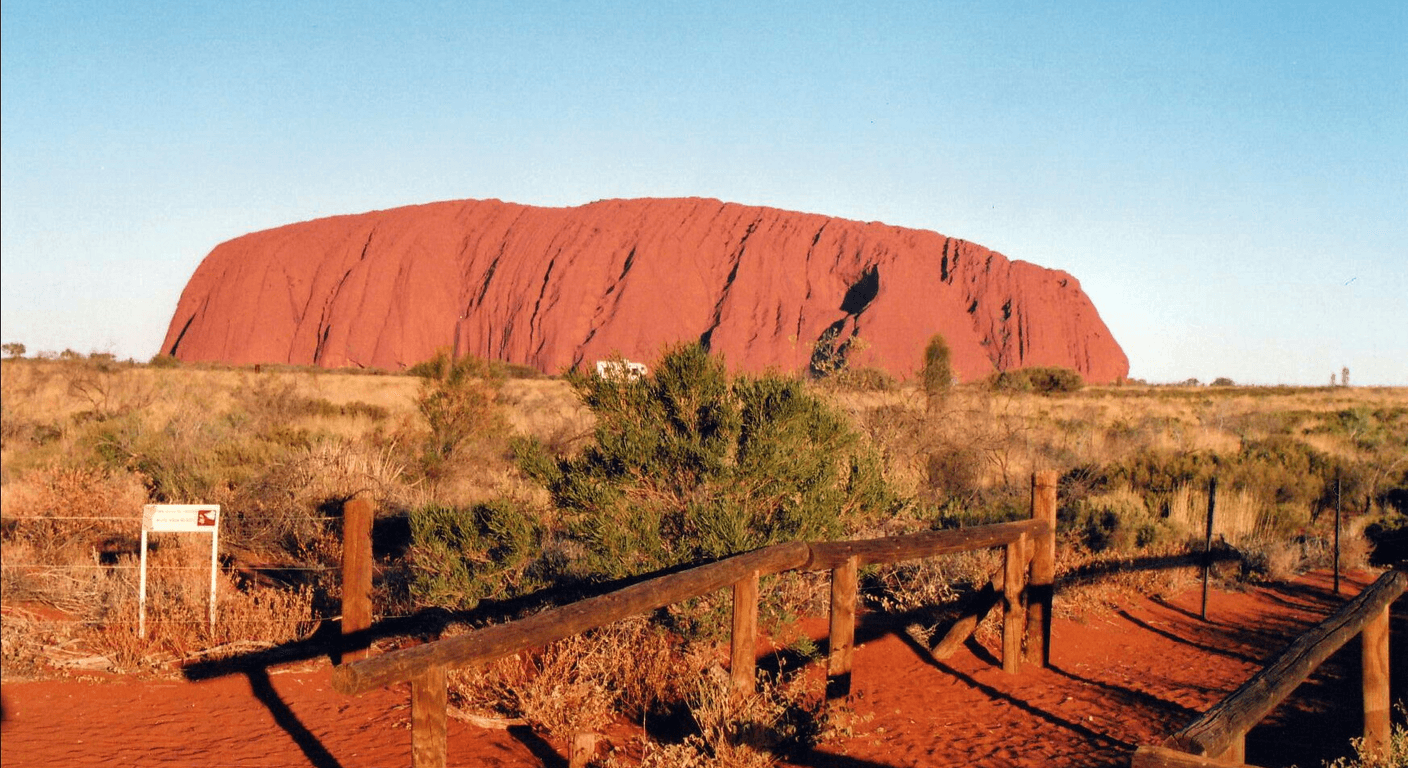
June is Australia's dry-season sweet spot, bringing warm, low-humidity days to Cairns, Broome and Darwin just as humpback whales begin migrating along both coasts and Victorian and NSW ski resorts open for the season. A week based in the tropical north, or four to five nights in Darwin, suits most itineraries, with the Kimberley's remote gorges and Cable Beach sunsets the standout highlight. Mobility ranges from easy boardwalks to more demanding 4WD tours, and flights are needed to reach Cairns, Broome or Darwin.
Why June Works So Well for Australian Travel Over 50
There's a particular pleasure in leaving a Melbourne morning of 12 degrees and stepping off a plane in Cairns into 27. June delivers that contrast reliably. It's the month the tropical north shifts into its best behaviour — the wet season has packed up, the humidity has dropped, and the days are long, clear and genuinely comfortable for walking, cruising and getting outdoors without wilting by 10am.
For travellers who prefer to move at a considered pace, June is also forgiving on the body. The heat in Cairns, Broome and Darwin rarely exceeds the low 30s, and evenings cool pleasantly. That matters when you're spending three hours on a reef boat or a half-day on a gorge walk. It's not about managing limitations — it's about choosing conditions where the experience is actually enjoyable rather than an endurance test.
The other June story is whales. Humpbacks begin moving north along the east coast and south along the west coast during June, making it the opening act of one of the world's more reliable wildlife spectacles. Meanwhile, the alpine resorts of Victoria and New South Wales open their ski season, offering a completely different June entirely — one that suits travellers who want crisp mountain air, good food, and the quiet satisfaction of watching snow from a lodge window.
Cairns and Tropical North Queensland: The Dry Season at Its Best
Cairns in June is what the tourism brochures promise but don't always deliver at other times of year. The Wet has gone. The Esplanade is pleasant to walk at any hour. The Great Barrier Reef is accessible, visibility underwater is typically excellent, and the crowds — while present — haven't yet peaked the way they do in July school holidays. For a solo traveller, the infrastructure here is well-suited: organised day tours departing the Reef Fleet Terminal, a compact city centre walkable in an afternoon, and a genuine range of accommodation from mid-range hotels to well-regarded lodges.
The Daintree Rainforest is the other reason to base yourself in Cairns for a week rather than rushing through. The 90-minute drive north to Cape Tribulation passes through some of the oldest rainforest on the planet — the kind of landscape that rewards slow attention. Half-day and full-day guided tours depart Cairns regularly, and operators catering to older travellers are easy to find. The boardwalk at the Daintree Discovery Centre (daintree-rec.com.au) is well-maintained and largely flat, making it genuinely accessible for most mobility levels. Confirm current conditions before visiting.
Kuranda, perched in the ranges above Cairns, is another June highlight — and the journey there is half the point. The Kuranda Scenic Railway winds through World Heritage-listed rainforest in vintage carriages; the Skyrail Rainforest Cableway returns you over the canopy. Neither is strenuous. Both are the kind of quietly spectacular that stays with you. Indicative combined ticket prices sit around $120-$150 per adult — confirm current pricing at kuranda.com.au and skyrail.com.au.
Broome and the Kimberley: June Is the Season
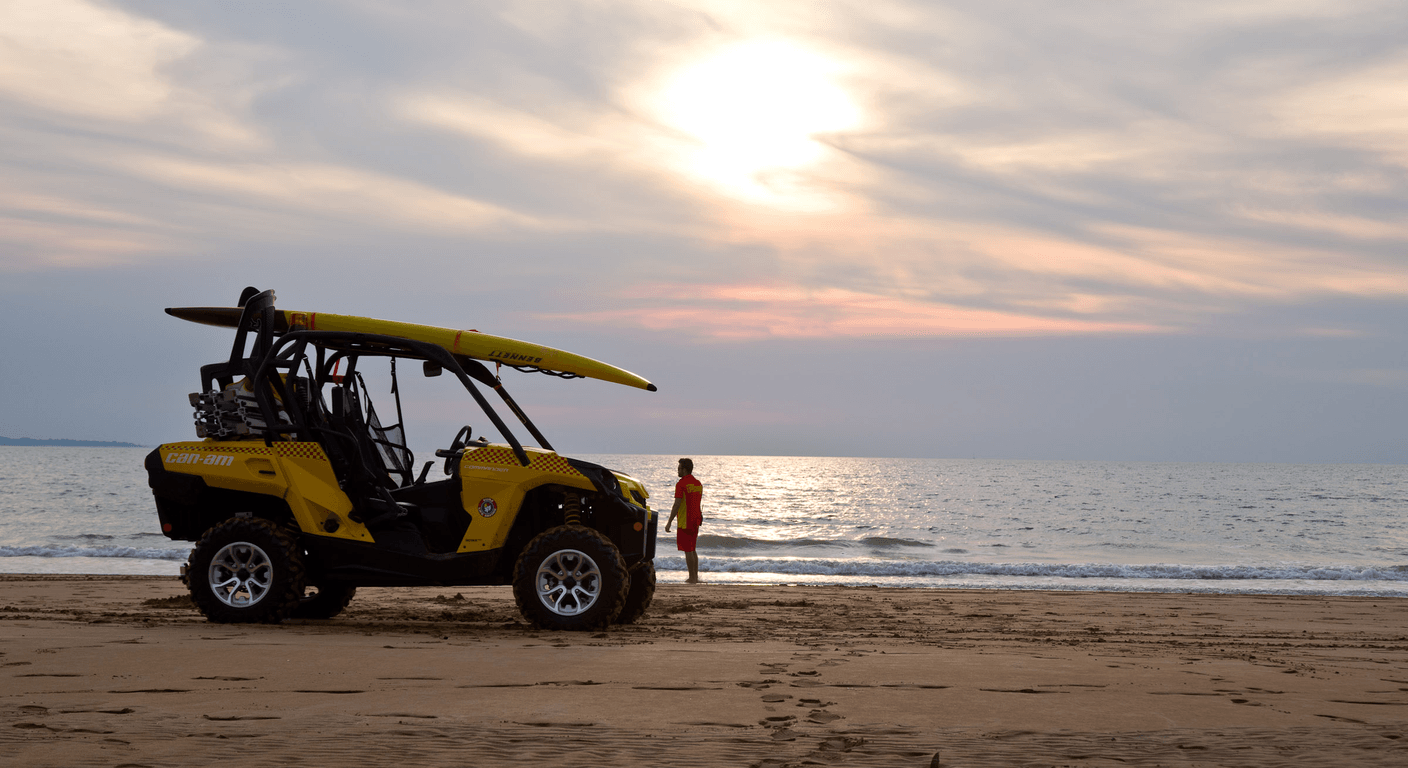
If there's one destination in Australia that genuinely rewards the effort of getting there, the Kimberley in June is a strong candidate. Broome itself is a town of real character — the pearling history, the multicultural layering of Japanese, Chinese, Malay and Aboriginal cultures, and Cable Beach at sunset with its camel train silhouettes. That last detail is not a cliché; it simply happens to be true. The beach is 22 kilometres of clean red-tinged sand, and the sunsets over the Indian Ocean in June are the sort of thing that makes you stop talking.
June is peak season in Broome, which means two things: conditions are superb, and accommodation books out. Expect to pay a premium — a decent hotel room in Broome in June sits roughly in the $250-$400 per night range, indicatively. Book several months ahead. The town is compact and walkable, with Town Beach, Chinatown, and the Pearl Luggers museum (pearlluggers.com.au) all within easy reach of the main accommodation strip. The Staircase to the Moon — a natural optical phenomenon visible on certain nights in May through October — is worth timing your trip around. Check exact dates with the Broome Visitor Centre (visitbroome.com.au).
Beyond the town, the wider Kimberley opens up in June by four-wheel-drive or small-group tour. Horizontal Falls, the Bungle Bungles in Purnululu National Park, and the Gibb River Road are all in play. These are not casual day trips — they require planning, the right operator, and honest assessment of what suits your pace. Several reputable small-group tour operators run 5-10 day Kimberley itineraries departing Broome, specifically designed for independent travellers who want a guide to handle logistics. Check operators listed through Tourism Western Australia (westernaustralia.com) and confirm their safety and accessibility standards directly.
Darwin and the Top End: Culture, Gorges and the Dry Season Rhythm
Darwin in June has a particular energy. The dry season brings the city's outdoor life into full swing — the Mindil Beach Sunset Market (mindil.com.au) runs Thursday and Sunday evenings from April to October, and it's the kind of place where you can eat well, browse local art, and watch the sun drop into the Timor Sea without any effort at all. It's a good starting point for understanding what Darwin actually is: a small, genuinely multicultural city that sits more comfortably with its Asian geography than almost anywhere else in Australia.
The two headline experiences from Darwin in June are Kakadu National Park and Litchfield National Park. Kakadu (parksaustralia.gov.au/kakadu) is a serious undertaking — vast, significant, and best understood with a guide. The rock art at Ubirr and Nourlangie is among the oldest in the world, and seeing it with a knowledgeable guide rather than a self-drive wander makes a substantial difference. Litchfield, by contrast, is more accessible: waterfalls, swimming holes, and termite mounds the size of small cars, all within two hours of Darwin and manageable as a day tour. Mobility varies by specific site — some paths are sealed and flat, others require more effort. Confirm with operators before booking.
Darwin itself has improved considerably as a food and culture destination. The Museum and Art Gallery of the Northern Territory (magnt.net.au) holds an exceptional collection of Aboriginal and Torres Strait Islander art, and entry is free. For a solo traveller spending four or five nights in Darwin, the combination of markets, museum, a Kakadu day tour, and a Litchfield day trip is a well-paced and genuinely rewarding itinerary.
Whales: East Coast and West Coast in June
June marks the beginning of humpback whale season on both Australian coasts, though timing varies year to year — always confirm current conditions with local operators before booking a specific date around whale watching. On the east coast, humpbacks begin their northward migration past southern Queensland, with tour operators departing from Hervey Bay, the Gold Coast and various Queensland ports. Hervey Bay, which markets itself as the whale-watching capital of Australia (visitfrasercoast.com), typically sees its peak season slightly later in July and August, but sightings in June are reported as the season builds.
The west coast tells a different story. Humpbacks heading south past Augusta, Dunsborough and the waters off Perth begin appearing in June. Augusta, at the southern tip of Western Australia where two oceans meet, is a quiet, unhurried base for whale watching — a contrast to the more developed Dunsborough and Busselton area. Whale watching cruises depart from several points along this coast; operators listed through Tourism Western Australia (westernaustralia.com) are a reliable starting point. Neither coast guarantees sightings on any given day — that's the honest reality of wildlife travel, and it's also part of what makes it worth doing.
The Snow Fields: A Different Kind of June
Not every June traveller wants warmth. The alpine resorts of Victoria and New South Wales open their ski seasons in June — typically the Queen's Birthday long weekend, though exact opening dates depend on snow conditions and vary each year. For a Victorian traveller, Falls Creek, Mount Hotham and Mount Buller are all within driving distance or accessible by coach from Melbourne. For those based in New South Wales or happy to fly, Thredbo and Perisher in the Snowy Mountains offer larger ski areas and well-developed village infrastructure.
For over-50 travellers who ski, the resorts are well-catered — particularly mid-week, when school-holiday crowds are absent and the mountain feels like a different place. For non-skiers, the appeal is the lodge itself: a fireplace, good food, mountain air, and the particular pleasure of watching snow fall from somewhere warm. Spa facilities, snowshoe walks, and scenic chairlift rides (where available and weather-permitting) round out the non-ski options. Accommodation in the resorts in June is not cheap — budget indicatively from $300-$500 per night for a decent lodge room, and confirm current pricing directly with the resort. Check falls.com.au, mthotham.com.au, mtbuller.com.au and thredbo.com.au for current season information.
One Overseas Option for June: Kyoto and the Japanese Ryokan Experience
For Australian travellers considering an international trip in June, Japan in general and Kyoto in particular deserve serious attention. June sits in Japan's shoulder season — the rainy season (tsuyu) brings occasional wet days, but also lush green temple gardens, fewer crowds than the spring cherry blossom peak, and meaningfully lower prices on accommodation and flights. For a traveller who finds the idea of shuffling through Arashiyama bamboo grove in a crowd of thousands less than appealing, June offers a quieter version of the same experience.
The ryokan — a traditional Japanese inn with tatami rooms, yukata robes, kaiseki dinner and onsen bathing — is the accommodation experience that repays the long flight. Kyoto has a range from modest to genuinely luxurious, and booking through a reputable specialist or directly via the Japan National Tourism Organization's resources (japan.travel/en/au) gives a reliable starting point. The floor-level sleeping arrangements in traditional rooms are worth considering honestly; many ryokan now offer bed options, and it's worth confirming this when booking if getting up from floor level is a concern.
From Melbourne, the most common routing to Kyoto goes via Tokyo or Osaka, with airlines including Japan Airlines, ANA and Qantas operating services — confirm current routes and flight times, as these change. Expect roughly 10-12 hours flying time to Tokyo or Osaka, often with a connection. A recovery night on arrival before doing anything ambitious is not overcaution — it's simple good sense after a long-haul crossing. Travel insurance covering pre-existing medical conditions is essential; confirm your policy covers Japan before departure. Visa requirements for Australian passport holders should be confirmed at smartraveller.gov.au before booking.
Quick planning guide
| Ideal pace | Relaxed, with organised day tours rather than self-drive rushing |
|---|---|
| Best months | June, at the start of the dry season and whale migration |
| Suggested stay | 4-7 nights per region (a week in Cairns, 4-5 nights in Darwin) |
| Mobility level | Easy on maintained boardwalks and townsites; Moderate to Active for Kimberley 4WD tracks and gorge walks |
| Cost level | Premium in Broome during peak season; mid-range to premium in Cairns, Darwin and the snow resorts |
| Comfort level | Well suited to older travellers, with established mid-range and lodge-style accommodation |
| Best for | Dry-season sightseeing, whale watching, guided Kimberley and Kakadu tours, and non-ski alpine lodge stays |
| Main planning consideration | Book Broome accommodation and whale-watching or Kimberley tours well in advance, and confirm mobility requirements with operators before travel |
Key takeaways
- June is peak dry season in Cairns, Broome and Darwin — warm, low-humidity and genuinely comfortable for active sightseeing.
- Broome accommodation books out months ahead in June; securing lodging early is the single most important planning step for the Kimberley.
- Humpback whale season begins on both Australian coasts in June, though exact timing varies — confirm with local operators before planning around it.
- Australia's alpine ski season typically opens in June, with Victorian and New South Wales resorts offering both skiing and comfortable non-ski lodge experiences.
- Kyoto in June offers a quieter, more affordable version of Japan's most celebrated city, with lush garden scenery and fewer crowds than spring peak.
- Travel insurance covering pre-existing conditions is non-negotiable for any June trip, domestic or international — confirm your policy specifics before booking.
Recommended partners and links
Indicative prices only — always confirm with the operator before booking.
Frequently asked questions
Where is the best place in Australia to go in June for warm weather if you're over 50?
Cairns, Broome and Darwin are the three standout warm-weather destinations in June for Australian travellers over 50. All three are in their dry season — warm days, low humidity, negligible rainfall and excellent conditions for sightseeing, reef trips and gorge walks. Cairns is the most accessible with the broadest range of organised day tours; Broome offers the most distinctive character; Darwin combines city culture with easy access to Kakadu and Litchfield national parks.
Is June a good time for whale watching in Australia?
June marks the beginning of humpback whale season on both the east and west coasts of Australia. On the east coast, whales begin moving northward past southern Queensland; on the west coast, they move south past Augusta and Dunsborough in Western Australia. Peak season on the east coast is typically July-August, so June represents the early season. Sightings are possible but not guaranteed — confirm current conditions with local operators before booking a trip specifically around whale watching.
When does the Australian ski season open and which resorts suit older travellers?
Australia's ski season typically opens around the Queen's Birthday long weekend in June, subject to snow conditions. For Victorian travellers, Falls Creek, Mount Hotham and Mount Buller are the main options. In New South Wales, Thredbo and Perisher are larger resorts with well-developed village infrastructure. Non-skiers are well-catered for, with lodges, spa facilities and scenic chairlift rides available at most resorts. Confirm exact opening dates and facilities directly with each resort, as these vary by season.
Is Japan a good destination for Australian travellers over 50 in June?
Japan in June is a genuinely good option for Australian travellers over 50. It falls in Japan's shoulder season — fewer crowds than the spring cherry blossom peak, lower accommodation prices, and lush green gardens despite occasional rainy days. Kyoto is particularly rewarding. The flight from Australia is long (roughly 10-12 hours to Tokyo or Osaka, often with a connection), so building in a recovery night on arrival is advisable. Confirm current visa requirements at smartraveller.gov.au and ensure travel insurance covers pre-existing conditions.
How far in advance should you book a Broome trip in June?
For Broome in June, booking accommodation at least two to three months in advance is strongly advisable. June is peak season in the Kimberley — the dry season brings near-ideal conditions and demand is high. Popular hotels and lodge properties fill well before the month arrives. Flights from southern cities also tighten in availability during June, so early booking on both counts is practical rather than overly cautious.
- Tourism Tropical North Queensland – Cairns and the Reef
- Daintree Rainforest Discovery Centre
- Skyrail Rainforest Cableway
- Broome Visitor Centre – Visit Broome
- Tourism Western Australia
- Mindil Beach Sunset Market Darwin
- Parks Australia – Kakadu National Park
- Museum and Art Gallery of the Northern Territory
- Tourism Top End – Darwin
- Mount Hotham Alpine Resort
- Mount Buller Alpine Resort
- Thredbo Alpine Resort
- Japan National Tourism Organization – Australia
- Smartraveller – Australian Government travel advice
- Visit Fraser Coast – Whale Watching Hervey Bay