September is Australia's standout shoulder-season month for over-50 travellers, combining Western Australia's peak wildflower bloom, Canberra's Floriade tulip display, and humpback whale migrations with calves visible off both coasts. A fortnight suits combining two regions comfortably, or longer if lingering in one. Mobility needs vary — flat, paved paths in Perth, Canberra and Adelaide contrast with uneven ground in the Stirling Range and parts of Kakadu. Self-drive, small-group tours and domestic flights provide practical access, though the tropical north is best visited early in the month before humidity builds.
Why September Works So Well for Over-50 Travellers
There's a particular pleasure in travelling when the season is doing half the work. September in Australia is that month. The southern states are warming without tipping into summer heat. The tropical north is still navigable, though only just — Darwin and Cairns stay comfortable through early September before humidity and afternoon storms start signalling the wet season's approach. The east coast sits in a reliable spring rhythm: mild days, cool evenings, and long golden afternoons.
For over-50 travellers — especially those who've earned the right to care deeply about comfort — September threads the needle between too-cold and too-hot with unusual reliability. Crowds haven't reached summer intensity. Domestic airfares are generally softer than January or Easter. And the natural calendar stacks three of Australia's great seasonal events into a single month: wildflowers in the west, Floriade in Canberra, and whale migrations along both coasts.
The key is choosing your region intentionally. Western Australia and Canberra reward early to mid-September visits. Queensland's whale-watching window runs longer. The tropical north is fine in the first fortnight but book accommodation early if you're heading to Darwin or the Kimberley — October is peak season and September is when bookings accelerate. A well-paced itinerary might combine two regions over a fortnight, or linger deeply in one.
Western Australia: Wildflower Season at Its Peak
The WA wildflower season is one of the world's genuinely remarkable natural events — around 12,000 species flowering across an area the size of Western Europe, from the Wheatbelt to the coast. September is typically the peak, though the exact timing varies by latitude and rainfall, so check conditions with Tourism Western Australia before finalising your dates. The blooms move roughly north to south as spring progresses, which means you can time a drive to follow the colour.
For travellers based in the east, Perth makes the perfect base. The city itself is easy to navigate, the weather in September is close to perfect — warm days, cool evenings, minimal rain — and the food and wine scene around the Swan Valley and Margaret River is sophisticated enough to hold anyone for several days. From Perth, the Wildflower Way drives north through Toodyay, Murchison, and Mullewa, where everlastings carpet roadside verges in white and gold. The Stirling Range National Park, south-east of Perth, offers a different palette: mountain bells, orchids, and banksias on ranges that rise dramatically from flat farmland.
Accessibility varies considerably. The Swan Valley and Kings Park in Perth are largely flat and well-maintained — Easy for most mobility levels. The Stirling Range involves some gradient and uneven ground on the walking tracks, though the drive-through views are available to everyone. Self-drive or small-group guided tours are the most flexible options; several Perth-based operators run wildflower day and multi-day tours specifically designed for mature travellers. Confirm current operators with Tourism Western Australia.
Canberra: Floriade and the Capital's Quieter Pleasures
Floriade has been running for nearly four decades, and it still delivers. Around one million spring bulbs — tulips, daffodils, hyacinths — fill Commonwealth Park beside Lake Burley Griffin each September and into October. Entry to the main garden displays is free, which is a rarity for an event of this scale. The NightFest evening programme adds a different dimension: the park illuminated, food vendors, and the crowds thinned to a more comfortable level. Tickets for NightFest are separate and worth booking ahead.
But Canberra in September is more than one event. The Australian War Memorial is among the country's most thoughtfully curated museum experiences — plan two to three hours and expect to be moved. The National Gallery of Australia holds an extraordinary permanent collection including the only Pollock drip painting in the Southern Hemisphere, and September often coincides with a major touring exhibition. The Botanic Gardens, on the slopes of Black Mountain, are particularly beautiful in spring and offer flat, paved paths through Australian flora — genuinely accessible for most mobility levels.
The honest note on Canberra in September: accommodation books out fast during Floriade weeks. Prices rise noticeably compared to the rest of the year, and some properties apply minimum-night stays. Book as early as practically possible, particularly if you want to stay in Civic or Kingston. The city is compact and well-served by bus; Uber operates reliably. Driving is easy if you prefer it — Canberra's road layout is logical, parking is available, and the distances between attractions are short.
Whale Watching: East Coast and South-West
September sits squarely within Australia's humpback whale migration season on the east coast, and it's the time when cows with calves are most commonly sighted. The whales that spent summer feeding in Antarctic waters are heading north earlier in the year, and by September the return journey south is underway — meaning the animals seen from Hervey Bay, Eden, or the Gold Coast are often travelling more slowly, the calves building strength for open ocean. Hervey Bay in Queensland has built a well-deserved reputation as one of the world's best whale-watching destinations, with the bay's sheltered geometry giving operators unusually close encounters.
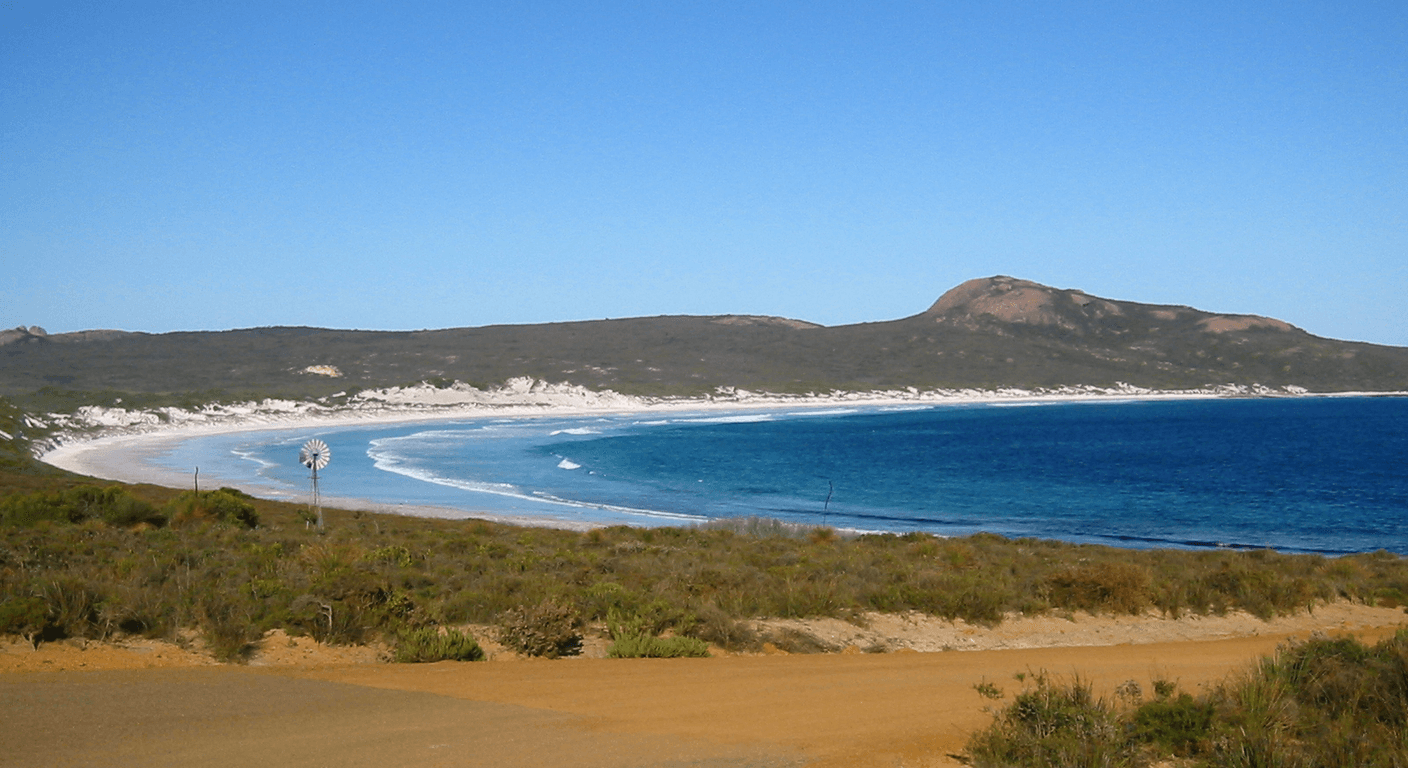
On the west coast, the Humpback Highway runs north to south along the WA coast, and September brings whales into view from Augusta, Dunsborough, and the cliffs above Flinders Bay. The Augusta–Margaret River region is already worth visiting for its own considerable reasons — the tall karri forests, the Cape Leeuwin lighthouse where two oceans meet, and the wineries of the Margaret River region are all within easy reach. Adding whale watching to a WA spring trip is logical rather than effortful.
A practical note: whale-watching vessels vary in size and sea conditions vary by location and day. If you or your travel companion experience motion sickness or have relevant health considerations, choose a larger vessel and check the operator's cancellation policy for weather days. Many reputable operators offer a return trip guarantee if whales aren't sighted. Confirm current departure points, vessel sizes, and accessibility features directly with operators before booking.
Queensland and the Tropical North: Go Early in September
The Kimberley and the Top End are magnificent in the dry season, which runs broadly from May through September. By late September, though, the build-up begins — humidity climbs, afternoon thunderstorms appear, and the landscape starts its transformation toward the wet. For travellers targeting Darwin, Kakadu, or the Kimberley, early to mid-September is the practical window. The waterholes are still accessible, the gorges are walkable, and the light in the late dry season turns the escarpments a deep burnt orange.
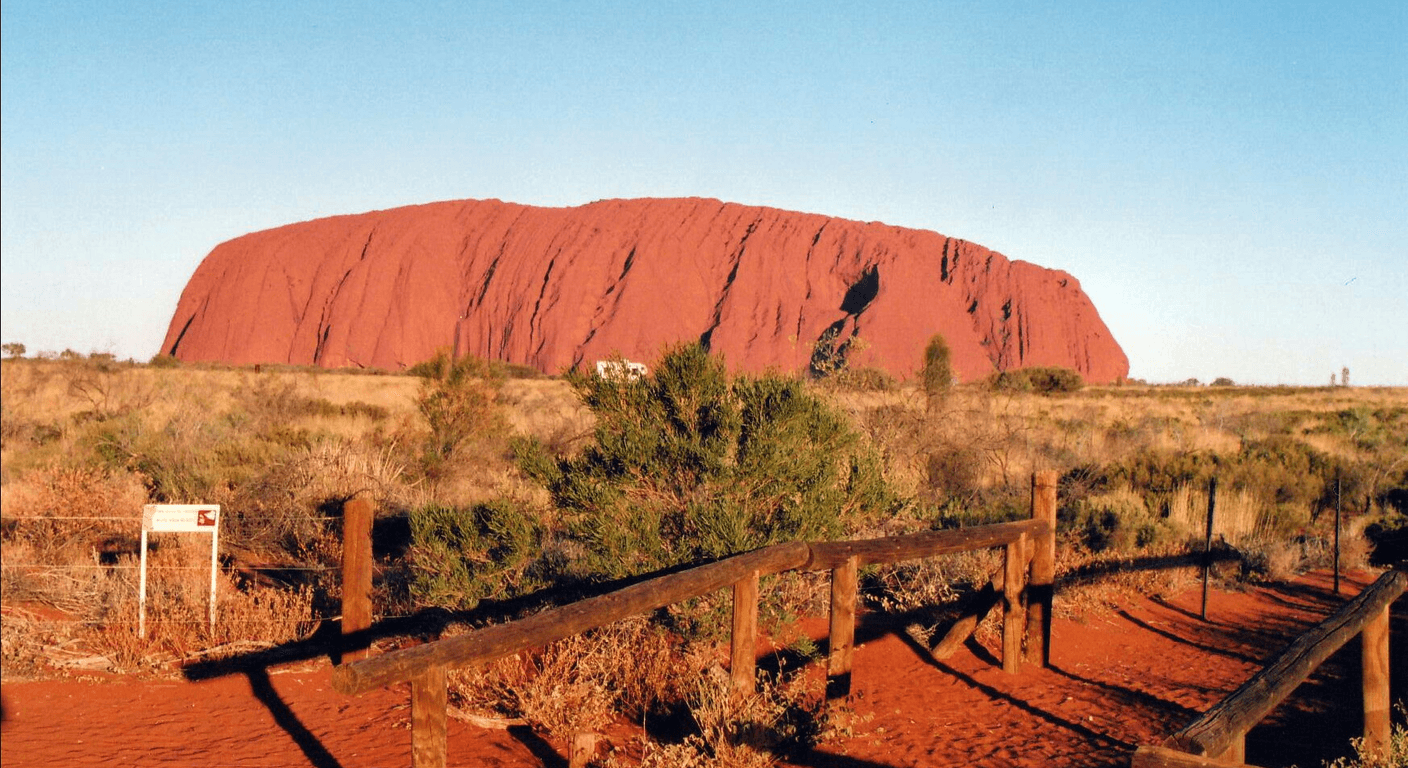
Kakadu National Park in September offers a particularly rewarding combination: the Yellow Water Billabong cruise at dawn, when the light is cool and the bird life extraordinary; the ancient rock art at Ubirr and Nourlangie, which rewards slow, attentive looking; and the Gunlom plunge pool, high on the escarpment, with a view across the floodplains that defies easy description. The park is large and some distances between sites are significant — a hire car or small-group tour is practical. Some walking tracks involve uneven ground; the boardwalked sections of Yellow Water and Ubirr are accessible for most mobility levels.
Cairns and the Daintree are equally well-timed in early September. The Great Barrier Reef is clear and calm, the rainforest is lush without being rain-saturated, and temperatures sit at a comfortable 25–27 degrees before the humidity builds. Silversea, Scenic, and several small-ship operators run reef and tropical coast cruises departing Cairns in September — a relaxed way to cover distance without repacking constantly, which many over-50 travellers rightly value.
South Australia and Victoria: Spring Without the Crowds
September in South Australia and Victoria is unhurried spring. The Barossa Valley and Clare Valley in SA are at their most photogenic — vines are budding, the hills are green, cellar doors are open and not yet summer-busy. Maggie Beer's Farm Shop at Nuriootpa, the National Wine Centre in Adelaide, and the warren of laneways in the Adelaide Central Market all reward a day or two of easy wandering. Adelaide itself is genuinely walkable for a capital city, flat through the parkland ring, and the tram to Glenelg is both practical and pleasantly retro.
In Victoria, the Mornington Peninsula and the Bellarine Peninsula come into their own in September. The Arthurs Seat Eagle gondola offers broad views across Port Phillip Bay without requiring any walking at all — a detail worth knowing. The Great Ocean Road in September means moody, dramatic skies rather than the harsh summer light, and the Twelve Apostles at this time of year are often photographed in morning mist. Falls Creek and Mount Hotham are still snow-season territory in early September, appealing to a different crowd entirely.
For a longer Victorian road trip, the Murray River corridor — Echuca, Swan Hill, Mildura — offers paddle steamer history, flat terrain, excellent fishing, and a warmth that arrives earlier than on the coast. This is classic grey nomad territory: unhurried, affordable out of peak school-holiday weeks, and genuinely relaxing. The drive from Melbourne to Echuca takes around two and a half hours and requires no mountain passes.
One Overseas Pick for September: Kyoto and the Kansai Region, Japan
Japan in September sits in an interesting seasonal gap. The summer heat and humidity are easing — particularly by mid to late month — while the famous autumn foliage (koyo) hasn't yet peaked, which means crowds at the major Kyoto temples are considerably thinner than October or November. Prices for accommodation reflect this: September is generally softer than either peak autumn foliage season or the spring cherry blossom rush. For over-50 travellers who value a considered pace over Instagram timing, this is an underappreciated window.
Kyoto's Fushimi Inari shrine, Arashiyama bamboo grove, Nishiki Market, and the Philosopher's Path are all compelling on their own terms — but the city also rewards simply sitting in a garden. Ryoanji's dry rock garden, Kokedera (the moss garden, requiring advance booking), and the imperial gardens at Sento Gosho are places where spending an hour is not wasted time. The Kansai region connects Kyoto, Osaka, Nara, and Kobe by efficient train; a week based in Kyoto with day trips covers this beautifully. The JR Pass makes sense for travellers adding a Tokyo leg.
From Australian capitals, flights to Osaka (Kansai International Airport) typically involve one stop — Singapore, Hong Kong, or Kuala Lumpur — with total travel time of roughly 12–16 hours depending on your city and connection. A recovery night in Osaka or Kyoto on arrival is sensible rather than optional. Jet lag from Japan is generally less disruptive than from Europe for Australians — the time difference is modest — but factor it into your first two days. Travel insurance covering pre-existing conditions is essential; confirm coverage before purchasing any policy. Check current visa requirements with the Japanese Embassy or your travel agent, as entry rules can change.
Quick planning guide
| Ideal pace | Slow to moderate — one or two regions over a fortnight |
|---|---|
| Best months | Early to mid-September, with whale watching extending later |
| Suggested stay | Around two weeks, or longer if focusing on a single region |
| Mobility level | Moderate — flat, accessible paths in most hubs, some uneven ground on bush trails |
| Cost level | Mid-range, with premium pricing during Floriade and tropical peak bookings |
| Comfort level | High in southern states; book ahead for Canberra and the tropical north |
| Best for | Wildflower drives, garden festivals, and coastal whale watching |
| Main planning consideration | Choose regions intentionally and book Canberra and Kimberley accommodation early as demand accelerates |
Key takeaways
- September is Australia's most rewarding domestic travel month for over-50s — spring south, manageable north, wildflowers and whales both in season.
- WA's wildflower season typically peaks in September, but timing varies by region and rainfall — check conditions with Tourism Western Australia before booking.
- Floriade in Canberra offers free entry to one million spring bulbs in Commonwealth Park; accommodation books out fast during the event, so plan early.
- Humpback whales with calves are commonly sighted in September from Hervey Bay on the east coast and Augusta–Dunsborough on the west.
- Darwin, Kakadu, and the Kimberley are best visited in early to mid-September — by late month, the build-up heat and humidity begins in earnest.
- Kyoto in September offers a quieter, more affordable alternative to peak foliage season, with easing summer heat and manageable crowds at the major temples.
Recommended partners and links
Indicative prices only — always confirm with the operator before booking.
Frequently asked questions
Is September a good time to visit Western Australia for the wildflowers?
September is typically the peak of WA's wildflower season, with blooms spread across the Wheatbelt, the mid-west, and the Stirling Range. The exact timing varies by latitude and how much rain the region has received, so it's worth checking current conditions with Tourism Western Australia (westernaustralia.com) before finalising your dates.
When does Floriade run in Canberra and is it free?
Floriade runs through September and into early October in Commonwealth Park, Canberra. Entry to the main flower displays is free. The NightFest evening programme requires a separate ticket, which should be booked in advance. Accommodation in Canberra during Floriade weeks fills quickly — book as early as possible. Confirm current dates and programme details at visitcanberra.com.au.
Where is the best place in Australia to see whales in September?
Hervey Bay in Queensland is widely regarded as one of Australia's best whale-watching locations in September, when humpback whales and calves are moving south after the northern migration. On the west coast, the Augusta and Dunsborough area in WA also offers reliable humpback sightings in September. Conditions and sightings vary — choose an operator with a return-trip guarantee and confirm vessel accessibility before booking.
Is the tropical north of Australia worth visiting in September?
Early to mid-September is a good time to visit Darwin, Kakadu, and the Kimberley — the dry season is still holding, waterholes are accessible, and temperatures are manageable. By late September, humidity begins to build as the wet season approaches. If the tropical north is your destination, aim for the first two weeks of the month and book accommodation well ahead, as October is peak season and September bookings accelerate.
What should over-50 Australians know before flying to Japan in September?
Flights from Australian capitals to Osaka or Tokyo typically involve one stopover and 12–16 hours of travel; a recovery night on arrival is strongly recommended. September in Japan sees easing summer heat and thinner crowds than the autumn foliage peak in October–November. Travel insurance covering pre-existing medical conditions is essential — confirm your policy covers Japan before purchasing. Check current visa requirements with the Japanese Embassy or a registered travel agent, as entry conditions can change.